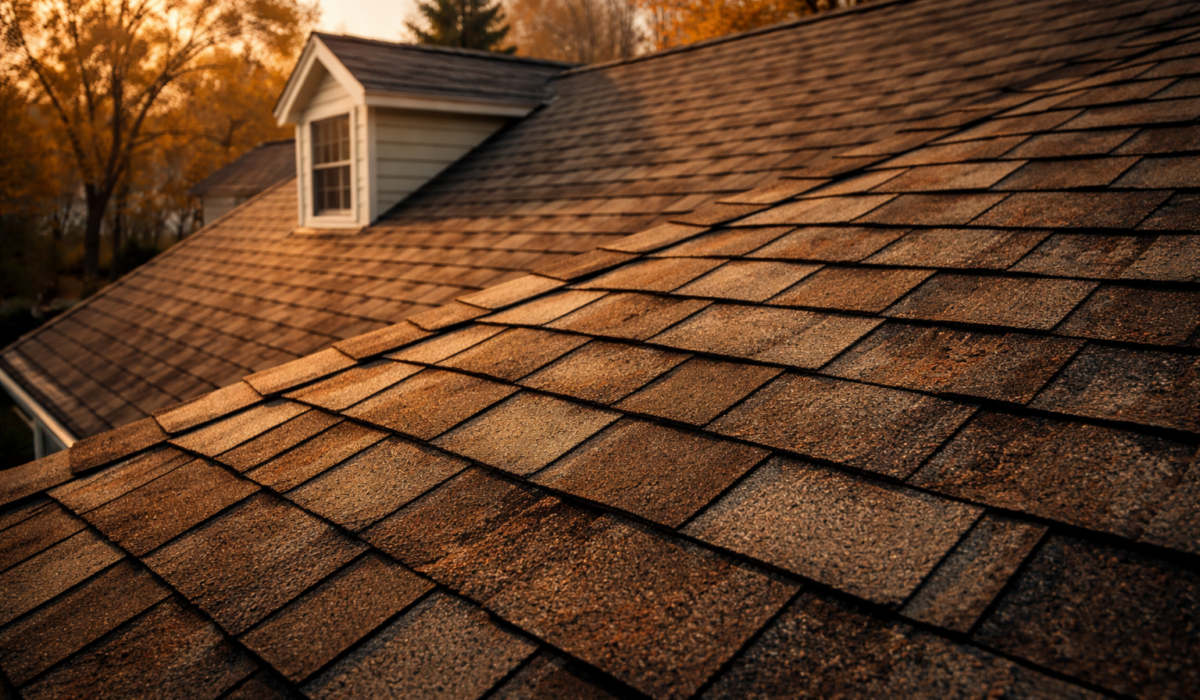
Asphalt shingle roofs in Northeast Ohio typically last 15-25 years, depending on shingle quality and local weather conditions. Three-tab shingles average 15-18 years, while architectural shingles can reach 20-25 years. However, harsh Northeast Ohio winters, lake-effect snow, and severe storms often reduce these estimates by 3-5 years compared to milder climates.
When you’re planning for roof replacement or evaluating your current roof’s condition, the most practical question is how much time you actually have. Understanding realistic lifespan expectations for your specific shingle type and location helps you budget appropriately and recognize warning signs before minor issues become emergency repairs.
What Determines How Long Asphalt Shingles Last?
Asphalt shingle longevity depends on four primary factors: shingle quality, installation precision, climate conditions, and ongoing maintenance. A premium architectural shingle installed poorly will fail faster than a standard three-tab shingle installed correctly.
Shingle composition directly affects durability. Three-tab shingles use a single layer of asphalt and granules, making them vulnerable to weather damage. Architectural shingles feature multiple layers with heavier asphalt and enhanced granule adhesion for better wind resistance and UV protection. Designer shingles add specialized granule coatings that reflect heat and resist algae growth.
Installation quality matters just as much. Shingles must be nailed in the correct pattern, sealed along edges and valleys, and installed over adequate underlayment. Poor installation creates immediate vulnerabilities which are amplified by Northeast Ohio’s climate. Regional conditions mean your roof experiences more stress than a roof in a temperate climate.
How Long Do Different Types of Asphalt Shingles Last?
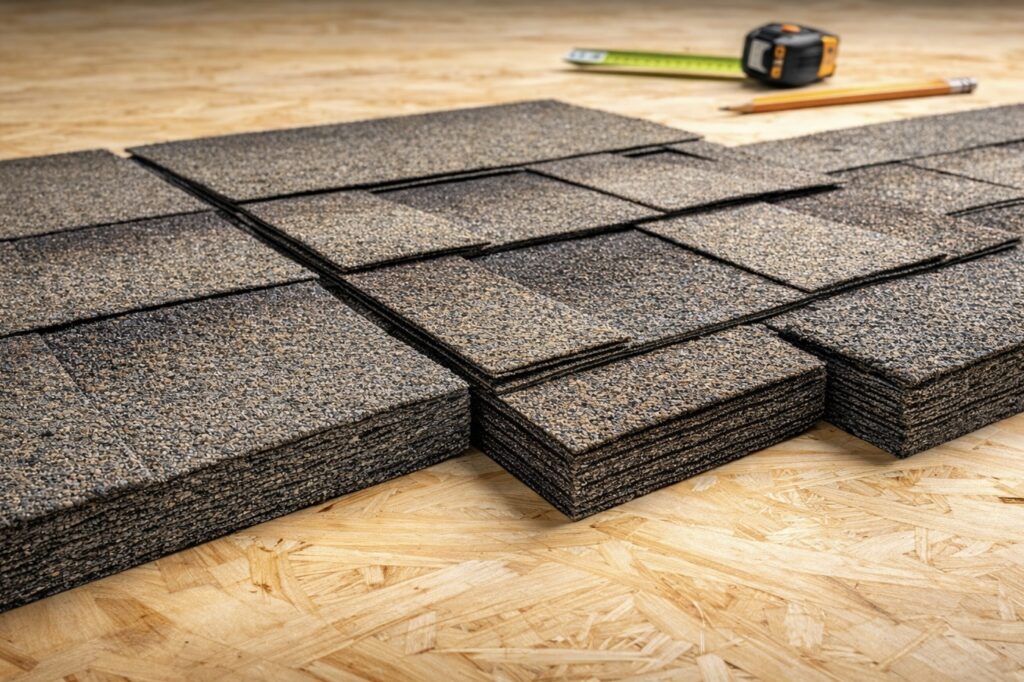
Three-tab shingles last 15-18 years in Northeast Ohio. These entry-level shingles use minimal material and lack dimensional reinforcement, making them vulnerable to wind damage and temperature extremes. Expect granule loss to become visible around year twelve, with increasing repair needs from that point forward.
Architectural shingles offer substantially better performance, lasting 20-25 years locally. The multi-layer construction and heavier weight resist wind uplift more effectively and handle thermal cycling better than three-tab alternatives. Most homeowners can reasonably expect twenty-plus years with proper installation and basic maintenance.
Premium and impact-resistant shingles can reach 25-30 years under ideal conditions. These specialty products use enhanced asphalt formulations and reinforced construction engineered for harsh weather. Impact-resistant shingles also incorporate rubberized materials that resist hail damage and falling branches, meaning fewer repairs throughout the roof’s service life. However, these extended lifespans require excellent ventilation and regular professional maintenance.
What Shortens Asphalt Shingle Lifespan in Northeast Ohio?
Ice dams cause premature failure along eaves and valleys. When heat escaping from the attic melts rooftop snow, it refreezes along colder eaves. The ice forces water underneath shingles, breaking adhesive seals and allowing moisture infiltration. Repeated freeze-thaw cycles throughout winter compound this damage, particularly on homes with insufficient attic insulation.
Wind damage accumulates over time as sustained winter winds and severe thunderstorms test shingle attachment continuously. A roof might survive each individual storm without visible damage, yet the cumulative stress weakens attachment points. By year fifteen, properly installed shingles may show lifting or creasing from this accumulated stress.
Temperature swings create another layer of wear. Northeast Ohio temperatures swing from below zero in January to above ninety in July, stressing the asphalt binder that holds granules and maintains waterproofing. Over thousands of cycles, the binder becomes brittle, granules detach, and shingles become prone to cracking.
Note: Poor ventilation accelerates all these problems from beneath. Trapped moisture in the attic raises temperatures and humidity against the underside of roof decking.
Can Maintenance Extend Asphalt Shingle Lifespan?
Annual inspections identify problems early, allowing professional roofers to spot lifting shingle corners, deteriorating sealant, early granule loss, and ventilation problems. These discoveries allow targeted repairs that cost hundreds rather than thousands in emergency work. Schedule inspections in late spring or early fall when any winter or summer damage becomes visible. When inspections reveal issues, prompt repairs prevent damage expansion. If you wait too long, the damage gets worse.
Gutter cleaning protects roof edges by preventing overflow that backs up under shingles along eaves. This constant moisture exposure rots fascia boards and promotes ice dam formation. Clean gutters at least twice annually, once after spring pollen and again after fall leaves.
Lastly, attic ventilation maintenance keeps temperatures closer to outdoor levels, reducing thermal stress on shingles and preventing ice dams. During annual inspections, verify that ridge vents, soffit vents, and gable vents remain unobstructed and that insulation hasn’t blocked airflow.
When Should You Replace Your Asphalt Shingle Roof?
Once architectural shingles reach twenty years or three-tab shingles reach fifteen years, plan for replacement within the next two to five years regardless of apparent condition. However, actual timing depends on visible deterioration. For instance, a fifteen-year-old roof showing minimal wear might provide five more years, while a twelve-year-old roof with extensive damage needs replacement now.
Widespread deterioration makes replacement more economical than ongoing repairs. If inspections identify problems across more than 30% of the roof surface, replacement typically costs less long-term than patching multiple areas on an aging system that will soon need full replacement anyway.
Recurring roof leaks suggest systemic failure that repairs can’t address. Multiple leaks in different areas, or the same area leaking again after proper repair, indicate the underlayment may be compromised, decking might have deteriorated, or shingle adhesion is failing across broad sections. Interior damage also signals urgent replacement needs. Water stains on ceilings, mold growth in attics, or damaged insulation mean leaks have progressed beyond surface level, and further delay allows moisture damage to spread into wall cavities and structural framing.
Northeast Ohio’s climate demands installation precision that addresses the region’s freeze-thaw cycles, lake-effect snow loads, and severe wind events. If your roof is showing signs of age or recent storms have raised concerns about remaining lifespan, contact Peak & Valley Roofing today for a professional evaluation. We’ll provide straightforward assessment of current condition, realistic timeline for replacement, and clear explanation of your options.
Frequently Asked Questions
Can asphalt shingles last 30 years?
Premium architectural or designer shingles can approach 30 years in ideal conditions with excellent ventilation and regular maintenance, but this is uncommon in Northeast Ohio’s harsh climate.Severe weather, ice dams, and temperature extremes reduce even the best shingles’ lifespan compared to milder regions.
What are the disadvantages of asphalt shingles?
Asphalt shingles have shorter lifespans than metal or tile roofing and require replacement more frequently. They’re vulnerable to wind damage, algae growth in humid conditions, and accelerated aging in extreme temperatures.
Do black shingles last longer than lighter colors?
Shingle color has minimal effect on lifespan in Northeast Ohio’s moderate summers. In extremely hot climates, lighter colors reflect more heat and may last slightly longer, but temperature differences here don’t create meaningful lifespan variations. Choose color based on aesthetic preference and home style rather than durability concerns. Quality and installation matter far more than color selection.
What type of roof lasts the longest?
Metal roofing lasts 40-70 years, slate can exceed 100 years, and clay tile reaches 50-100 years which are all significantly longer than asphalt shingles’ 15-25 year lifespan. However, these materials cost 2-4 times more initially. For most Northeast Ohio homeowners, architectural asphalt shingles offer the best balance of upfront cost, reliable performance, and reasonable lifespan.