

Planning a siding project in Rocky River? You’ll need proper permits before starting any exterior work. Most siding installations in Cuyahoga and Lorain Counties require building permits, with processing times ranging 5-15 business days. The permit process involves submitting detailed plans, contractor credentials, and paying municipal fees that vary by city.
Quick Answer: All siding replacements in Rocky River require building permits through your local municipality. Cuyahoga County and Lorain County follow Ohio’s Residential Code with specific wind resistance requirements of 90-100 mph minimum.
Understanding local building codes and permit requirements protects you from costly fines and project delays. This guide covers everything you need to know about siding permits in the Greater Rocky River area, from application steps to code compliance requirements.
Understanding siding permit requirements
Most exterior siding projects require permits regardless of material type or project scope. Simple siding replacements typically qualify for standard residential permits, while complex renovations involving structural changes need detailed engineering plans.
Your permit application must include comprehensive project blueprints showing material specifications and installation methods. You’ll also need a property survey or plot plan, proof of contractor licensing, and completed municipal forms with appropriate fees.
The typical permit process takes 5-15 business days in most Ohio municipalities. However, properties in historic districts may require additional review time from architectural boards. Starting your permit application at least 30 days before your planned installation date helps avoid weather-related delays.

Local building codes by county
Both Cuyahoga and Lorain Counties follow Ohio’s implementation of the International Residential Code with regional modifications for weather conditions and construction standards. These codes establish minimum safety requirements for exterior wall systems.
| Requirement | Cuyahoga County | Lorain County | City of Rocky River |
|---|---|---|---|
| Wind Resistance | 90-100 mph minimum | 90-100 mph minimum | 100 mph minimum |
| Fire Rating | Class A or B by zone | Class A or B by zone | Class A required |
| Insulation | R-3 minimum | R-3 to R-5 required | R-5 recommended |
| Water Barrier | Required all installs | Required with flashing | Required with drainage |
Ohio’s building codes require water-resistive barriers behind all exterior siding installations. According to the Ohio Building Code, exterior walls must provide weather-resistant envelopes that prevent water accumulation within wall assemblies.
Lorain County typically requires higher insulation values than Cuyahoga County, especially for new construction projects. Understanding how new siding improves your home’s insulation can help you meet these requirements while enhancing energy efficiency. The City of Rocky River may have additional aesthetic requirements for properties in designated historic areas.
Important Note: Historic district properties often require approval from Architectural Review Boards before permit applications, adding 2-4 weeks to your timeline.
Municipal and HOA approval processes
The City of Rocky River enforces specific exterior guidelines that sometimes exceed county requirements. Properties in historic districts face additional restrictions on materials, colors, and installation methods to preserve neighborhood character.
Many neighborhoods operate under Homeowner Association rules that restrict siding materials and colors. Common HOA limitations include prohibiting vinyl siding in favor of fiber cement or engineered wood options. Some associations require specific color palettes that complement existing neighborhood aesthetics.
The HOA approval process typically requires material samples, color charts, and detailed installation plans. Most architectural review committees meet monthly, so factor this timeline into your project planning. Getting HOA approval before applying for municipal permits streamlines the overall process. For nearby communities, our guide to HOA-approved siding upgrades for Westlake communities provides valuable insights into navigating association requirements.
Municipal setback requirements may affect projects that alter your home’s exterior dimensions. Adding insulation or changing siding thickness could impact property line distances, requiring variance applications in some cases.
Working with licensed contractors
Ohio law requires home improvement contractors to register with local municipalities and carry proper insurance coverage. Hiring licensed professionals ensures your project meets building codes and protects you from liability during installation.
Your contractor should hold a valid local municipal contractor registration, maintain liability insurance of at least $500,000, and provide workers’ compensation coverage for all employees. Many manufacturers also require specific certifications for warranty coverage.
Professional contractors handle permit applications, coordinate with building inspectors, and ensure all work meets local code requirements. They understand municipal processes and can navigate potential complications before they affect your project timeline. Avoiding common siding installation mistakes is crucial for ensuring your project passes inspection and performs well over time.
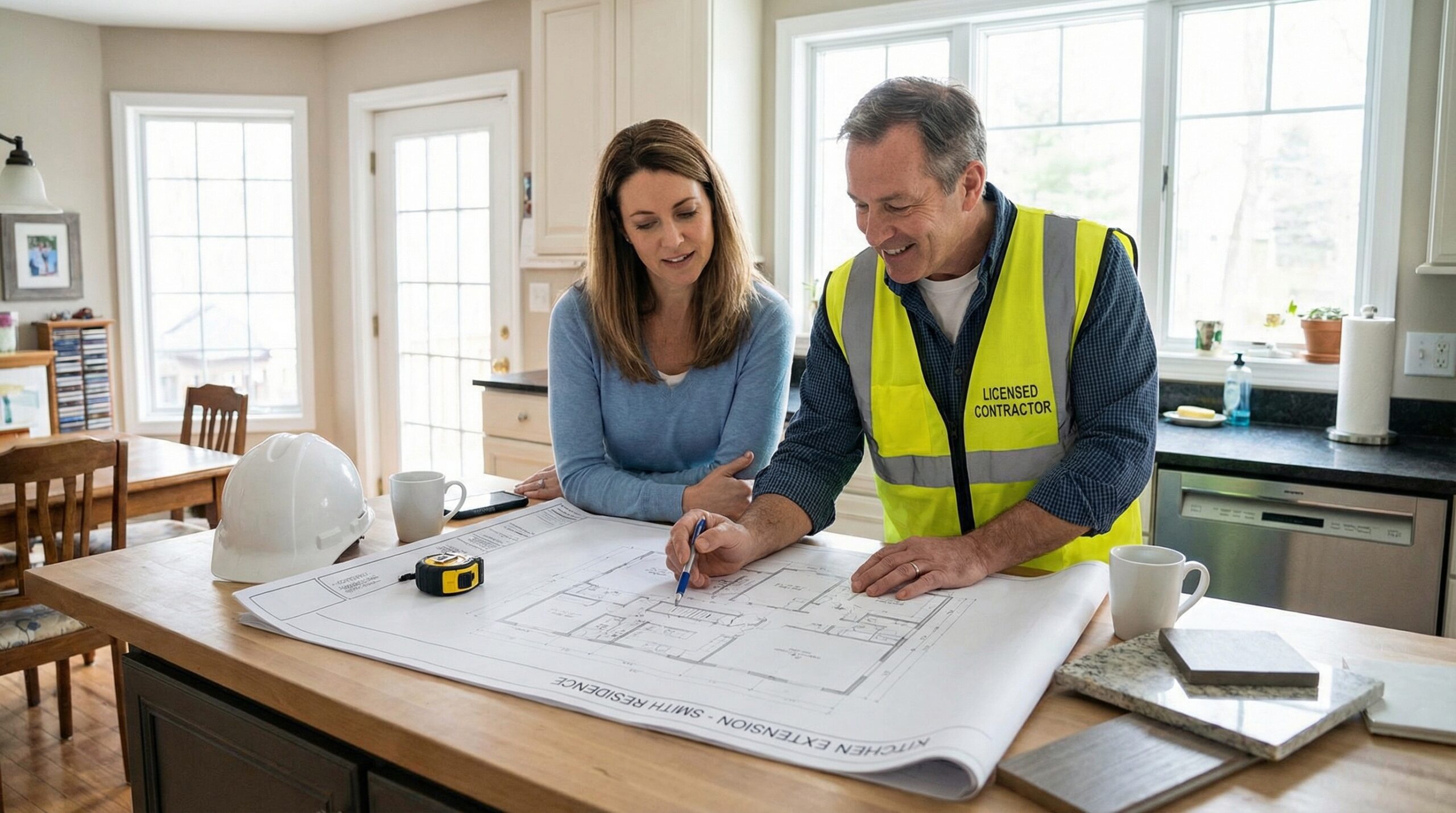
Experienced contractors maintain relationships with local building departments, which often speeds permit processing and inspection scheduling. This expertise proves valuable when dealing with complex projects or historic district requirements. Before starting your project, it’s essential to understand siding repair vs replacement options to ensure you’re applying for the correct permit type.
Pro Tip: Always verify contractor credentials through your local building department or the Ohio Attorney General’s database before signing any contracts or making payments.
Getting your siding project approved requires understanding local requirements and following proper procedures. Starting the permit process early, working with qualified contractors, and ensuring HOA compliance when applicable sets your project up for success. Remember that permit fees vary by municipality, so budget accordingly for these costs alongside your material and labor expenses. For a comprehensive understanding of project costs, review our siding replacement cost guide for Rocky River.
The investment in proper permits and professional installation protects your home’s value and ensures long-term performance of your new siding system. When you’re ready to move forward with your project, consult with local building departments about specific requirements for your property and planned improvements.