

Getting a new roof is a major investment for Cleveland-area homeowners, but what happens when that investment turns into a nightmare? Poor roofing installation can lead to leaks, structural damage, and thousands in repair costs. The good news is that you can spot most problems from your yard in just a few minutes.
Quick Answer: The most obvious signs of a bad roofing job include uneven or wavy shingles, exposed nail heads, missing drip edge, multiple leaks after the first rain, and reused flashing around chimneys or vents.
Whether you’re worried about your recent roof installation in Rocky River, Cleveland, or anywhere in Northeast Ohio, or want to know what to watch for, this guide will help you identify the red flags that signal poor workmanship. You’ll learn what each problem means for your home’s protection and what steps to take if you discover issues.
Visual Signs You Can Spot From the Ground
Most roofing problems are visible from your driveway or sidewalk. These obvious defects often indicate deeper installation issues that could compromise your home’s protection against Northeast Ohio’s harsh weather conditions.
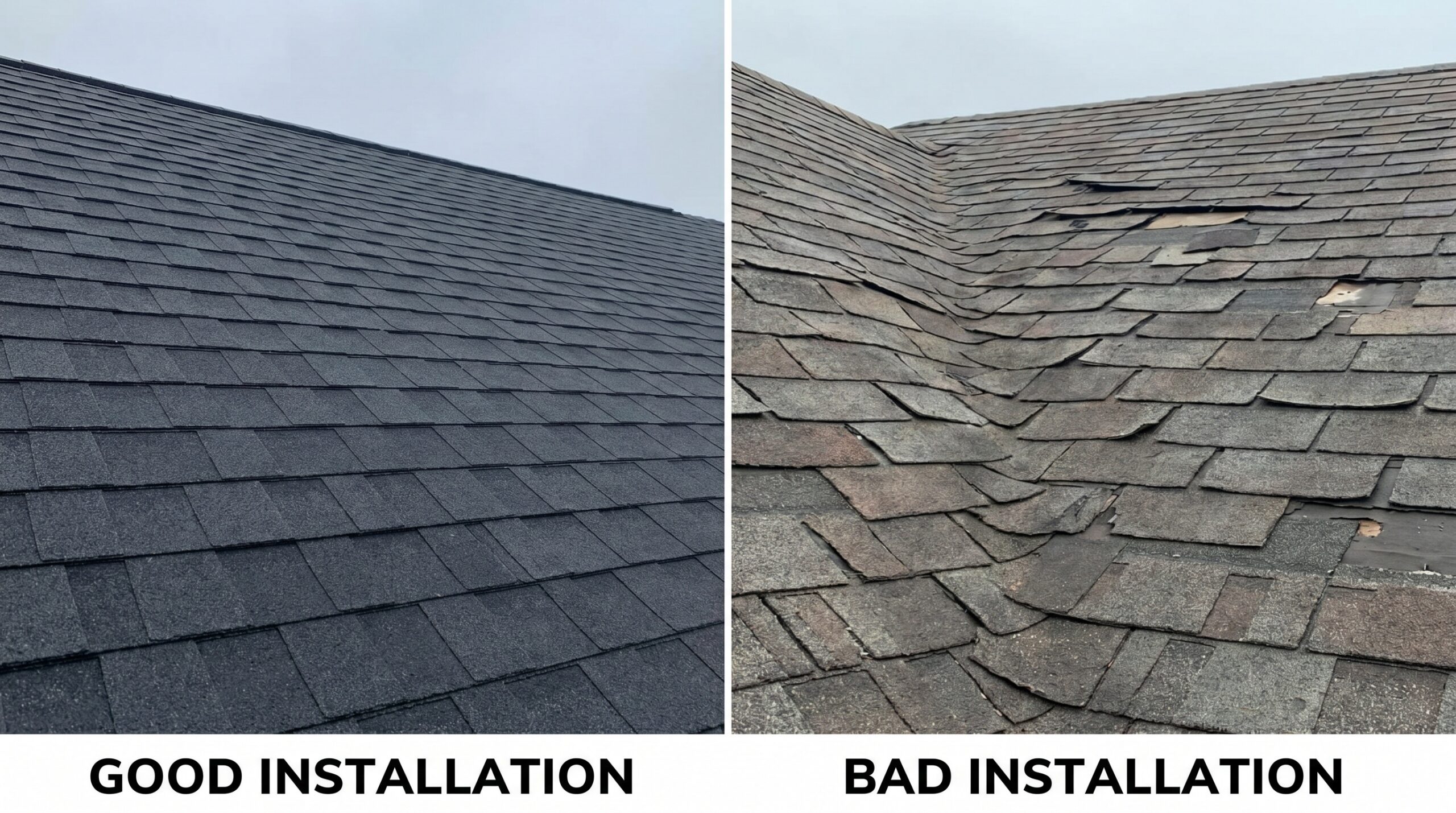
Uneven or wavy rooflines are immediate red flags. A properly installed roof should have straight, uniform lines across all shingle courses. While new roofs need a few weeks to settle in the sun, persistent waviness or bumpy appearance after several months indicates improper nailing or poor workmanship. According to billraganroofing.com, this unevenness often results from improperly driven nails or cut corners during installation.
Mismatched or damaged shingles signal either poor material handling or corner-cutting. Look for inconsistent colors, cracked shingles, or obvious patches where different materials were used. Quality installations use uniform materials throughout the project—especially important in Northeast Ohio where consistent protection against snow, ice, and wind is crucial.
Exposed or rusting nail heads should never be visible on a finished roof. Proper installation requires nails to be covered by the overlapping shingle above. Exposed nails create entry points for water and indicate the installer didn’t follow manufacturer guidelines—a particular concern in Cleveland’s wet climate.
Missing or improperly installed drip edge is a common cost-cutting measure. This L-shaped metal strip should be visible along your roof’s edges, directing water away from the fascia boards. As noted by coloradoproroofing.com, many contractors skip this component to save on materials and labor, leaving your home vulnerable to water damage—especially problematic during Northeast Ohio’s heavy spring rains and winter ice dam conditions.
Hidden Structural Problems That Indicate Poor Work
Some installation defects aren’t immediately visible but can cause serious long-term damage to your home’s structure and safety, particularly given Northeast Ohio’s challenging weather patterns.
Poor or missing underlayment creates a critical vulnerability. This waterproof barrier sits beneath your shingles as the last line of defense against water intrusion. Contractors sometimes use thin, low-quality felt paper instead of modern synthetic materials to cut costs. If water ever gets past your shingles during Cleveland’s intense storms, inadequate underlayment means immediate interior damage.
Compromised roof decking represents one of the most serious installation failures. Building codes require new roofing materials to be installed over solid, structurally sound decking. When contractors skip replacing rotten or damaged wooden boards, they’re violating code requirements and voiding manufacturer warranties. This can lead to sagging, structural failure, and dangerous conditions—especially when supporting heavy snow loads common in Northeast Ohio winters.
Critical Warning: According to shieldlineroofing.com, improper installation of Secondary Water Barriers can void warranties and leave your entire home vulnerable to water damage during storms—a serious concern for Cleveland-area homeowners facing frequent severe weather.
Inadequate attic ventilation shows up in multiple ways. Poor airflow causes shingles to crack, curl, or delaminate prematurely due to trapped heat. You might notice condensation in your attic, swollen wooden decking, or unusually high energy bills. Proper ventilation is essential for your roof’s longevity and your home’s energy efficiency, particularly important in Northeast Ohio’s humid summers and cold winters.
What Multiple Leaks and Water Damage Really Mean
Water intrusion after a roof installation tells you everything about the quality of work performed on your home.
Multiple leaks after the first rain indicate serious installation mistakes rather than minor oversights. While a single small leak might result from one improperly driven nail, widespread water intrusion suggests systemic problems with flashing, underlayment, or basic installation techniques. This is especially concerning for Northeast Ohio homeowners who face frequent precipitation throughout the year.
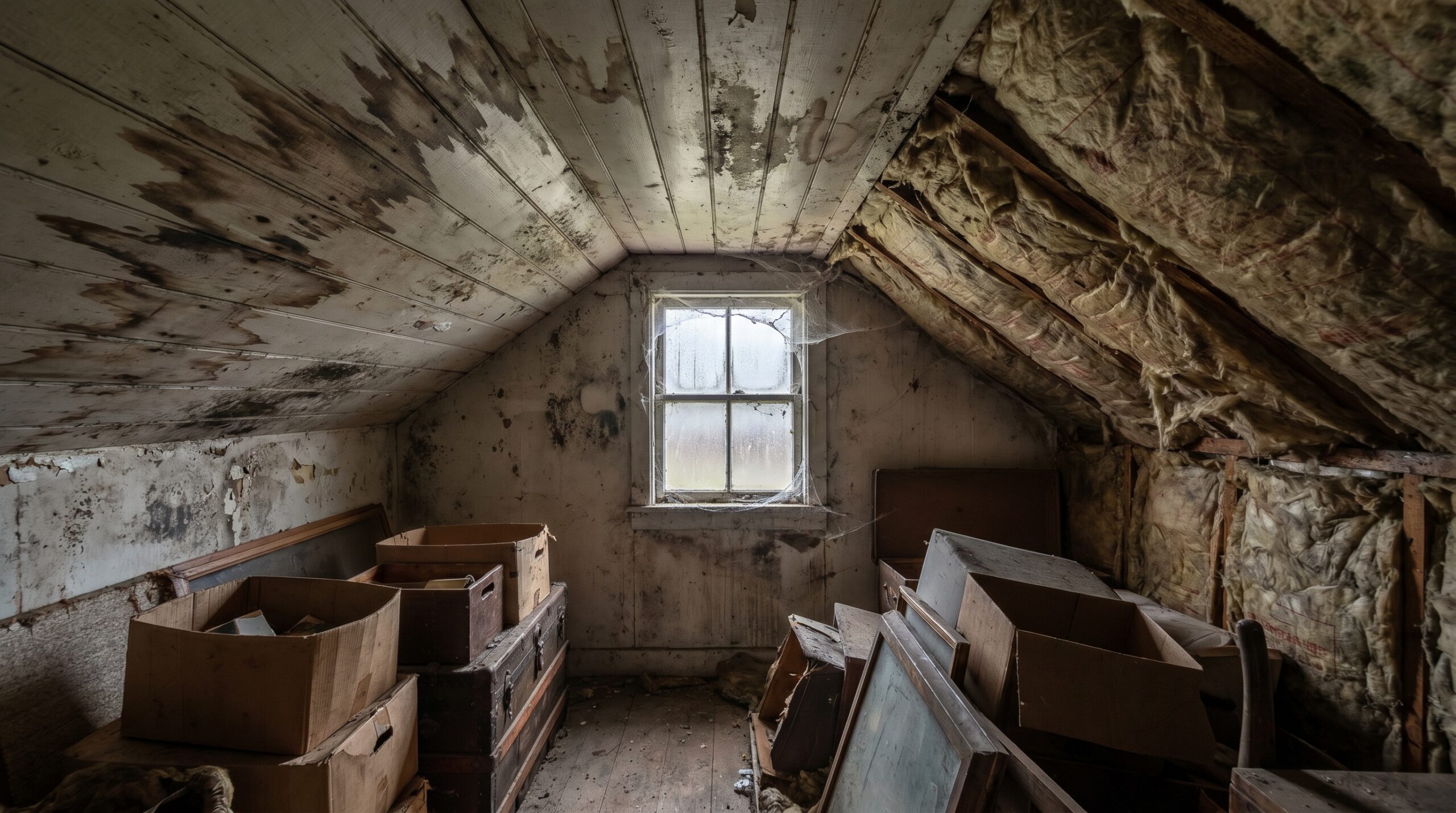
Stains and water damage in your attic or on ceilings point to immediate threats to your home’s structure. Even minor moisture intrusion can quickly lead to mold growth, wood rot, and compromised structural integrity. In Northeast Ohio’s humid climate, these problems accelerate rapidly and pose health risks to your family.
Reused or improperly installed flashing around chimneys, vents, and roof valleys creates the most common leak points. Quality contractors always install new flashing and integrate it properly with surrounding materials. Excessive use of roofing cement or tar as a “fix-all” solution indicates lazy workmanship that will fail over time—particularly problematic when facing Cleveland’s freeze-thaw cycles that can quickly worsen poor repairs.
| Good Installation | Bad Installation |
|---|---|
| Straight, uniform shingle lines | Wavy, uneven appearance |
| Hidden, properly driven nails | Exposed or rusting nail heads |
| New, properly sealed flashing | Reused or tar-covered flashing |
| Solid, replaced decking | Soft spots or sagging areas |
Steps to Take When You Discover Installation Problems
Finding problems with your new roof can be frustrating, but taking the right steps protects your investment and ensures proper repairs.
Document everything immediately with dated photos showing specific defects, their locations, and any water damage. This documentation becomes crucial if you need to pursue warranty claims or legal action later.
Contact your contractor in writing with a clear description of problems and a reasonable deadline for response. Reputable Northeast Ohio roofing companies will schedule an inspection and address legitimate installation defects covered by their workmanship warranty.
Pro Tip: If your contractor becomes unresponsive or refuses to address clear installation defects, consider hiring a third-party inspector to document problems for insurance or legal purposes. Many Cleveland-area homeowners have found this approach helpful when dealing with uncooperative contractors.
Review your contract and warranties to understand what’s covered and for how long. Most quality contractors provide workmanship warranties separate from manufacturer material warranties. Understanding these protections helps you know what repairs should be covered at no cost.
Consider professional inspection if your contractor disputes obvious problems or if you suspect hidden defects. An unbiased third-party assessment provides technical documentation that’s valuable for insurance claims or legal proceedings. This is particularly important for Northeast Ohio homeowners dealing with storm damage and insurance restoration claims.
The key to avoiding bad roofing jobs starts with choosing the right contractor from the beginning. Research local Northeast Ohio companies thoroughly, verify licenses and insurance, and always get detailed written estimates that specify materials and installation methods. Remember that the lowest bid often reflects shortcuts that will cost you more in the long run—especially important when protecting your home against Cleveland’s challenging weather conditions.
When installation problems arise, acting quickly protects both your home and your legal rights. Quality contractors stand behind their work and address legitimate concerns promptly, while problematic companies often become unresponsive when issues surface. For Northeast Ohio homeowners, working with local, family-owned roofing companies that specialize in insurance restoration can provide additional peace of mind and expertise in handling both installation quality and potential insurance claims.