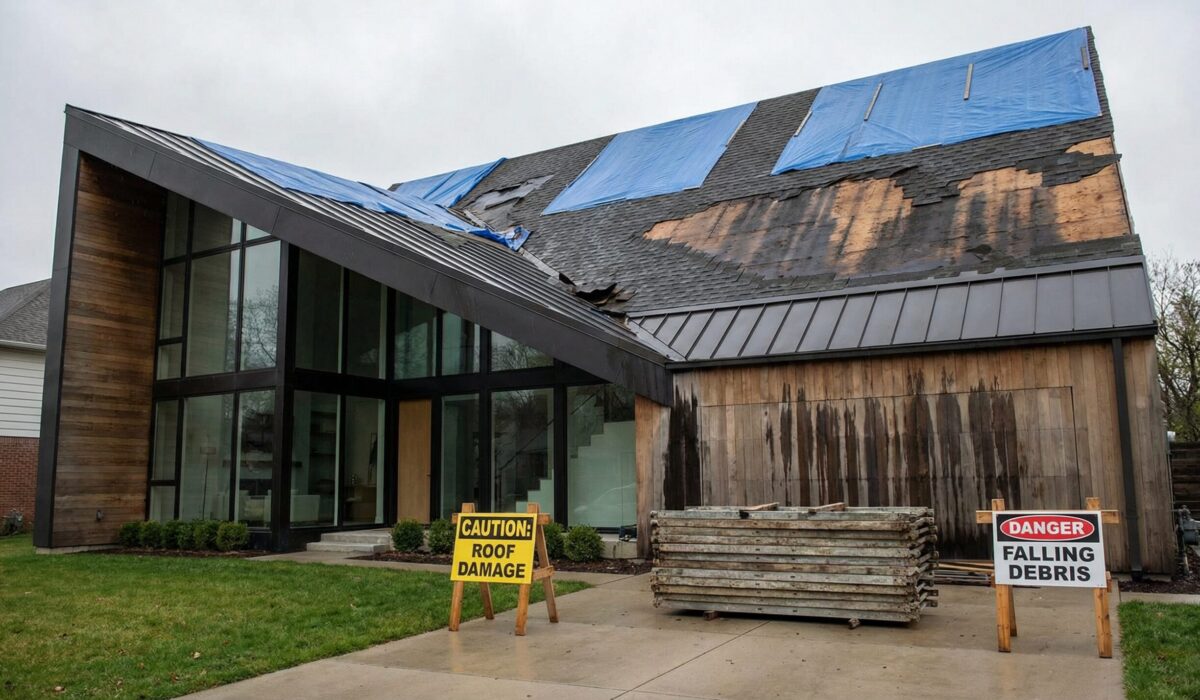
Your roof quietly protects your home through every season, but like any major home component, it won’t last forever. Recognizing when your roof needs replacement can save you thousands in water damage and help you plan for this important investment.
Most homeowners wait too long to address roof problems, often because they don’t know what warning signs to look for. The truth is, your roof gives you plenty of clues when it’s approaching the end of its useful life. These signs vary depending on your roofing material, but catching them early helps you make proactive decisions rather than emergency repairs.
Quick Answer: The most common signs include missing or damaged shingles, granule loss in gutters, water stains on ceilings, and roofs approaching 20-25 years old. Different materials show different warning signs, so knowing your roof type helps you spot problems early.
Whether you have asphalt shingles, metal roofing, or tile, this guide will help you identify the specific warning signs for your roof type and understand when repair isn’t enough anymore.
Signs your asphalt shingle roof needs replacement
Asphalt shingles cover about 80% of American homes, making them the most common roofing material. These shingles typically last 20-30 years, but several warning signs can indicate they’re reaching the end of their lifespan.
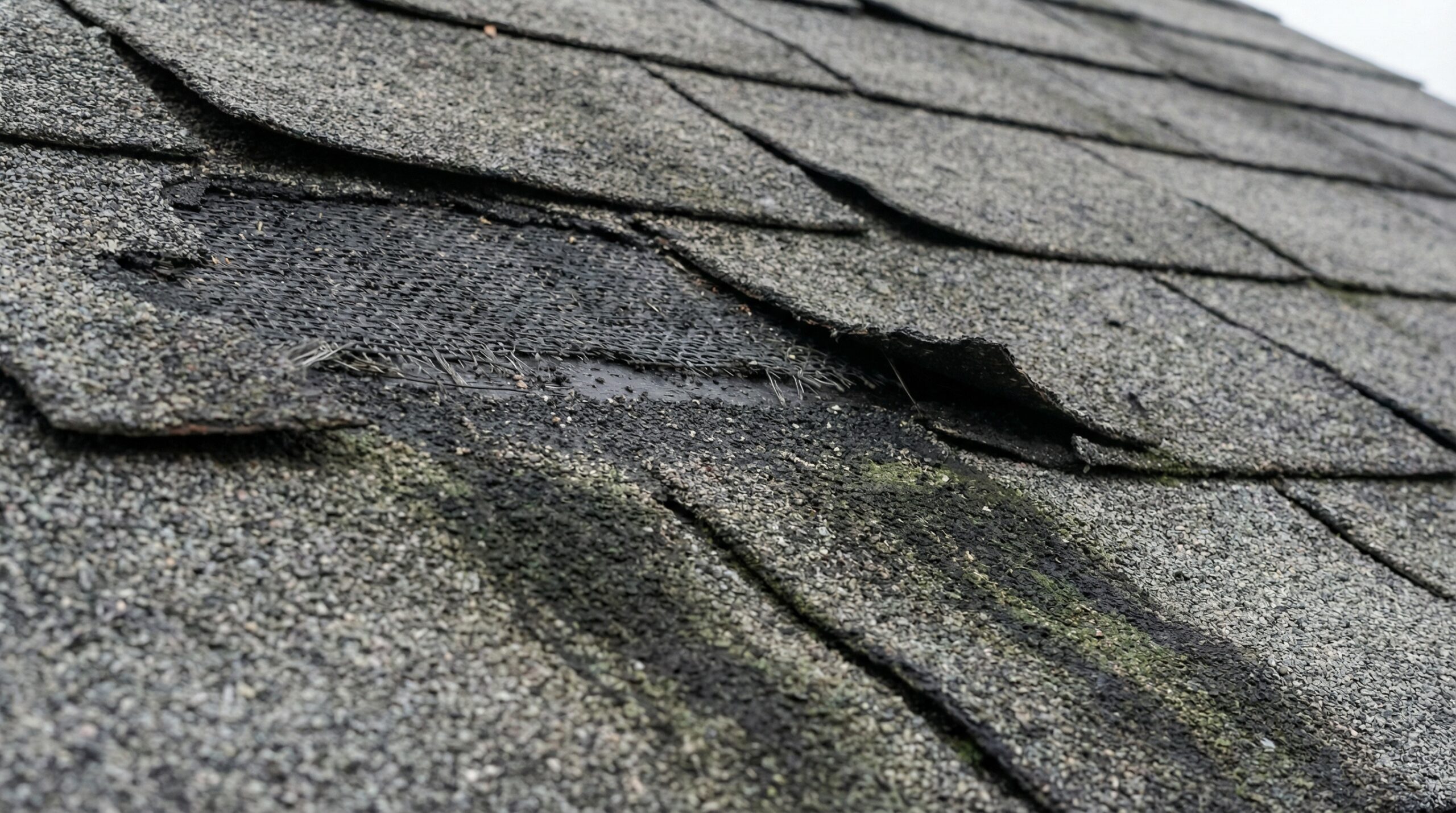
Missing, cracked, or curled shingles are often the first visible signs of trouble. When shingles start curling at the edges or developing cracks, they’re losing their ability to shed water effectively. Missing shingles create immediate vulnerabilities where water can penetrate your roof deck.
Granule loss appears as bald spots on your shingles or excessive granules collecting in your gutters. These granules protect your shingles from UV damage, so their loss accelerates deterioration. If you notice sand-like material washing out of your downspouts after rain, your shingles are likely wearing out.
Dark streaks or algae growth might seem purely cosmetic, but they indicate moisture retention that can damage shingles over time. While cleaning can temporarily improve appearance, widespread algae growth often signals that your shingles are becoming porous and holding moisture.
Warning signs for metal roof replacement
Metal roofs are incredibly durable, often lasting 40-70 years, but they’re not immune to problems. The signs of metal roof failure look different from asphalt shingle issues.
Rust or corrosion represents the biggest threat to metal roofing. While modern metal roofs have excellent rust resistance, older installations or lower-quality materials can develop rust spots that eventually eat through the metal. Once rust penetrates the surface, it spreads quickly and compromises the entire panel.
Loose or missing panels create immediate water infiltration risks. High winds can lift improperly secured panels, and once one panel becomes loose, others often follow. You might notice panels that appear to be lifting or gaps where panels should meet.
Damaged fasteners are equally problematic. The screws holding metal panels down can loosen over time, especially if they weren’t installed correctly initially. Loose fasteners allow panels to move in the wind and create entry points for water.
Important Note: Large dents from hail or falling debris don’t just affect appearance. They can hold water, leading to corrosion, and weaken the panel structure, making future damage more likely.
Tile roof replacement indicators
Clay and concrete tiles can last 50-100 years when properly maintained, but several issues can force earlier replacement. Tile roofs require different maintenance approaches than other materials.
Cracked or broken tiles allow water to seep through to the underlayment below. Even small cracks can expand during freeze-thaw cycles, and broken tiles create immediate leak risks. Walking on tile roofs can actually cause damage, so professional inspection is essential.
Missing tiles create obvious vulnerabilities. Unlike shingles that overlap extensively, each tile plays a specific role in the water-shedding system. A single missing tile can allow significant water infiltration during heavy rains.
Deteriorating mortar around roof edges, peaks, and wall connections can cause tiles to become loose. This cement-like material holds tiles in place, and when it cracks or crumbles, tiles can shift or fall off entirely.
Sometimes tiles look fine from the ground, but water stains inside your home indicate that the underlayment has failed. This waterproof barrier beneath the tiles can deteriorate even when tiles remain intact, requiring complete roof replacement to access and repair.
When age and damage require immediate action
Regardless of your roof material, certain situations demand immediate attention. Understanding these universal warning signs helps you prioritize safety and prevent extensive damage.
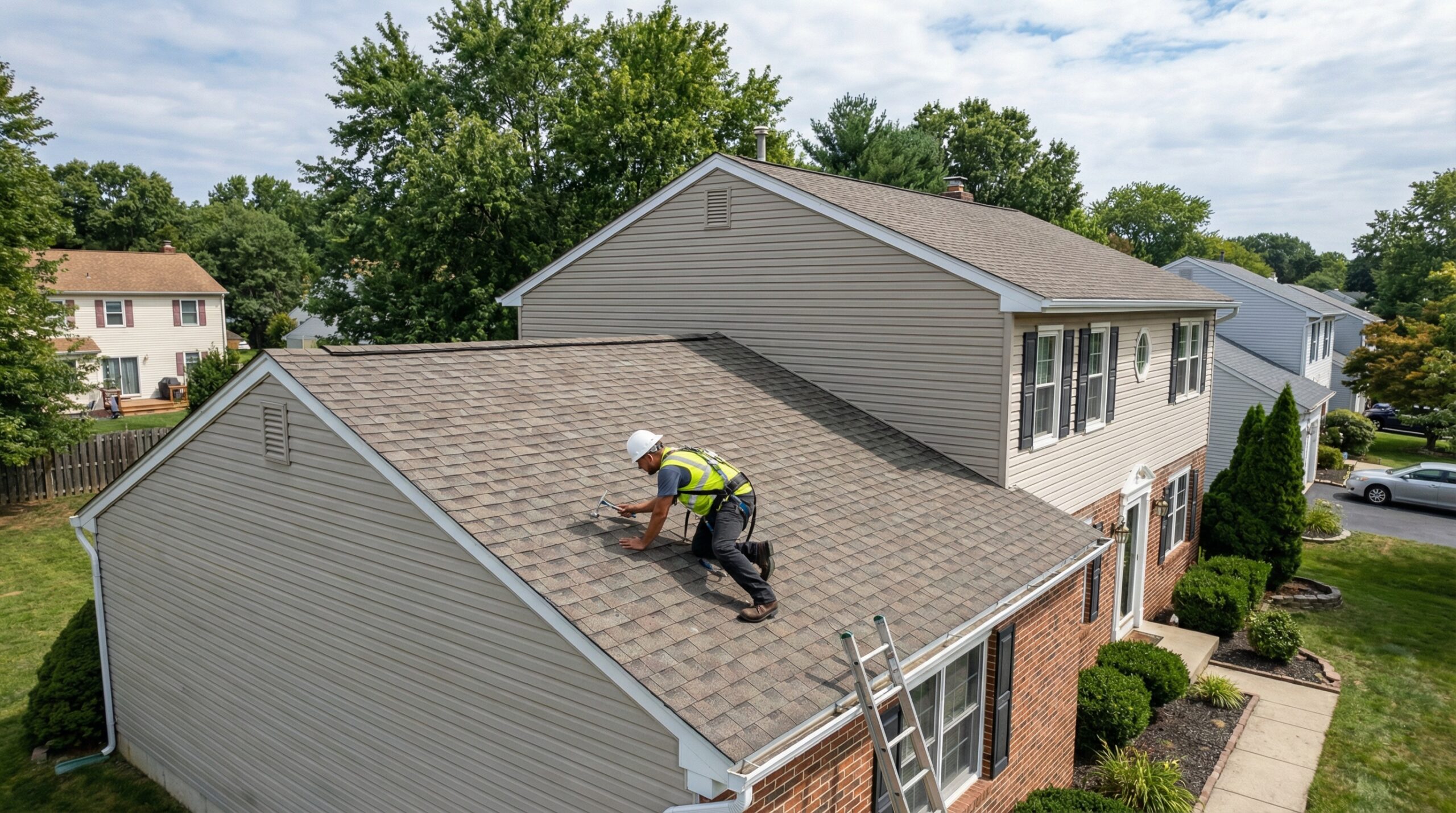
Roof age remains the most reliable predictor of replacement needs. Asphalt shingles approaching 20-25 years, metal roofs over 50 years, and tile roofs showing multiple problems after 60+ years typically need replacement rather than repair. Understanding the best time to replace your roof for longevity can help you plan this major investment strategically.
Interior water damage signals that your roof’s protective barrier has already failed. Water stains on ceilings, musty odors in upper floors, or visible mold growth indicate ongoing moisture problems that will only worsen without roof replacement.
Structural issues like sagging roof lines or damaged rafters often result from long-term water infiltration. These problems require immediate professional attention and typically indicate that roof replacement is just part of a larger repair project. Learning how to spot poor roof installation can help you avoid these costly structural problems in the future.
Safety First: Multiple warning signs appearing simultaneously usually indicate that your roof has reached the end of its useful life. At this point, repairs become a temporary fix that delays the inevitable while potentially allowing more damage to occur.
| Roof Material | Average Lifespan | Key Warning Signs | Replacement Timeline |
|---|---|---|---|
| Asphalt Shingles | 20-30 years | Granule loss, curling, missing pieces | Plan replacement at 20+ years |
| Metal | 40-70 years | Rust, loose panels, damaged fasteners | Inspect every 5 years after 40 years |
| Tile (Clay/Concrete) | 50-100 years | Cracked tiles, failed mortar, underlayment issues | Professional inspection every 10 years |
The good news about needing a new roof is that modern installation practices and financing options make the process much more manageable than in the past. Most reputable roofing companies offer free inspections, detailed estimates, and financing plans that spread costs over time. If you’re concerned about the financial aspect, you may want to explore how to get insurance to pay for roof replacement costs. Quality installations also come with both manufacturer warranties on materials and workmanship guarantees from installers.
Understanding how long roof replacement takes can help you better prepare for the project and minimize disruption to your daily life. Additionally, if you’re wondering about the financial benefits, research shows that a new roof can significantly increase home value, making it a worthwhile investment beyond just protection.
Recognizing these warning signs early gives you time to plan and budget for roof replacement rather than facing an emergency situation. When you spot multiple indicators, especially on an aging roof, consulting with local roofing professionals helps you understand your options and timeline for replacement.