

Your roof protects everything you value most, but when problems arise, you face a critical decision. Should you grab your tools and tackle the repair yourself, or call in professional roofers? This choice affects not just your wallet, but your safety and your home’s long-term protection.
The answer depends on the complexity of the work, your skill level, and the risks involved. Simple maintenance tasks like cleaning gutters can often be handled safely by homeowners, while major repairs like fixing structural damage require professional expertise. Understanding where to draw this line can save you thousands in potential damage and keep your family safe.
Key insight: Falls from ladders and roofs are one of the most common causes of homeowner injuries, making safety the primary consideration in any roofing decision.
When DIY roofing makes sense
Some roofing tasks are well within reach of handy homeowners who prioritize safety. These projects typically involve minimal height work and don’t require specialized tools or expertise.
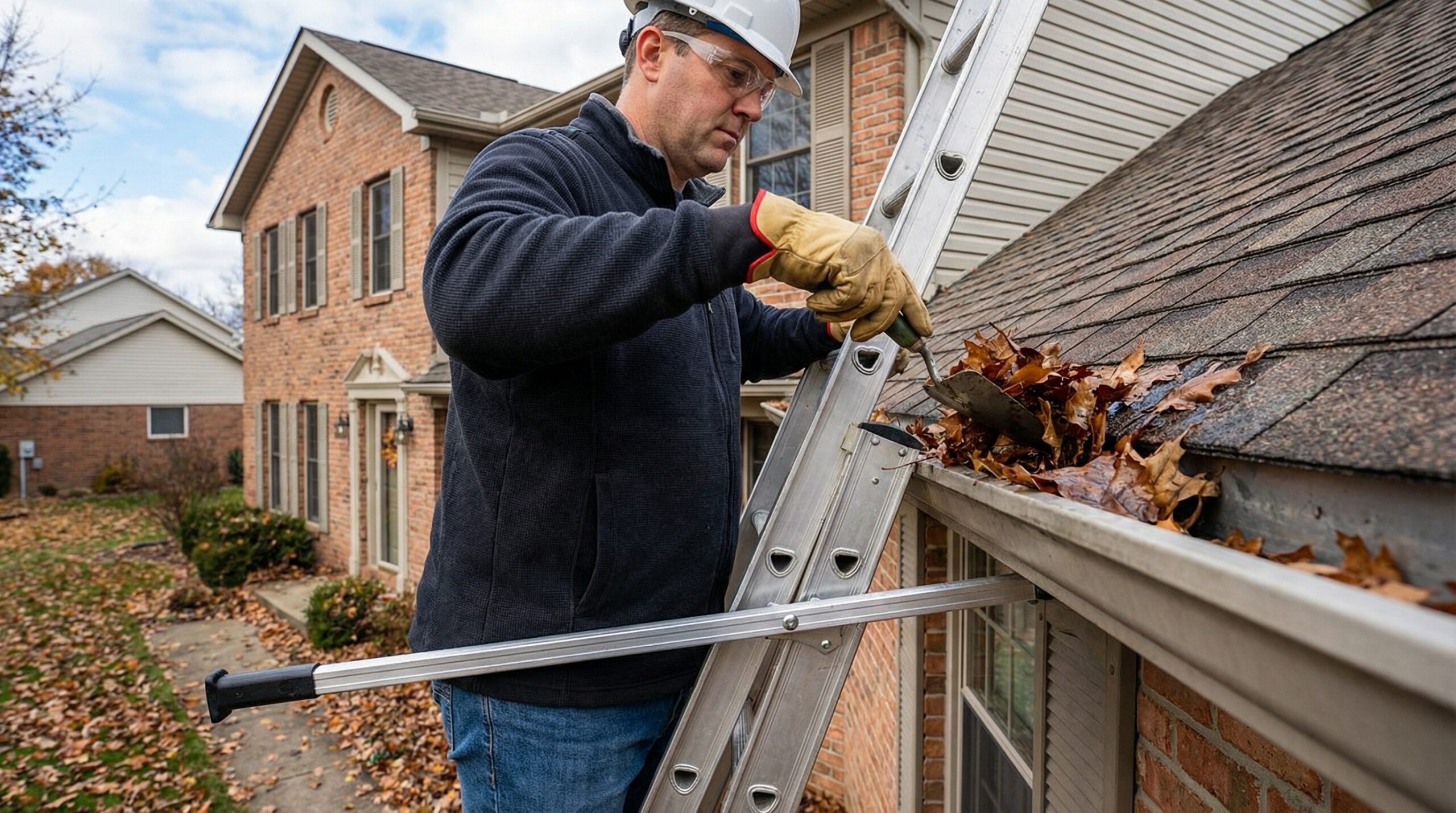
Gutter cleaning and maintenance tops the list of manageable DIY tasks. Clogged gutters cause water damage and ice dams, but cleaning them twice yearly prevents these costly problems. You can safely clean most gutters from a stable ladder or even from the ground with the right tools.
Debris removal is another straightforward task. Leaves, branches, and moss accumulate naturally on roofs, especially during Northeast Ohio’s fall season. You can often remove this debris safely using a roof rake from ground level or a stable ladder for closer access.
Basic inspections help catch problems early without putting you at risk. Walk around your home twice yearly, looking for obvious damage like missing shingles, sagging areas, or water stains on interior ceilings. Use binoculars to get a closer look without climbing up. For a more thorough evaluation, consider following a comprehensive roof inspection guide for homeowners to ensure you don’t miss critical warning signs.
Single shingle replacement might be possible if you’re comfortable with ladder work and the damage is minimal. However, this requires proper safety equipment and understanding of how shingles interlock. Even this seemingly simple task can become complex quickly, especially when you need to understand roofing measurements to order the correct materials.
Safety reminder: Even these “simple” tasks require proper ladder safety. Never work alone, ensure your ladder is stable, and avoid working during wet or windy conditions.
When to call professional roofers
Certain roofing situations demand professional expertise, regardless of your DIY skills. These scenarios involve safety risks, specialized knowledge, or potential for expensive mistakes.
Major leaks signal underlying problems that extend beyond what you can see. Water seeping into your home often indicates structural damage, failed flashing, or multiple compromised areas. Professional roofers have the experience to identify the true source and implement lasting solutions.
Multiple damaged shingles suggest broader issues with your roofing system. While you might replace one or two shingles, extensive damage often requires systematic repair or replacement. Professionals can assess whether the underlying deck, underlayment, or ventilation systems need attention. If you’re wondering when to replace your roof, a professional inspection can provide clarity.
Structural concerns like sagging rooflines demand immediate professional attention. These issues may indicate rot, weakened supports, or inadequate structural design. Attempting repairs without proper assessment could worsen the damage or create safety hazards.
Flashing repairs around chimneys, vents, and skylights require precision and specialized materials. These areas are common leak sources, and improper repairs often lead to recurring problems. Professional roofers understand how different materials expand and contract, ensuring watertight seals.
According to local roofing experts, flashing failures are among the most common repair needs, often requiring specialized knowledge to address properly.
Cost considerations and long-term value
The financial aspect of DIY versus professional roofing involves more than just upfront costs. While DIY projects save on labor, mistakes can create expensive problems that far exceed professional service costs.
DIY costs include materials, tools, safety equipment, and your time. A simple gutter cleaning might cost $50 in supplies, while professional service runs $150-300. However, factor in ladder rental, safety gear, and the value of your weekend time.
Professional costs reflect expertise, insurance, proper equipment, and warranties. A professional roof inspection costs $200-400 but can identify problems before they become emergencies. Major repairs by professionals include guarantees that DIY work cannot match.
Hidden expenses often emerge from DIY mistakes. Improper flashing installation might seem successful initially but lead to water damage worth thousands. Poor shingle installation can void manufacturer warranties, leaving you responsible for premature replacement costs.
| Repair Type | DIY Cost Range | Professional Cost | Risk Level |
|---|---|---|---|
| Gutter cleaning | $50-100 | $150-300 | Low |
| Single shingle | $20-50 | $200-400 | Medium |
| Flashing repair | $100-200 | $400-800 | High |
| Major leak | N/A | $800-2500 | Very High |
Long-term value favors professional work for complex repairs. Professionals use higher-grade materials, provide warranties, and ensure code compliance. Their work typically lasts longer and maintains your home’s value better than amateur repairs.
Making the right choice for your situation
Your decision should balance several factors beyond just cost. Consider your skill level honestly, evaluate the specific problem, and think about long-term consequences.
Assess your abilities realistically. Being handy with indoor projects doesn’t automatically translate to roofing skills. Roof work requires comfort with heights, understanding of how roofing systems work together, and ability to work safely in challenging conditions.
Evaluate the problem scope carefully. What appears to be a simple fix often reveals underlying issues once you start working. Professional roofers can assess the full situation before beginning work, while DIY efforts might uncover problems you’re not equipped to handle. When hiring a professional, make sure to ask the right questions to your roofing contractor to ensure you’re working with a qualified expert.
Consider timing and weather in your decision. Northeast Ohio’s weather off Lake Erie can change quickly, and temporary repairs might not hold during storms. Professional roofers can often complete work faster and more reliably, reducing your home’s exposure to weather damage. It’s also important to know what temperature is too cold to install a roof, as Ohio winters can make timing critical.
Factor in insurance implications before deciding. Some insurance policies require professional installation for coverage, and DIY work might void existing warranties. Check your policy details before starting any significant roofing project. Understanding how Ohio building codes impact roof repairs is also essential for compliance and insurance purposes.
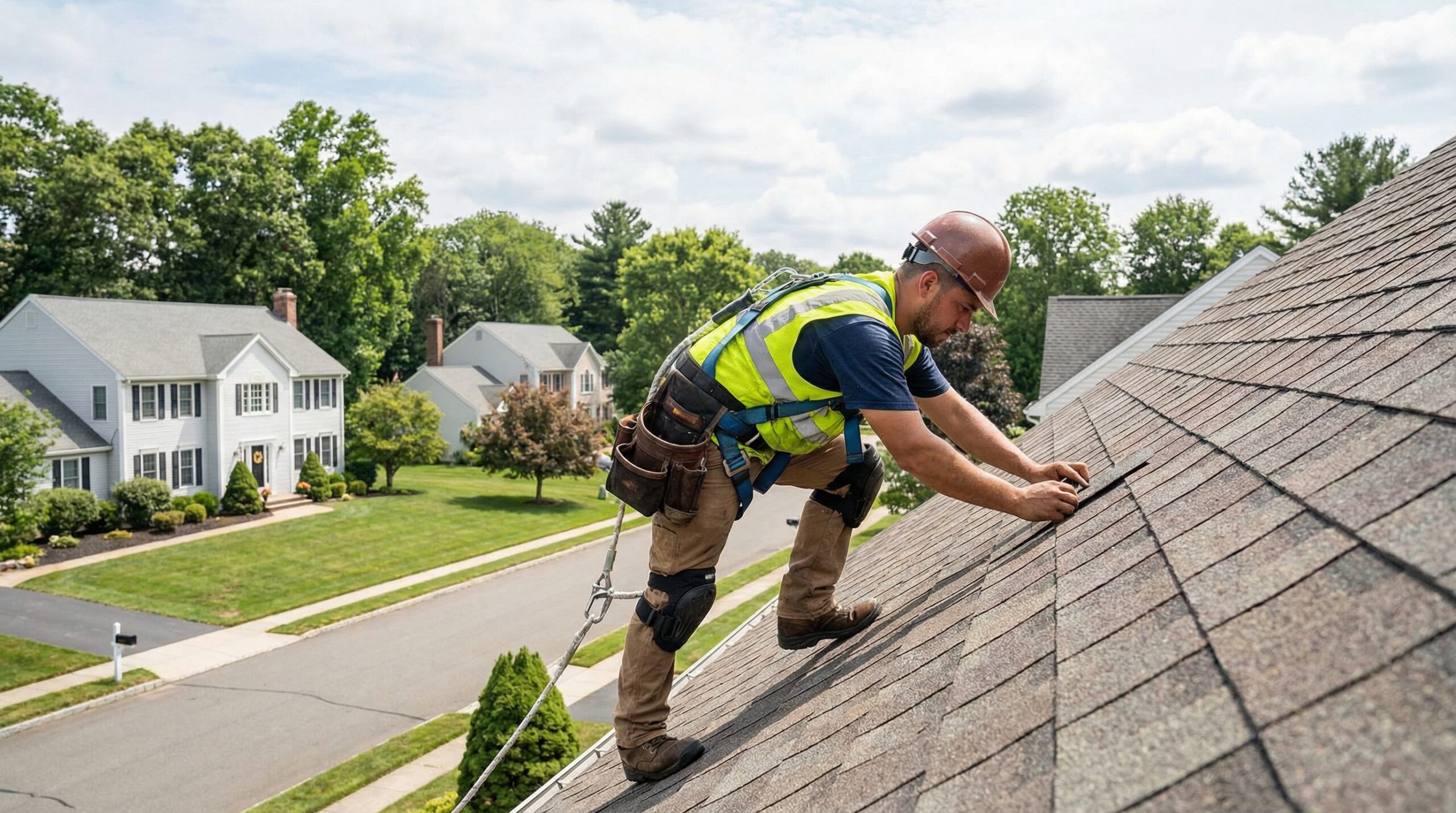
Professional advantage: Licensed roofers carry insurance, understand local building codes, and can obtain necessary permits. These factors provide protection and peace of mind that DIY work cannot match.
The smart approach for most Rocky River homeowners involves handling basic maintenance yourself while relying on professionals for repairs and major work. This strategy maximizes your investment while keeping your family safe and your home properly protected. When in doubt, a professional consultation costs far less than fixing mistakes later.
Remember that your roof is your home’s primary defense against Northeast Ohio’s varied weather. Making the right choice between DIY and professional work ensures this critical system continues protecting what matters most to you.