

As we move through the final weeks of winter in Rocky River, roof repair becomes a critical concern for homeowners across Northeast Ohio. While we might be used to the cold, the brutal combination of severe freeze-thaw cycles, heavy lake-effect snow, and driving winds off Lake Erie can cause significant damage to even well-maintained roofs.
Quick Answer: The most common roof problems in Rocky River include shingle damage from extreme temperature fluctuations, flashing failures around chimneys and skylights, ice dam-related gutter issues, and storm damage from high winds. Early detection and professional repair can prevent costly water damage and maintain your home’s value.
Understanding Northeast Ohio’s unique climate challenges helps homeowners make informed decisions about roof maintenance and repair. The key is addressing issues before spring thaw arrives, when heavy rainfall and melting snow can turn minor problems into major headaches.
Why roof repairs matter in Northeast Ohio’s climate
Rocky River’s variable weather patterns create specific challenges for roofing systems. Temperature swings between freezing winter lows and sudden warm spells cause materials to expand and contract, leading to premature wear. Our heavy snow loads and storm-prone springs make even small roof vulnerabilities problematic.
Protecting your investment goes beyond just fixing visible damage. Water infiltration from compromised roofing can lead to mold growth, insulation degradation, and structural issues that cost thousands more than timely repairs. In highly desirable areas like Westlake and Bay Village, where home values remain strong, maintaining your roof’s integrity directly impacts resale potential.
Energy efficiency also plays a crucial role. Damaged roofing allows conditioned air to escape, forcing your HVAC system to work harder during Ohio’s freezing winters and humid summers. This translates to higher utility bills and reduced comfort throughout your home.
Common roof problems in Rocky River homes
Based on extensive experience across Cuyahoga County, certain roofing issues appear consistently in our local market. Understanding these patterns helps homeowners identify problems early and make informed repair decisions.
Shingle deterioration tops the list of common issues. Asphalt shingles, while popular and cost-effective, struggle with Ohio’s severe temperature variations. Sudden cold snaps cause shingles to become brittle and crack, while high winds lead to lifting and granule loss. Older neighborhoods like Lakewood often see accelerated shingle aging due to mature tree coverage and varying sun exposure. Learning how to clean roof shingles for lasting protection can help extend their lifespan.
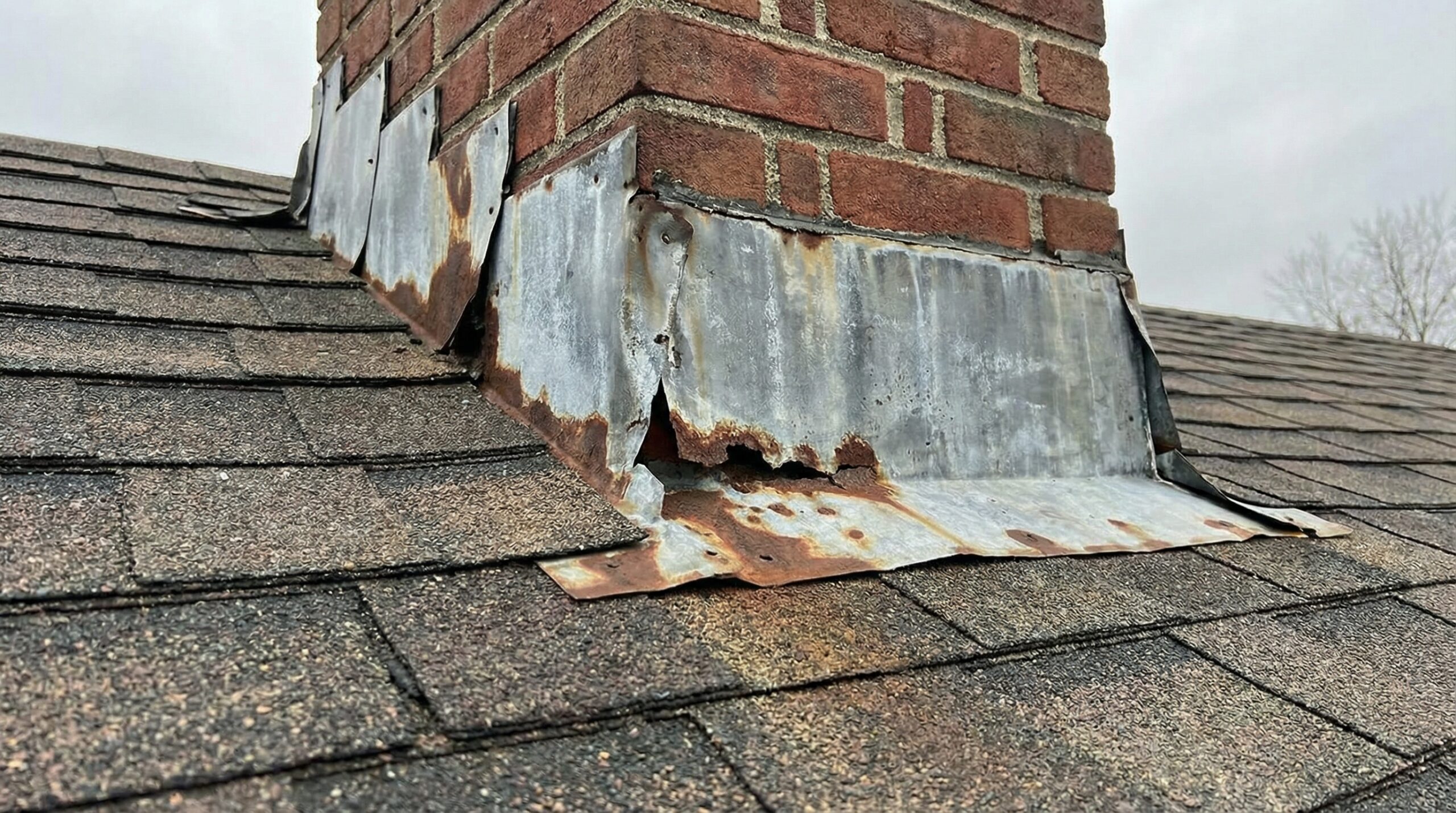
Flashing failures around chimneys, skylights, and roof valleys create entry points for water infiltration. Many historic or older homes have flashing systems that weren’t designed for today’s weather extremes. When flashing deteriorates or shifts due to ice expansion, water finds its way beneath the roof structure, causing interior damage that’s often invisible until significant problems develop. Proper chimney roof integration maintenance is essential to prevent these issues.
Important Note: Northeast Ohio’s heavy lake-effect snows frequently lead to ice dams along the eaves of older homes, causing water to back up under the shingles and rot the roof deck—damage that may not be immediately visible from ground level.
Gutter-related problems compound roofing issues during our spring thaws. Clogged or ice-filled gutters redirect water back onto roof edges, leading to fascia rot and soffit deterioration. This creates a cycle where roofing problems worsen gutter function, which then accelerates roof damage. Understanding common types of roof damage and repair solutions helps homeowners recognize these interconnected issues.
Best roofing materials for Ohio’s climate
Selecting appropriate materials significantly impacts long-term performance and repair frequency. Northeast Ohio’s climate demands materials that handle severe freeze-thaw cycles, heavy snow loads, and periodic high winds.
| Material | Durability | Wind/Snow Resistance | Energy Efficiency | Best For |
|---|---|---|---|---|
| Asphalt Shingles | 15-25 years | Good | Moderate | Budget-conscious, most neighborhoods |
| Metal Roofing | 40-70 years | Excellent | High | Long-term investment, shedding snow |
| Composite | 30-50 years | Very Good | Good | Historic homes, aesthetic preferences |
Architectural asphalt shingles remain the most popular choice for Rocky River homeowners, offering good performance at reasonable cost. These thicker shingles provide better wind resistance than basic three-tab options and work well in established suburban neighborhoods where families are upgrading their forever homes.
Metal roofing excels in areas prone to severe winter weather or for homeowners prioritizing longevity. Its smooth surface allows heavy lake-effect snow to slide off rather than accumulating, while superior wind resistance protects against Lake Erie gales. For proper upkeep, check out our guide on how to clean a metal roof step-by-step.
Composite and synthetic materials serve homeowners in historic districts like Fairview Park or Lakewood who want modern performance with traditional aesthetics. These engineered products resist moisture, freeze-thaw damage, and wind better than natural materials while maintaining the appearance of slate or wood shake. For older properties, specialized historic home roof restoration techniques may be necessary.
Repair vs replacement decision factors
Determining whether to repair or replace requires evaluating multiple factors specific to your situation and the Northeast Ohio market conditions. Age serves as the primary indicator, with asphalt shingle roofs typically requiring replacement after 15-20 years in our harsh climate.
Damage extent guides the decision process. Localized issues like a few missing shingles from a windstorm or small flashing repairs make economic sense to fix. However, widespread problems affecting multiple roof areas often indicate systemic issues that make replacement more cost-effective long-term. If you’re wondering about partial solutions, explore whether you can repair just part of a roof.
Cost Consideration: In Northeast Ohio’s competitive real estate market, a new roof can add significant value to your home, especially if you’re planning to sell within the next few years.
Future plans also influence the decision. Homeowners staying long-term benefit from investing in quality replacement materials, while those planning to sell soon might opt for strategic repairs that address immediate concerns without over-improving for the neighborhood. For guidance on aging roofs, read about whether it’s worth repairing an old roof.
Professional assessment helps clarify the best path forward. Experienced contractors can identify underlying issues that aren’t immediately obvious and provide cost comparisons between repair and replacement options.
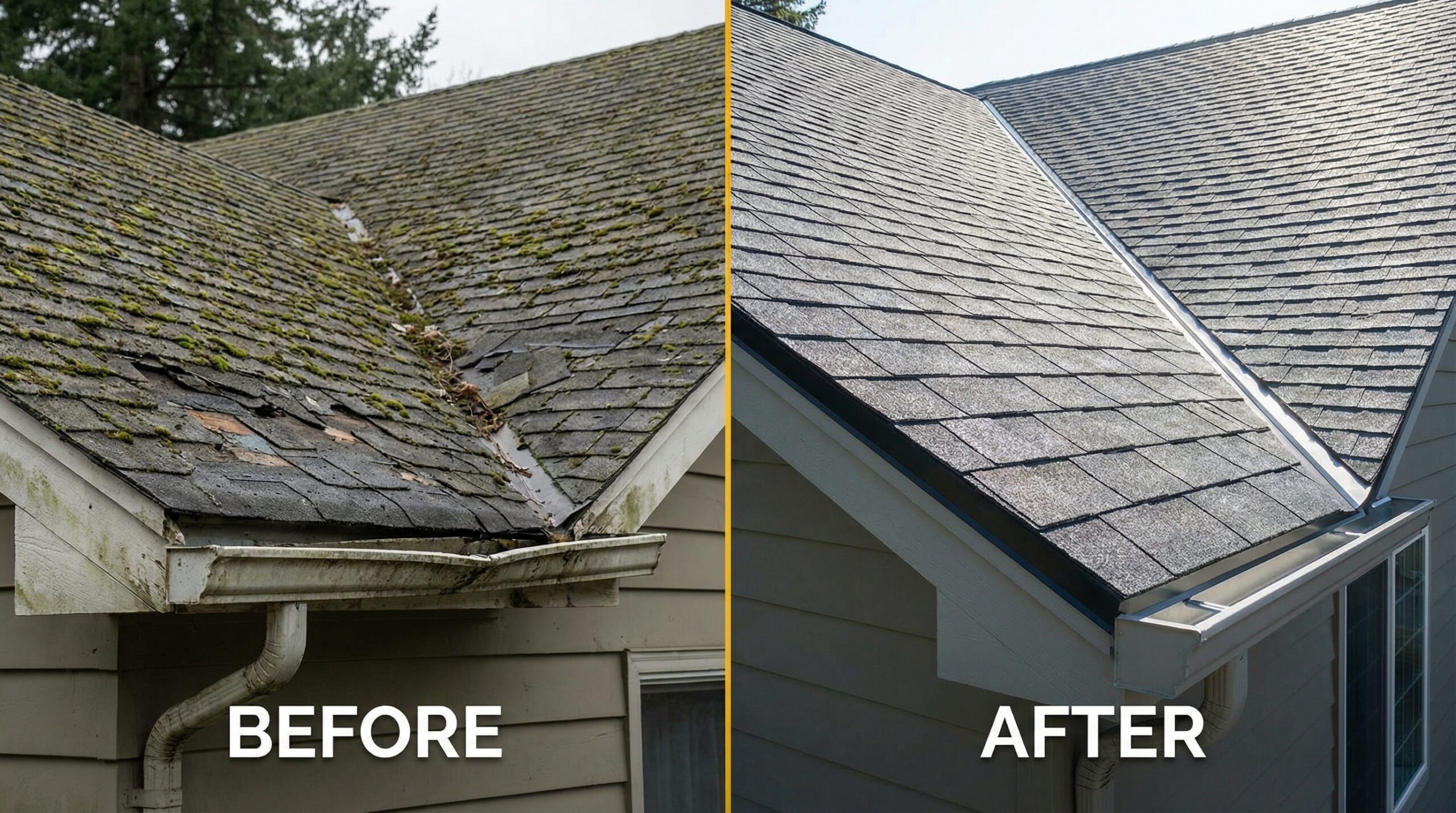
Understanding these factors helps Rocky River homeowners make informed decisions that protect their investment while managing costs effectively. Whether you choose repair or replacement, addressing roofing issues promptly prevents more expensive problems down the road and maintains your home’s value in our competitive market.
The key to successful roof maintenance in Northeast Ohio lies in regular inspection, prompt attention to problems, and working with experienced local professionals who understand our unique climate challenges. By staying proactive about roof care, you can ensure your home remains protected through whatever weather comes off the lake.