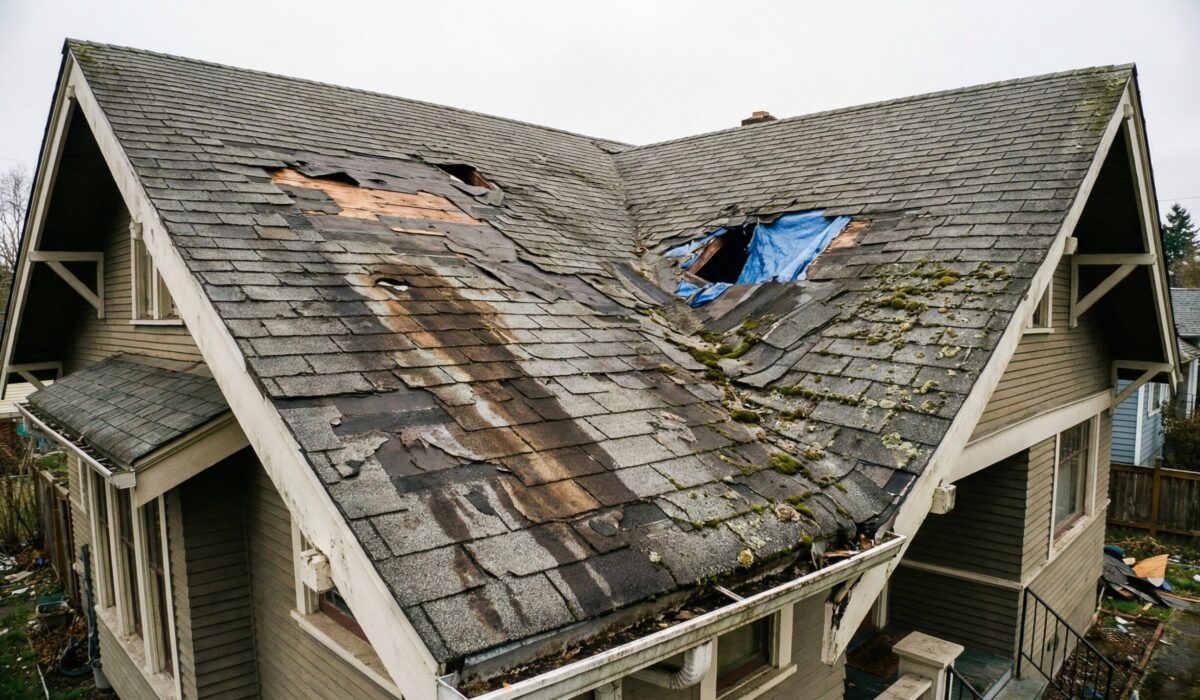
Your roof stands as your home’s first line of defense against nature’s fury. From scorching summer heat to winter ice storms, your roof endures constant assault from the elements. Understanding the different types of damage that can occur helps you spot problems early and take action before minor issues become major headaches.
Quick fact: Most roof damage falls into 13 distinct categories, with weather-related issues like hail and wind damage accounting for over 70% of all roof insurance claims.
Whether you’re dealing with obvious storm damage or subtle signs of wear, recognizing these common problems empowers you to protect your investment and maintain your home’s safety. Let’s explore the most frequent types of roof damage and what you can do about them.
Weather-Related Roof Damage
Weather represents the biggest threat to your roof’s integrity. From sudden hailstorms to persistent rain, Mother Nature tests your roof’s durability year-round.
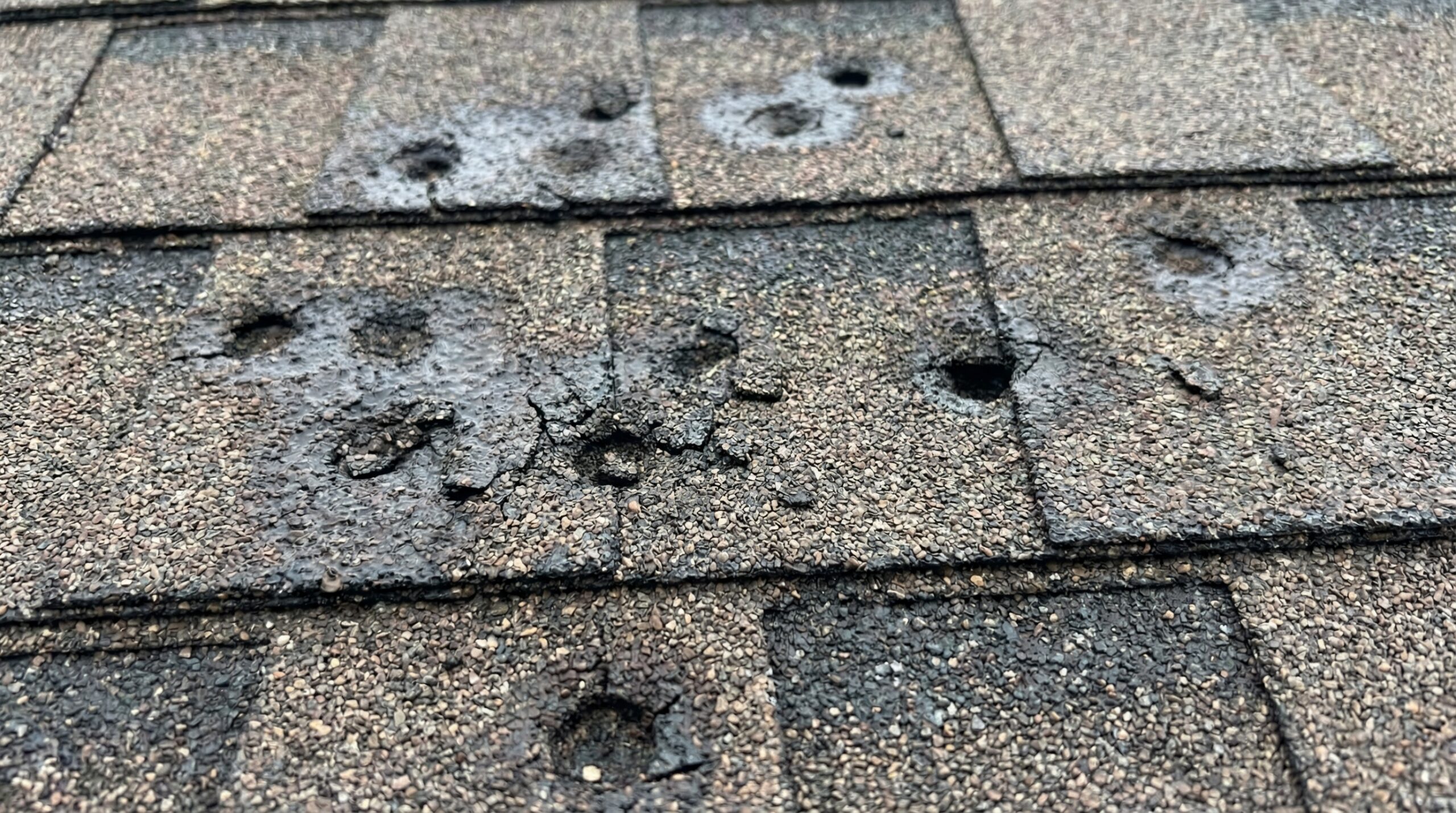
Hail damage appears as dark spots on asphalt shingles or visible cracks on other materials. After any hailstorm, check for dents on your mailbox, car, or outdoor equipment. If you find damage elsewhere, your roof likely suffered too. roof-crafters.com notes that hail can compromise shingle granules, making your roof vulnerable to UV rays and water intrusion. Understanding what hail damage looks like on a roof helps you identify problems quickly and file insurance claims when necessary.
Wind damage shows up as torn, cracked, or completely missing shingles. Even moderate winds can lift shingle edges, creating entry points for water. firstamericanroofing.com emphasizes that proper installation prevents most wind damage, making quality workmanship crucial. If you’ve experienced severe weather, consider getting a professional wind damage roof inspection to assess the extent of the damage.
Water damage develops when moisture penetrates your roof system. Look for water stains on ceilings, sagging areas, or visible drips during storms. According to mightydogroofing.com, water damage often starts small but spreads quickly through roof decking and into walls. Learning about various types of roof storm damage can help you recognize warning signs before they escalate.
Ice damage occurs when ice dams form along roof edges. These frozen barriers prevent proper drainage, forcing water under shingles. Heavy icicles hanging from gutters signal potential ice dam problems that require immediate attention. Homeowners in colder climates should familiarize themselves with ice dam causes and prevention strategies to protect their roofs during winter months.
Structural and Environmental Issues
Beyond weather, several factors can compromise your roof’s structural integrity and appearance over time.
Structural damage manifests as sagging rooflines, bent decking, or visible holes. happyroofing.com explains that compromised roof decking creates a weak foundation for your entire roofing system. Even high-quality shingles won’t perform properly on damaged decking.
Important note: Roof decking typically lasts 20 to 30 years, but poor ventilation and moisture exposure can significantly shorten its lifespan.
UV and heat damage appears as curled, warped, or blistered shingles. Constant sun exposure breaks down roofing materials, especially in areas with missing granules. Proper ventilation helps prevent heat buildup that accelerates this damage. Understanding how summer heat affects your roof enables you to take preventive measures during hot months.
Moss and organic growth thrives in shaded, moist areas. While moss might look harmless, it can grow under shingles and damage the underlying structure. Regular cleaning and improved drainage prevent moss establishment. Learn the proper techniques for safely removing moss from your roof to avoid causing additional damage during the cleaning process.
Tree damage ranges from minor branch impacts to catastrophic tree falls. Even small branches can dislodge granules or create punctures. Trimming overhanging branches reduces this risk significantly. Consider following a fall tree trimming guide to protect both your roof and gutters from tree-related damage.
Maintenance and Installation Problems
Poor maintenance and improper installation create many avoidable roof problems that homeowners face.
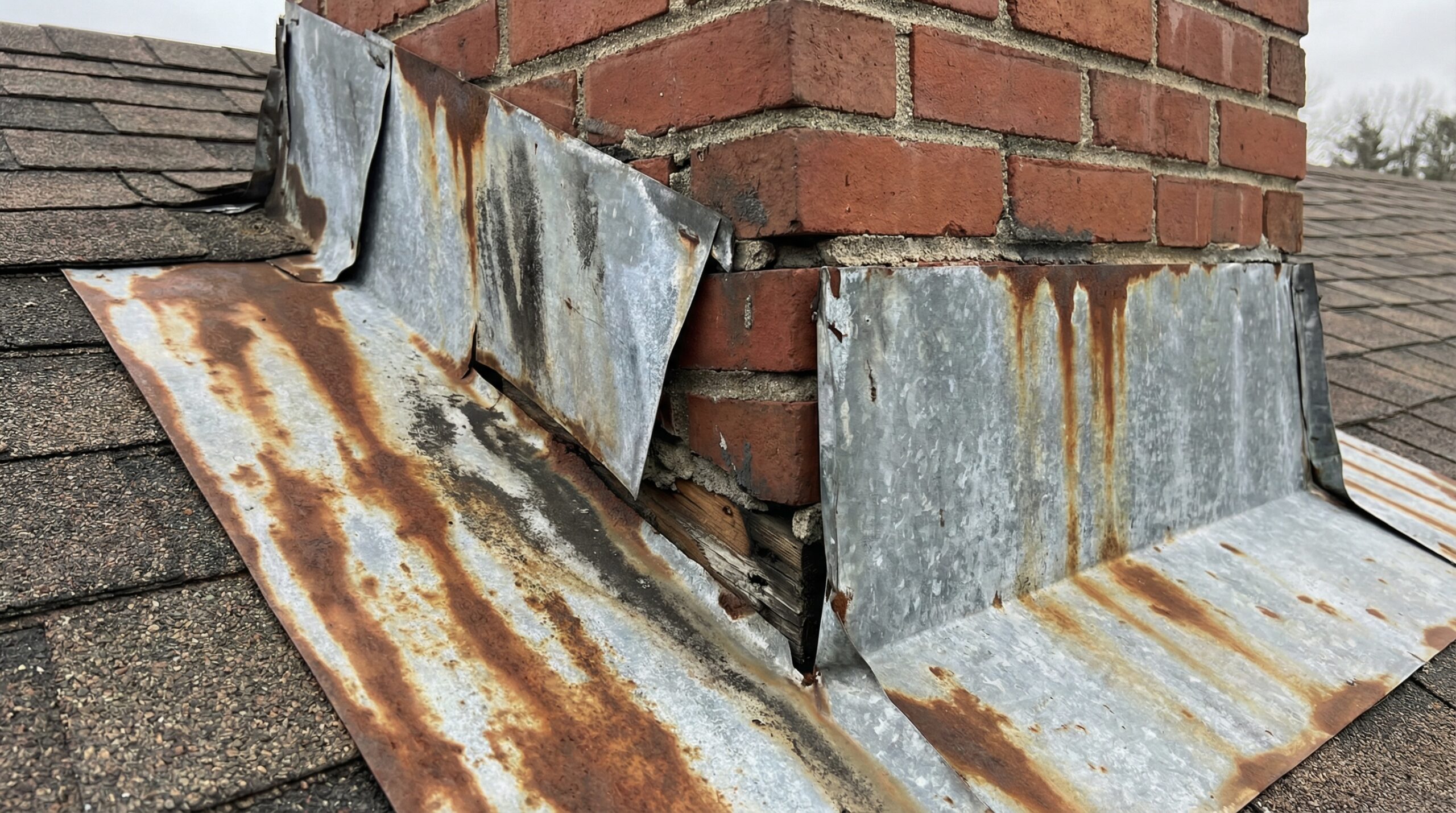
Flashing damage occurs around roof penetrations like chimneys, vents, and skylights. Damaged or missing flashing allows water to enter your home. Metal flashing can rust over time or become dislodged during storms. Proper chimney roof integration maintenance is essential for preventing leaks at these vulnerable points.
Mechanical damage results from human activity on the roof. Walking on hot asphalt shingles, improper snow removal, or careless gutter cleaning can crack or loosen roofing materials. Professional maintenance reduces these risks.
Pest damage happens when animals chew through roofing materials or build nests in vulnerable areas. Rats, squirrels, and birds can create entry points that lead to water damage and structural problems. Installing bird deterrent and control spikes can prevent avian pests from damaging your roof, while learning how to get rid of roof rats addresses rodent infestations effectively.
Snow accumulation stresses your roof structure, especially on flat or poorly designed roofs. Heavy snow loads can cause sagging or even collapse in extreme cases. Regular snow removal prevents dangerous buildup. If you notice water intrusion after heavy snowfall, read about roof leaks after snow to understand the causes and next steps.
Prevention and Professional Solutions
Understanding damage types helps, but prevention and proper repairs make the real difference in roof longevity.
Regular inspections catch problems early when repairs cost less. roof-crafters.com recommends checking your roof twice yearly and after major storms. Look for missing shingles, damaged flashing, or signs of water intrusion. Following post-winter roof and gutter maintenance guidelines helps identify damage that occurred during harsh weather.
| Damage Type | Warning Signs | Typical Repair Cost Range |
|---|---|---|
| Hail | Dark spots, missing granules | $300-$1,500 |
| Wind | Lifted/missing shingles | $200-$800 |
| Water | Ceiling stains, drips | $500-$3,000 |
| Structural | Sagging, visible damage | $2,000-$15,000+ |
Professional assessment becomes essential when damage affects multiple areas or involves structural components. Attempting DIY repairs on steep roofs or complex damage often creates more problems than it solves. Understanding how much roof leak repair costs helps you budget appropriately for professional services.
Pro tip: Document all roof damage with photos before repairs. This documentation helps with insurance claims and provides a baseline for future inspections.
Quality materials and proper installation prevent many common problems. When replacement becomes necessary, invest in impact-resistant shingles and ensure proper ventilation to maximize your new roof’s lifespan. Before deciding on repairs, consider whether it’s worth repairing an old roof or if replacement makes more financial sense.
Understanding these 13 common types of roof damage empowers you to protect your home proactively. Regular maintenance, prompt repairs, and professional guidance when needed keep your roof performing its vital protective role for decades. Remember that early intervention almost always costs less than waiting until problems become emergencies. Don’t make the mistake of waiting until spring to address winter roof damage, as delays can lead to more extensive and expensive repairs.