

When you notice a small roof issue during Northeast Ohio’s winter months, it’s tempting to think “I’ll deal with this when it warms up.” This seemingly logical approach can transform a minor repair into a major financial headache. Ohio’s unique weather patterns create the perfect storm for hidden roof damage that compounds daily throughout winter.
Professional roofers in Northeast Ohio see 60% more emergency calls in spring from homeowners who delayed winter repairs, often requiring structural work instead of simple fixes.
The reality is that Northeast Ohio winters aren’t just cold—they’re destructive in ways most homeowners don’t realize. Between severe freeze-thaw cycles, heavy lake-effect snow, ice dam formation, and moisture infiltration, your roof faces constant stress that worsens with each passing day. Understanding why immediate action saves money starts with recognizing how Ohio’s climate specifically attacks roofing systems.
How Northeast Ohio’s freeze-thaw cycles silently destroy roofs
Northeast Ohio’s winter weather creates a particularly damaging pattern that many homeowners overlook. Unlike consistently cold climates where temperatures stay below freezing all winter, our region experiences frequent temperature swings that create brutal freeze-thaw cycles.
During the day, temperatures might climb to 35-40 degrees, melting snow and ice on your roof. At night, temperatures drop back below freezing, causing that water to expand as it refreezes. This expansion forces water into tiny cracks in shingles, flashing, and roof penetrations.
Each cycle makes these openings larger. What starts as a hairline crack becomes a significant vulnerability within weeks. According to roofing research, winters with frequent temperature fluctuations actually cause more roof failures than consistently freezing ones because of this constant expansion and contraction.
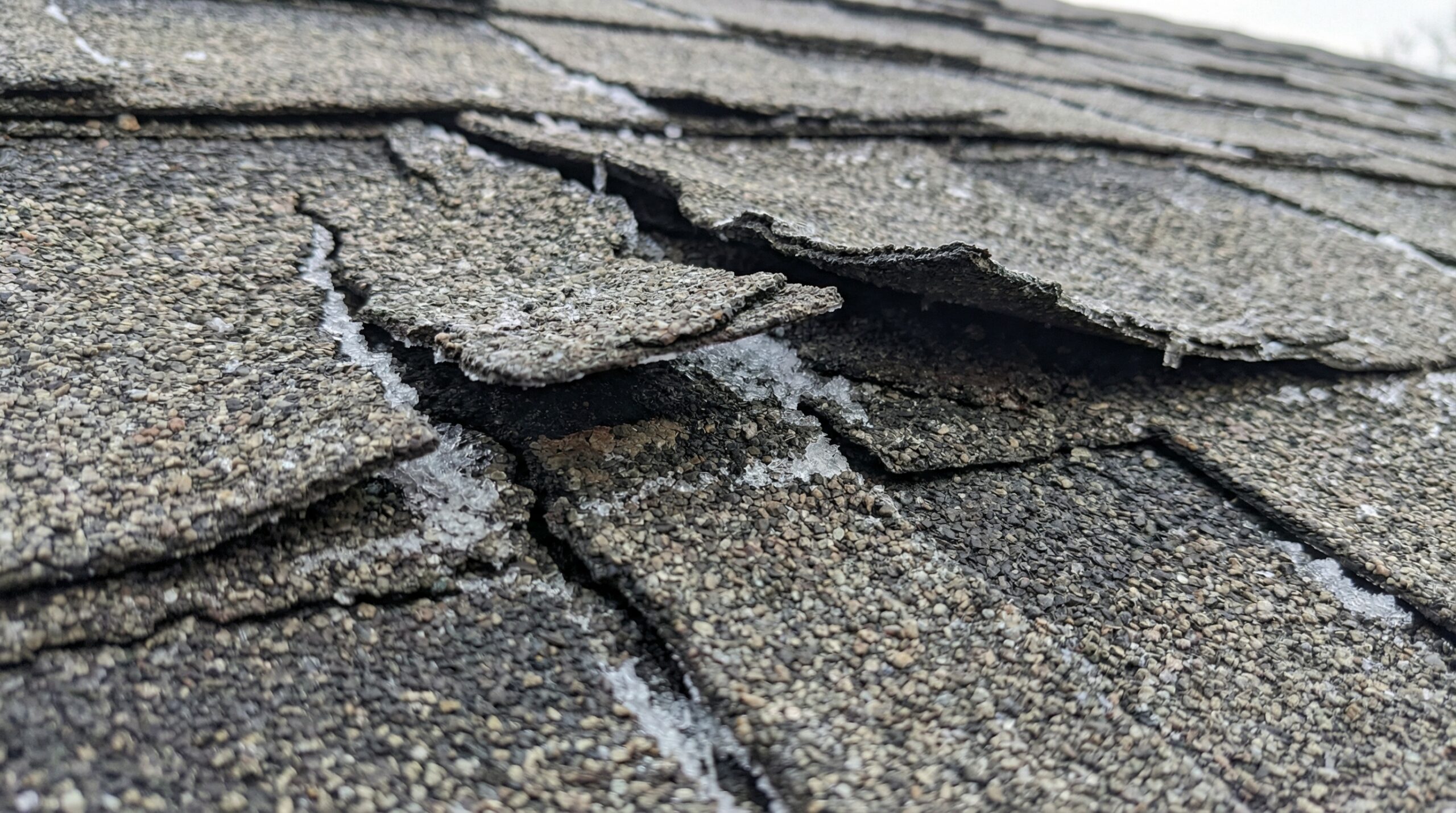
The damage happens gradually and invisibly. You won’t see water dripping into your living room until the problem has already spread through your roof deck, insulation, and potentially into your walls. Understanding common types of roof damage and repair solutions can help you identify these issues before they escalate.
The hidden winter roof problems Ohio homeowners miss
Most winter roof damage stays completely hidden until spring rains arrive. Heavy lake-effect snow acts like a blanket, covering obvious signs of trouble while moisture works its way deeper into your roofing system.
Ice dams represent one of the most common yet misunderstood problems. When heat escapes from your home, it melts snow on your roof. That water runs down to the colder eaves and refreezes, creating an ice barrier. New meltwater backs up behind this dam and finds its way under shingles.
As local roofing experts explain, ice dam damage often spreads where you can’t see it—soaking insulation, running along framing, and sitting against roof decking before you notice any interior signs. Similar to ice dams on roofs in other humid, snowy regions, Northeast Ohio homeowners face destructive patterns that require immediate attention.
Wind damage from winter storms also goes unnoticed under snow cover. Lifted shingles, damaged flashing around chimneys and vents, and loosened gutters all create entry points for moisture. These problems compound as winter progresses, with each storm potentially worsening existing damage.
A single ice dam can saturate insulation worth $2,000-4,000 in replacement costs, even if the visible interior damage appears minimal.
Why spring weather makes delayed repairs catastrophically expensive
Spring in Northeast Ohio brings heavy rains and strong winds that test every weakness winter has created in your roof. A roofing system already compromised by months of freeze-thaw damage faces its greatest challenge when spring storms arrive.
Saturated insulation loses its effectiveness, forcing your heating and cooling systems to work harder. Wet insulation also creates ideal conditions for mold growth, which can spread throughout your home’s structure.
| Winter Damage Type | Spring Consequence | Repair Cost Increase |
|---|---|---|
| Small shingle crack | Multiple shingle replacement | 300-500% higher |
| Minor flashing gap | Structural water damage | 800-1200% higher |
| Ice dam moisture | Insulation/drywall replacement | 600-900% higher |
What could have been a $300 shingle repair in February becomes a $2,000 roof section replacement in April. The difference lies in how much secondary damage occurs while you wait. If you’re experiencing roof leaks after snow, addressing them immediately prevents this costly escalation.
The financial benefits of immediate winter roof action
Acting quickly on winter roof issues saves money in multiple ways that extend far beyond the immediate repair cost. Professional winter roof inspections can identify problems before they cause expensive secondary damage.
When you address a lifted shingle in January, you’re preventing water infiltration that could damage roof decking, insulation, and interior finishes. The experts at ice dam removal emphasize that early intervention prevents the chain reaction of damage that makes spring repairs so expensive.
Emergency repairs also cost significantly more than planned maintenance. Spring brings the busiest season for Ohio roofers, driving up prices and extending wait times. Homeowners who wait often find themselves competing for contractor availability during peak demand periods. Learning how much roof leak repair costs helps you budget appropriately for immediate action.
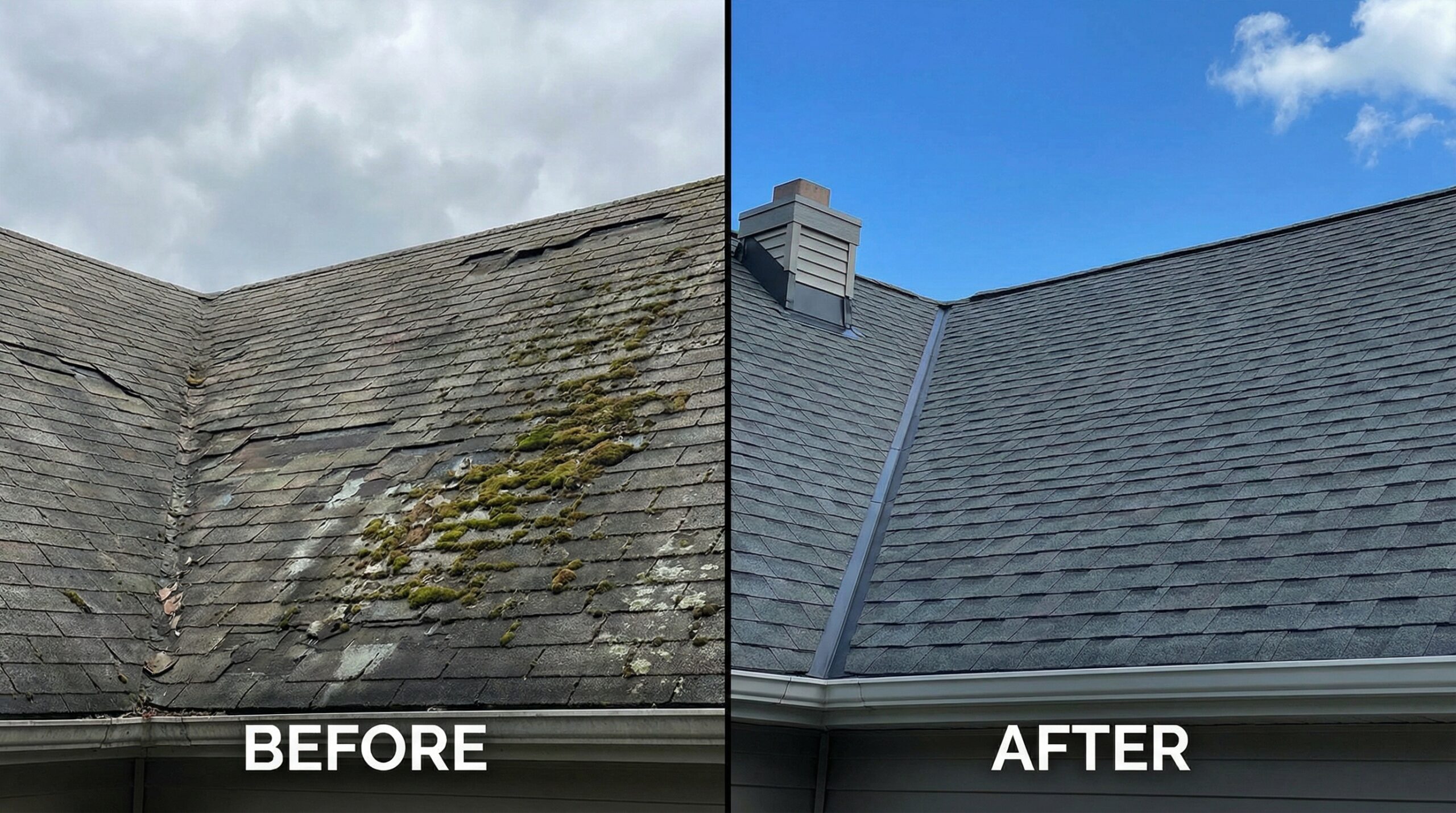
Professional roofers can safely perform many winter repairs during mild weather windows. Modern techniques and safety equipment make winter roof work feasible for experienced contractors, especially for urgent issues like ice dam removal or emergency leak repairs. Just as homeowners benefit from post-winter roof and gutter maintenance, proactive winter repairs prevent the need for extensive spring restoration work.
Homeowners who schedule late-winter roof inspections save an average of 40-60% compared to those who wait for spring emergency repairs.
Peak and Valley Roofing understands Northeast Ohio’s unique winter challenges and provides reliable winter roof services to prevent small problems from becoming major expenses. Don’t let winter damage compound into a spring disaster—addressing roof issues immediately protects both your home and your budget while ensuring your family stays safe and dry.