

When your insurance company asks about your roof’s age or you’re buying a home in Cleveland without clear records, finding this information can feel overwhelming. Your roof’s age directly impacts insurance premiums, coverage eligibility, and claim approvals. Most insurers have strict age thresholds that determine whether you receive full replacement cost coverage or depreciated value payments.
Insurance companies typically require roof inspections for homes with roofs over 15 years old, and many refuse coverage entirely once roofs reach 20 to 25 years.
The good news is that determining your roof’s age doesn’t require climbing up there yourself. This guide walks you through simple document checks, visual clues you can spot from the ground, and when to call in professionals. Even if you have zero paperwork, you can still get a reliable estimate that satisfies most insurance requirements in Northeast Ohio.
Why your roof’s age matters for homeowners insurance
Insurance companies view your roof as one of the most expensive and frequently claimed components of your home. Wind, hail, and water damage from aging roofs generate costly repairs, making roof age a primary factor in underwriting decisions. In Cleveland’s climate, with harsh winters and severe storms, this scrutiny becomes even more important.
Most carriers begin scrutinizing roofs around the 10-year mark, with significant policy changes becoming common between 15 and 22 years depending on material. Asphalt shingle roofs face earlier thresholds, while metal and tile roofs get more time before restrictions kick in.
Roofs over certain age limits may only qualify for actual cash value coverage instead of replacement cost, meaning you receive depreciated value rather than full replacement costs when filing claims.
Your roof’s documented age also influences premium pricing. Newer roofs often qualify for better rates because they’re less likely to experience storm damage or water intrusion. Conversely, older roofs without proper documentation may trigger higher deductibles or additional inspections. This is particularly relevant for Cleveland homeowners dealing with insurance restoration after severe weather events.
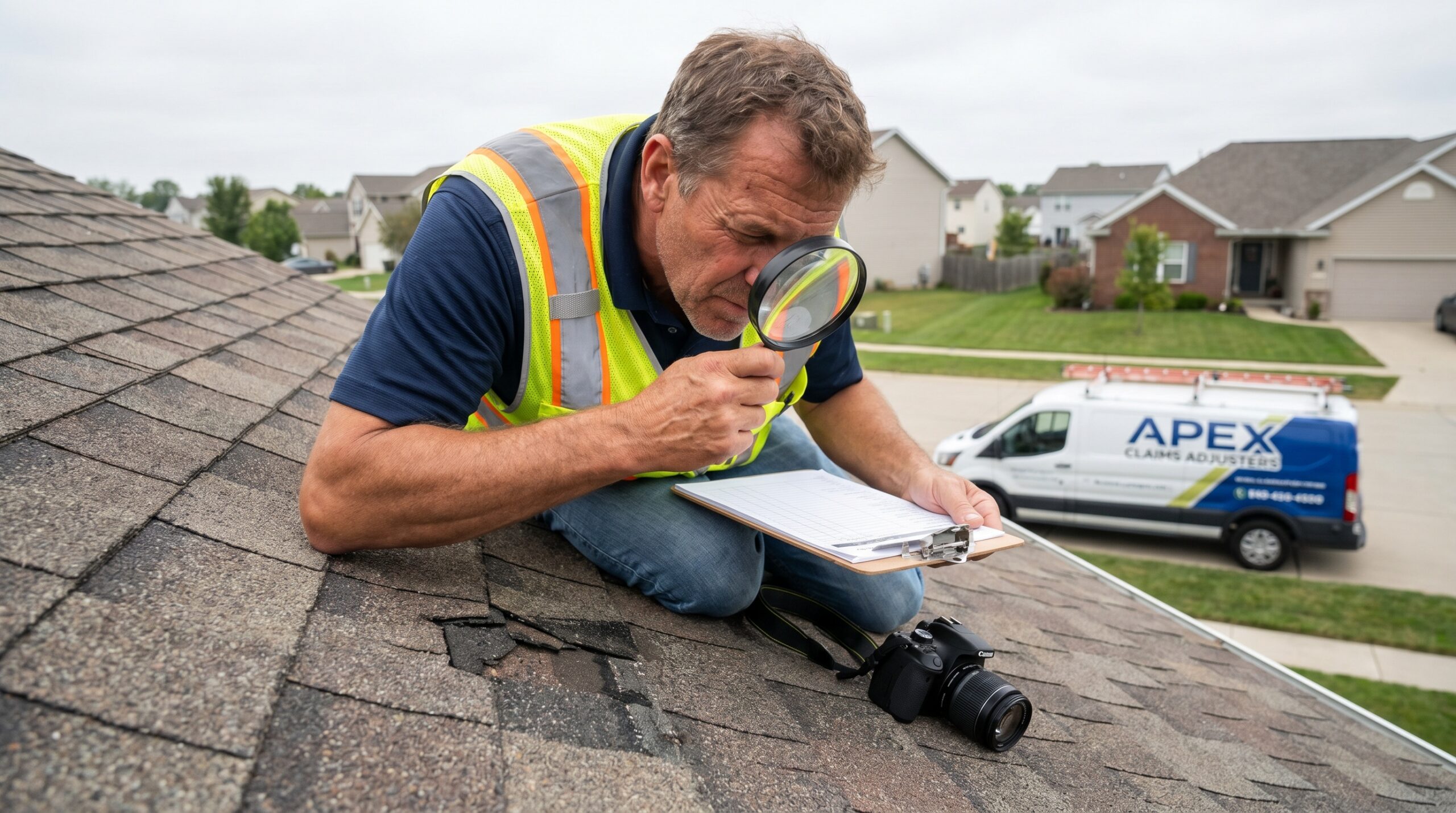
Quick ways to check how old your roof is
Start with the easiest methods that provide the most reliable documentation. These approaches often yield exact installation dates that insurance companies readily accept.
Check your home improvement records first. Look through any folders or files from when you purchased the home. Real estate documents, inspection reports, and seller disclosures frequently include roof replacement dates or original installation information.
Next, contact your local building department in Rocky River, Cleveland, or your specific Northeast Ohio municipality to search for roofing permits tied to your address. Most roof replacements require permits, creating an official record with specific dates. You can usually request this information by phone or visit their office with your property address.
Review any warranty documents you might have for shingles or workmanship. These often show installation dates and can be found in home maintenance files, garage storage, or even registered online with manufacturers.
Finding roof age through paperwork and records
When basic document searches come up short, expand your investigation to include previous owners and contractors. This detective work often uncovers installation dates even when obvious records seem missing.
Contact the previous homeowner if you have their information from the real estate transaction. A simple phone call asking when the roof was last replaced often saves hours of searching. Many sellers remember major home improvements and can provide approximate dates or contractor names.
Reach out to your real estate agent or the listing agent who handled your home purchase. They sometimes have additional property history or can connect you with the seller’s agent for more details about roof work.
If you know the roofing contractor who did the work, call their office. Many contractors keep job records for years and can provide installation dates, material specifications, and even photos from the project. Local Cleveland-area roofing companies often maintain detailed records that can help with insurance documentation.
Building permits provide the most reliable documentation of roof installation dates, as they create an official government record that insurance companies readily accept.
Visual signs that reveal your roof’s age
When documents aren’t available, your roof itself tells a story about its age through visible wear patterns. You can assess these signs safely from the ground using binoculars.
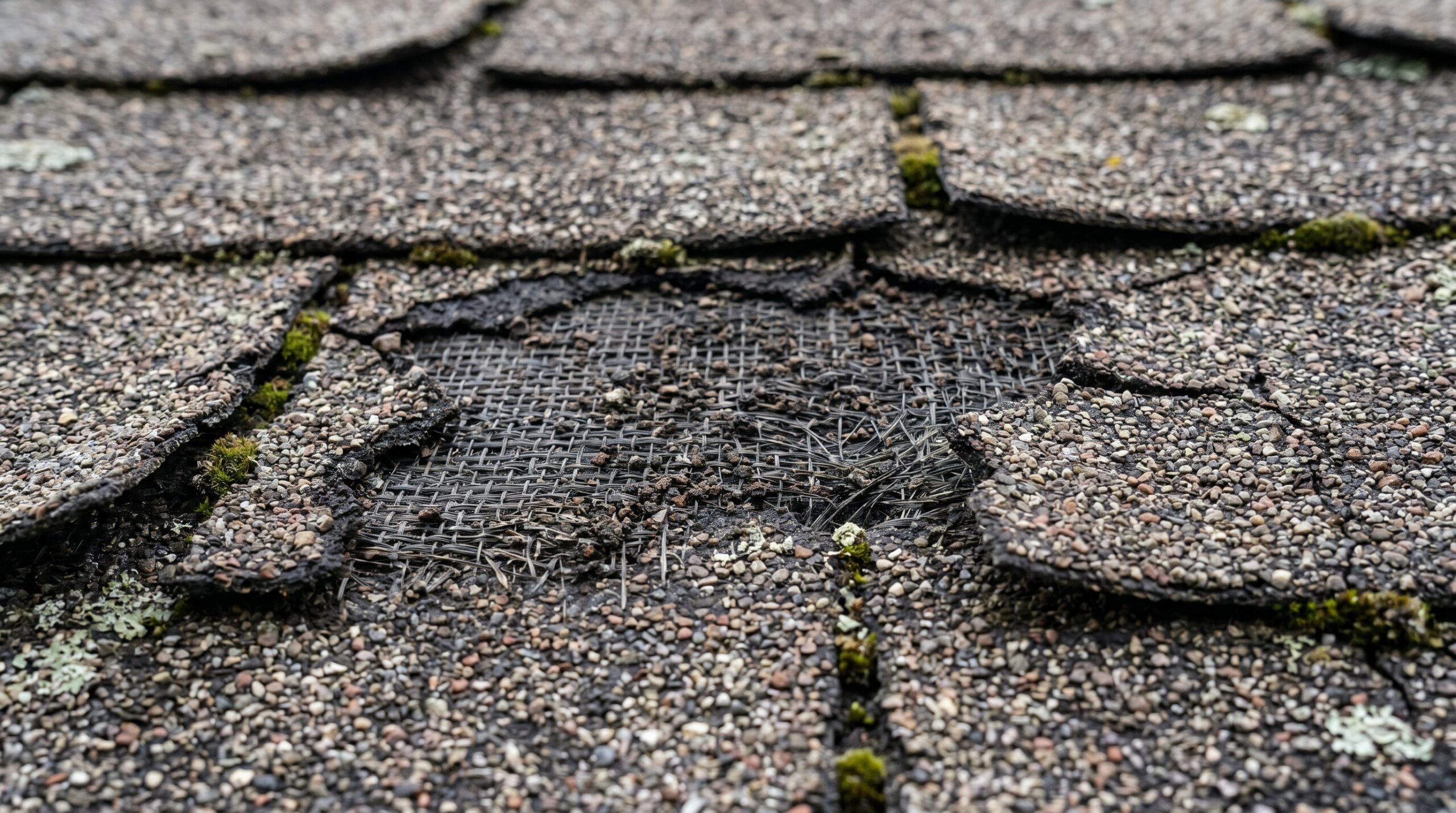
Look for granule loss on asphalt shingles, which appears as bald spots or areas where the colored surface coating has worn away. Check your gutters and around downspouts for accumulated granules, which indicate an aging roof shedding its protective layer.
Notice shingle curling, cracking, or missing pieces. These signs typically develop after 15-20 years on asphalt roofs, depending on climate and maintenance. In Northeast Ohio’s harsh weather conditions, curled edges that lift up or crack suggest the shingles are becoming brittle with age.
Examine your attic if safely accessible. Water stains on rafters, mold growth, or daylight visible through the roof deck indicate aging or failing roofing materials that may need attention regardless of exact age.
When to call a roofing professional
Professional inspections provide the most accurate age estimates when records are incomplete. Experienced roofers can identify material types, installation techniques, and wear patterns that indicate approximate installation timeframes. Local Cleveland roofing experts understand how Northeast Ohio’s weather patterns affect different roofing materials over time.
A professional inspection offers several advantages for insurance purposes. You receive written documentation, photos, and clear age estimates that insurers typically accept. The inspector can also identify maintenance issues that, if addressed promptly, might extend your roof’s life or improve your insurability. This is especially valuable when dealing with insurance restoration claims after storm damage.
Consider scheduling an inspection if your roof appears to be approaching typical replacement age for its material, if you’re shopping for new insurance coverage, or if your current insurer has requested roof information. The inspection cost often pays for itself through better insurance terms or early problem detection.
| Roofing Material | Typical Lifespan | Insurance Scrutiny Begins |
|---|---|---|
| 3-tab asphalt shingles | 15-20 years | 10-12 years |
| Architectural shingles | 20-25 years | 15-18 years |
| Metal roofing | 40-70 years | 25-30 years |
| Clay/concrete tile | 50+ years | 30-35 years |
Understanding your roof’s age helps you make informed decisions about maintenance, insurance coverage, and replacement planning. Start with document searches and permit records for the most reliable information. When those aren’t available, visual inspection and professional assessment can provide estimates that satisfy most insurance requirements.
Document your findings in a simple summary that includes installation date, current age, material type, and any supporting evidence like permits or inspection reports. This organized information makes insurance conversations smoother and helps you plan for future roofing needs with confidence. For Cleveland homeowners dealing with insurance restoration, having this documentation readily available can streamline the claims process significantly.