
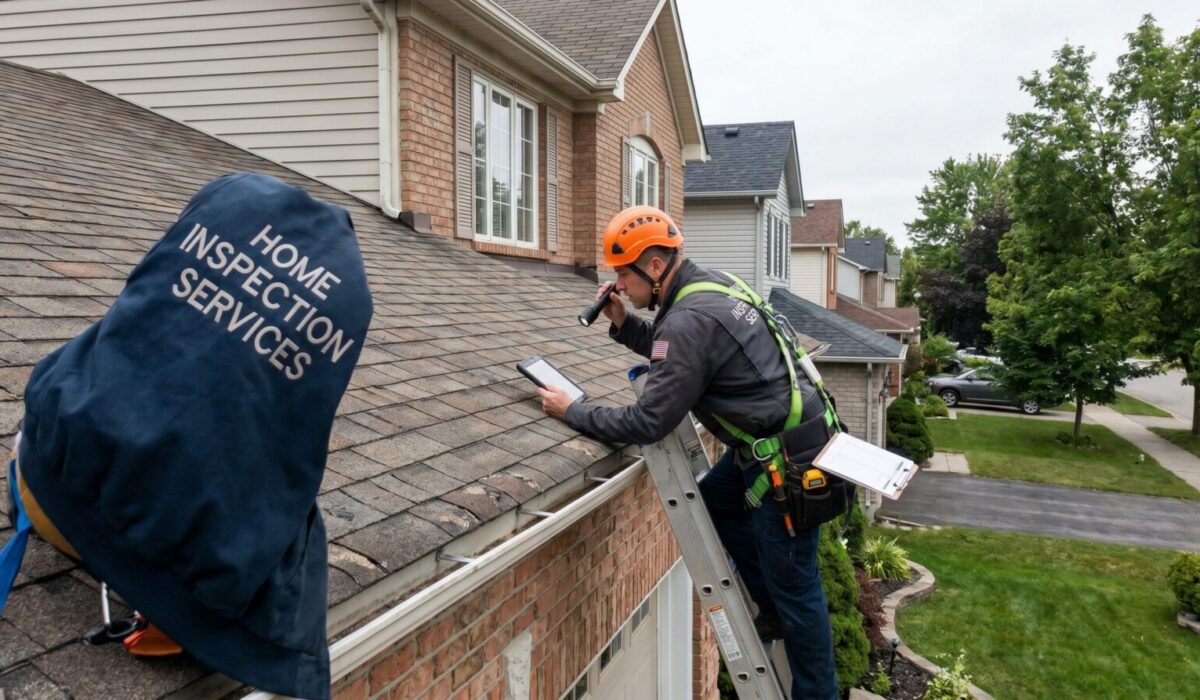
The buyer loves your house—but only if you pay for a new roof. This scenario plays out thousands of times each year in real estate transactions across Northeast Ohio. When buyers discover roof issues during inspections, they often demand that sellers replace the entire roof before closing, creating tension and potentially jeopardizing the sale.
Understanding why buyers make this request can help you navigate negotiations more effectively. Most buyer demands for new roofs stem from three main concerns: the roof has reached its expected lifespan, installation problems that create ongoing risks, or visible damage that signals future expenses. Each situation affects financing, insurance approval, and the buyer’s confidence in their investment.
Quick fact: According to billraganroofing.com, asphalt shingle roofs typically last 20 years, and buyers commonly request replacement or compensation when roofs approach this age.
You don’t always have to agree to a full roof replacement to keep the deal alive. Seller credits, price reductions, and targeted repairs often provide workable alternatives that satisfy both parties while protecting your bottom line.
Why buyers ask sellers to pay for a new roof
Buyers rarely make roof replacement demands without solid reasons. Their concerns typically fall into three categories that directly impact their financial security and peace of mind.
The roof has reached end of life
When your roof approaches or exceeds its expected lifespan, buyers view replacement as inevitable. Asphalt shingles, the most common roofing material in the Cleveland area, typically last 20-25 years with proper installation and maintenance. Metal roofs can last 40-70 years, while tile and slate offer even longer lifespans, and buyers may even consider options like installing a metal roof over shingles.
Buyers worry about taking on immediate replacement costs after purchasing your home. They also face potential financing hurdles, as newenglandmetalroof.com notes that lenders and insurance companies may require roof replacement before approving mortgages or coverage for homes with aging roofs.
Poor installation creates ongoing problems
Even relatively new roofs can trigger buyer demands if installation quality is questionable. Signs of poor workmanship include uneven shingles, missing or improperly installed flashing, inadequate ventilation, and sagging areas that suggest structural issues.
Poor installation often voids manufacturer warranties, leaving buyers unprotected against future problems. Energy efficiency concerns also arise when improper installation leads to air leaks and moisture issues that increase utility costs—particularly important in Northeast Ohio’s variable climate.
Key insight: According to rescreeningmasters.com, buyers should prioritize safety and leakage risks when requesting roof repairs or replacements, focusing on objective evidence from professional inspections.
Visible damage signals future expenses
Multiple repairs, patched areas, missing shingles, and water stains create red flags for buyers. Even if current leaks are stopped, visible patchwork suggests ongoing maintenance issues that buyers don’t want to inherit.
Structural concerns arise when soft spots, sagging, or multiple shingle layers indicate underlying problems with roof decking or support systems. These issues often require extensive repairs that go beyond simple shingle replacement.

How roof condition affects financing and insurance
Roof issues don’t just worry buyers—they can derail financing and insurance approval, making your home effectively unsellable until problems are addressed.
Lender requirements for aging roofs
Mortgage lenders increasingly scrutinize roof condition during the approval process. When roofs show significant wear or approach end of life, lenders may require replacement before funding the loan. This requirement protects their investment by ensuring the property maintains its value and doesn’t face immediate major expenses.
FHA loans have particularly strict roof requirements, often mandating replacement for roofs with missing shingles, visible damage, or remaining life under three years. Conventional loans offer more flexibility but still flag problematic roofs during appraisal.
Insurance coverage limitations
Homeowners insurance companies may refuse coverage or impose restrictions on homes with aging or damaged roofs, and understanding whether insurance will pay for a new roof is crucial for both buyers and sellers. Some insurers require roof replacement within 30-60 days of policy inception for roofs over 15-20 years old.
When coverage is available for older roofs, premiums often increase significantly, and claims may be subject to actual cash value rather than replacement cost coverage. This means buyers face higher insurance costs and reduced protection from day one.
Your options when buyers want a new roof
You have several alternatives to full roof replacement that can keep your sale on track while managing costs effectively.
| Option | Best For | Pros | Cons |
|---|---|---|---|
| Replace before closing | Severe damage, hot market | Eliminates buyer concerns | High upfront cost, project delays |
| Seller credit | Moderate issues, tight timeline | Buyer controls quality, no delays | May not cover full costs |
| Price reduction | Any condition, motivated buyer | Simple, immediate savings | Affects net proceeds |
| Sell as-is | Minor issues, cash buyers | No repair costs | Limited buyer pool |
Offering credits instead of replacement
Seller credits often provide the most practical solution for roof issues. You provide funds at closing that buyers can use toward future roof replacement, giving them control over timing, materials, and contractor selection.
Credits work particularly well when buyers want specific materials or have preferred contractors. homelight.com notes that buyers benefit from owning the roof warranty, which may not transfer when sellers handle replacement.
Strategic price reductions
Reducing your asking price by the estimated replacement cost accomplishes the same goal as credits while simplifying closing paperwork. This approach works well when buyers have sufficient cash for down payments and closing costs.
Price reductions may also help with appraisal issues, as the lower purchase price better reflects the property’s current condition and reduces the risk of valuation problems.
Negotiation tip: As newenglandmetalroof.com suggests, frame roof issues as a shared problem rather than adversarial demands. Collaborative approaches that acknowledge both parties’ concerns increase the likelihood of reaching workable agreements.
Negotiation strategies that protect the deal
Successful roof negotiations rely on documentation, flexibility, and realistic expectations from both parties.
Start with professional inspection and estimates
Get ahead of buyer concerns by obtaining your own roof inspection and written estimates before listing. Licensed contractors can assess remaining roof life, identify specific problems, and provide detailed repair versus replacement costs.
Documentation from reputable contractors strengthens your negotiating position and demonstrates transparency. When buyers raise roof concerns, you already have professional opinions and cost estimates to guide discussions.
Use evidence-based negotiations
Present inspection findings and contractor bids as the foundation for negotiations rather than relying on emotional appeals. Objective evidence helps both parties understand the scope of issues and reasonable solutions.
When buyers present their own estimates, compare them professionally and look for middle ground. Significant differences in contractor opinions may indicate the need for additional inspections or specialist consultation.
Consider alternative solutions
Home warranties that include roof coverage can provide buyer reassurance for minor issues. Partial repairs combined with smaller credits address specific problems without full replacement costs.
Escrow holdbacks, where funds are held after closing until repairs are completed, protect buyers while keeping sales moving forward. This option works well when timing constraints make pre-closing replacement impractical.

Understanding buyer motivations for roof replacement requests helps you respond strategically rather than reactively. Whether dealing with end-of-life roofs, installation problems, or visible damage, you have multiple options beyond full replacement that can satisfy buyer concerns while protecting your financial interests.
Professional documentation, flexible negotiation approaches, and willingness to find creative solutions often lead to successful outcomes that keep deals on track. At Peak and Valley Roofing, we help Rocky River and Cleveland area homeowners navigate pre-sale roof inspections and provide the documentation needed for confident negotiations. Our experience with real estate transactions and insurance restoration ensures you get accurate assessments and realistic repair estimates that support your selling goals.