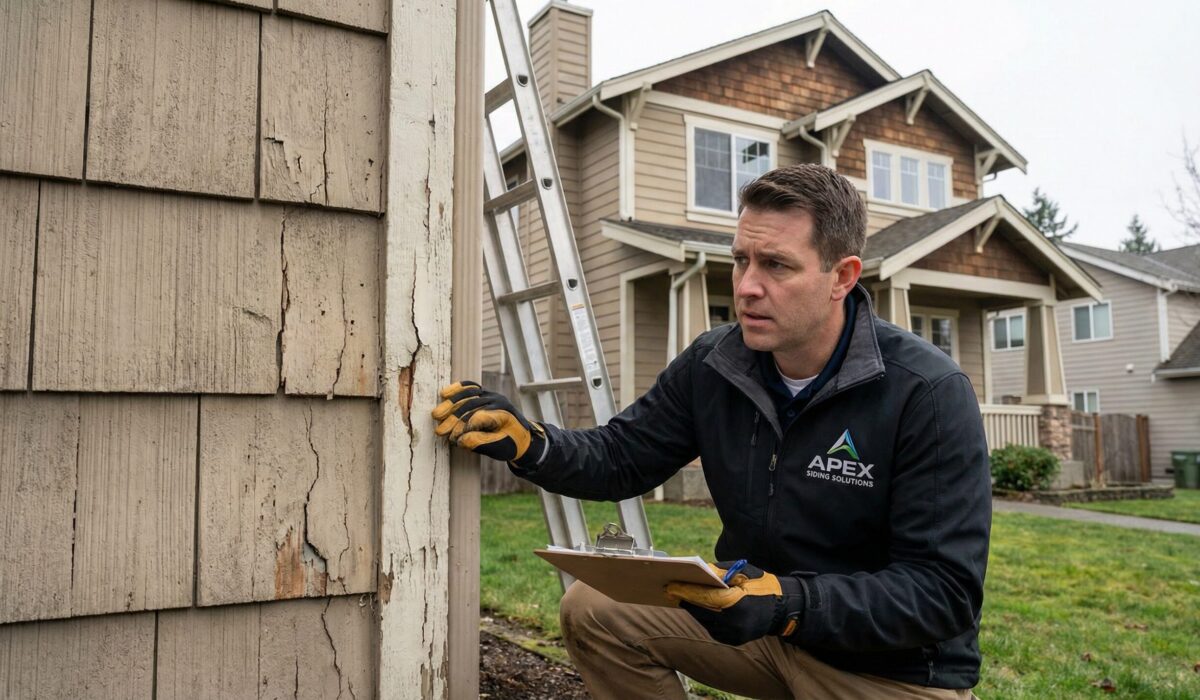
When you invest in new siding, you expect it to protect your home for decades. Yet according to gobighorn.com, most siding failures stem from installation errors rather than material defects. Poor installation can lead to water damage, structural issues, and repair costs that often exceed the original project budget.
Quick fact: Improper nailing alone accounts for nearly 40% of premature siding failures, causing panels to warp, crack, or detach during weather events.
At Peak and Valley Roofing, we’ve helped countless homeowners repair damage caused by preventable installation mistakes. Whether you’re planning a siding replacement or want to evaluate your current installation, understanding these common errors will help you make informed decisions and protect your investment.
Weather barrier mistakes that lead to hidden damage
The weather-resistant barrier serves as your home’s first defense against moisture infiltration. This protective layer sits between your home’s sheathing and the siding, preventing water from reaching your walls even when siding fails.
Many contractors skip this step entirely or install it incorrectly. Without proper barrier installation, moisture seeps into wall cavities during rain or snow events. This creates ideal conditions for mold growth and wood rot that can remain hidden for years.
The most common barrier mistakes include inadequate overlap at seams, poor sealing around windows and doors, and using low-quality materials that deteriorate quickly. According to bellwetherhomes.com, gaps in the weather barrier allow water infiltration that can cost thousands in structural repairs.
Pro tip: Always verify that your contractor includes a high-quality weather barrier in their installation plan and ask to see how they’ll seal critical areas like window and door openings.
Nailing errors that compromise siding integrity
Proper nailing technique requires precision that many installers overlook. Siding must be secured firmly while allowing for natural expansion and contraction caused by temperature changes.
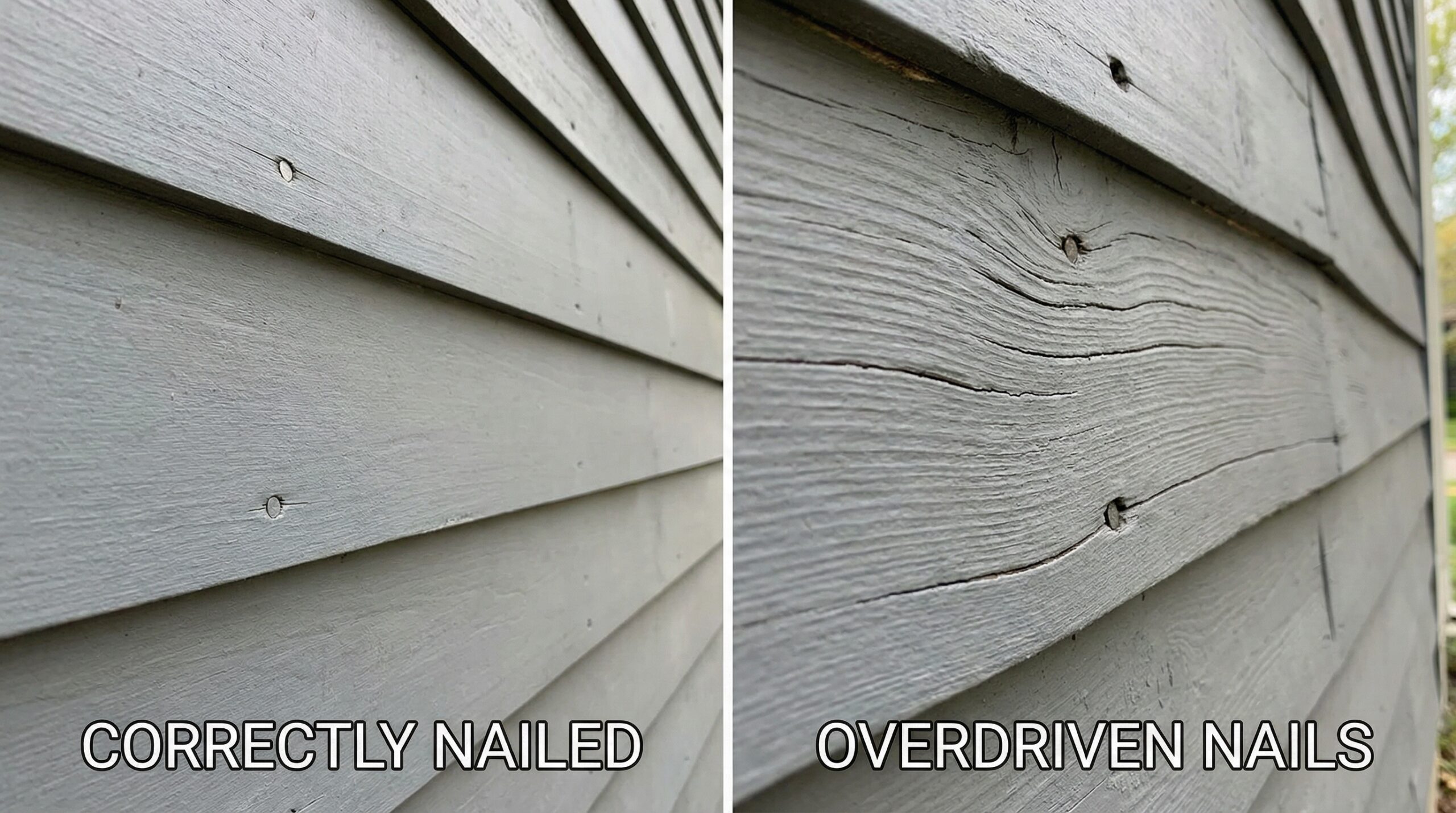
Overdriven nails create the most problems. When nails penetrate too deeply, they restrict the siding’s movement, leading to buckling and cracking during temperature swings. Conversely, loose nails allow panels to shift and potentially detach during high winds.
Nail placement also matters significantly. Each siding manufacturer specifies exact nailing zones, typically centered in pre-punched slots. Nails driven outside these zones can cause stress concentrations that weaken the material over time.
The wrong nail type compounds these issues. Galvanized or stainless steel nails resist corrosion, while standard nails rust and stain the siding. Using nails that are too short fails to provide adequate holding power, especially in areas with high wind exposure.
Flashing failures around openings
Flashing directs water away from vulnerable areas like windows, doors, and trim connections. When installed incorrectly or omitted entirely, these areas become entry points for moisture that can cause extensive damage.
The layering sequence matters critically. Flashing must be installed under the weather barrier at the bottom and over it at the top, creating a shingled effect that channels water outward. Many installers reverse this sequence or create gaps that trap water instead of directing it away.
Self-adhesive flashing tape provides the most reliable seal around openings. However, proper surface preparation is essential. The substrate must be clean and dry for the adhesive to bond effectively. Rushing this step or installing flashing in cold conditions often leads to adhesion failures.
Window and door flashing requires special attention because these areas experience the most water exposure. According to wallabywindows.com, improper flashing installation around openings accounts for a significant portion of water damage claims in residential properties.
Material and climate mismatches
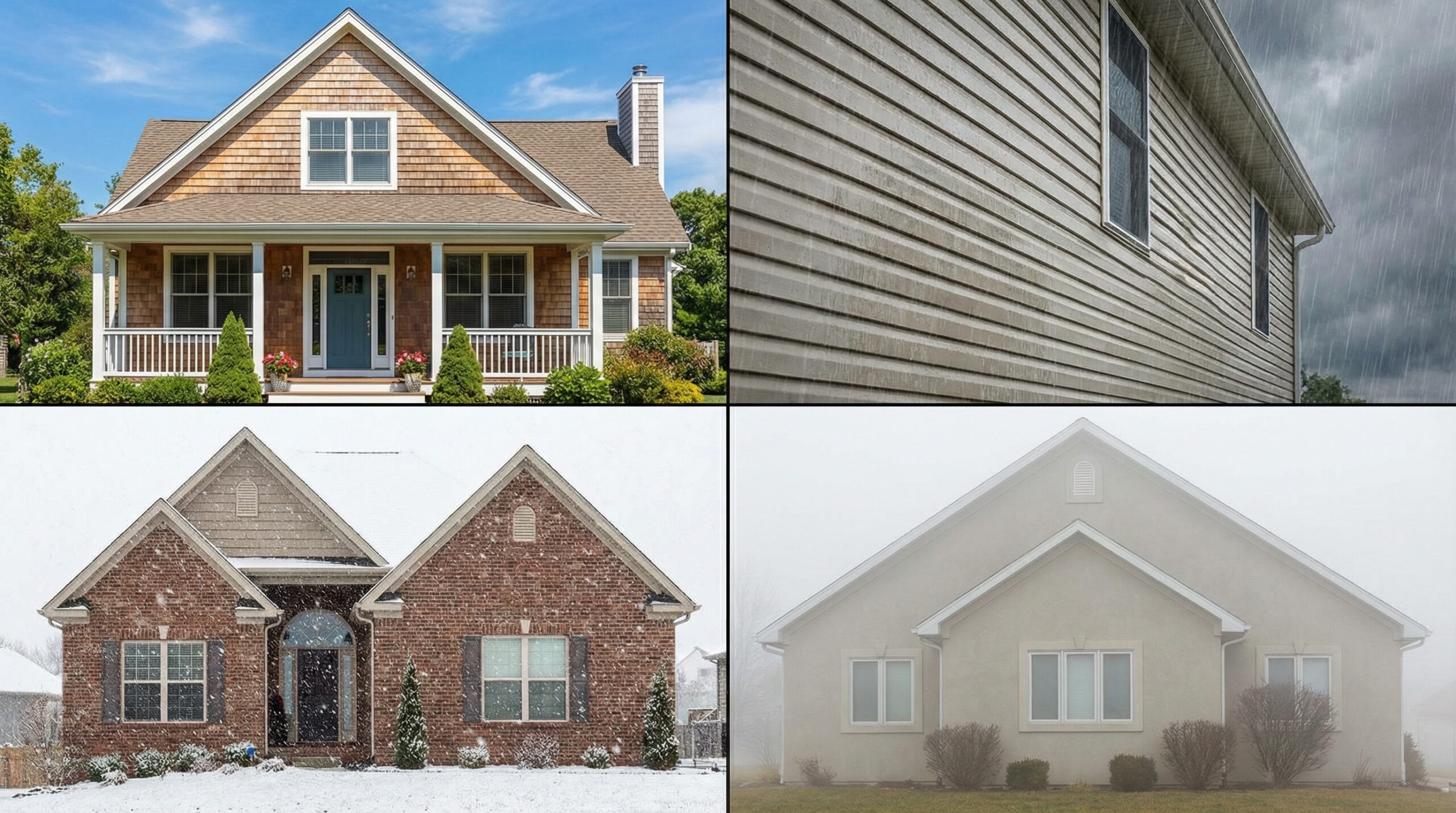
Not all siding materials perform equally in every environment. Choosing the wrong material for your local climate can lead to premature failure regardless of installation quality.
Vinyl siding, while affordable, struggles in areas with extreme temperature swings. It becomes brittle in cold weather and can warp under intense heat. Wind-driven debris can crack vinyl panels, creating permanent damage that requires replacement.
Wood siding requires regular maintenance in humid climates where moisture promotes rot and insect damage. Without proper sealing and periodic refinishing, wood siding deteriorates rapidly, especially in areas with frequent precipitation.
Climate consideration: Fiber cement siding performs exceptionally well in challenging climates, resisting impact damage, temperature extremes, and moisture infiltration while maintaining its appearance for decades.
| Material | Temperature Range | Maintenance Frequency | Typical Lifespan |
|---|---|---|---|
| Vinyl | 20°F to 160°F | Annual cleaning | 20-30 years |
| Wood | -20°F to 180°F | Every 3-5 years | 30-50 years |
| Fiber Cement | -40°F to 200°F | Every 10-15 years | 50+ years |
Understanding your local climate conditions helps you select materials that will perform reliably over their expected lifespan. When evaluating options, consider reading our comprehensive comparison of vinyl versus wood siding costs to understand long-term value. Consulting with experienced local contractors who understand regional weather patterns can prevent costly material failures down the road.
Proper siding installation requires attention to detail, quality materials, and experienced craftsmanship. By understanding these common mistakes, you can make informed decisions about your siding project and ensure your investment provides lasting protection and value. When evaluating contractors, prioritize those who demonstrate knowledge of proper installation techniques and use manufacturer-approved methods for your chosen siding material. If you’re unsure whether to repair or replace existing damage, our guide on siding repair versus replacement can help you make the right decision.