
Learn how a new roof can impact your homeowners insurance premiums in Northeast Ohio, potential savings, and what factors determine whether you’ll see lower rates after roof replacement in the…

At Peak & Valley Roofing, roofing is built for Northeast Ohio and service is built around you, providing honest guidance, expert craftsmanship and stress-free support through free inspections, insurance claim assistance and a local team that treats your home like their own.
Learn how a new roof can impact your homeowners insurance premiums in Northeast Ohio, potential savings, and what factors determine whether you’ll see lower rates after roof replacement in the…

Learn how to identify and fix water leaks in your chimney with practical solutions including chimney caps, flashing repair, crown maintenance, and professional prevention strategies from Cleveland roofing experts.

Learn what professional Cleveland roofers do when rain interrupts your roof replacement, how to protect your Northeast Ohio home, and what safety measures should be in place during unexpected weather.

Discover the real lifespan of 30-year architectural shingles in Northeast Ohio’s climate, which factors affect their durability, and when it’s time to replace your roof for maximum value.

Roof leaks after heavy rain are almost always caused by an existing vulnerability. Heavy rain doesn’t create the problem; it exposes one that was already there.

Ice dams require an accurate diagnosis before any work begins. The visible damage rarely tells the whole story.
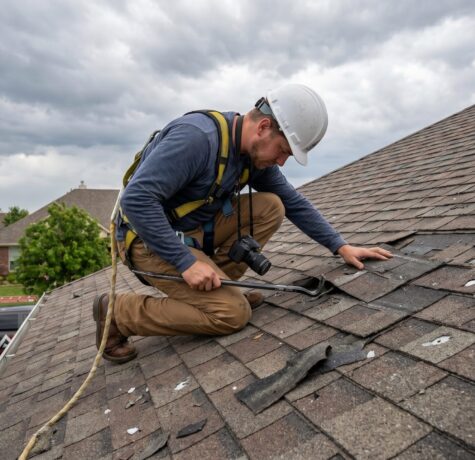
Learn what an ITEL roof report is, how it works, and how it can help Cleveland homeowners determine whether their insurance company approves a repair or full roof replacement after…
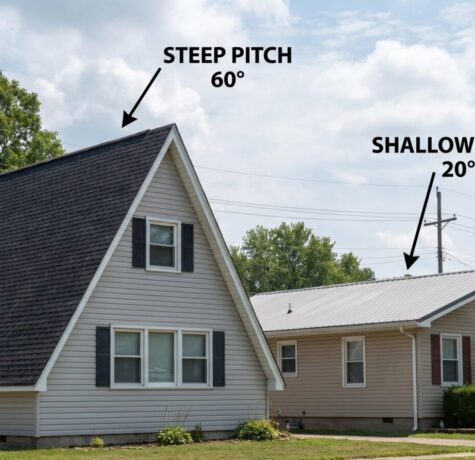
Compare steep and shallow roof pitches to discover which lasts longer in Northeast Ohio’s climate, considering drainage, snow load, materials, and maintenance requirements for your Cleveland area roofing decision.

Complete guide to 2026 roofing costs per square foot in Northeast Ohio, including material pricing, cost factors, and budget planning tips for Cleveland area homeowners.

Roof leaks after heavy rain are almost always caused by an existing vulnerability. Heavy rain doesn’t create the problem; it exposes one that was already there.