

You open your mailbox expecting the usual bills and find a letter from your insurance company. Your heart sinks as you read the words “policy cancellation” or “non-renewal notice.” You haven’t filed a claim, you’ve paid your premiums on time, yet your coverage is being dropped because of your roof or property conditions.
Yes, homeowners insurance can be cancelled due to roof age, debris accumulation, or poor maintenance. Insurance companies evaluate risk continuously and may drop policies when they determine a property poses too much liability. Common triggers include roofs over 15-20 years old, visible damage like missing shingles, accumulated debris that increases fire risk, and signs of neglect like clogged gutters or overhanging branches.
According to recent industry data, homeowners insurance premiums are projected to jump 16% over the next two years, with many insurers using AI and satellite imagery to identify high-risk properties for cancellation.
This guide explains when insurers can cancel your policy, what roof exclusions mean, whether dry rot is covered, and most importantly, what you can do to protect your coverage. Understanding these issues helps you take proactive steps to maintain both your home and your insurance protection in the Cleveland area and throughout Northeast Ohio.
Can homeowners insurance be cancelled because of debris or poor maintenance?
Insurance companies absolutely can cancel or refuse to renew your policy if they believe debris or poor maintenance increases your property’s risk profile. Insurers are particularly concerned about fire hazards, water damage potential, and liability issues that stem from neglected property conditions.
Types of debris that worry insurers include fallen tree branches near your home, accumulated yard waste, combustible materials stored against structures, and clogged gutters filled with leaves and debris. These conditions can accelerate fire spread, create water damage when gutters overflow, or cause injury to visitors navigating cluttered walkways.
Modern insurance companies increasingly use aerial imagery and satellite data to monitor properties between renewal periods, sometimes generating an ITEL report for roof damage insurance claims. What looked acceptable during your initial policy application might be flagged months later through automated imaging systems that detect changes in your property’s condition.
Steps to address debris concerns start with a thorough property cleanup. Remove fallen branches, clear gutters, trim overhanging limbs, and store firewood and other combustible materials at least 30 feet from structures. Document your improvements with before and after photos, then contact your insurer to request a property reassessment.

Can homeowners insurance be cancelled because of your roof?
Your roof’s age and condition represent the single biggest factor in insurance cancellation decisions. Most insurers have specific age thresholds, typically 15-20 years for asphalt shingles, beyond which they either require inspections, add exclusions, or drop coverage entirely.
Roof age affects coverage because older roofs are statistically more likely to fail during storms, leading to expensive claims. A 20-year-old roof may trigger automatic review even if it appears well-maintained. Insurers also worry about liability if an aging roof fails and causes injury or property damage to neighbors.
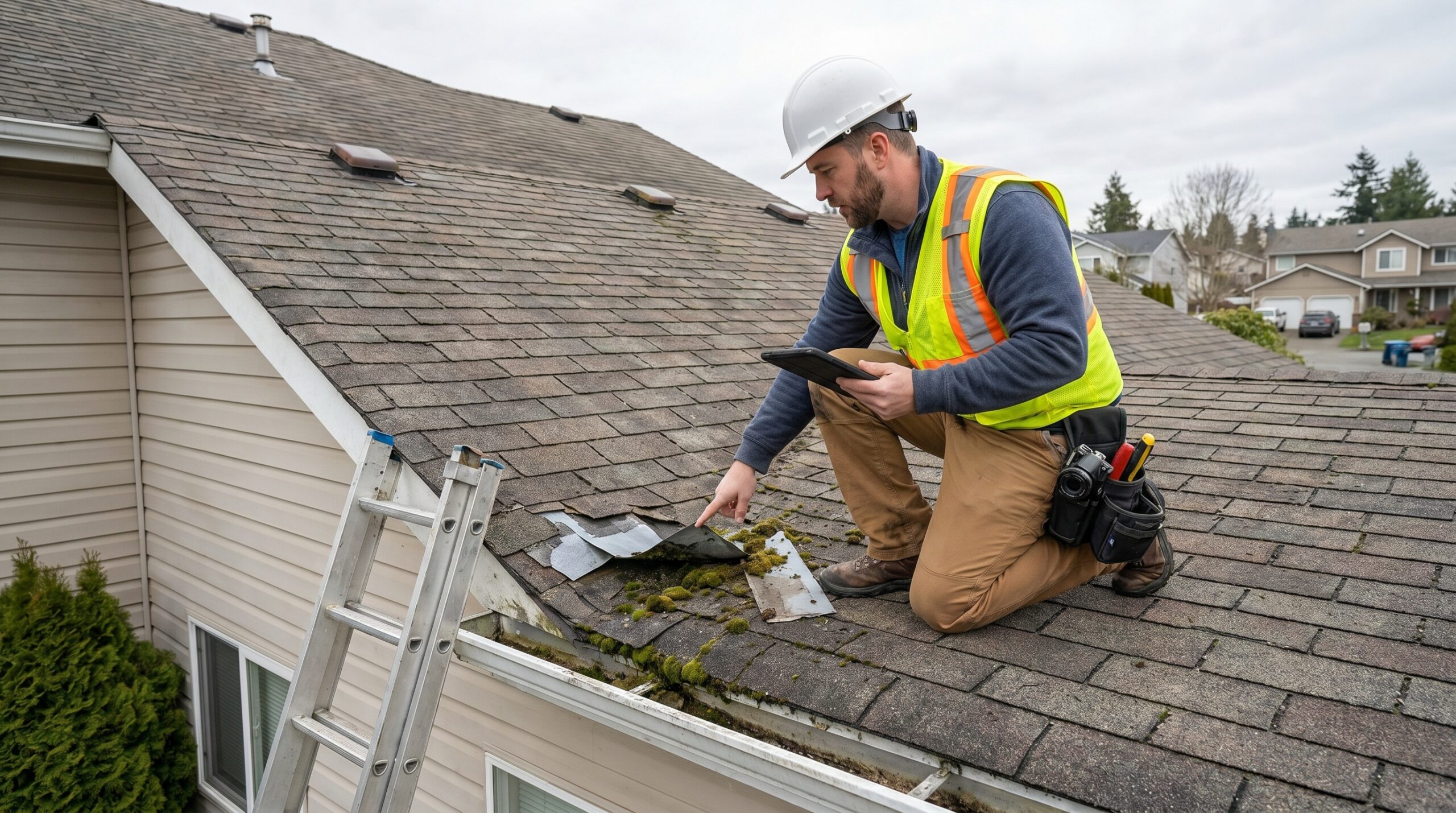
Visible damage that triggers concerns includes missing or curling shingles, exposed underlayment, sagging areas, and signs of previous leaks or repairs. Insurance inspectors look for evidence that the roof cannot adequately protect the home during normal weather events, let alone severe storms common in Northeast Ohio.
Insurance companies now use drone technology and AI analysis to identify roof problems from aerial images, sometimes cancelling policies based on automated assessments before a human inspector ever visits the property.
Responding to roof-related cancellation requires immediate action, and understanding whether insurance will pay for a new roof is crucial. Schedule a professional roof inspection to get an objective assessment of remaining useful life and necessary repairs. Complete critical repairs first, focusing on structural issues and active leaks, and be aware of what happens if it rains while installing a new roof. Document all work with photos, receipts, and contractor reports, then submit this evidence to your insurer for reconsideration.
What is a roof exclusion in homeowners insurance?
A roof exclusion is a policy clause that limits or eliminates coverage for certain types of roof damage. Rather than cancelling your entire policy, insurers sometimes add these exclusions to continue covering other aspects of your home while reducing their exposure to roof-related claims.
Common roof exclusion types include age-based exclusions that deny coverage once your roof reaches a certain age, material-based exclusions for roofs made with slate, wood shakes, or other high-risk materials (you might wonder if you can install a metal roof over shingles as an alternative), and damage-type exclusions that cover sudden events like hail but exclude gradual wear and deterioration.
How exclusions change your coverage can be dramatic. Instead of receiving full replacement cost for roof damage, you might only get actual cash value, which factors in depreciation. Some exclusions are partial, covering storm damage but excluding maintenance-related issues, while others completely remove roof coverage from your policy.
| Coverage Type | With Exclusion | Without Exclusion |
|---|---|---|
| Storm damage to 15-year roof | Actual cash value only | Full replacement cost |
| Gradual wear and tear | Not covered | Not covered (normal) |
| Sudden hail damage | May be covered | Fully covered |
| Wind damage to old roof | Limited or denied | Fully covered |
Negotiating or removing exclusions becomes possible when you improve your roof’s condition, though you should understand the average cost to tear off and replace a roof before committing. A new roof installation or major repairs that extend useful life can sometimes convince insurers to remove exclusions or restore full coverage—familiarize yourself with the 8-step process to replace your roof if considering this option. Professional documentation of improvements strengthens your negotiating position significantly.
Does homeowners insurance cover dry rot?
Dry rot coverage depends entirely on what caused the moisture that led to the rot. Insurance typically covers dry rot when it results from a sudden, covered event like a burst pipe or storm damage, but excludes rot caused by long-term maintenance neglect or gradual moisture infiltration.
Dry rot from sudden covered events might include rot discovered after a kitchen pipe bursts and floods your floor joists, or rot found in walls after storm damage allows water intrusion. In these cases, both the initial water damage and resulting rot are usually covered because they stem from a covered peril.
Dry rot from gradual moisture represents the more common scenario where slow leaks, poor ventilation, or deferred maintenance allows moisture to accumulate over months or years. Insurance companies consider this a maintenance issue rather than a covered loss, making homeowners responsible for both repairs and prevention—similar to situations where State Farm refuses to pay for a roof replacement.
Preventing denied dry rot claims requires proactive moisture management. Fix leaks immediately when discovered, maintain proper ventilation in basements and crawl spaces, and address any signs of water intrusion before they worsen. Document your maintenance efforts with photos and receipts to demonstrate responsible homeownership if claims arise.
Protecting your coverage through proactive maintenance
Regular roof maintenance significantly reduces your cancellation risk while extending your roof’s useful life. Schedule professional inspections every 3-5 years, or after major storms, to identify and address problems before they become insurance concerns. Clean gutters seasonally, trim branches that overhang your roof, and replace damaged shingles promptly.
Documentation proves your diligence to insurance companies reviewing your policy. Keep detailed records of all maintenance, repairs, and improvements with photos, receipts, and contractor reports. This paper trail demonstrates responsible homeownership and can help you successfully appeal cancellation notices or negotiate better terms.
Working with experienced roofing professionals in the Cleveland area helps you stay ahead of potential insurance issues. At Peak and Valley Roofing, we understand the unique challenges Northeast Ohio homeowners face with insurance companies and can provide thorough inspections, quality repairs, and detailed documentation to support your case. Our expertise in insurance restoration and claim assistance helps protect both your home and your ability to maintain affordable coverage.
Taking proactive steps to maintain your roof and property conditions keeps you in control of your insurance situation. While you cannot prevent all cancellations, understanding what triggers insurer concerns and addressing those issues promptly gives you the best chance of maintaining continuous, affordable coverage for your home in Rocky River, Cleveland, and throughout Northeast Ohio.