

Yes, you can absolutely repair just part of a roof instead of replacing the entire system. In Rocky River, Ohio, partial roof repair is often the most practical and cost-effective solution for localized damage from severe storms, sun exposure, or normal wear and tear. This approach can save homeowners thousands of dollars while effectively protecting their homes.
Quick fact: Partial roof repairs in Rocky River typically cost between $350 to $1,500, compared to $10,000 to $15,000 for a complete roof replacement.
When I noticed missing shingles on one section of my Rocky River home after a summer thunderstorm, I wondered if the entire roof needed replacement. Like many homeowners in Cuyahoga County, I discovered that targeted repairs can often solve the problem without the expense of a full roof installation. The key is understanding when partial repair makes sense and how the process works.
When partial roof repair makes sense in Rocky River
Rocky River homeowners face unique roofing challenges due to our demanding Northeast Ohio climate. Intense summer sun, high humidity, and frequent freeze-thaw cycles create conditions where different sections of your roof may wear at different rates. You might find that south-facing slopes show more wear from UV exposure while north-facing areas remain in excellent condition.
Partial repair typically works well when damage is isolated to one area, your roof is under 15 years old, and the underlying structure remains sound. Common scenarios include wind damage from afternoon thunderstorms, isolated shingle breakage, or flashing failures around chimneys and vents.
The environment near Lake Erie also means high winds and severe lake-effect weather can accelerate wear in exposed areas while protected sections maintain their integrity. This uneven aging pattern makes partial repair a logical choice for many local homeowners.
What the inspection process reveals
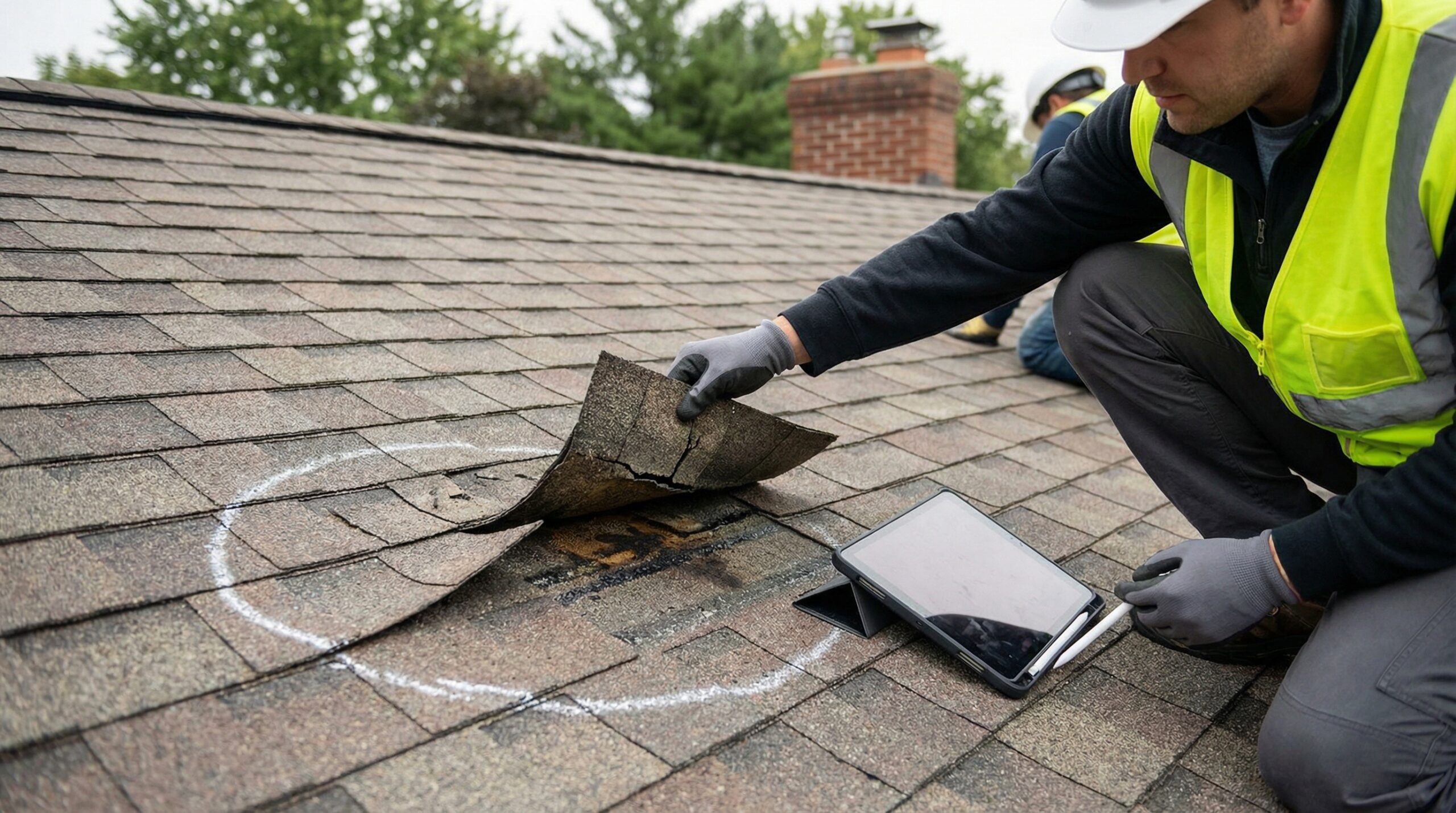
A thorough roof inspection determines whether partial repair will solve your problem effectively. Professional roofers check the damaged section, examine the underlayment beneath exposed areas, and assess the attic for signs of moisture penetration or structural issues.
The inspection also evaluates other roof slopes to confirm the overall condition. If the rest of your roof shows minimal wear and the decking remains solid, partial repair becomes the clear choice. However, if multiple areas show damage or the roof is approaching 20 years old, replacement might be more cost-effective long-term.
Important insight: Most Rocky River roof inspections reveal that storm damage affects only 10-20% of the total roof area, making partial repair the practical solution.
During our severe weather seasons, including harsh winter snows and summer thunderstorms, quick inspections become crucial. Even small sections of missing shingles can allow significant water infiltration during heavy rain and snowmelt, so prompt assessment helps prevent secondary damage to your home’s interior. Understanding the various types of roof storm damage can help you identify problems early.
The repair process step by step
The actual repair work involves several careful steps to ensure the repaired section integrates seamlessly with your existing roof. First, any loose or damaged shingles around the affected area are removed to create clean edges for the new materials.
Next, the underlayment is inspected and replaced if necessary. This waterproof barrier is critical for preventing leaks, especially during Northeast Ohio’s intense storms. New shingles are then installed to match your existing roof, maintaining both protection and appearance.
Each shingle gets properly nailed and sealed to withstand our area’s high winds. The final step includes a comprehensive inspection to catch any small issues that might have been overlooked. Most partial repairs in Rocky River can be completed in a single day, weather permitting.
| Repair Type | Cost Range | Timeline |
|---|---|---|
| Small shingle repair | $350 – $700 | Half day |
| Moderate section repair | $700 – $1,200 | Full day |
| Large area with decking | $1,500+ | 1-2 days |
Making the repair versus replace decision
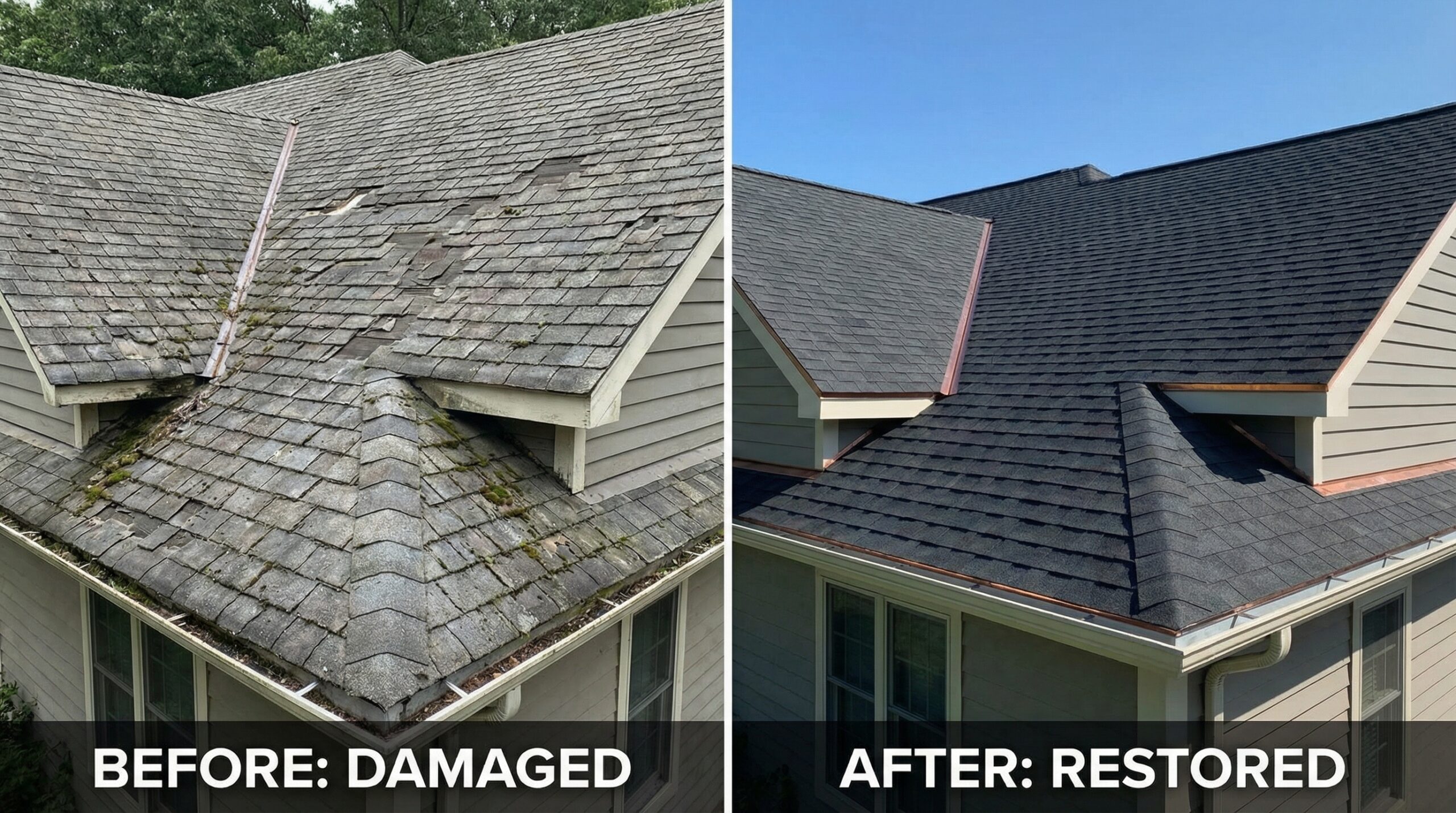
Several factors help determine whether repair or replacement makes the most financial sense for your Rocky River home. Age plays a significant role – roofs under 15 years old with localized damage typically benefit from repair, while roofs over 20 years old may warrant replacement.
The extent of damage matters too. If problems appear in multiple areas or you notice widespread shingle curling and granule loss, replacement often provides better long-term value. However, when damage is confined to one section and the rest of your roof remains in good condition, repair offers substantial savings. Learning about the common types of roof damage and repair solutions can help you make an informed decision.
Consider your future plans as well. If you plan to sell your home within a few years, a partial repair might be sufficient. For long-term homeowners, the decision often depends on the roof’s overall condition and your budget for home maintenance. If you’re dealing with an older roof, you might want to explore whether repairing an old roof is worth it.
Cost comparison: A typical partial repair in Rocky River costs 75-85% less than full replacement while extending your roof’s life by 5-10 years.
The unpredictable nature of Northeast Ohio weather also influences this decision. A properly executed partial repair can withstand our storms and freeze-thaw cycles just as effectively as a complete roof, provided the underlying structure remains sound. For homeowners preparing for severe weather, reviewing holiday roof prep tips for Ohio homes can be invaluable.
Understanding your options helps you make confident decisions about your Rocky River roof. Whether you need a small repair after storm damage or you’re evaluating a larger section replacement, working with experienced local contractors ensures you get honest recommendations based on your specific situation and budget. The key is acting quickly when you notice damage, especially during our active storm and winter seasons, to prevent costly damage and avoid small problems from becoming major expenses.