

If you’re wondering whether a new roof will lower your homeowners insurance, the answer is: it depends, but often yes. A new roof can reduce your insurance premiums by 5% to 21%, with roof replacement being the home improvement that delivers the most significant insurance savings. However, the actual impact varies based on your roof’s age, material choice, location, and your specific insurance carrier’s policies.
Key insight: Replacing a 20-year-old roof can save homeowners an average of $625 annually, or about 21% on their insurance premiums, making it one of the most effective ways to reduce insurance costs.
Many homeowners in Rocky River, Cleveland, and throughout Northeast Ohio discover their aging roof affects more than just curb appeal. Insurance companies view your roof as the first line of defense against weather damage, and they price your policy accordingly. At Peak and Valley Roofing, we help homeowners understand how their roofing choices impact insurance costs before making this significant investment.
How much can a new roof save on homeowners insurance
The potential savings from a new roof vary significantly, but research shows meaningful reductions are possible. According to insurance industry data, homeowners with brand-new roofs pay an average of $363 less per year compared to those with 10-year-old roofs.
Your savings depend on several factors. Impact-resistant shingles can qualify for discounts of 5% to 15% in many areas, while metal roofing often receives favorable treatment due to its wind and fire resistance. The age gap between your old and new roof matters too – replacing a 20-year-old roof typically delivers more dramatic savings than upgrading a 5-year-old one.
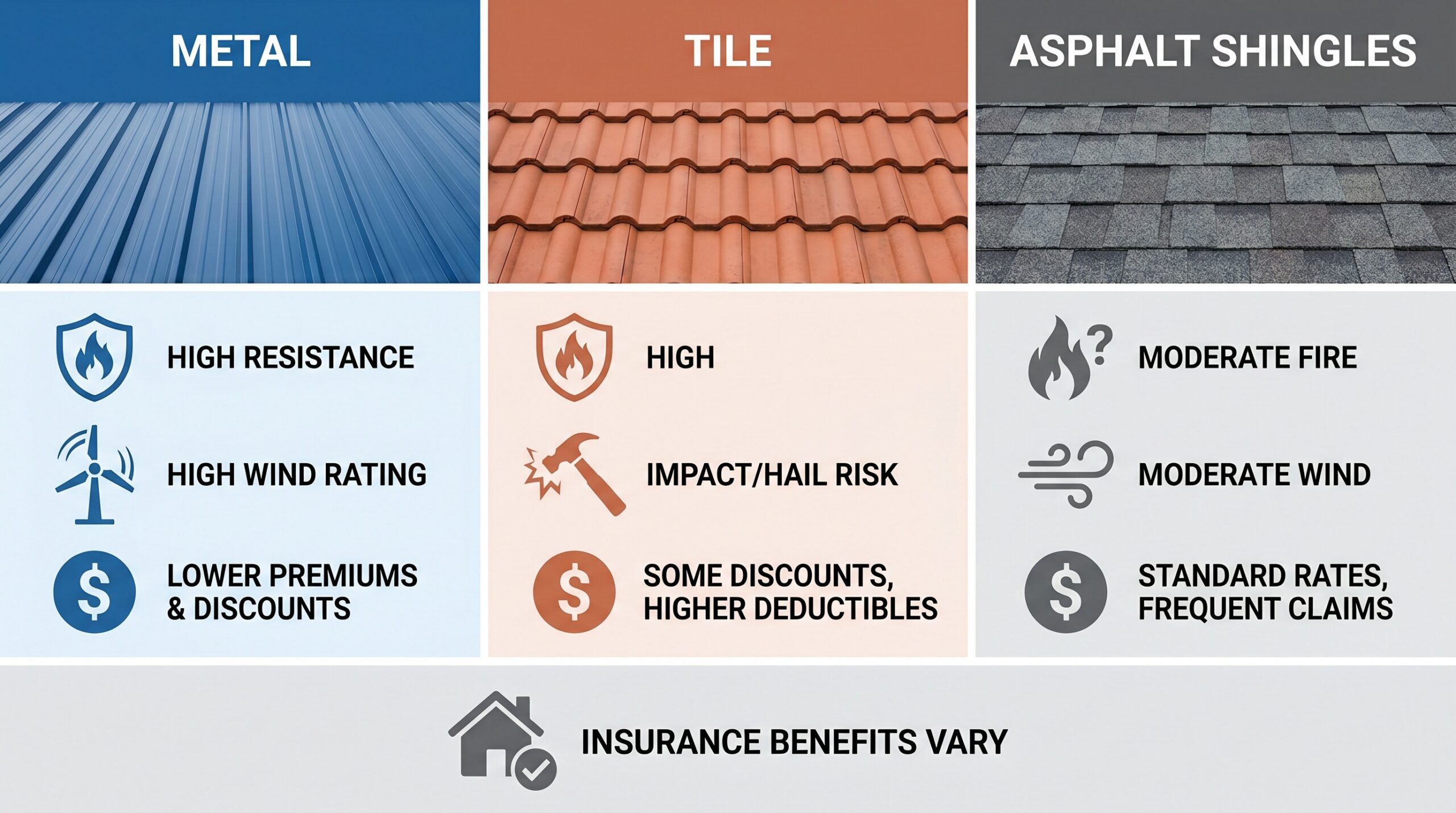
Most insurance companies offer the largest discounts for roofs less than 10 years old, with some carriers providing additional credits for impact-resistant materials or superior installation methods. However, remember that premium reductions alone rarely justify the $10,000 to $30,000 investment of roof replacement.
Factors that determine your insurance savings
Several key factors influence whether your new roof will lower insurance premiums. Roof age stands as the most critical element – insurance companies typically reduce coverage or increase premiums once roofs reach 15-20 years old, depending on the material.
Your roofing material choice significantly impacts insurance pricing. Metal and tile roofs generally receive favorable treatment due to their durability and weather resistance. Asphalt shingles offer moderate benefits, while wood shakes often increase premiums due to fire risk and maintenance requirements.
Important consideration: Your location plays a crucial role in determining savings. Homes in Northeast Ohio’s hail-prone areas see larger discounts for impact-resistant materials, while properties near Lake Erie benefit more from wind-resistant installations that can handle the region’s severe weather patterns.
Local weather patterns and building codes also affect your potential savings. Areas with frequent severe weather like Cleveland and surrounding communities typically offer more substantial discounts for protective roofing features. Additionally, your insurance carrier’s specific underwriting guidelines determine which improvements they reward with lower premiums.
When insurance pays for roof replacement and how it affects rates
Insurance companies typically cover roof replacement only when sudden, accidental damage occurs from covered perils like hail, wind, or fire. They don’t pay for normal wear and tear or maintenance issues, which means most roof replacements come out of your pocket.
The frequency of roof claims can impact your future premiums and insurability. Filing multiple claims within a few years may lead to non-renewal or higher rates, even if the claims were legitimate. This reality makes preventive roof replacement an attractive option for many homeowners in the Cleveland area, especially given Northeast Ohio’s challenging weather conditions.
Your policy type determines how much you’ll receive if damage occurs. Replacement Cost Value coverage pays full replacement costs without depreciation, while Actual Cash Value policies subtract depreciation based on your roof’s age. Newer roofs typically qualify for better coverage terms and higher claim payouts.

Steps to maximize insurance benefits after roof replacement
Getting the most from your new roof investment requires proper documentation and communication with your insurance company. Start by keeping detailed records of your installation, including contracts, permits, photos, and manufacturer warranties.
Contact your insurance agent immediately after completion to request a policy review. Many companies won’t automatically apply discounts – you need to provide proof of the new roof and request updated coverage terms. Ask specifically about available discounts for your roofing material and any impact-resistant features.
Consider getting a roof certification from a licensed inspector, especially if you’ve installed premium materials or upgraded beyond basic code requirements. This documentation can help secure better coverage terms and may prevent future inspection requirements that older roofs often face.
| Roof Material | Typical Insurance Impact | Key Benefits |
|---|---|---|
| Impact-Resistant Shingles | 5-15% discount potential | Hail resistance, UL 2218 rated |
| Metal Roofing | Moderate to high savings | Wind/fire resistance, longevity |
| Tile or Slate | Moderate savings | Durability, weather resistance |
| Standard Asphalt | Low to moderate impact | Cost-effective, widely accepted |
Working with experienced local contractors like Peak and Valley Roofing ensures your roof installation meets insurance requirements and maximizes potential savings. As a family-owned company specializing in insurance restoration work throughout Northeast Ohio, we help homeowners navigate insurance considerations, choose appropriate materials, and provide the documentation needed to secure available discounts.
Remember that while insurance savings provide ongoing value, the primary benefits of roof replacement include improved protection, enhanced home value, and peace of mind during severe weather events that are common in the Cleveland area.