

When potential buyers pull up to your home, they form opinions within seconds that can make or break a sale. This psychological phenomenon, known as the “halo effect,” means your exterior creates assumptions about everything inside before visitors even cross the threshold. Exterior home improvements consistently deliver 70-85% return on investment, with some projects recouping even more in competitive markets.
Quick Fact: Homes with strong curb appeal sell for 7-11% more than similar properties with neglected exteriors, translating to thousands of dollars in additional value.
The science behind first impressions reveals why strategic exterior investments consistently outperform other home improvements. When you understand what drives buyer psychology, you can make smart choices that maximize both immediate appeal and long-term property value.
The science behind first impressions in real estate
Your home’s exterior acts as a visual anchor that frames buyer expectations before they step inside. Research shows that prospective buyers develop crucial evaluations within moments of seeing a property, and these initial impressions heavily influence their willingness to pay premium prices.
The psychological concept of the “halo effect” explains why a well-maintained exterior creates positive assumptions about the entire property. When buyers see quality roofing, fresh siding, and updated windows, they automatically assume the interior and mechanical systems are equally well-maintained. This perception allows sellers to command higher asking prices and often leads to faster sales in competitive markets.
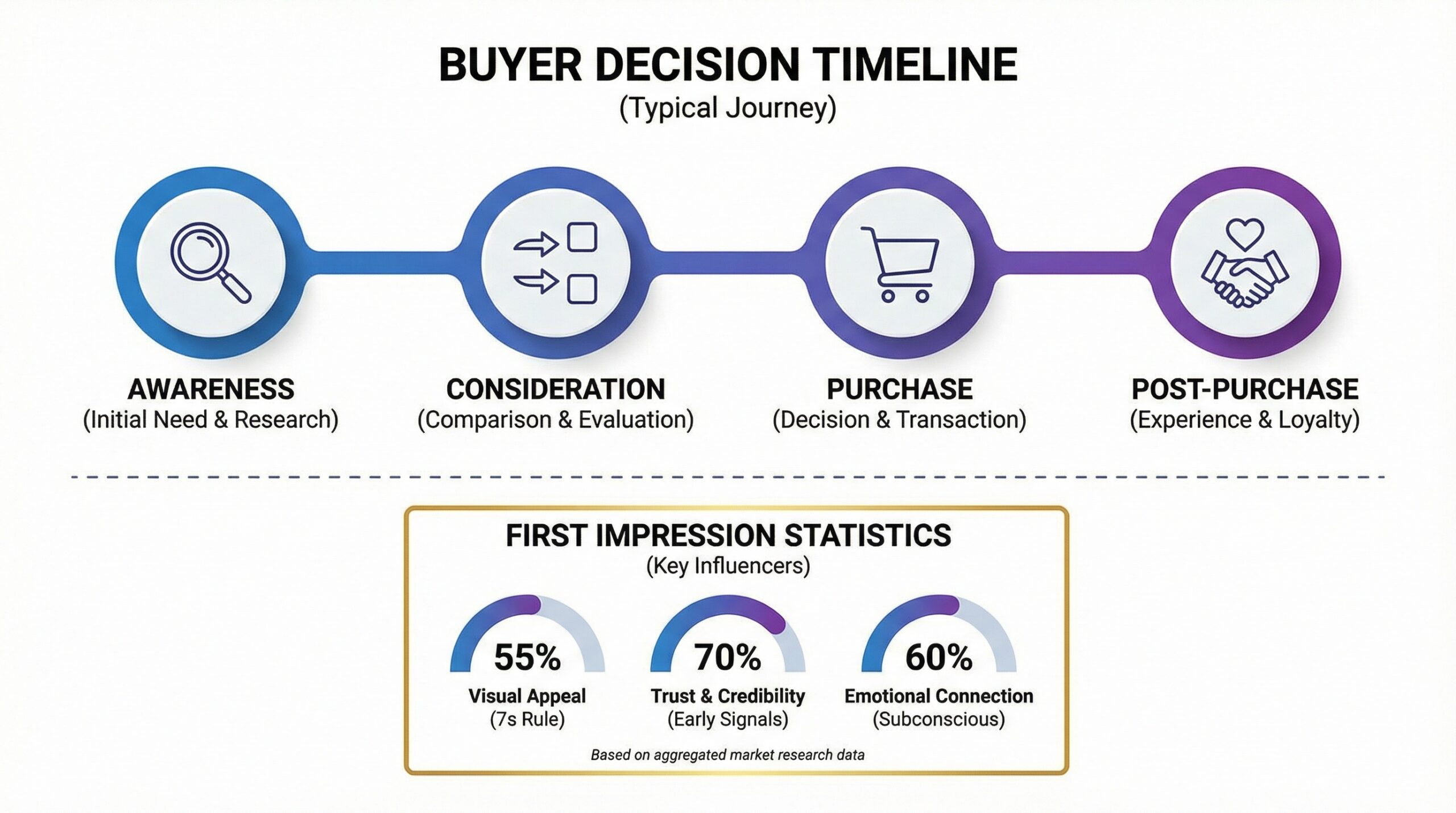
According to njroofingcompany.com, homes with updated exteriors typically sell faster and attract more serious buyers who view the property as move-in ready. This buyer confidence translates directly into stronger offers and fewer negotiation challenges during the sales process.
Key exterior elements that drive property values
Three major exterior components consistently deliver the highest returns on investment while creating the strongest psychological impact on potential buyers. Understanding how each element influences buyer perceptions helps you prioritize improvements that maximize both curb appeal and resale value.
Roofing as your home’s crown jewel serves as the most visible and influential exterior component. A deteriorating roof can devalue your property by 15-20% regardless of interior condition, while quality roofing materials like architectural shingles or metal systems can deliver 70-130% ROI according to bigdognj.com.
Siding replacement offers exceptional value with 75-80% average ROI, particularly when you choose materials that complement your home’s architectural style. Modern options like insulated vinyl or fiber cement provide both aesthetic appeal and energy efficiency benefits that today’s buyers increasingly prioritize. When planning your exterior transformation, understanding the complete budget breakdown for siding replacement helps you make informed decisions about materials and installation.
Energy Efficiency Bonus: New siding with proper insulation can reduce heating and cooling costs by up to 20%, making your home more attractive to cost-conscious buyers.
Window upgrades create focal points that communicate quality and energy efficiency. Updated windows not only improve your home’s appearance but also signal to buyers that they won’t face immediate replacement costs, which can influence their offer amounts significantly. For homeowners ready to tackle this project, learning how to measure windows for replacement ensures accurate ordering and professional results.
Calculating return on investment for exterior improvements
Understanding the financial impact of exterior upgrades helps you make informed decisions about which projects deliver the best value for your investment. Different improvements offer varying returns depending on your home’s current condition, local market conditions, and the quality of materials chosen.
here’s how major exterior improvements typically perform:
| Improvement Type | Average ROI | Best For |
|---|---|---|
| Roof Replacement | 70-85% | Homes with aging or damaged roofing |
| Siding Upgrade | 75-80% | Properties needing exterior refresh |
| Window Replacement | 65-75% | Homes with single-pane or damaged windows |
| Entry Door Update | 85-95% | Quick impact projects with modest investment |
The key to maximizing ROI lies in choosing improvements that address your home’s most visible weaknesses first. A new roof on a home with excellent siding will have different impact than the same roof on a property that needs comprehensive exterior work. Understanding when to repair versus replace your siding can help you allocate your budget more effectively.
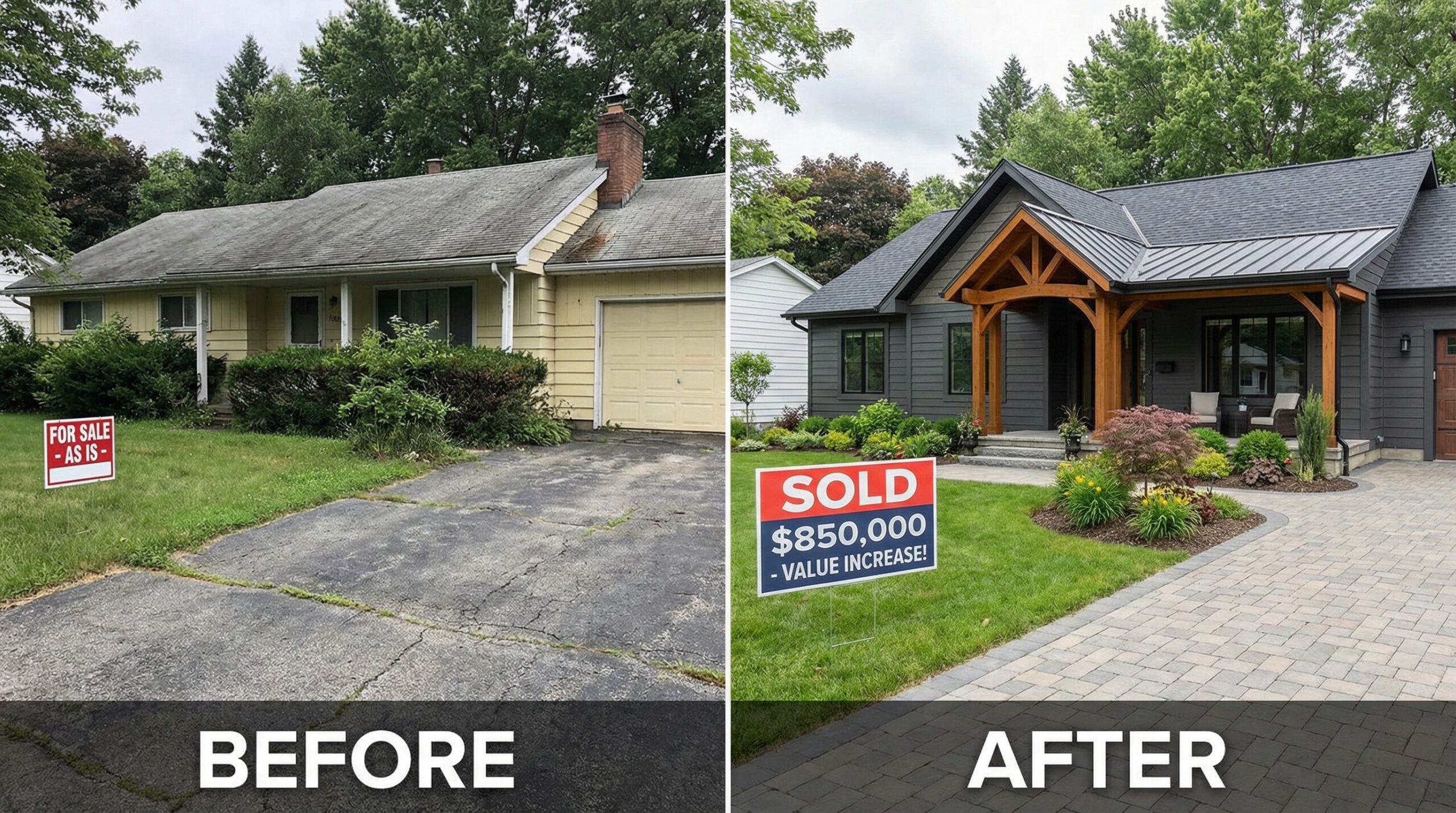
Market timing also influences returns, with exterior improvements typically delivering higher value when completed 6-12 months before listing. This timing allows you to enjoy the improvements while building equity that translates to higher sale prices.
Professional installation versus DIY impact on value
The quality of installation significantly affects both the immediate visual impact and long-term value of exterior improvements. While DIY approaches might reduce upfront costs, they often diminish the ultimate return on investment when it comes time to sell.
Professional installation ensures proper techniques that protect your investment and meet buyer expectations for quality. Areas like roofing, complex siding transitions, and window replacement require specialized knowledge to prevent issues that could become costly problems later. Avoiding common siding installation mistakes is crucial for maintaining your home’s value and structural integrity.
Quality Matters: Buyers and inspectors can often identify DIY work, which may raise concerns about proper installation and long-term durability.
When evaluating contractors, focus on local professionals who understand your area’s climate challenges and architectural styles. Proper licensing, detailed warranties, and local references indicate contractors who can deliver the quality installation that maximizes your exterior investment’s value.
The difference between professional and amateur work becomes especially apparent during home inspections, where quality installation techniques can prevent deal-breaking discoveries that derail sales negotiations.
Strategic planning for maximum curb appeal impact
Creating a cohesive exterior improvement plan ensures your investments work together to create maximum visual impact and property value. Rather than tackling projects randomly, strategic planning helps you achieve the best results within your budget while avoiding mismatched improvements that confuse potential buyers.
Start with your home’s most visible weaknesses and prioritize improvements that address structural concerns first. A quality roof provides the foundation for other exterior improvements, while siding and windows create the visual framework that defines your home’s character and appeal. Understanding the synergy between exterior home protection elements helps you create a comprehensive upgrade strategy.
Consider your neighborhood’s standards and architectural styles when selecting materials and colors. Homes that complement their surroundings while offering subtle distinctions tend to attract more buyer interest than properties that clash with local aesthetics or appear over-improved for their market segment. Exploring James Hardie siding colors can help you select shades that enhance your home’s architectural character.
The most successful exterior renovations balance immediate visual impact with long-term value creation. By understanding buyer psychology and focusing on improvements that create positive first impressions, you can transform your home’s exterior into a powerful asset that drives both pride of ownership and financial returns when it’s time to sell.