When you’re standing in your driveway looking up at your roof, one question probably crosses your mind: how much longer will this thing actually protect my home? You’re not alone in wondering about this. The average roof lasts between 20 to 50 years, but that’s a pretty wide range, right? The real answer depends heavily on what your roof is made of, how well it was installed, and how you’ve maintained it over the years.
Quick Answer: Most asphalt shingle roofs last 20-25 years, metal roofs can go 40-70 years, while slate and clay tiles can protect your home for 50-100+ years with proper care.
Think of your roof like a car. A basic economy model might get you where you need to go for a while, but a well-built truck with regular maintenance will serve you much longer. The same principle applies to roofing materials. Let’s break down what you can realistically expect from each type and what factors will either extend or shorten your roof’s life.
Understanding different roofing material lifespans
The material covering your home makes the biggest difference in how long your roof will last. According to jpcarrollroofing.com, each material has distinct characteristics that affect durability and longevity.
Asphalt shingles remain the most popular choice for good reason. They typically last 20-25 years and offer an excellent balance of cost and performance. Three-tab shingles usually hit the lower end of this range, while architectural shingles can push toward 30 years with proper maintenance. You’ll know they’re reaching the end when you start finding granules in your gutters or notice curling edges. Understanding how many shingles are in a bundle can help you plan for replacement costs when that time comes.
Metal roofing represents one of the best long-term investments you can make. Steel and aluminum roofs commonly last 40-70 years, according to mallardroofing.com. Copper takes this even further, potentially lasting over 100 years, though it will develop that distinctive green patina over time. The minimal maintenance requirements make metal particularly appealing for homeowners who want to “set it and forget it.”
Tile roofing offers exceptional longevity, with clay and concrete tiles lasting 50-100+ years. However, there’s an important caveat here. While the tiles themselves can last decades, mallardroofing.com notes that the underlayment beneath them typically needs replacement every 25-30 years. This means you’ll have maintenance costs even with long-lasting tiles.
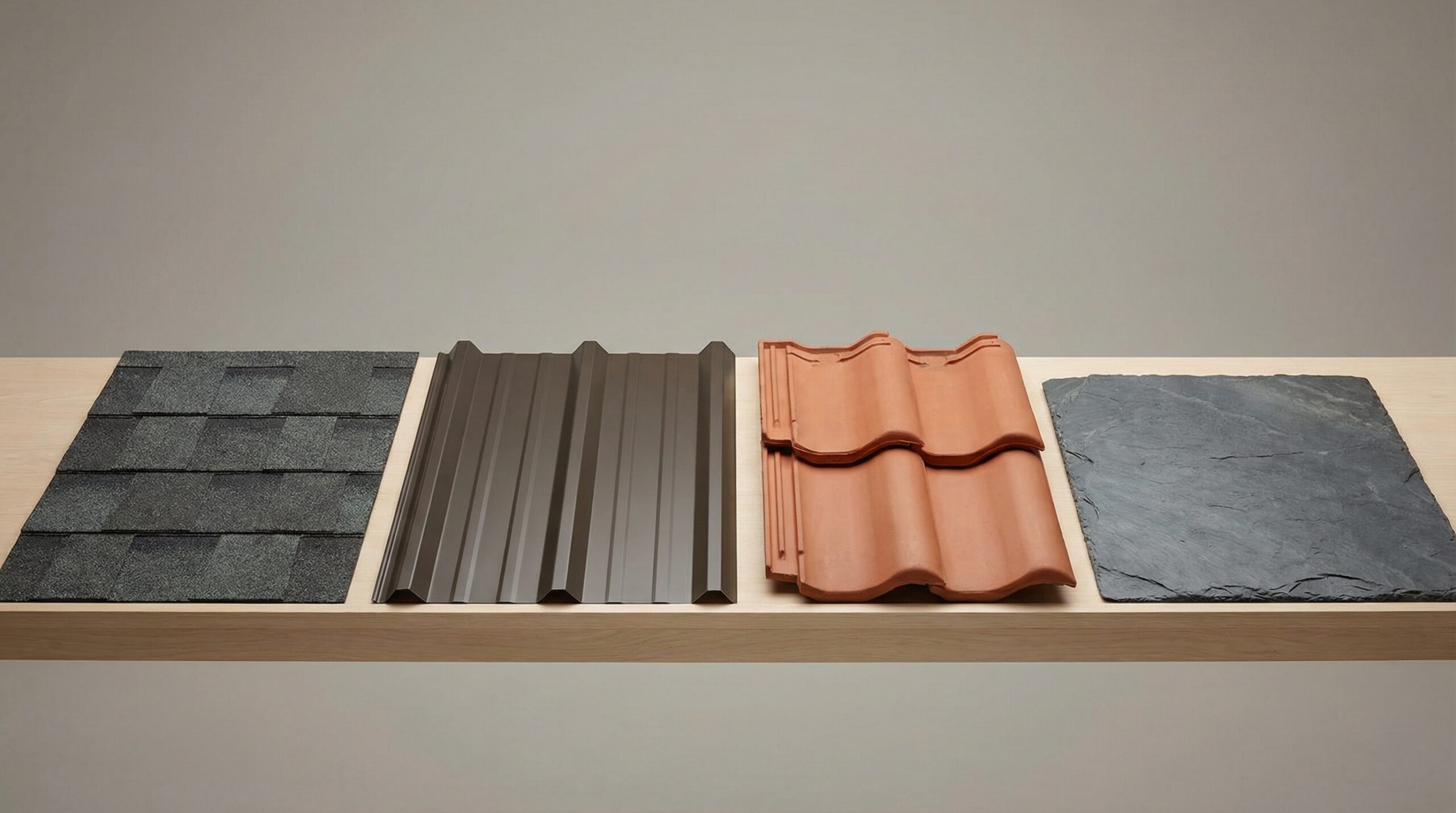
Slate roofing sits at the top of the longevity pyramid. Natural slate can last 75-150 years or even longer with proper care. It’s essentially stone on your roof, so weather has minimal impact. The main challenges are the significant weight requiring structural support and the high upfront cost.
Key factors that determine your roof’s actual lifespan
Even the best roofing material won’t reach its full potential without the right conditions. Several factors work together to determine whether your roof hits the high or low end of its expected range.
Installation quality makes or breaks everything else. stevensroofingcorp.com emphasizes that even premium materials will fail early with poor installation. Proper ventilation, correct fastening, and attention to flashing details all impact long-term performance. This is why choosing an experienced contractor matters more than saving a few dollars upfront.
Climate conditions in your area significantly affect lifespan. Frequent freeze-thaw cycles, high winds, hail storms, and intense UV exposure all accelerate aging. If you live in an area with severe weather, expect to lean toward the lower end of lifespan estimates. Coastal areas face additional challenges from salt air, which can corrode metal components faster. Understanding what temperature is too cold to install a roof is crucial for timing your replacement properly.
Pro Tip: Regular maintenance can extend your roof’s life by 20-30%. Simple tasks like cleaning gutters, trimming overhanging branches, and addressing small issues quickly prevent major problems later.
Maintenance habits play a huge role in actual lifespan. rapidroofing.com points out that homeowners who perform regular inspections and address minor issues promptly often see their roofs exceed expected lifespans. Conversely, neglecting maintenance can cut years off even premium materials. Scheduling a comprehensive roof inspection at least annually helps catch problems before they become costly.
Warning signs it’s time to consider replacement
Knowing when to replace your roof before major problems develop can save you thousands in water damage and emergency repairs. tri-countyroofing.com identifies several key indicators that replacement time is approaching.
Age-related replacement becomes a consideration when your roof approaches its expected lifespan, even if it looks okay from the ground. A 20-year-old asphalt roof or 45-year-old metal roof should be professionally inspected annually to catch developing issues early.
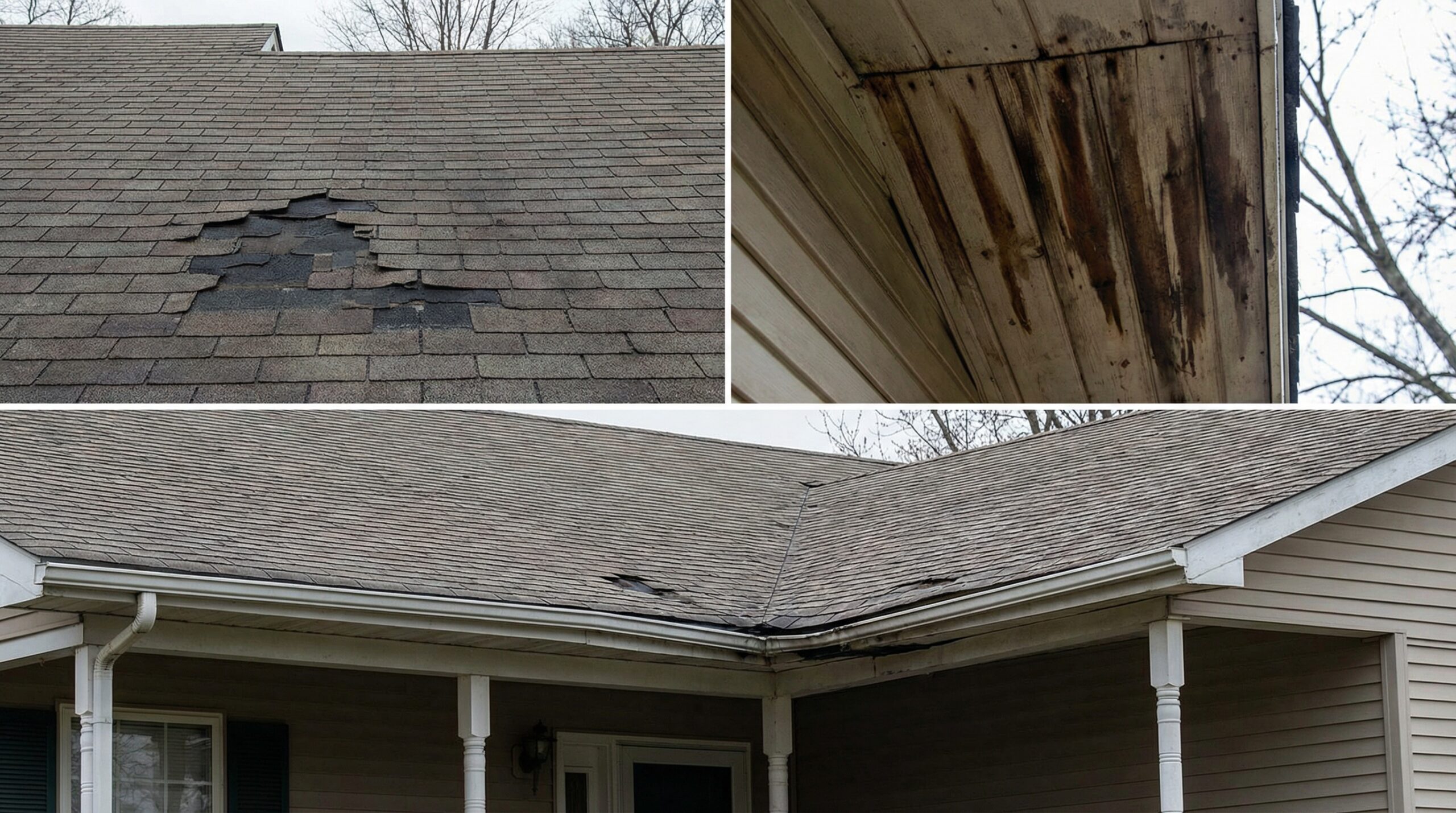
Visible damage signs include missing or damaged shingles, granule loss in gutters, cracked tiles, or rust spots on metal roofing. Multiple damaged areas across the roof often indicate systemic aging rather than isolated problems that can be patched.
Structural concerns like sagging sections, water stains on interior ceilings, or daylight visible through the attic require immediate attention. These issues suggest the roof’s protective barrier has been compromised and water infiltration is occurring.
Frequent repairs becoming necessary is often more telling than any single major issue. When you find yourself calling for repairs multiple times per year, the cumulative cost often exceeds replacement value, and reliability becomes questionable. Understanding the risks of adding a second layer to your roof is important if you’re considering this as a cost-saving measure.
Making smart decisions about roof replacement timing
The decision to replace your roof involves balancing current condition, remaining lifespan, and your long-term plans for the property. Understanding these factors helps you make the most cost-effective choice.
Consider your timeline for staying in the home. If you plan to sell within five years, a major roof replacement might not provide full value return. However, if this is your forever home, investing in premium materials that will last 50+ years makes financial sense.
Weather patterns in your area should influence both material choice and replacement timing. If you live in a hail-prone region, impact-resistant shingles or metal roofing provide better long-term value than standard asphalt. Similarly, timing replacement before severe weather seasons helps avoid emergency situations. Winter roof inspections can be an excellent time to assess your roof’s condition and plan for spring replacement.
Budget considerations extend beyond the initial replacement cost. Factor in the maintenance requirements and expected lifespan when comparing options. A metal roof might cost twice as much upfront but could be the last roof you ever need to install. Before making your decision, make sure to ask your roofing contractor the right questions to ensure you’re getting quality work and fair pricing.
Your roof’s lifespan ultimately depends on the interplay between material choice, installation quality, environmental factors, and maintenance habits. While you can’t control the weather, you can choose quality materials, hire experienced contractors, and stay on top of maintenance to maximize your investment. When replacement time comes, use the lessons learned from your current roof to make an even better choice for the future.
Regular professional inspections help you stay ahead of problems and make informed decisions about repairs versus replacement. At Peak and Valley Roofing, we help homeowners understand their roof’s condition and make the best choices for their specific situation and budget.