

When you’re investing in a new asphalt roof for your Rocky River home, you want to know exactly what you’re getting for your money. The short answer is that asphalt roofs typically last 15 to 30 years, but Northeast Ohio’s brutal weather can significantly impact that timeline. Between the freeze-thaw cycles, heavy snow loads, and summer heat waves, your roof faces challenges that homeowners in milder climates simply don’t experience.
Quick fact: While manufacturers advertise 30-50 year lifespans, Rocky River contractors typically see asphalt roofs lasting 15-25 years due to harsh Northeast Ohio weather conditions.
Understanding your roof’s realistic lifespan helps you budget for maintenance and plan for eventual replacement. Let’s explore what you can actually expect from different asphalt shingle types in Rocky River’s demanding climate.
Realistic asphalt shingle lifespans in Northeast Ohio weather
Northeast Ohio’s extreme weather conditions create a perfect storm for roof wear. The region’s climate puts asphalt shingles through constant expansion and contraction cycles that accelerate aging compared to manufacturer estimates.
Here’s what roofing contractors actually observe in the Rocky River area:
3-tab asphalt shingles typically last 15-20 years in Northeast Ohio, despite manufacturer claims of 20-25 years. These basic shingles are thinner and more vulnerable to wind uplift and temperature extremes.
Architectural shingles perform better, lasting 20-25 years on average. Their heavier construction and layered design provide better resistance to our harsh conditions.
Premium asphalt shingles can reach 25-30 years with proper installation and maintenance, though they rarely achieve the advertised 40-50 year lifespans in our climate.
The key difference between manufacturer estimates and real-world performance comes down to Northeast Ohio’s microclimate variations. Homes near Lake Erie face different humidity and wind patterns than properties 30 miles inland, affecting how quickly materials age.
Weather factors that shorten roof life in Rocky River
Northeast Ohio’s weather creates specific challenges that homeowners in milder climates don’t face. Each season brings its own set of stressors that gradually wear down your asphalt shingles.
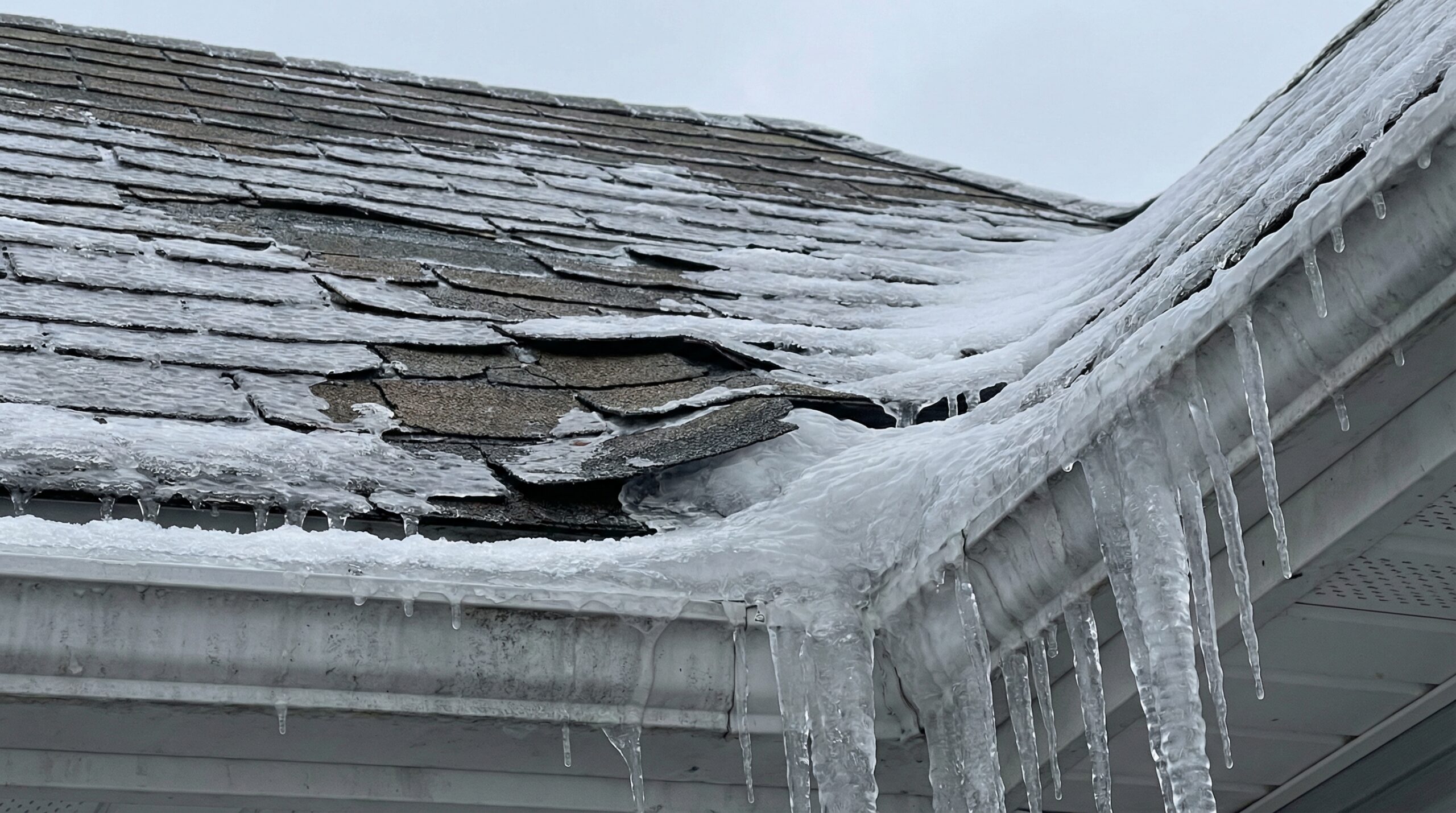
Winter freeze-thaw cycles cause the most damage. Water seeps into small cracks in shingles, then expands when it freezes, creating larger cracks and lifting shingle edges. This cycle repeats dozens of times each winter, accelerating deterioration. Understanding what temperature is too cold to install a roof is crucial for timing replacements properly.
Heavy snow loads and ice dams add weight stress and create water backup issues. Ice dams form when warm attic air melts snow on the roof, which then refreezes at the gutters, forcing water under shingles.
Summer heat and UV exposure bake asphalt shingles, making them brittle and causing granule loss. Northeast Ohio’s intense summer sun combined with high humidity creates conditions that dry out shingles faster than in drier climates.
Wind-driven storms throughout the year can lift shingle edges, tear off damaged sections, and drive debris into the roof surface. Our position in a storm-prone region means frequent severe weather events that test your roof’s durability.
Important note: Homes with poor attic ventilation can lose 5-10 years of roof life due to trapped heat and moisture that accelerates shingle breakdown from underneath.
Essential maintenance to extend your roof’s lifespan
Regular maintenance can help you reach the upper end of your asphalt roof’s lifespan range, even in Northeast Ohio’s challenging climate. The key is staying ahead of small problems before they become major issues.
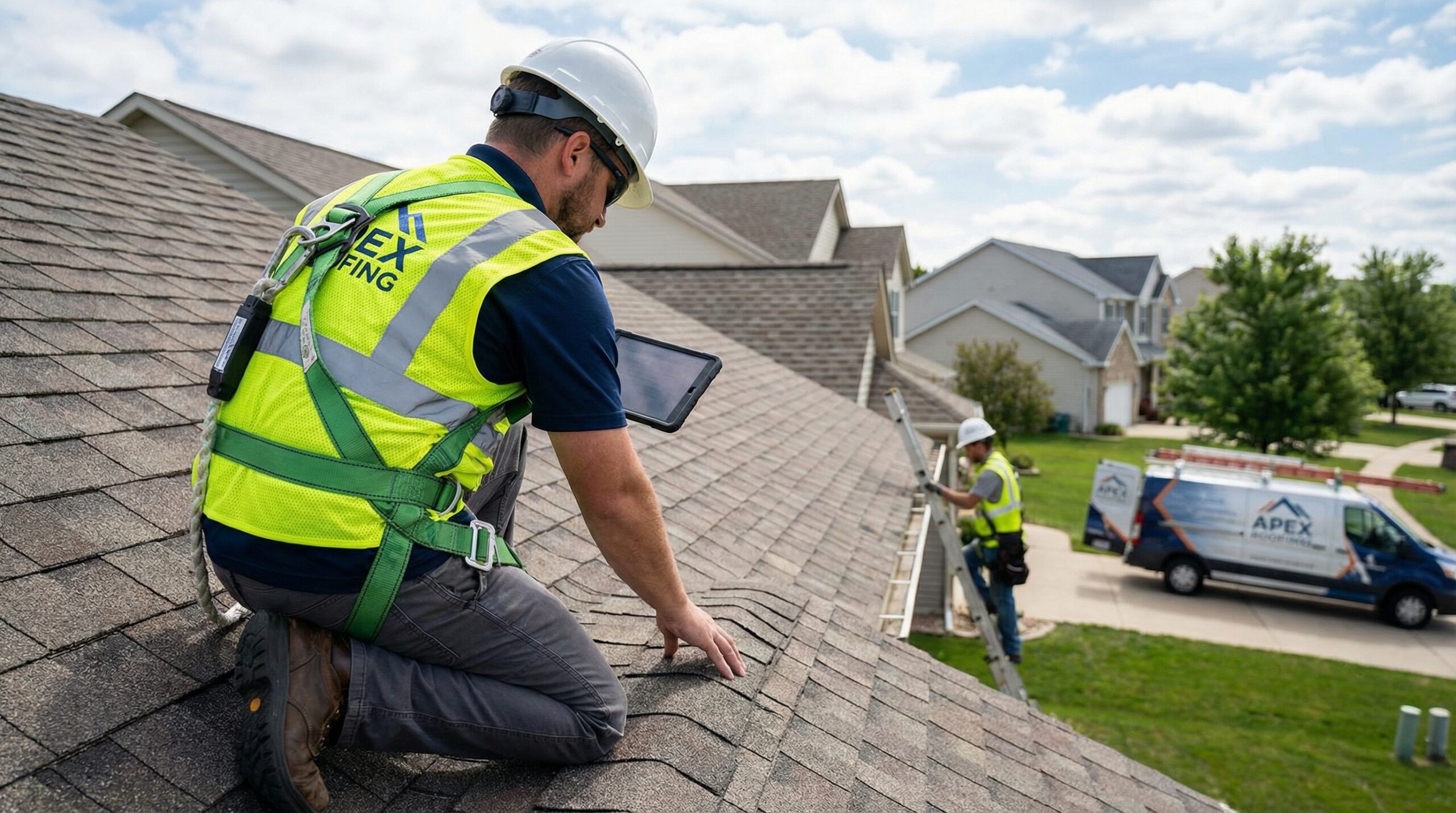
Schedule professional inspections twice yearly, ideally in spring and fall. A qualified roofer can spot early signs of damage like loose or missing shingles, worn flashing, and granule loss that you might miss from ground level. Learn more about what to expect during a comprehensive roof inspection.
Keep gutters and downspouts clear to ensure proper water drainage. Clogged gutters can cause water to back up under shingles, leading to rot and leaks. Clean them at least twice yearly and after major storms.
Maintain proper attic ventilation to prevent heat and moisture buildup. Your attic should have balanced intake vents in the soffits and exhaust vents near the ridge. Poor ventilation can void manufacturer warranties and significantly shorten roof life.
Address minor repairs immediately rather than waiting for convenient timing. A few missing shingles or small flashing issues can quickly escalate into major water damage during Rocky River’s next severe weather event.
| Maintenance Task | Frequency | Impact on Lifespan |
|---|---|---|
| Professional inspection | Twice yearly | +3-5 years |
| Gutter cleaning | Spring/Fall | +2-3 years |
| Ventilation check | Annual | +5-8 years |
| Minor repairs | As needed | +2-4 years |
Smart strategies for maximizing your roof investment
Getting the most value from your asphalt roof requires strategic decisions from installation through maintenance. These approaches can help you reach or exceed typical Rocky River lifespan expectations.
Choose quality installation over lowest price. A properly installed roof with quality materials will consistently outlast a cheaper installation. Look for contractors with local experience who understand Northeast Ohio’s specific challenges. Before hiring, review these essential questions to ask your roofing contractor.
Invest in architectural shingles if your budget allows. The extra cost upfront often pays for itself through longer lifespan and better storm resistance compared to basic 3-tab shingles.
Consider your home’s specific exposure when planning maintenance. South-facing roofs and those with minimal tree cover need more frequent inspections due to increased UV exposure and storm vulnerability.
Plan for replacement timing based on realistic expectations rather than manufacturer warranties. Start budgeting for replacement when your roof hits the 15-20 year mark, even if it looks fine from the ground. Understanding roofing measurements and squares can help you better estimate replacement costs.
Pro tip: Keep detailed records of all maintenance and repairs. This documentation helps with warranty claims and provides valuable information for future contractors or home buyers.
Your asphalt roof represents a significant investment in your Rocky River home’s protection and value. While the region’s harsh climate means shorter lifespans than advertised, proper maintenance and realistic expectations help you maximize that investment. Regular professional inspections, prompt repairs, and quality installation practices can help you reach the upper end of the 15-30 year lifespan range, keeping your family dry and comfortable through every Northeast Ohio season.