

Planning a roofing project can feel overwhelming, especially when you encounter unfamiliar terms like “bundles” and “squares.” If you’re wondering how many shingles come in a bundle, you’re asking the right question. Understanding shingle quantities helps you verify contractor estimates and make informed decisions about your roofing materials.
Most standard asphalt shingle bundles contain 20 to 29 individual shingles, with each bundle covering approximately 33 square feet. Three bundles typically equal one roofing square (100 square feet), though this varies by shingle type. Architectural shingles usually have 20-22 shingles per bundle, while 3-tab shingles contain 26-29 pieces.
Quick Fact: A typical residential roof requires 3 bundles per square for standard shingles, but luxury shingles may need 4 bundles to cover the same area.
At Peak and Valley Roofing, we believe homeowners should understand exactly what they’re purchasing. This guide breaks down shingle bundle counts, coverage calculations, and the factors that influence material quantities for your roofing project.
Understanding roofing measurements
Roofing professionals use a unique measurement system that differs from typical home improvement projects. Instead of counting individual shingles, the industry works with bundles and squares to streamline material ordering and installation.
A roofing square equals 100 square feet of roof surface area. This standardized measurement allows contractors to calculate materials consistently across different manufacturers like GAF, Owens Corning, and CertainTeed. Whether your roof is 1,500 or 2,500 square feet, dividing by 100 gives you the number of squares needed. For a deeper dive into this measurement system, check out our comprehensive guide to understanding roofing squares.
Bundles are factory-wrapped packages designed for safe handling and efficient installation. Manufacturers group shingles into bundles based on weight limits and practical considerations for roofing crews. This packaging system ensures accurate material estimation while maintaining manageable weights for workers carrying materials up steep roofs.
The relationship between bundles and squares forms the foundation of all roofing calculations, making it essential to understand both measurements when planning your project.
Bundle counts by shingle type
The number of shingles in a bundle varies significantly based on the type and thickness of the roofing material you choose. Understanding these differences helps you interpret contractor estimates and compare material options effectively.
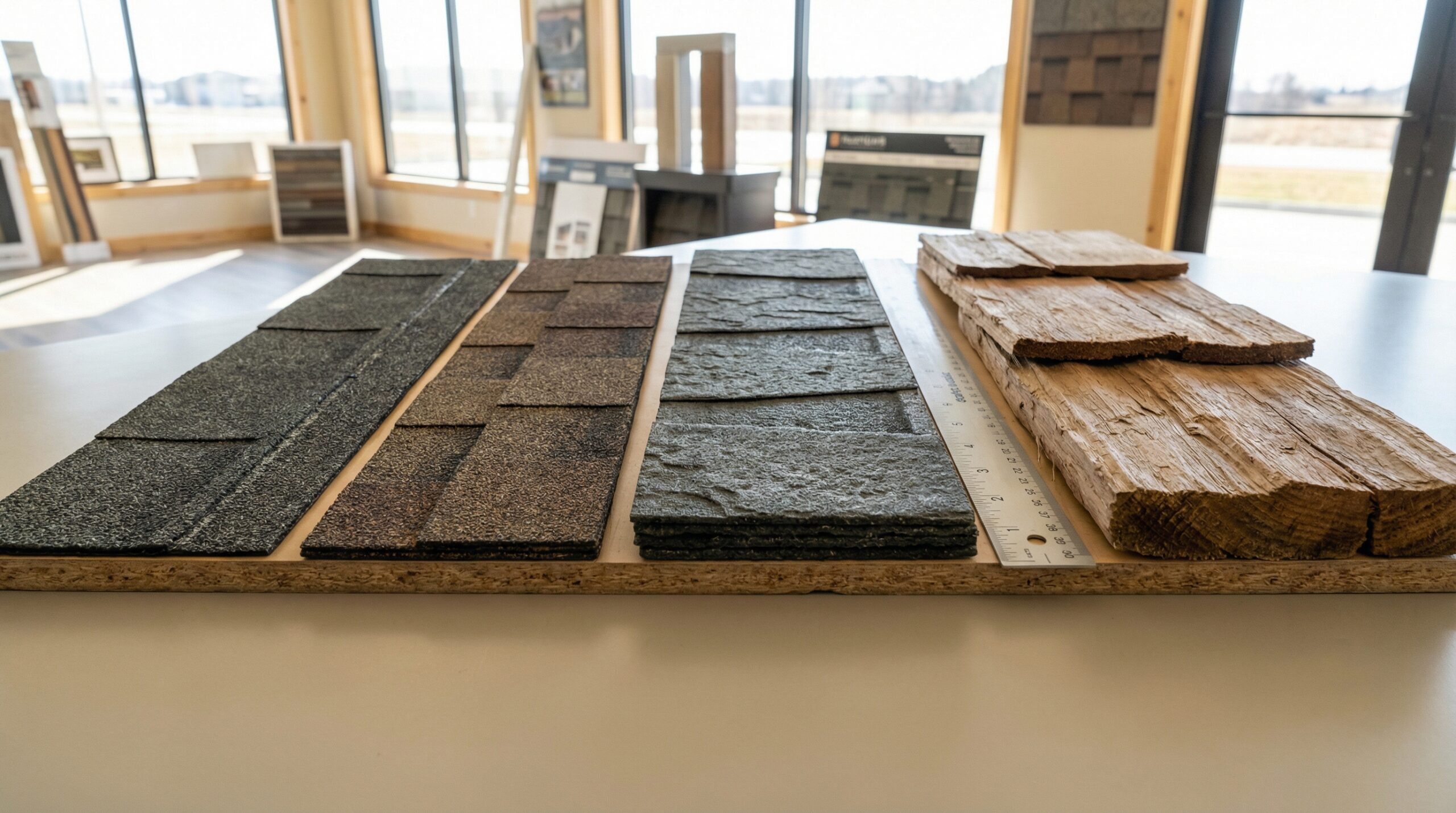
3-tab asphalt shingles are the most economical option, containing 26 to 29 shingles per bundle. These flat, uniform shingles cover approximately 33 square feet per bundle, requiring three bundles to complete one roofing square. Their lightweight design makes them easy to handle but offers basic protection compared to premium options.
Architectural shingles, also called dimensional shingles, provide enhanced durability and visual appeal. Each bundle contains 20 to 22 shingles and covers the same 33 square feet as 3-tab varieties. The reduced count per bundle reflects their thicker, layered construction that creates depth and shadow lines on your roof.
Pro Tip: Architectural shingles may cost more per bundle but often provide better wind resistance and longer warranties, making them a popular choice for homeowners seeking long-term value.
Luxury or designer shingles represent the premium end of the market, containing only 10 to 16 shingles per bundle. These heavy-duty shingles cover 20 to 25 square feet per bundle, requiring four bundles per square instead of the standard three. Their substantial weight and enhanced aesthetics come with higher material and installation costs.
Calculating materials for your roof
Determining the right amount of shingles for your project involves more than simple multiplication. Professional contractors consider several factors to ensure adequate material coverage while minimizing waste and project delays.
Start by measuring your roof’s total square footage, including all planes, dormers, and complex areas. Divide this number by 100 to determine the number of squares needed. For example, a 2,000 square foot roof requires 20 squares of material.
Next, multiply the number of squares by the bundles required per square for your chosen shingle type. Most standard shingles need three bundles per square, while luxury options require four. This gives you the base material quantity before accounting for waste and special areas.
Professional estimates include a waste factor of 10 to 15 percent to account for cuts, overlaps, and roof complexity. Steep roofs, multiple valleys, and intricate designs typically require higher waste allowances. Additionally, you’ll need starter shingles, ridge caps, and hip materials that aren’t included in standard bundle calculations. Before starting your project, it’s wise to schedule a comprehensive roof inspection to ensure accurate measurements and identify any underlying issues.
| Shingle Type | Shingles per Bundle | Coverage per Bundle | Bundles per Square |
|---|---|---|---|
| 3-tab | 26-29 | 33 sq ft | 3 |
| Architectural | 20-22 | 33 sq ft | 3 |
| Luxury | 10-16 | 20-25 sq ft | 4 |
Factors affecting bundle requirements
Several variables can influence the actual number of bundles needed for your roofing project beyond the basic calculations. Understanding these factors helps you avoid material shortages and unexpected costs during installation.
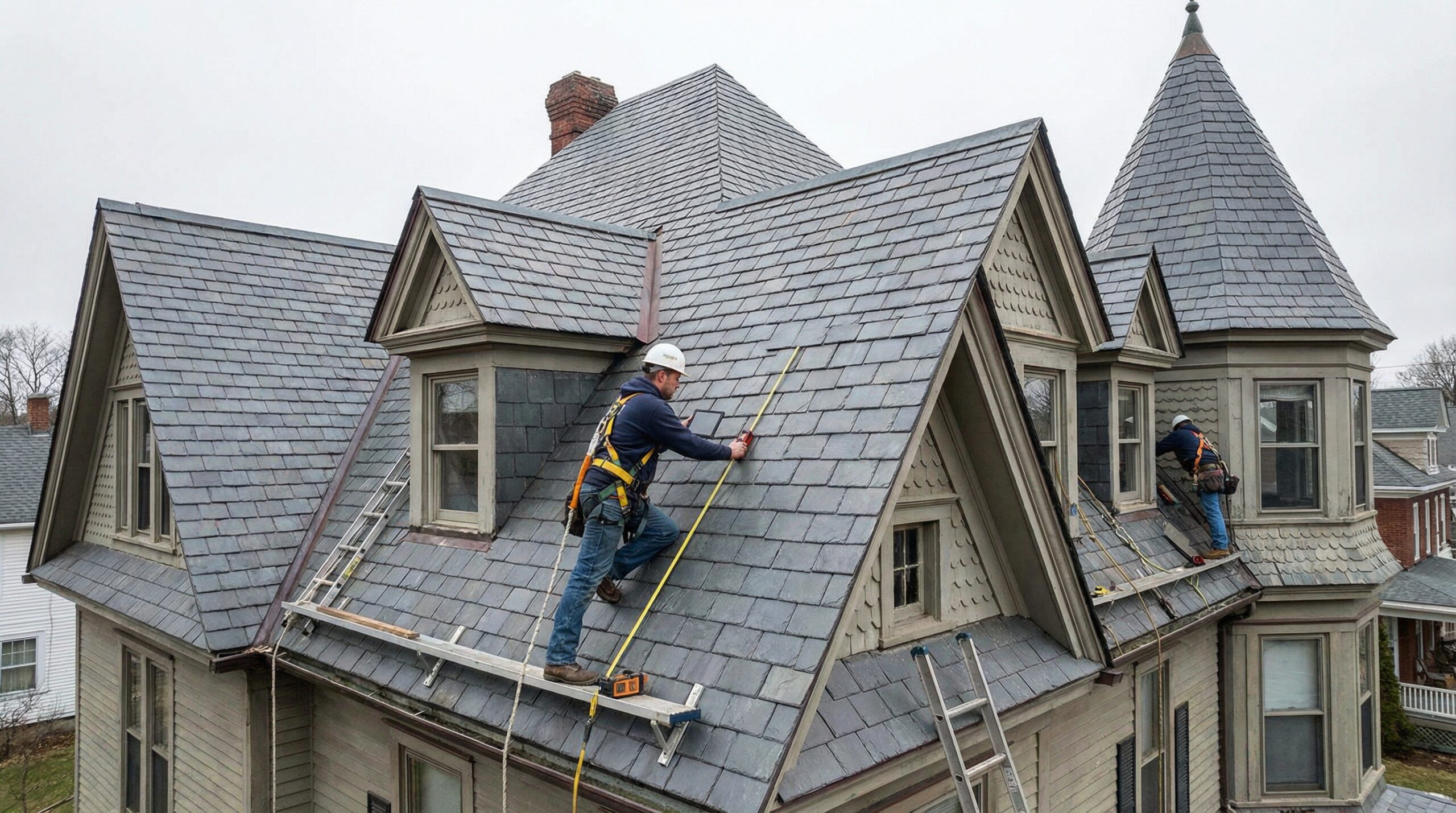
Roof complexity plays a significant role in material requirements. Simple gable roofs with minimal cuts require less waste allowance than complex designs with multiple dormers, valleys, and intersections. Each cut and angle creates waste that must be factored into your material order.
Weather exposure and local building codes may require specific installation methods that affect material usage. High-wind areas often mandate enhanced fastening patterns or starter strip requirements that increase overall material needs beyond standard calculations. Regional requirements vary significantly, so understanding how Connecticut building codes impact roof repairs and replacements can help you plan accordingly if you’re in that area.
Important Note: Always consult with local roofing professionals who understand regional requirements and can provide accurate material estimates based on your specific roof design and local codes.
Manufacturer specifications can vary even within the same shingle category. Some brands pack slightly different quantities per bundle or have unique coverage requirements that affect total material needs. Always verify specifications with your chosen manufacturer before finalizing material orders.
The timing of your project and material availability can also influence bundle requirements. Ordering extra materials ensures project continuity, while running short can cause delays and color matching issues if additional materials come from different production runs. Temperature considerations are also crucial—learn more about what temperature is too cold to install a roof to ensure optimal installation conditions.
Understanding shingle bundle counts empowers you to make informed decisions about your roofing project. Whether you’re planning a repair or complete replacement, knowing how materials are packaged and calculated helps you work confidently with contractors and verify that estimates align with your actual needs. When hiring a professional, be sure to ask the 13 essential questions every homeowner should ask their roofing contractor. Remember that professional installation and proper material calculations are essential for protecting your home and maximizing your roofing investment.