

Your home’s exterior isn’t just about curb appeal—it’s a sophisticated defense system where roofing, siding, and gutters work together to protect your biggest investment. When these three components function as an integrated team, they create a moisture management system that prevents water damage, improves energy efficiency, and maintains your home’s structural integrity for decades.
Understanding how these systems complement each other helps you make smarter maintenance decisions and avoid costly repairs. Rather than treating each component separately, successful homeowners recognize that their roof, siding, and gutters form an interconnected network that requires coordinated care and attention.
Quick Fact: Homes with properly integrated exterior systems experience 60% fewer emergency repairs and maintain better resale value compared to properties with piecemeal maintenance approaches.
The science behind moisture management
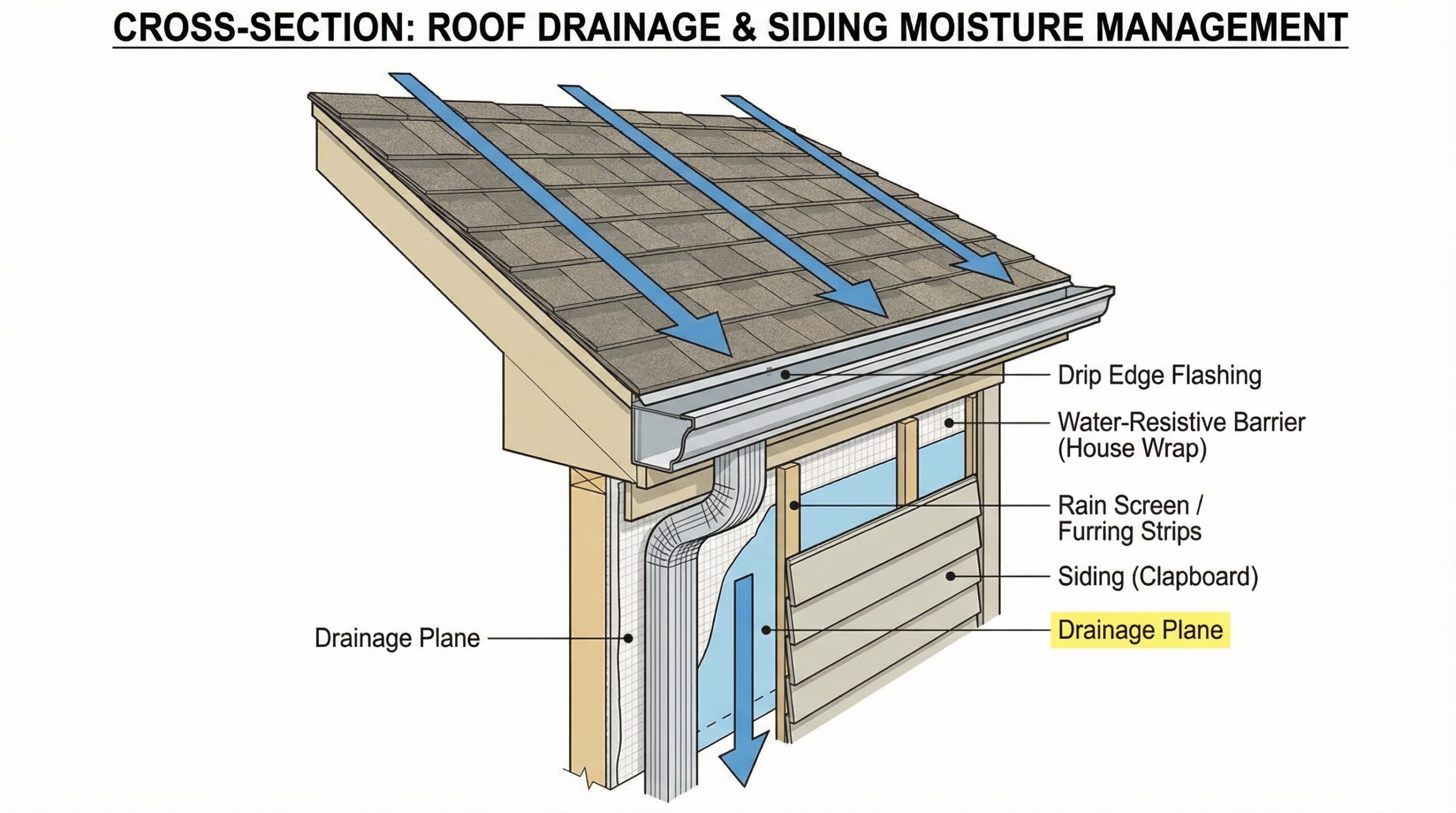
Water poses the greatest threat to your home’s structure, and your exterior systems work together to combat it at every level. Your roof serves as the primary shield, directing water toward gutters that channel it safely away from your foundation. Meanwhile, your siding acts as a secondary barrier, preventing moisture from penetrating your walls while allowing your home to breathe naturally.
This coordinated approach follows four key principles that keep your home dry and protected. First, water redirection ensures rainfall flows from your roof to your gutters without pooling or backing up. Second, moisture barriers in your siding prevent water infiltration while maintaining proper ventilation. Third, effective drainage systems move water away from your foundation before it can cause structural problems. Finally, proper ventilation regulates humidity levels and prevents condensation buildup that leads to mold and insulation damage.
When any component fails, the entire system becomes vulnerable. Clogged gutters force water to back up under shingles or overflow onto siding, potentially damaging both systems simultaneously. Similarly, damaged siding allows moisture to penetrate behind gutters, compromising their attachment points and creating separation from your roofline. Understanding the role of gutters and downspouts in protecting your home is essential for preventing foundation damage and structural issues.
Material compatibility creates lasting performance
Choosing compatible materials for your exterior systems ensures they work together effectively rather than against each other. In regions with demanding weather patterns, materials must complement each other’s expansion rates, drainage capabilities, and thermal properties to prevent premature failure and maintain optimal performance.
Climate considerations drive material selection more than aesthetic preferences. Your materials need to withstand specific weather conditions like high winds, heavy rainfall, and temperature extremes while maintaining their protective properties. Architectural style influences choices too, but functionality should never be compromised for appearance alone.
Energy efficiency becomes a major factor when materials work together properly. High-quality siding with proper insulation properties, combined with reflective roofing materials and efficient gutter systems, can reduce your energy costs by 15-20% annually. When considering how new siding improves your home’s insulation, you’ll discover that durability investments pay dividends over time, as premium materials that work well together typically last longer and require less maintenance than cheaper alternatives.
Pro Tip: Working with experienced professionals helps you navigate material compatibility issues and ensures proper installation for optimal long-term performance.
Maintenance strategies that protect your investment
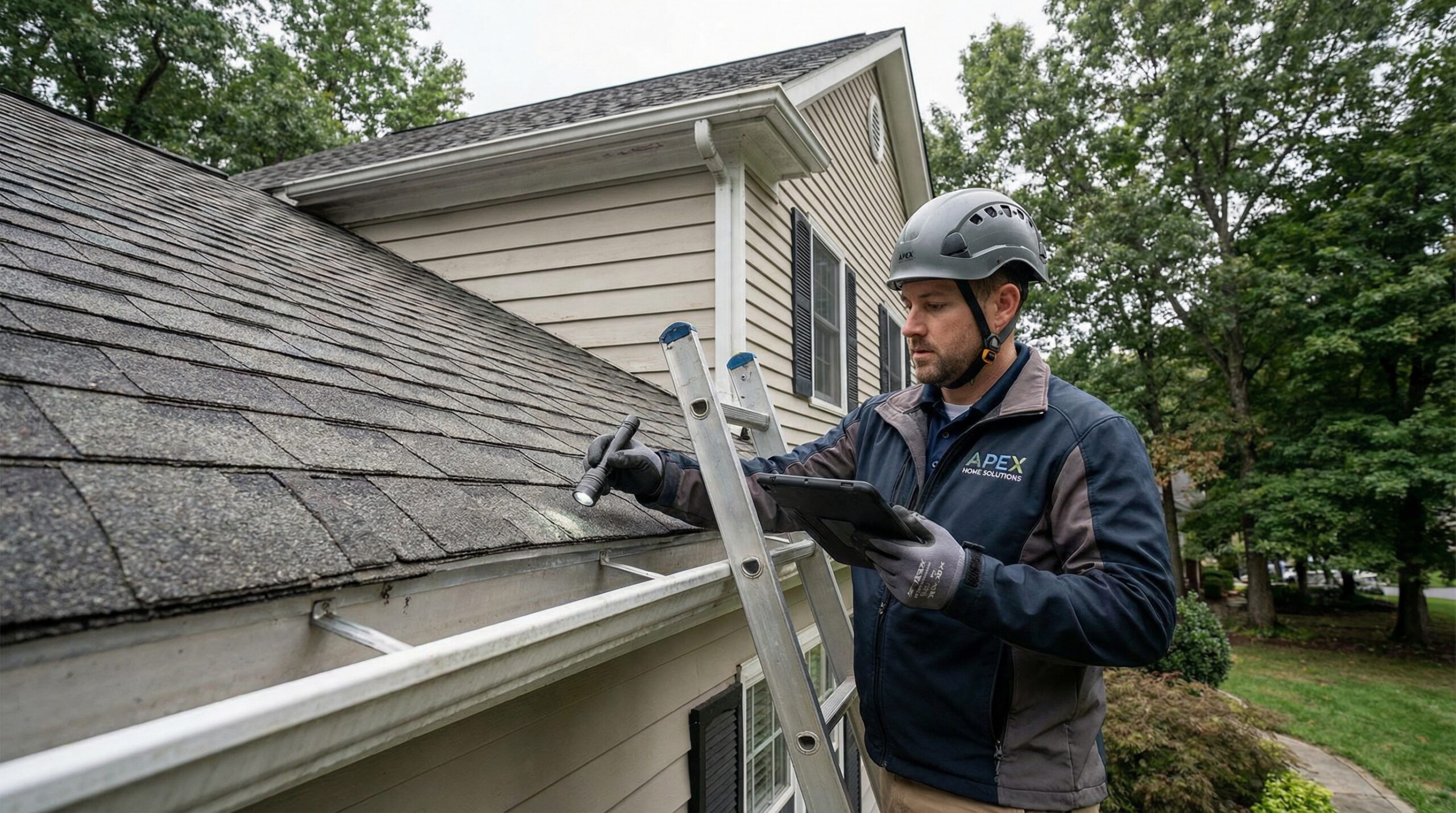
Smart maintenance approaches treat your exterior systems as interconnected components rather than separate entities. Seasonal inspections examine how roofing, siding, and gutters perform together as temperatures fluctuate and weather patterns change throughout the year.
Spring maintenance focuses on assessing winter damage and preparing systems for heavy rains. Teams inspect roof edges, clean gutters, and check siding intersections for signs of wear or water damage. Summer inspections emphasize ventilation efficiency and UV protection, ensuring your systems maintain their protective properties during peak heat exposure.
Fall preparation becomes critical for winter readiness, with comprehensive checks of all system integration points. This includes verifying that gutters properly channel water away from siding, roof edges remain sealed, and ventilation systems function correctly. Winter monitoring helps identify ice dam formation and other cold-weather challenges that affect system performance.
Coordinated maintenance schedules maximize efficiency and minimize costs. Rather than treating each component separately, synchronized service appointments allow professionals to inspect multiple systems simultaneously, identify potential issues before they develop, and maintain comprehensive records for future reference. Many homeowners wonder about DIY vs. professional gutter cleaning and whether the investment in professional services is worthwhile for comprehensive system care.
Cost-effective protection planning
Strategic investments in coordinated exterior protection significantly reduce long-term maintenance costs while preserving property value. Integrated maintenance approaches typically cost 40% less than addressing each system separately, while preventing the cascading damage that occurs when one system fails and impacts others.
Annual protection plans offer structured approaches to maintaining your exterior systems. Essential care packages include basic maintenance for all three systems with bi-annual inspections, typically ranging from $500-1,000 annually. Enhanced protection adds comprehensive inspections and preventive repairs with quarterly service visits, usually costing $1,000-2,000 per year. Premium coverage provides complete system monitoring with monthly attention and priority service access, ranging from $2,000-3,500 annually.
These investment levels reflect the complexity and value of your exterior systems. Homes with coordinated protection plans maintain their resale value better and experience fewer emergency situations that require expensive immediate repairs. The key lies in matching your protection level to your home’s specific needs and environmental challenges. When evaluating costs, it’s helpful to understand gutter installation costs in 2026 and siding replacement cost breakdowns to budget appropriately.
Understanding your total protection costs helps you budget effectively while ensuring comprehensive coverage. Most homeowners find that systematic maintenance prevents major issues and provides peace of mind knowing their home’s exterior systems work together reliably year-round. Knowing when to replace vs repair your gutters can help you make informed decisions about your maintenance investments.
Your home’s roofing, siding, and gutters form a sophisticated protection network that requires coordinated attention to function effectively. By understanding how these systems work together and implementing strategic maintenance approaches, you protect your investment while ensuring your home remains safe, comfortable, and valuable for years to come.