

Storm damage to your roof can feel overwhelming, especially when you’re wondering if insurance will cover the replacement costs. The good news is that homeowners insurance typically covers roof replacement when damage results from covered perils like wind, hail, fire, or falling trees. According to the Insurance Information Institute, more than 40% of home insurance claims involve wind or hail damage.
Quick Answer: To get insurance to pay for roof replacement, you need to document damage thoroughly, understand your policy coverage, file your claim within 30 days, and work with both an adjuster and qualified roofing contractor during the inspection process.
Getting your insurance company to approve and pay for roof replacement requires following specific steps and understanding what your policy covers. This guide walks you through the entire process, from documenting damage to completing your roof replacement project.
Understanding what insurance covers for roof replacement
Your homeowners insurance policy covers roof replacement when damage occurs from covered perils and cannot be repaired. The key distinction lies between sudden, accidental damage versus normal wear and tear.
Insurance typically covers damage from wind storms, hail, fire, lightning strikes, falling trees, and vandalism. However, it won’t cover gradual deterioration, poor maintenance, improper installation, or damage below your deductible amount.
The type of coverage you have significantly impacts your payout. Replacement Cost Value (RCV) policies pay the full cost to replace with new materials, while Actual Cash Value (ACV) policies pay replacement cost minus depreciation. Extended replacement cost coverage provides an additional 10-50% above standard replacement costs for unexpected expenses.
Important Note: Most policies require you to file claims within 30 days of discovering damage, so timing is crucial for approval.
Understanding your specific policy details before damage occurs helps you know exactly what to expect during the claims process. Review your policy annually and contact your agent with questions about coverage limits and deductibles. If you’re uncertain whether your roof needs replacement or just repairs, learn about signs it’s time for a roof replacement to make an informed decision.
Documenting damage properly for your claim
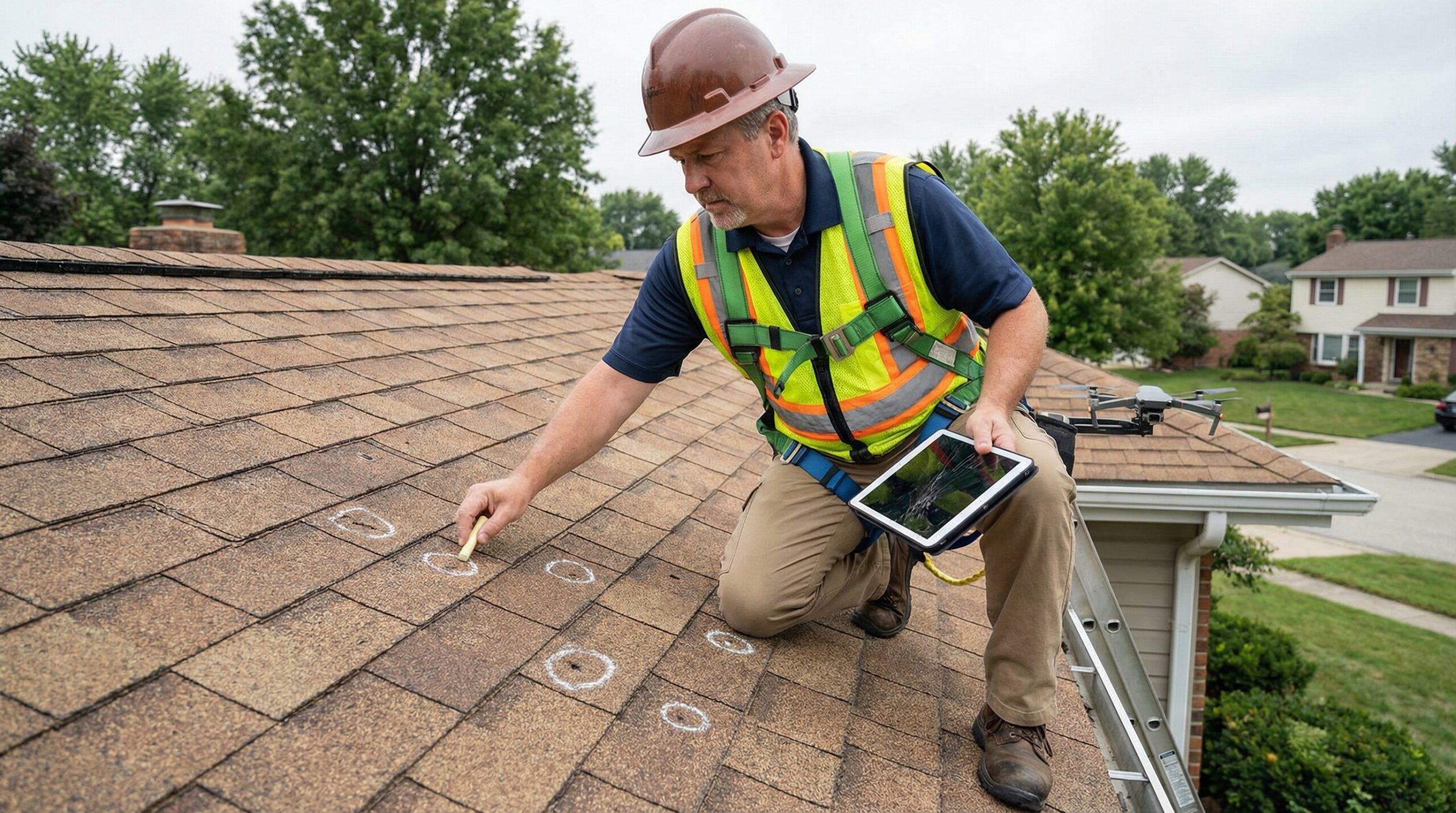
Thorough documentation forms the foundation of a successful insurance claim. Start by taking comprehensive photos and videos of all visible damage from multiple angles, including close-up shots of specific damaged areas and wider shots for context.
Focus on cracked or missing shingles, dents in metal flashing, granule loss on asphalt shingles, and any signs of water intrusion. According to roofing experts, hail damage often appears as small circular dents or “bruising” that compromises shingle integrity, while wind damage may show loose or lifted shingles.
Document the date and time you took photos and when you believe the damage occurred. Also photograph your gutters, downspouts, and siding, as dents in these softer metals often indicate roof damage that may not be visible from the ground.
Keep detailed records of any temporary repairs you make to prevent further damage, including receipts and photos of the work. This documentation proves you took reasonable steps to minimize additional damage while waiting for your claim to be processed.
Filing your claim and working with adjusters
Contact your insurance company immediately after discovering damage to begin the claims process. Most insurers have 24/7 claim reporting hotlines and mobile apps that make filing convenient and fast.
When filing your claim, provide all documentation you’ve gathered and be prepared to answer questions about when the damage occurred, what caused it, and whether you’ve made any temporary repairs. The insurance company will assign an adjuster to inspect your property and assess the damage.
Schedule the adjuster’s inspection as soon as possible and plan to be present during their visit. Point out all areas of concern and share your documentation to ensure nothing gets overlooked. The adjuster will determine whether repairs are sufficient or if full replacement is necessary.
Pro Tip: Having a qualified roofing contractor present during the adjuster’s inspection can help identify subtle damage that might otherwise be missed, as most adjusters are generalists rather than roofing specialists.
Be patient during the evaluation process, as adjusters may need time to review all documentation and determine the scope of work required. Stay in regular contact with your adjuster and respond promptly to any requests for additional information. Understanding how long roof replacement takes can help you plan accordingly once your claim is approved.
Working with contractors and completing the replacement
Choose a reputable, licensed roofing contractor who has experience working with insurance claims. Avoid “storm chasers” who go door-to-door after major weather events, as these contractors often provide poor workmanship or attempt insurance fraud. Knowing how to spot poor roof installation can help you evaluate contractor quality and avoid costly mistakes.
Get multiple estimates from qualified contractors and ensure they understand your insurance company’s requirements and preferred procedures. A good contractor will work directly with your adjuster to ensure all necessary work is included in the claim scope.
Wait for your claim to be approved before beginning any major work beyond temporary repairs. Starting replacement work before approval risks paying for services your insurance might cover, especially if they require specific contractors or materials.
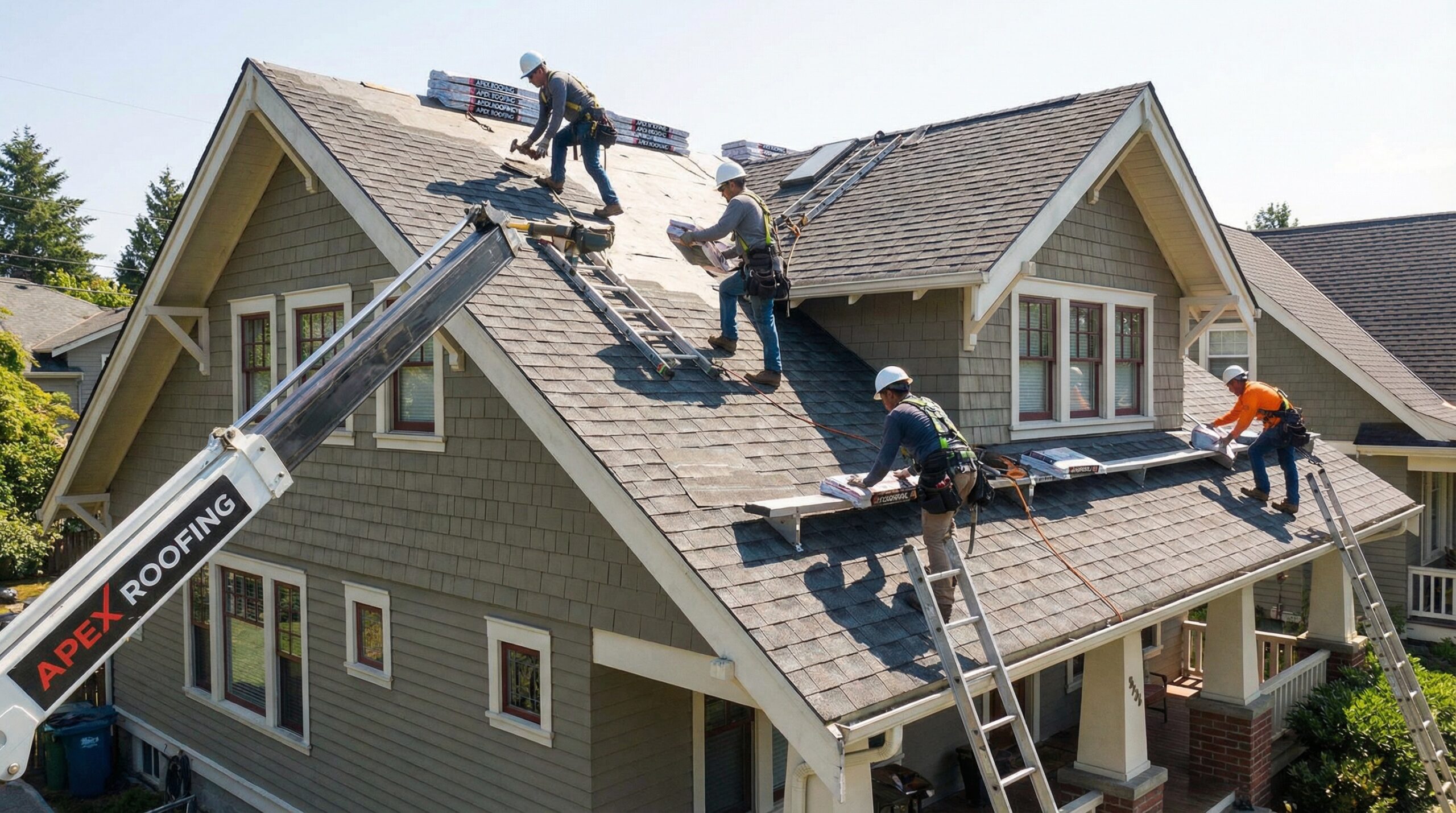
Once approved, your insurance company will typically pay the contractor directly or reimburse you after work completion. Keep all receipts and documentation throughout the process, and ensure the contractor provides warranties on both materials and workmanship.
The entire process from filing to completion typically takes 2-8 weeks, depending on the extent of damage, weather conditions, and contractor availability. Maintain regular communication with both your insurance company and contractor to ensure smooth progress. If you’re considering whether to replace your entire roof or explore alternatives, you might want to learn about roof overlay costs and benefits as a potential option.
Getting insurance to pay for roof replacement requires patience, thorough documentation, and understanding your policy coverage. By following these steps and working with qualified professionals, you can successfully navigate the claims process and restore your roof without bearing the full financial burden. Remember that insurance covers legitimate damage from covered perils, so focus on documenting actual storm damage rather than normal wear and tear to ensure your claim’s success. Additionally, understanding whether a new roof increases home value can help you appreciate the long-term benefits of your replacement investment.