

Northeast Ohio homeowners face increasing risks from roofing scams, especially after severe weather events. These fraudulent operations cost homeowners thousands of dollars and leave properties vulnerable to further damage. Understanding common scam tactics and verification methods protects your investment and ensures quality workmanship.
Quick fact: Local municipalities in Northeast Ohio require roofing contractors to be registered, bonded, and insured, making verification straightforward for informed homeowners through their local building department.
The key to avoiding roofing fraud lies in recognizing warning signs early and taking time to verify contractor credentials before signing any agreements.
Common roofing scams targeting Northeast Ohio homeowners
Storm chasers represent the most prevalent threat to Northeast Ohio property owners. These out-of-state contractors arrive quickly after severe weather, going door-to-door with aggressive sales tactics and promises of immediate repairs. They typically operate without proper local registration, use substandard materials, and disappear once payment is received.
According to states.aarp.org, these contractors often target vulnerable homeowners with high-pressure tactics and fabricated urgency. They may claim your roof has extensive storm damage that requires immediate attention to prevent further problems.
Insurance fraud schemes also plague Northeast Ohio communities. Dishonest contractors may offer to waive your insurance deductible, exaggerate damage claims, or promise guaranteed insurance approval. These practices violate Ohio law and can result in serious legal consequences for homeowners who participate.
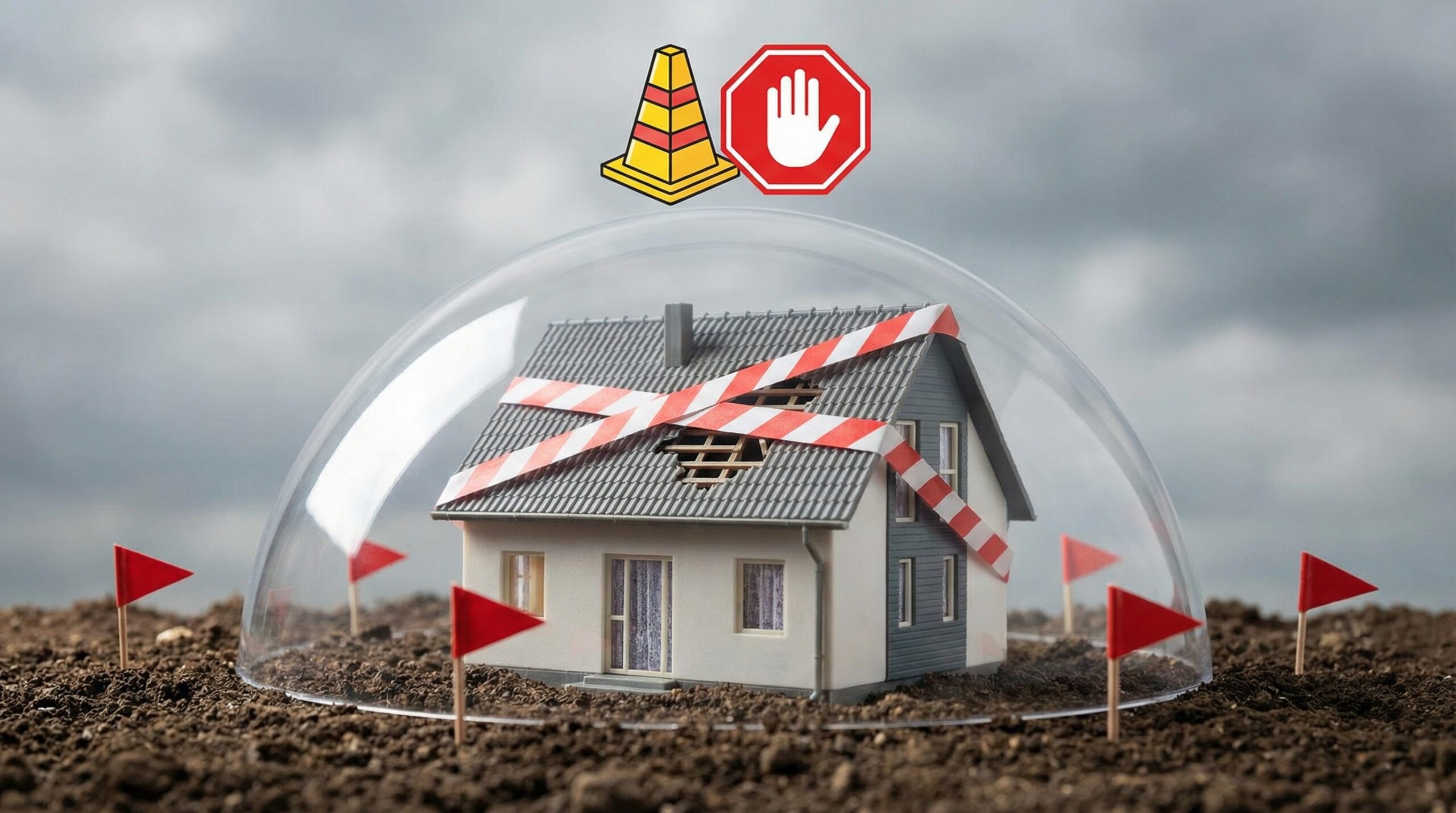
Warning: Any contractor offering to eliminate your insurance deductible is proposing illegal activity under Ohio regulations.
Red flags that indicate potential roofing scams
Legitimate Northeast Ohio roofing contractors maintain permanent business addresses, display proper licensing credentials, and carry comprehensive insurance coverage. Be suspicious of contractors who provide only P.O. boxes, out-of-state phone numbers, or cannot produce current insurance certificates upon request.
Pricing and contract warning signs include verbal agreements only, estimates significantly below market rates, or demands for large upfront payments. jdhremodeling.com emphasizes that reputable contractors provide detailed written contracts specifying materials, timelines, and payment schedules tied to project milestones.
| Legitimate Practice | Scam Warning Sign |
|---|---|
| Written detailed contracts | Verbal agreements only |
| Fair market pricing | Estimates 30%+ below average |
| Small down payment (10-25%) | Large upfront payment (50%+) |
| Specific material brands listed | Vague product descriptions |
| Clear project timeline | No start/end dates provided |
High-pressure tactics create artificial urgency through limited-time offers, unverified safety claims, or resistance to getting multiple quotes. Legitimate contractors welcome comparison shopping and never pressure homeowners into immediate decisions.
Verifying contractor legitimacy in Northeast Ohio
In Ohio, residential roofing contractors must register with the local municipal building department where the work is being performed. You can verify this registration through your city’s official database or building office before hiring any roofing professional.
Check the contractor’s insurance coverage directly with their insurance provider rather than relying on certificates alone. Verify both general liability and workers’ compensation coverage to protect yourself from potential liability issues during the project.
Research the company’s local reputation through Better Business Bureau ratings, online reviews, and references from recent local projects, and check the Ohio Attorney General’s office for consumer complaints. Understanding how reviews help you choose the best roofing contractor in Rocky River can guide your evaluation process.
Manufacturer certifications from companies like GAF or Owens Corning indicate additional training and quality standards. Professional association memberships with organizations like the National Roofing Contractors Association (NRCA) also demonstrate commitment to industry standards. For homeowners seeking additional peace of mind, learning what BBB accreditation means for Rocky River roofers provides valuable insight into contractor credibility.
Essential questions to ask potential contractors
Start by asking about their local operating history and requesting references from recent projects in your area. Legitimate contractors proudly share their track record and welcome inquiries about their work quality and customer satisfaction. Having a comprehensive list of questions to ask your roofing contractor ensures you cover all critical areas during your vetting process.
Inquire about specific insurance coverage details, including policy numbers and coverage amounts. Ask whether they use subcontractors and ensure all workers on your project carry proper insurance coverage to protect you from liability.
Pro tip: Ask contractors to explain their warranty terms in detail, including what’s covered for materials versus workmanship and how long each warranty lasts.
Request detailed information about project timelines, communication procedures during work, and how they handle unexpected issues or weather delays. Professional contractors have established processes for keeping homeowners informed throughout the project. Before scheduling work, it’s also wise to understand what temperature is too cold to install a roof to ensure optimal installation conditions.
Discuss payment schedules and ensure they align with project milestones rather than requiring large upfront payments. Legitimate contractors typically request minimal down payments and tie remaining payments to completed work phases.
Understanding these verification steps and warning signs helps you confidently choose qualified roofing professionals while avoiding costly scams. Before making your decision, consider scheduling a comprehensive roof inspection to accurately assess your roofing needs. Take time to research thoroughly, get multiple quotes, and verify all credentials before making your final decision. Your diligence protects both your home investment and your family’s safety.