

Warped and buckling siding isn’t just an eyesore on your Northeast Ohio home. It creates entry points for moisture, reduces energy efficiency, and can lead to costly structural damage if left untreated. The good news is that many siding issues can be fixed with the right approach, whether through DIY methods or professional repair.
Northeast Ohio’s climate presents unique challenges for exterior siding. Our hot summers and freezing, lake-effect winters create thermal stress that causes materials to expand and contract repeatedly. Add in heavy rainfall and snow loads, and you have the perfect recipe for siding distortion. Understanding how to address these issues quickly can save you thousands in future repairs.
Quick Fix Tip: Minor vinyl siding buckling can often be resolved by loosening overly tight fasteners and allowing proper expansion space between panels.
Understanding why your siding warps and buckles
Your home’s exterior cladding faces constant pressure from Northeast Ohio’s weather extremes. Moisture infiltration ranks as the primary culprit behind most siding problems. When water gets behind panels, it causes uneven expansion that leads to warping and buckling over time.
Temperature fluctuations play a major role too. During hot summer days, siding materials expand significantly. If panels were installed too tightly or without proper expansion gaps, this natural movement has nowhere to go except outward, creating those unsightly bulges and waves you see on your walls.
Poor installation practices often set the stage for future problems. Fasteners driven too deep, inadequate spacing between panels, or missing vapor barriers all contribute to premature siding failure. Understanding common siding installation mistakes can help you identify whether improper techniques caused your current issues. Foundation settling can also force properly installed materials out of alignment, creating stress points that eventually buckle.
Identifying the warning signs early
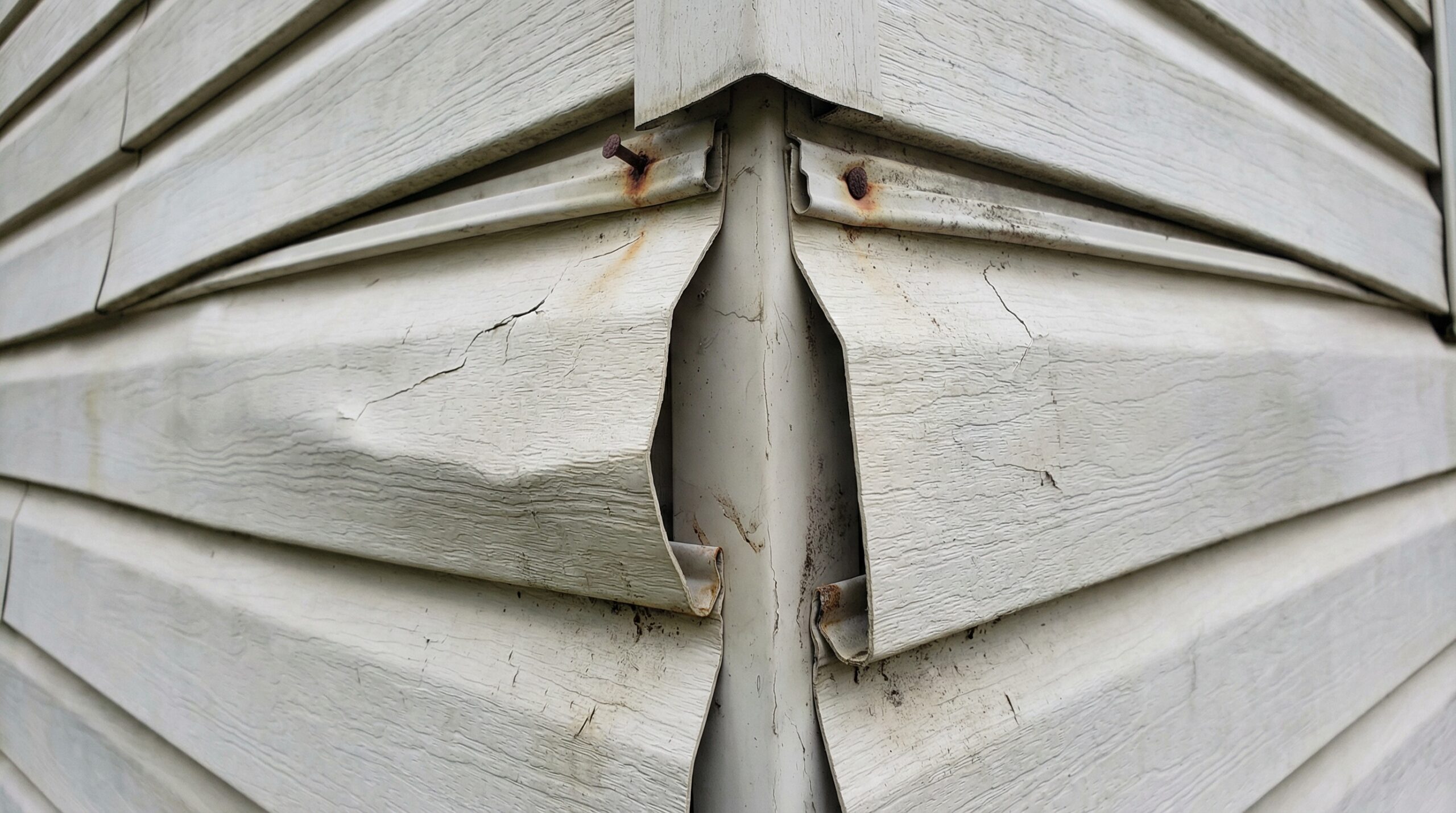
Catching siding problems early makes repairs much more manageable and cost-effective. Walk around your home during different lighting conditions to spot issues that might not be obvious at first glance. Look for panels that appear to bow outward, create shadows where they should lie flat, or show gaps between sections.
Different materials exhibit unique distortion patterns. Vinyl siding typically buckles in vertical waves, while wood siding tends to warp in curved sections. Metal panels often show oil-canning effects where areas between fasteners appear sunken or raised.
Pay special attention to areas that receive direct sunlight or heavy weather exposure. South-facing walls and sections near downspouts commonly develop problems first. Check around windows and doors where water infiltration is more likely to occur. If you notice moisture damage, you may also want to investigate wood rot behind your siding before proceeding with repairs.
| Material Type | Common Signs | Typical Causes |
|---|---|---|
| Vinyl | Vertical buckling, gaps | Heat expansion, tight installation |
| Wood | Curved warping, splitting | Moisture absorption, age |
| Fiber Cement | Cracking, bowing | Foundation movement, impact |
| Metal | Oil-canning, denting | Thermal stress, hail damage |
DIY repair methods that actually work
Many minor siding issues can be tackled by homeowners with basic tools and patience. For vinyl siding buckling, start by carefully removing the affected panels. Use a zip tool or putty knife to unlock the interlocking edges, working from one end to the other.
Once removed, inspect the underlying structure for moisture damage or improper installation. Clean any debris and ensure the house wrap or vapor barrier is intact. When reinstalling, leave proper expansion gaps and avoid overdriving fasteners. The nail should sit snug against the siding but not compress the material.
Wood siding repairs often require a different approach. Minor warping can sometimes be corrected by applying moisture to the concave side while gently clamping the board back to its proper position. For severely warped sections, replacement is usually the better option.
Safety First: Always check for electrical wires or plumbing behind siding before driving any fasteners. When in doubt, call a professional.
Remember that DIY repairs work best on isolated problems affecting just a few panels. If you notice widespread issues or damage to the underlying structure, it’s time to evaluate whether repair or replacement is the most cost-effective solution.
When to call professional contractors
Extensive warping affecting multiple wall sections signals deeper problems that require professional assessment. Foundation issues, structural movement, or widespread moisture damage all need expert attention to prevent recurring problems.
Professional contractors bring specialized tools and experience that make complex repairs safer and more effective. They can identify underlying causes that homeowners might miss, such as inadequate ventilation or improper flashing around windows and doors.
At Peak and Valley Roofing, we’ve seen how Northeast Ohio’s challenging climate affects different siding materials. Our team can assess whether your home needs targeted repairs or complete siding replacement, helping you make the most cost-effective decision for your situation. Understanding siding replacement costs in Rocky River can help you budget appropriately for your project.
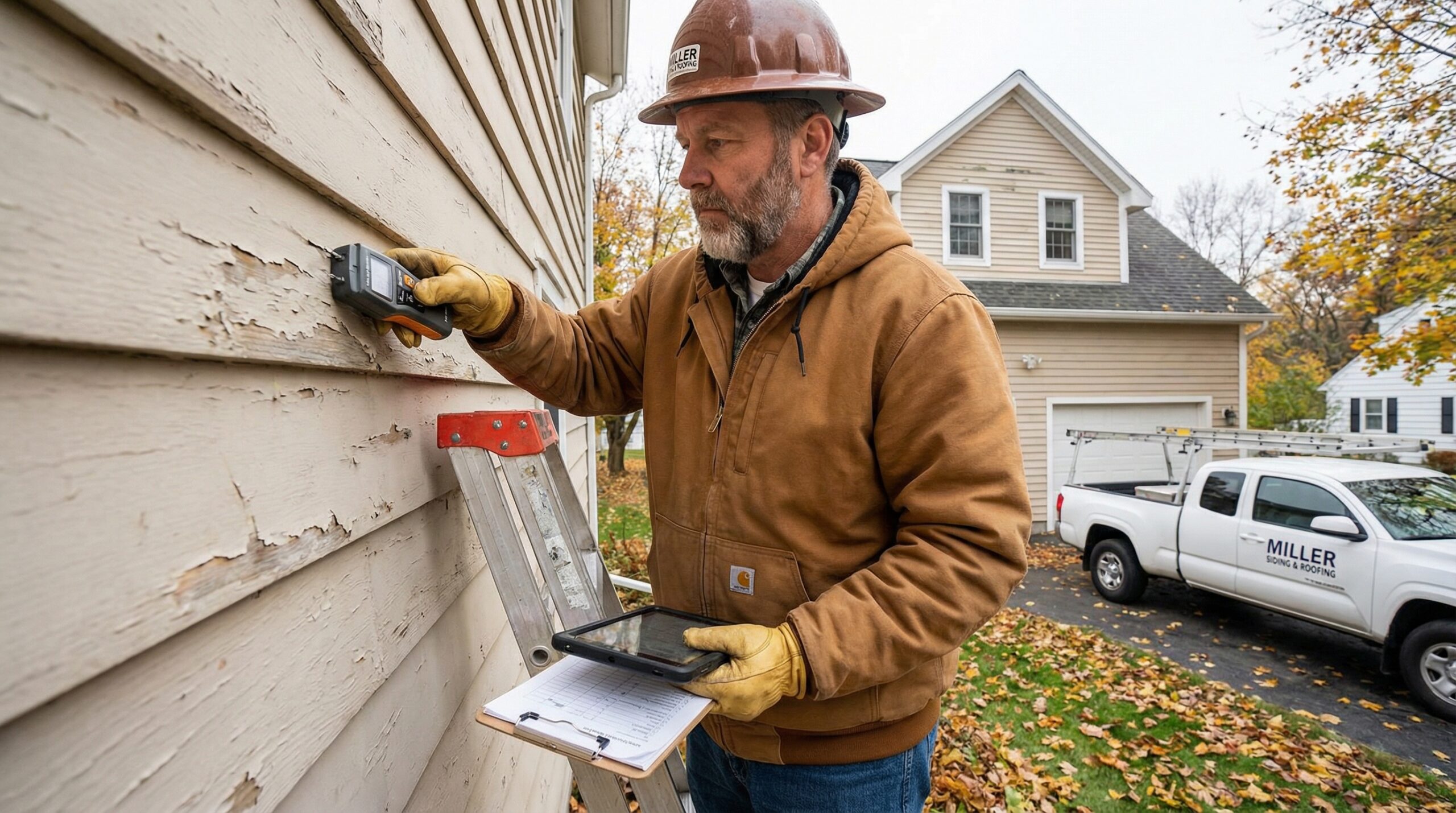
Consider professional help when dealing with two-story installations, historical homes requiring special techniques, or situations where structural integrity might be compromised. The investment in professional assessment often saves money by addressing root causes rather than just surface symptoms.
Professional Insight: Most siding warranties become void if repairs aren’t performed according to manufacturer specifications, making professional installation crucial for maintaining coverage.
Taking action on warped and buckling siding protects your Northeast Ohio home from further damage while maintaining its value and appearance. Whether you choose DIY repairs for minor issues or professional services for extensive problems, addressing these concerns promptly prevents small issues from becoming major headaches. Regular siding maintenance practices and proper installation techniques will keep your siding looking great and performing well through Northeast Ohio’s demanding weather conditions.