
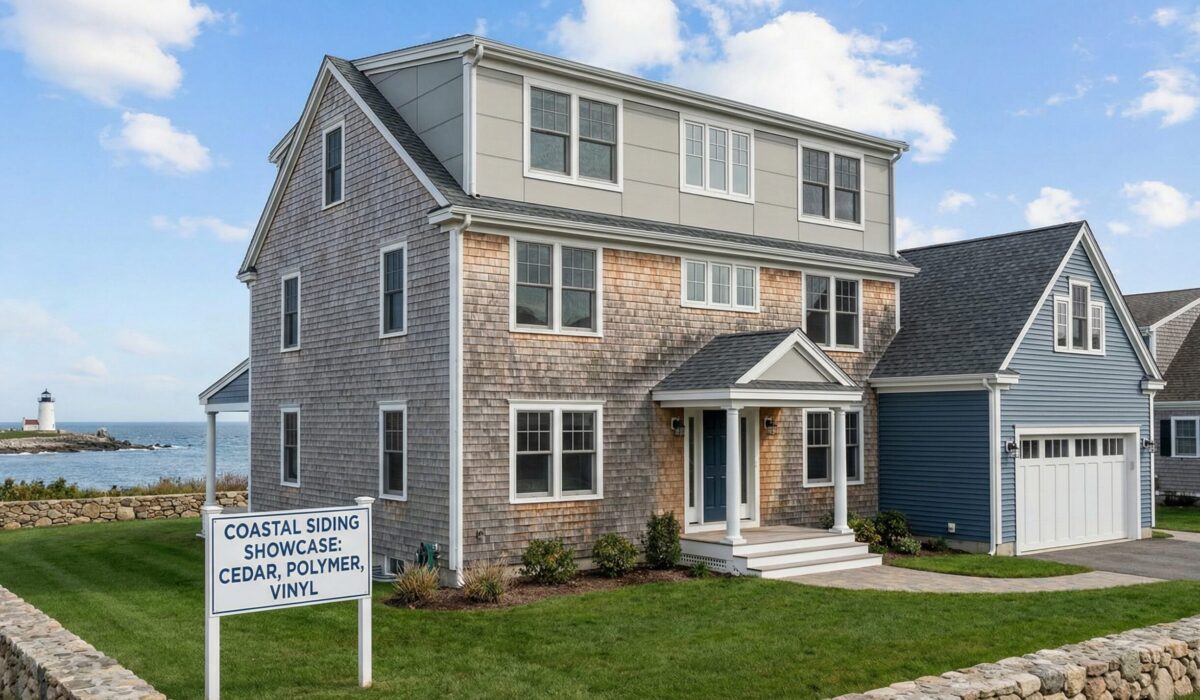
Choosing the right siding for your Northeast Ohio home means understanding how each material performs against Lake Erie humidity, heavy snow loads, and rapid freeze-thaw cycles. With vinyl siding averaging $12-15 per square foot, polymer composites ranging $20-30 per square foot, and cedar reaching $35-50 per square foot installed in the Cleveland area, the decision impacts both your budget and your home’s long-term protection.
Quick Answer: For most Ohio homeowners, high-performance vinyl offers the best value at $12-15 per square foot, while polymer cedar impressions provide the classic “Heights” aesthetic at $20-30 per square foot, and natural cedar delivers authentic charm at $35-50 per square foot with higher maintenance needs.
Modern siding materials have evolved significantly to handle the Midwest’s challenging climate. Whether you’re renovating a colonial in Rocky River, upgrading in Westlake, or preserving a historic home in Shaker Heights, understanding these three main options helps you make an informed decision.
High-performance vinyl siding for Northeast Ohio homes
Modern vinyl siding has transformed from the flimsy panels of decades past into engineered systems designed for the Great Lakes climate. Premium options like CertainTeed Monogram feature heavier-gauge panels with enhanced wind resistance and deeper color saturation that resists fading from intense seasonal exposure.
The material excels in Ohio’s variable weather because it expands and contracts without cracking during our extreme temperature swings. Quality vinyl systems installed by Peak and Valley Roofing include features like reinforced nail zones and interlocking panels that stay secure during high-wind lake-effect storms. The low maintenance requirements make it particularly appealing for busy homeowners who want curb appeal without constant upkeep.
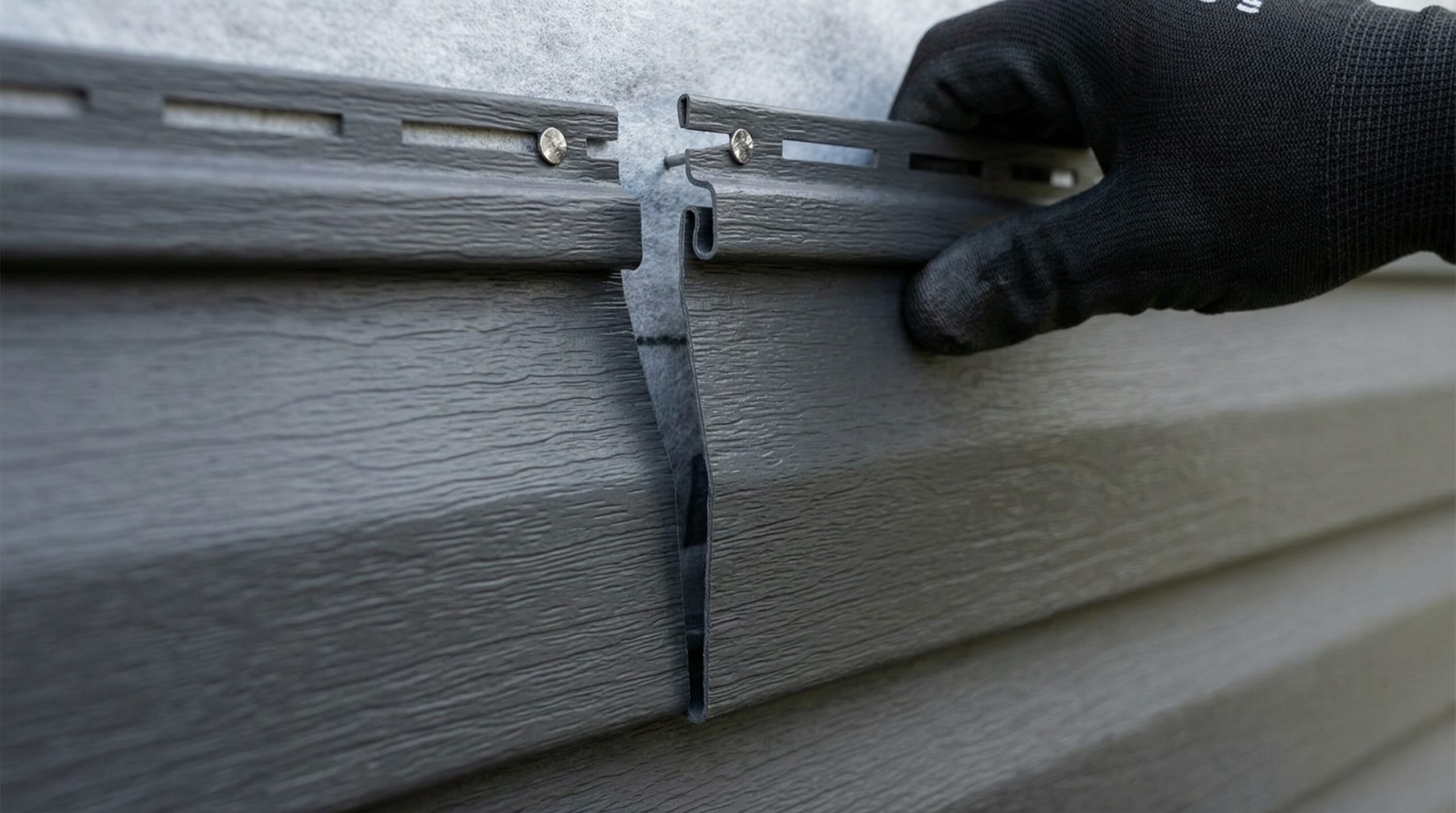
Installation typically takes 3-5 days for an average Cleveland-area home. The color options have expanded dramatically, with deeper tones like Midnight Blue and Barn Red that maintain their appearance through Ohio’s gray winters and sunny summers better than traditional lighter shades.
Cost Reality: Premium vinyl siding in Northeast Ohio averages $12-15 per square foot installed, making it the most budget-friendly option while still providing excellent protection against lake-effect moisture.
Polymer composite siding for Cleveland aesthetics
Polymer cedar impressions solve a common Ohio dilemma—wanting the classic shingle-style “Heights” look without the maintenance headaches of real wood. These products use advanced molding techniques that capture actual cedar grain patterns, creating remarkably authentic textures that are popular in neighborhoods like Lakewood and Bay Village.
The material’s non-porous surface resists the moisture penetration that typically causes wood rot and mold growth in Ohio’s humid summers. This makes polymer composites particularly valuable in areas near the lakefront where traditional materials struggle. The color goes through the entire thickness of the material, so minor scratches from landscaping don’t reveal different colored substrates.
Installation requires specialized techniques because the material behaves differently than vinyl during Ohio’s sub-zero winter temperatures. Professional installers understand how to accommodate the material’s expansion characteristics while maintaining a tight, uniform appearance. Understanding common siding installation mistakes to avoid can help ensure your project succeeds in the local market.
For Cleveland’s premier communities, polymer cedar impressions provide the regional aesthetic without the constant staining, sealing, and repair work that natural wood demands.
Natural cedar siding for authentic Ohio character
Real cedar remains the gold standard for homeowners in Shaker Heights and Hudson who want genuine wood character and are willing to invest in proper maintenance. In Ohio’s historic districts, cedar often represents the most appropriate choice for maintaining architectural integrity while providing excellent insulation properties.
Modern cedar installation in the Midwest requires rain screen systems that create drainage space behind the wood. This detail prevents moisture accumulation that leads to premature rot—a critical consideration in Ohio’s damp spring and fall seasons. Without proper installation techniques, even premium cedar can deteriorate faster than homeowners expect. Learning to detect and prevent wood rot behind siding is essential for long-term performance in our region.
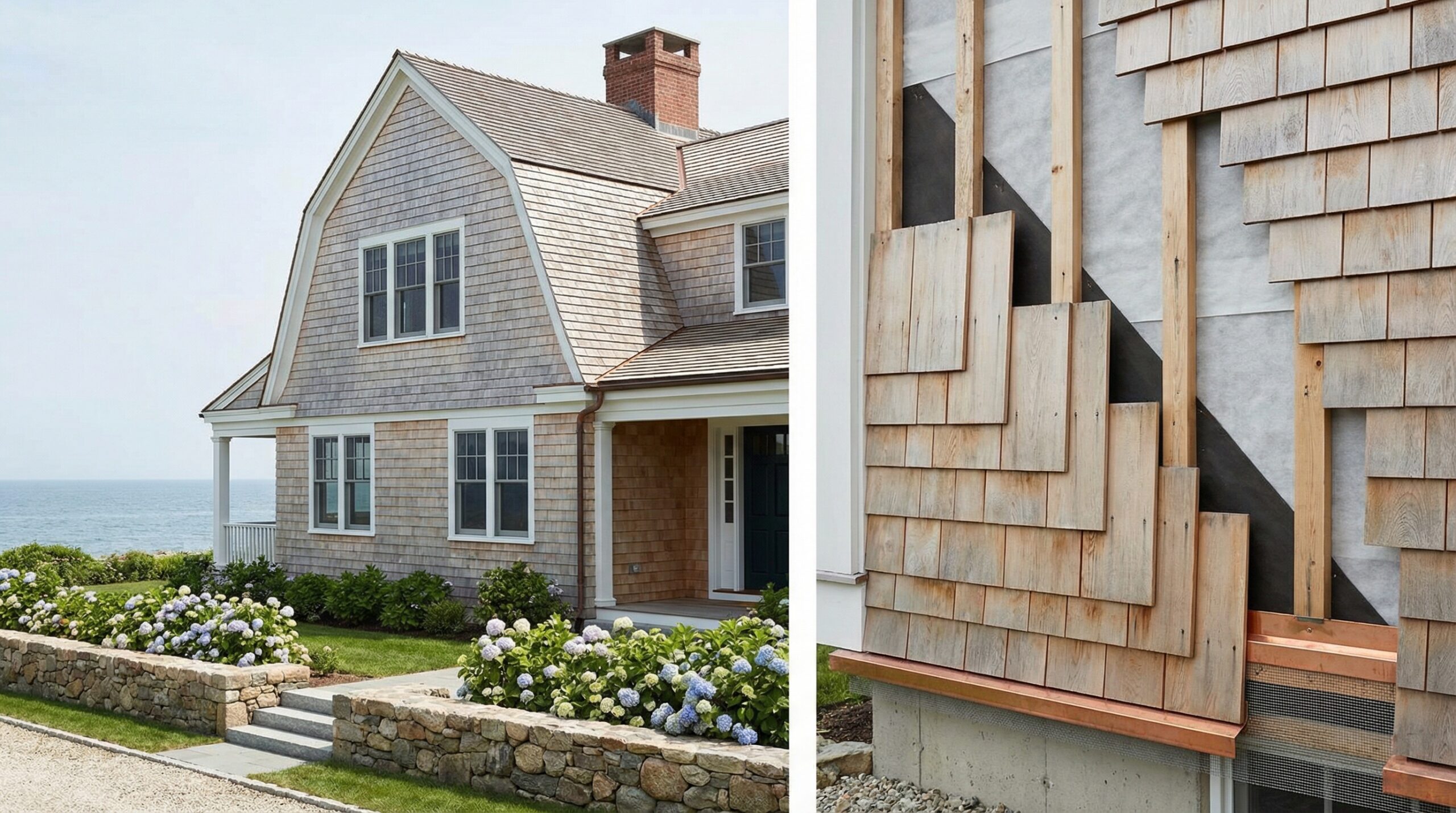
The material requires periodic maintenance including cleaning, staining, and sealing every 3-5 years depending on sun exposure. However, properly maintained cedar can last 40+ years in the Ohio climate. The natural insulation properties also contribute to energy efficiency when combined with modern underlayment systems designed for cold winters.
Cedar works best for homeowners who view maintenance as part of preserving their home’s legacy. The authentic texture and aging characteristics create a unique character that manufactured materials cannot fully replicate on a historic Ohio estate.
Choosing the right material for your Northeast Ohio property
Your decision should start with an honest assessment of your maintenance preferences and budget. Vinyl offers the lowest total cost of ownership, polymer provides a premium aesthetic with moderate maintenance, and cedar delivers unmatched authenticity for historic preservation.
| Material | Cost per Sq Ft (OH) | Maintenance Level | Lifespan | Best For |
|---|---|---|---|---|
| Vinyl | $12-15 | Low | 25-30 years | Rocky River/Westlake Suburbs |
| Polymer | $20-30 | Moderate | 30-40 years | Lakewood/Bay Village coastal look |
| Cedar | $35-50 | High | 40+ years | Historic Heights Preservation |
Consider your home’s proximity to Lake Erie as well. Lakefront properties face more aggressive wind and moisture that favor non-wood materials, while inland homes have more flexibility. Historic district requirements in Shaker Heights may limit options, making cedar the practical choice. Before making your final decision, evaluate whether siding repair or replacement is the right approach for your Ohio home.
Professional Insight: Regardless of material, adding rigid foam insulation during installation addresses the “thermal bridging” issues common in older Northeast Ohio homes, significantly reducing heating bills.
This hidden upgrade works with any siding material and creates a more comfortable interior during Cleveland’s bitter winters. Understanding how new siding improves home insulation can help you maximize your energy savings year-round. Don’t forget that proper gutter installation works hand-in-hand with siding to protect your foundation from Ohio’s heavy rainfall and snowmelt.