Rocky River homeowners facing roof problems often wrestle with a crucial decision: should you patch up that aging roof or invest in a complete replacement? The answer depends on several key factors, but understanding them can save you thousands of dollars and prevent future headaches.
In Northeast Ohio’s challenging climate, roofs endure severe freeze-thaw cycles, heavy lake-effect snows, and high winds off Lake Erie that accelerate aging. What appears to be a simple leak might signal deeper issues that make repairs a temporary bandage on a failing system.
Quick Answer: Most asphalt shingle roofs in Northeast Ohio last 18-25 years. If your roof is approaching this age and experiencing multiple issues, replacement typically offers better long-term value than repeated repairs.
Understanding roof age and repair viability
Most asphalt shingle roofs in Rocky River are designed to last between 18 and 25 years, though this varies by shingle type and installation quality. Three-tab shingles typically reach their limit around 15-20 years, while architectural shingles can protect your home for up to 30 years under ideal conditions.
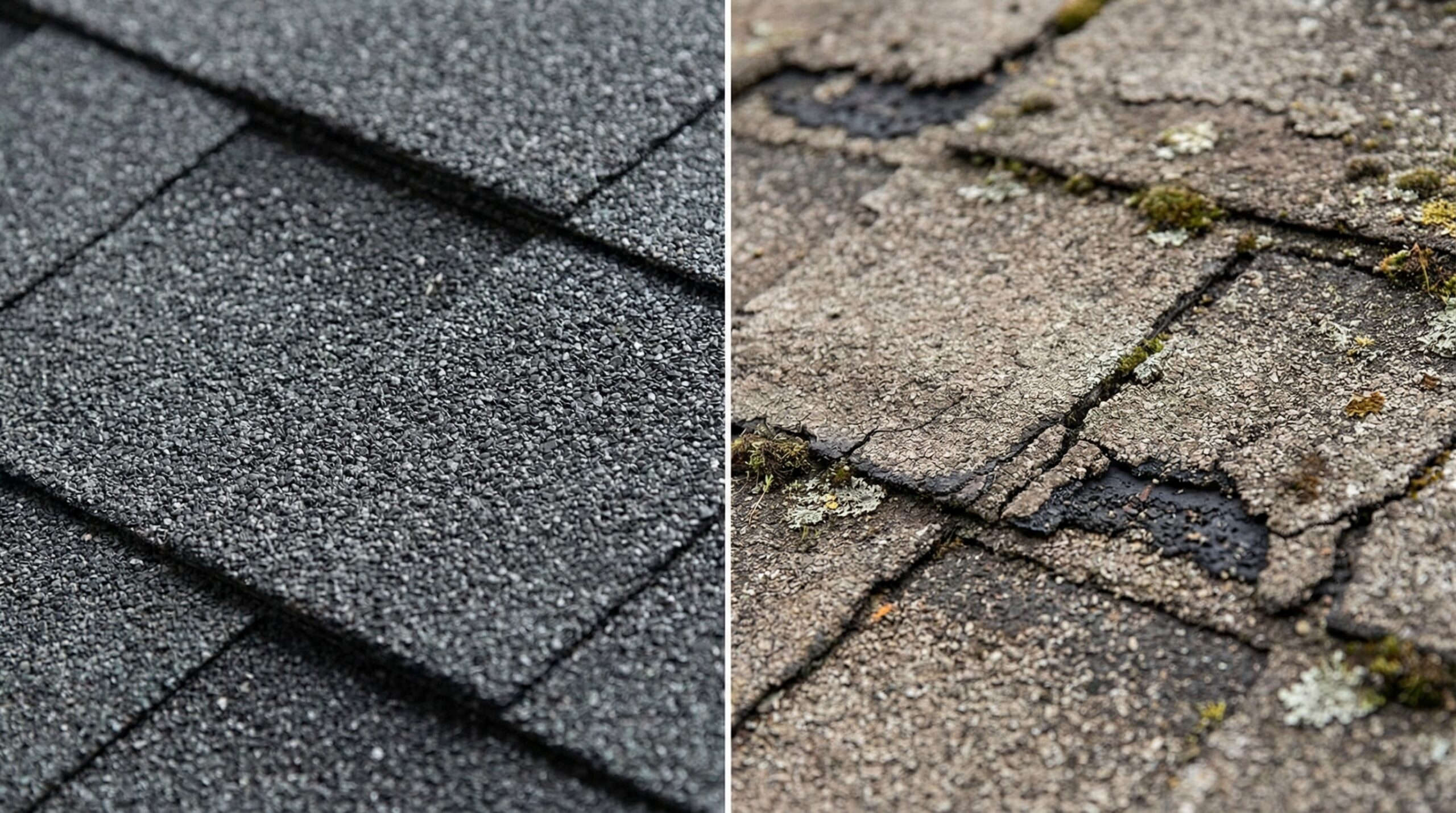
Once your roof crosses the 20-year threshold, materials begin losing their effectiveness. Shingles become brittle from winter freezing, sealants dry out, and the entire system becomes less reliable. At this stage, any repair should be carefully evaluated against replacement costs.
The key question becomes whether you’re fixing isolated damage or addressing system-wide deterioration. A professional inspection can reveal which category your roof falls into.
When repairs still make financial sense
Repairing an older roof can be reasonable under specific circumstances. If damage is isolated to a small area and your roof has no history of recurring problems, a targeted repair might buy you valuable time.
The structural components and decking also matter significantly. When these remain sound, repairs can extend your roof’s life by several years. This approach works particularly well if you’re planning to sell your home or already budgeting for replacement within the next few years.
However, repairs should be viewed as a short-term solution rather than a permanent fix. The goal is buying time, not avoiding replacement indefinitely. Understanding the 12 common types of roof damage can help you assess whether your situation calls for repair or replacement.
Cost Reality: Homeowners who repeatedly repair aging roofs often spend more over time than they would have on a single replacement, without gaining reliability or peace of mind.
Recognizing when replacement becomes necessary
Repairs stop being cost-effective when problems keep returning. Multiple leaks, widespread shingle deterioration, or the need for repeated patching typically signal system-wide failure that repairs cannot address.
Northeast Ohio’s brutal weather patterns accelerate this process once moisture begins penetrating the roof system. Water intrusion affects not just the visible surface but also decking, insulation, and attic framing long before damage becomes obvious inside your home. Learning how much roof leak repair costs can help you budget appropriately and make informed decisions.
The following table shows when repair versus replacement makes the most sense:
| Roof Age | Damage Type | Recommended Action | Reasoning |
|---|---|---|---|
| Under 15 years | Isolated leaks | Repair | Cost-effective fix |
| 15-20 years | Multiple issues | Evaluate both | Depends on extent |
| Over 20 years | Widespread damage | Replace | Better long-term value |
| Any age | Structural damage | Replace immediately | Safety concern |
Hidden risks of delaying replacement
One of the biggest dangers in continuing to repair an aging roof is hidden damage that develops over time. Water intrusion may compromise decking, insulation, or structural framing long before it becomes visible inside your home.
During Northeast Ohio’s wet spring thaws and humid summers, trapped moisture creates ideal conditions for mold growth and wood rot. These problems increase future repair costs significantly and can affect your family’s health. Understanding types of roof storm damage can help you identify weather-related deterioration that may be accelerating your roof’s decline.
Additionally, an unreliable roof can lead to higher energy bills as conditioned air escapes through gaps and damaged areas. Insurance companies may also reduce coverage or increase premiums for homes with aging roofs.
Professional Insight: A qualified contractor familiar with Northeast Ohio’s climate patterns can identify early warning signs that homeowners typically miss, helping you make the most cost-effective decision.
Making the right decision for your home
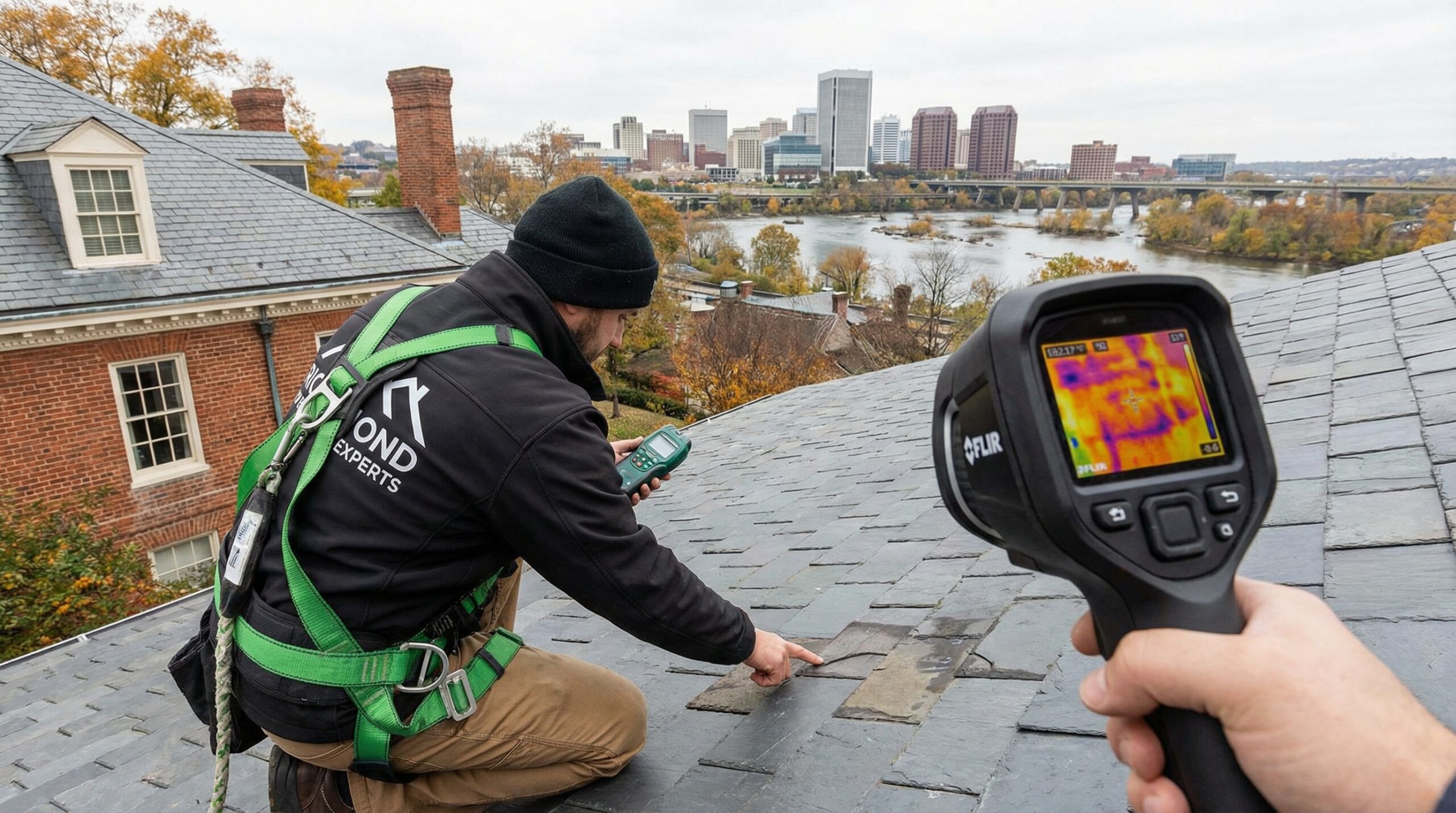
The smartest approach involves getting a comprehensive professional inspection that evaluates not just visible damage, but also ventilation, flashing, underlayment, and structural integrity. This assessment provides the complete picture you need to make an informed decision.
Local experience matters significantly in this evaluation. Contractors familiar with Rocky River-area homes understand how regional weather patterns affect different roofing materials and can recommend the most practical solution for your specific situation. For homeowners dealing with urgent issues, knowing when to seek emergency roof repair services can prevent minor problems from becoming major disasters.
Consider your long-term plans as well. If you’re planning to stay in your home for many years, replacement often provides better value. If you’re considering selling within a few years, strategic repairs might make more sense. If you own an older property, exploring historic home roof restoration techniques can help preserve your home’s character while ensuring modern protection.
The decision ultimately comes down to balancing immediate costs against long-term reliability and peace of mind. While repairs might seem less expensive upfront, replacement often delivers better value when you factor in ongoing maintenance and the risk of emergency repairs.
If you’re uncertain about the best path forward, Peak and Valley Roofing offers comprehensive inspections that provide clear, honest guidance tailored to your Northeast Ohio home’s specific needs and your family’s circumstances.