
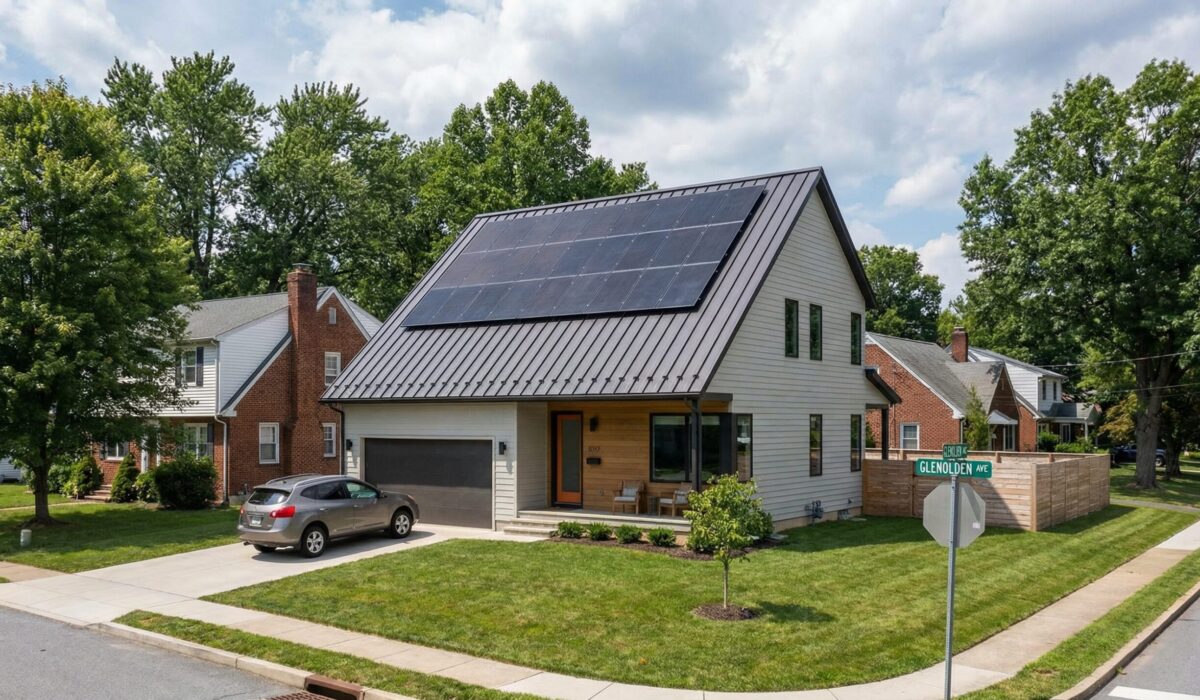
Choosing between leasing and buying solar panels can save Rocky River homeowners thousands of dollars over 25 years. With Ohio’s strong solar incentives and rising electricity costs averaging $150 monthly, making the right financing decision impacts your long-term savings significantly. Solar leasing offers low upfront costs starting around $50-150 monthly, while purchasing provides ownership benefits and access to the 30% federal tax credit.
Quick Answer: Buying solar panels typically provides 15-30% greater lifetime value than leasing for most Rocky River homeowners, especially when factoring in Ohio’s net metering policies and renewable energy credits.
At Peak and Valley Roofing, we help Cuyahoga County residents navigate these financing options by evaluating your specific situation, roof suitability, and financial goals to determine the best path forward.
Understanding solar panel basics for your Rocky River home
Solar technology has become increasingly accessible for Ohio homeowners. Modern photovoltaic panels convert sunlight into electricity with efficiency rates between 15-22%, seamlessly integrating with existing roofing materials including asphalt shingles, metal, and tile surfaces.
Your roof’s suitability depends on several key factors. South-facing surfaces with 15-40 degree slopes perform optimally in our region. We evaluate your home’s age, structural integrity, and potential shading issues before recommending installation. Most Rocky River properties accommodate 5kW to 10kW systems, sized according to your energy consumption and available roof space.
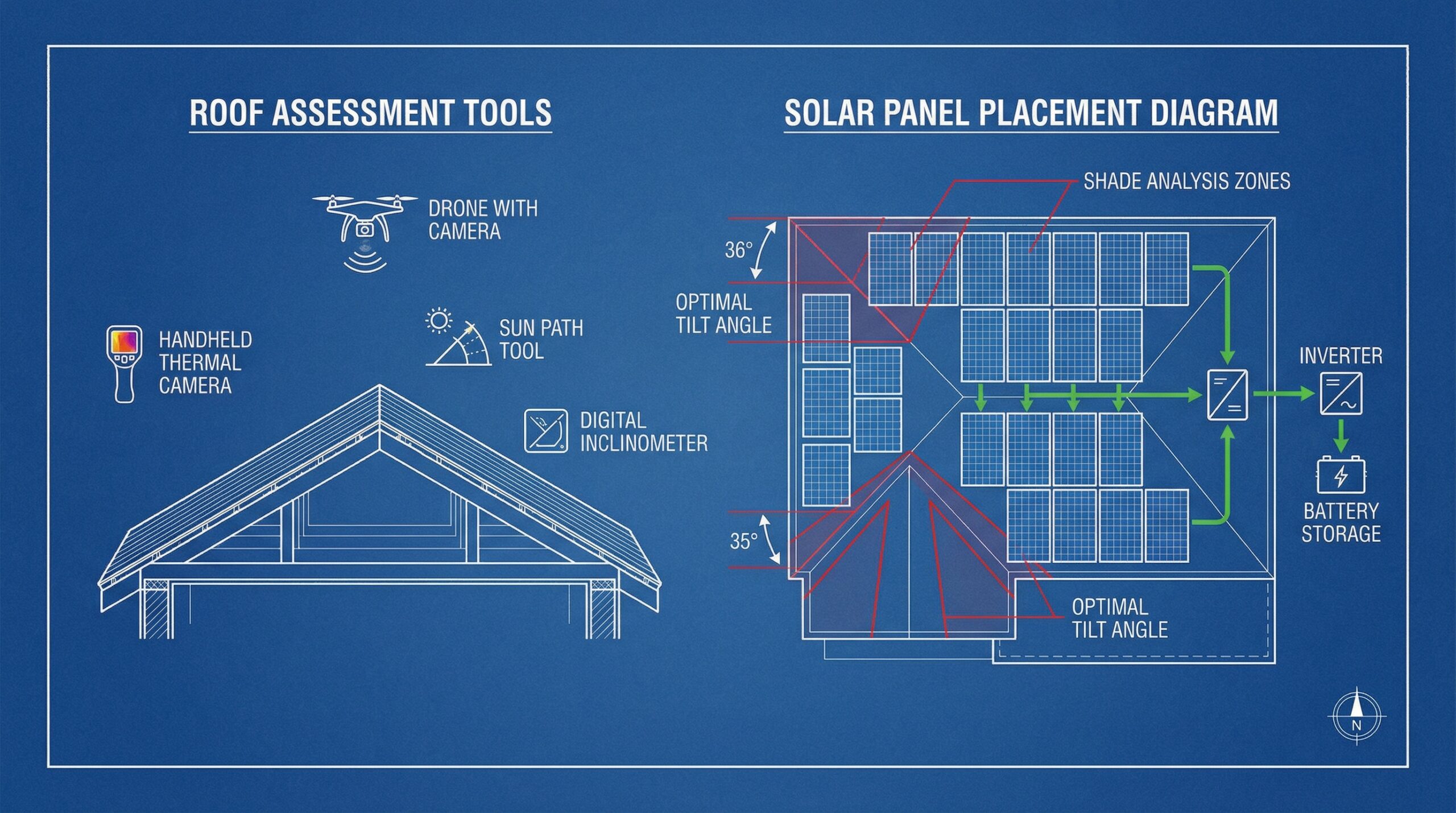
The installation process involves specialized mounting hardware designed for your specific roof configuration. Our certified professionals ensure proper integration while maintaining existing warranties. Understanding the parts of a roof is essential before solar installation, as systems typically offset 70-100% of electricity costs through direct generation and Ohio’s favorable net metering programs.
Solar leasing programs and what to expect
Leasing allows you to access solar energy without substantial upfront investment. You essentially rent the panels while a third-party company owns and maintains the system. Most lease agreements span 20-25 years with monthly payments ranging from $50-150 depending on system size and your energy needs.
Standard lease contracts include annual escalation clauses of 1-3%, meaning your payments increase yearly. This structure requires careful comparison against projected utility rate increases. The leasing company handles all maintenance, repairs, and performance monitoring, removing these responsibilities from homeowners.
When selling your home during the lease term, most agreements allow transfer to qualified buyers who meet credit requirements. At lease end, you typically have options to extend the contract, upgrade to newer technology, or have the system removed at the company’s expense.
Important Note: With solar leasing, the third-party company receives all tax credits and incentives, not you as the homeowner.
Solar purchase options and financing alternatives
Buying solar panels gives you immediate ownership and access to all available incentives. You can choose between cash purchase, solar loans, or power purchase agreements. Each option offers different advantages based on your financial situation and goals.
Solar loans provide attractive financing with interest rates typically ranging from 2.99-8.99% over 5-20 years. Many programs offer tax-deductible interest and expedited approval processes. Ohio residents may access government-supported programs with below-market rates, including specialized options through local credit unions. Similar to roof financing options in Northeast Ohio, Ohio offers various pathways to make solar investments more accessible.
Cash purchases deliver maximum long-term value by eliminating financing costs and providing immediate access to all incentives. This approach works best when timed with tax filing seasons to optimize federal credit utilization. While requiring significant upfront investment, cash buyers enjoy the highest lifetime savings potential.

Financial comparison and making your decision
The choice between leasing and buying depends on your financial circumstances, tax situation, and long-term plans. Purchasing typically generates superior returns for homeowners planning to stay in their homes beyond 7-10 years, while leasing offers simplicity for those prioritizing immediate savings without ownership responsibilities.
| Financing Option | Upfront Cost | Monthly Payment | Tax Credits | Long-term Value |
|---|---|---|---|---|
| Solar Lease | $0-500 | $50-150 | None | Lower |
| Solar Loan | $0-2,000 | $75-200 | Full 30% | Higher |
| Cash Purchase | $12,600-31,500 | $0 | Full 30% | Highest |
When evaluating total cost of ownership, consider all expenses across the system’s 25+ year lifespan. Leasing involves minimal initial costs but includes escalating monthly payments and limited end-of-term options. Purchasing requires higher upfront investment but typically achieves break-even in 7-12 years, followed by decades of essentially free electricity.
Financial Reality: Net present value analysis frequently shows purchasing delivers 15-30% greater lifetime value than leasing for Northeast Ohio homeowners.
Your personal financial assessment should include available capital, tax liability capacity, credit profile, and anticipated time in your current home. Risk tolerance also plays a crucial role since leasing transfers performance responsibilities to the provider while purchasing offers greater long-term economic benefits with owner-managed maintenance requirements. Understanding what should be on a detailed roofing estimate can help you better evaluate solar installation proposals as well.
The federal Investment Tax Credit allows system owners to deduct 30% of installation costs from federal taxes, while Ohio offers additional state-level incentives including property tax exemptions. Local utilities serving Rocky River provide net metering that credits excess generation at retail rates, substantially enhancing system economics for owned systems.
Making the right choice requires aligning your solar investment with broader financial objectives including environmental priorities and energy independence goals. Just as homeowners are increasingly interested in eco-friendly roofing solutions in Rocky River, OH, solar panels represent another sustainable investment. Peak and Valley Roofing provides personalized analysis highlighting factors favoring each approach based on current market conditions, interest rates, and incentive availability to help you make an informed decision for your Rocky River home.