

When your Cleveland-area roof needs replacement, the idea of adding a second layer of shingles over your existing roof can seem tempting. It’s faster, appears cheaper upfront, and avoids the mess of tearing off old materials. However, what looks like a smart money-saving decision often creates serious long-term problems that cost far more than the initial savings—especially in Northeast Ohio’s challenging climate.
Quick Answer: While building codes typically allow up to two layers of shingles, installing a second layer creates structural stress, traps moisture, voids enhanced warranties, and can reduce your roof’s lifespan by up to 10 years. Most roofing professionals recommend a full tear-off for safety and long-term value.
Two layers of shingles, also called a roof layover, involves installing new shingles directly over your existing roof without removing the old materials. This approach doubles the weight on your roof structure, prevents proper inspection of underlying components, and creates a host of problems that become expensive to fix later. Understanding these issues helps you make the right choice between short-term savings and long-term roof performance.
Are two layers of shingles allowed by building codes?
Most building codes, including those in Ohio and following national standards, permit a maximum of two layers of asphalt shingles on residential roofs. However, this legal allowance doesn’t mean it’s recommended. The code sets a maximum limit for safety reasons, not an endorsement of the practice.
Many municipalities in the Cleveland area require building permits for re-roofing work, and inspectors can mandate a full tear-off if they find visible damage, inadequate structural support, or if the roof already has two layers. Some areas have stricter regulations that prohibit multiple layers entirely due to climate conditions or local building standards.
Even when codes allow it, most reputable roofing contractors in Northeast Ohio discourage second layers because the legal maximum doesn’t account for the specific conditions of your roof, your home’s structural capacity, or the long-term performance issues that develop over time—particularly with Cleveland’s freeze-thaw cycles and heavy snow loads.
Major structural and safety problems with double-layer roofs
The most serious issue with two layers of shingles is the inability to inspect your roof decking before installation. Your roof deck is the foundation that supports everything else, and during a proper roof replacement, contractors remove old materials to check for rot, damage, or structural weakness.
With a layover, you’re essentially gambling that your hidden deck can handle double the weight without proper inspection. Roofing contractors in the Cleveland area report that rotten or damaged decking often goes undetected until serious structural problems develop, sometimes leading to partial roof collapse—particularly problematic in older Northeast Ohio homes that may already have compromised structural elements.
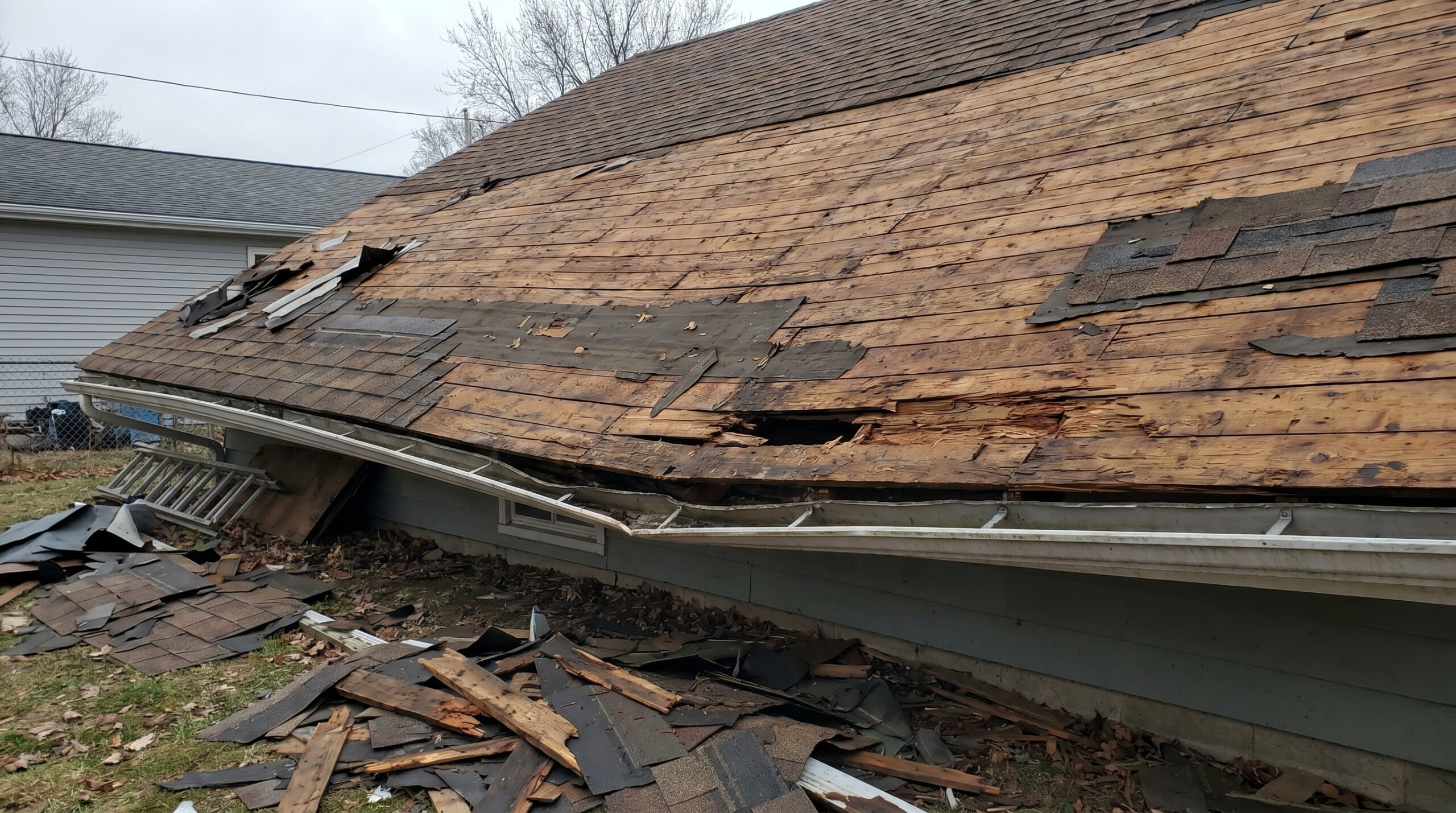
The weight factor alone makes double layers risky in Cleveland’s climate. An average asphalt shingle roof weighs 2-3 tons, and adding a second layer essentially doubles this load on your rafters, trusses, and decking. When you factor in Northeast Ohio’s heavy snow loads, this additional weight can push older homes beyond their structural limits.
Heat and moisture problems compound these structural issues in Cleveland’s humid climate. The old shingle layer acts as insulation, trapping heat that causes the new shingles to age much faster than normal. Studies show that shingles designed to last 25-30 years may only perform for 15-20 years as a second layer due to accelerated thermal cycling and poor ventilation—a particular concern in Northeast Ohio where temperature swings are common.
Warranty and insurance complications you need to know
Installing a second layer of shingles typically voids enhanced manufacturer warranties that could save you thousands in future repairs. While basic material warranties still apply, you lose access to comprehensive system warranties that cover the entire roof assembly when all components are new and properly installed.
Insurance companies often deny claims related to roofs with multiple layers because the added risk of structural damage and moisture problems makes these roofs more likely to fail. This is particularly important for Cleveland homeowners dealing with storm damage claims, as insurance restoration work typically requires proper documentation of all roof components—something impossible with layover installations.
When you eventually sell your home, buyers and their inspectors often view multiple shingle layers as a red flag. The thick, uneven appearance at roof edges and the knowledge that proper inspection wasn’t possible during the last “replacement” can hurt your home’s marketability and negotiating position in the competitive Cleveland real estate market.
| Factor | Second Layer | Full Tear-Off |
|---|---|---|
| Initial Cost | Lower | Higher |
| Roof Lifespan | 15-20 years | 25-30 years |
| Warranty Coverage | Basic only | Enhanced available |
| Structural Risk | Higher | Lower |
Cost comparison and long-term value considerations
While a second layer saves money on tear-off and disposal costs upfront, the long-term financial picture often favors a complete replacement. The shortened lifespan means you’ll need another roof sooner, and when that time comes, removing two layers costs significantly more than removing one.
Professional estimates suggest that while you might save 20-30% initially with a layover, the combination of reduced lifespan, higher repair costs, and more expensive future tear-off often makes the total cost of ownership higher than doing it right the first time.
Future leak repairs become much more complex and expensive with two layers. Water can travel between the layers, making it difficult to locate the actual source of leaks. What might be a simple repair on a single-layer roof often requires extensive exploratory work on a double-layer system—particularly challenging when dealing with ice dam damage common in Northeast Ohio winters.
Consider This: A roof layover might save you $3,000-5,000 initially, but the shortened lifespan and higher future tear-off costs often exceed these savings within 10-15 years.

The aesthetic issues also affect your home’s value. When architectural shingles are installed over old 3-tab shingles, the different exposure patterns create visible humps and uneven lines that detract from your home’s curb appeal. This isn’t just a cosmetic concern – it signals to potential buyers that shortcuts were taken with the roof.
When you’re facing a roof replacement decision in the Cleveland area, the temptation to save money upfront with a second layer is understandable, but you should also consider roofing upgrades that improve your roof and home. However, the combination of structural risks, shortened lifespan, warranty limitations, and higher long-term costs makes a full tear-off the smarter investment in most cases. A proper roof replacement allows complete inspection of all components, ensures optimal performance, and provides the peace of mind that comes with a properly installed system designed to protect your Northeast Ohio home for decades.
If you’re considering your options, get multiple professional opinions from licensed, bonded, and insured roofers and ask contractors to explain exactly what they’ll inspect, replace, and warranty with each approach. The few thousand dollars you might save with a layover rarely justify the risks and long-term costs that come with cutting corners on one of your home’s most important systems—especially when dealing with Cleveland’s demanding weather conditions.