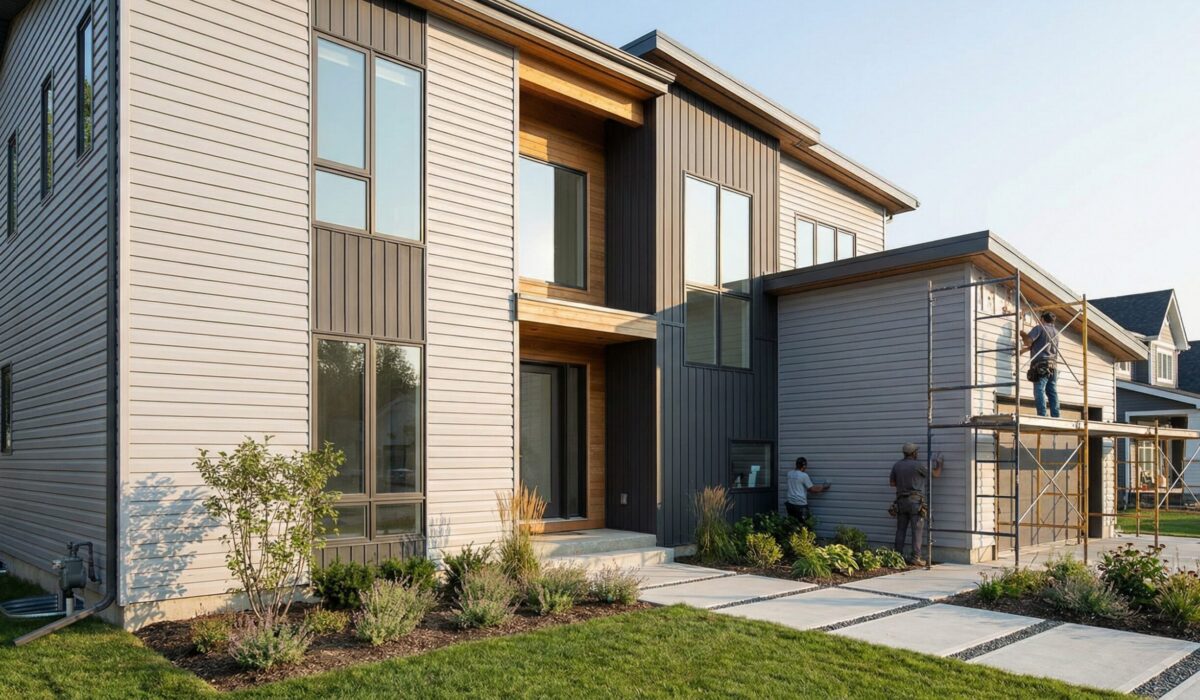
If you’re considering new siding for your home, you’ve probably come across Mastic as one of the top vinyl siding options. Mastic siding is a premium vinyl siding brand manufactured by Ply Gem that combines advanced technology with attractive designs to deliver long-lasting exterior protection. Known for its fade-resistant colors, weather durability, and low maintenance requirements, Mastic has become a popular choice among homeowners looking for quality without the high cost of premium materials like fiber cement or wood.
Quick Fact: Mastic siding features SolarDefense Reflective Technology that helps prevent fading and reduces heat absorption, making it ideal for homes in sunny climates.
In this guide, we’ll walk you through everything you need to know about Mastic siding, from its key features and style options to pricing and how it stacks up against competitors. Whether you’re building new or replacing existing siding, this information will help you decide if Mastic is the right choice for your home.
Understanding Mastic siding features and benefits
Mastic siding stands out in the vinyl siding market thanks to several innovative technologies and design features. According to plygem.com, the brand focuses on combining premium exterior style with uncompromising performance through cutting-edge innovation.
The most notable feature is the SolarDefense Reflective Technology, which uses advanced UV-blocking properties to maintain color vibrancy over time. This technology minimizes heat absorption, helping prevent the fading and thermal distortion that can affect standard vinyl siding in harsh sunlight.
Weather resistance is another major advantage. Mastic products are engineered to withstand extreme weather conditions, including high winds, heavy snow, and temperature fluctuations. The brand’s proprietary vinyl formulations boost durability and resist thermal distortion, making it particularly suitable for regions with challenging climates. Understanding how to protect your home from Connecticut weather with updated siding can help you make informed decisions about material selection.
For energy-conscious homeowners, Mastic offers the Structure Home Insulation System. This insulated siding option wraps your home with up to 1.25 inches of continuous insulation, helping reduce energy bills while improving impact resistance by up to 300%. The system is recognized by both the International Energy Conservation Code and ENERGY STAR for its effective energy performance. Learn more about how new siding improves your home’s insulation to maximize energy efficiency benefits.
Available styles and design options
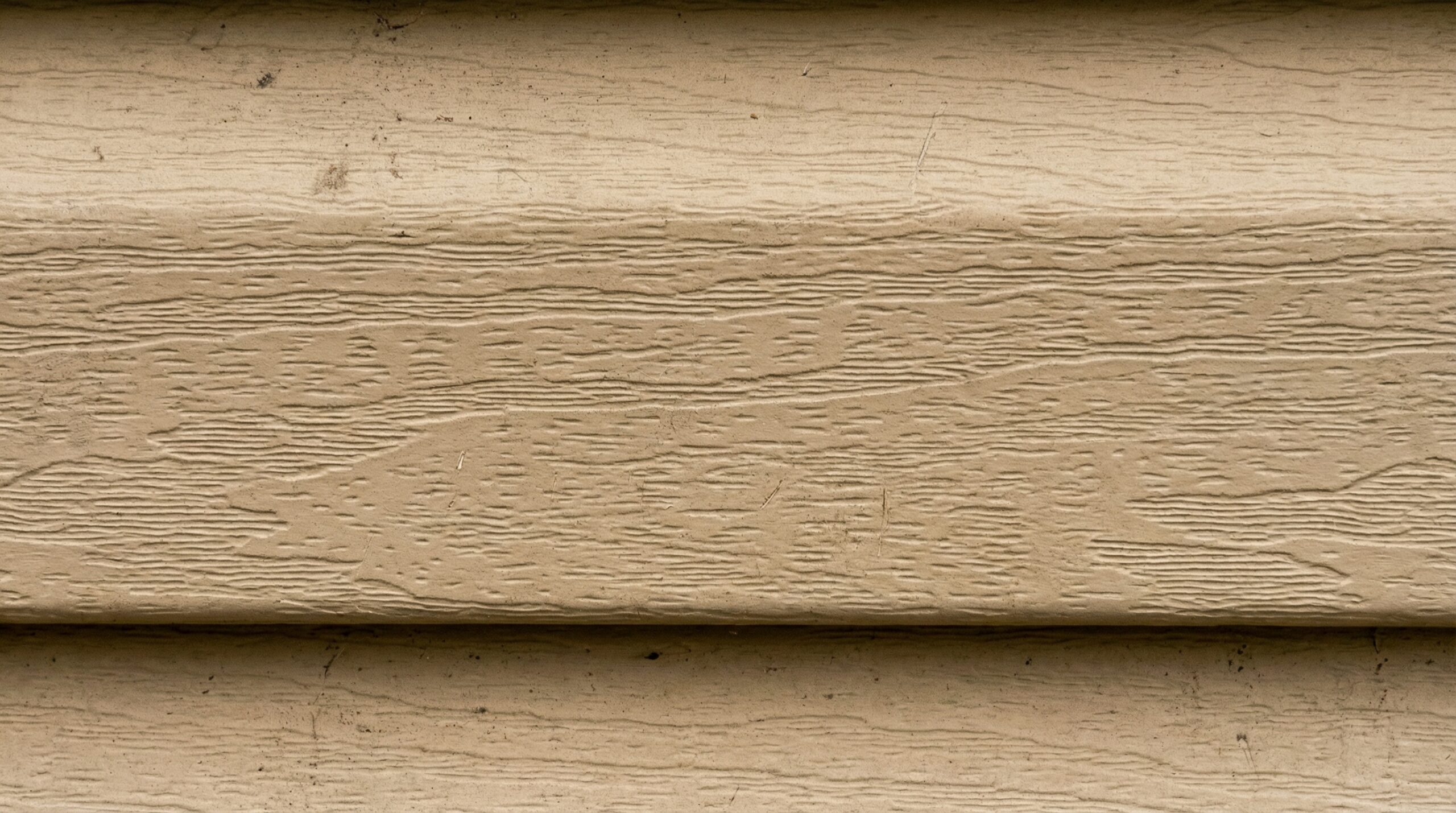
Mastic offers several siding styles to complement different architectural designs and personal preferences. The most popular options include traditional horizontal lap siding, which provides clean, timeless lines that work well with colonial and traditional home styles.
For homeowners seeking added visual interest, Dutch lap siding features an angled cut that creates deeper shadow lines and enhanced texture. This style works particularly well on historic homes where you want to add character without overwhelming the existing architecture.
Vertical siding options include board and batten styles that have gained popularity with modern farmhouse and rustic designs. These vertical panels create a sense of height and work especially well as accent features on gables or specific wall sections. If you’re interested in farmhouse aesthetics, check out the latest modern farmhouse siding trends for Kennett Square PA.
The brand also offers shake and shingle options that mimic the appearance of hand-split cedar or rough-cut shingles. These textured profiles provide a rustic, natural wood look without the maintenance requirements of actual wood siding.
| Style | Best For | Key Feature |
|---|---|---|
| Traditional Lap | Colonial, traditional homes | Clean horizontal lines |
| Dutch Lap | Historic, textured looks | Angled shadow lines |
| Board & Batten | Modern farmhouse, rustic | Vertical panels |
| Shakes/Shingles | Craftsman, Cape Cod | Wood-like texture |
Comparing costs and value proposition
Mastic siding typically costs between $6 and $12 per square foot installed, positioning it in the mid-range vinyl siding market. Several factors influence the final price, including the specific product line chosen, whether you select insulated or standard options, and the complexity of your home’s design. For a comprehensive breakdown, explore our siding replacement cost guide for Chester County.
The Structure insulated siding system commands a premium over standard vinyl but offers long-term energy savings that can offset the initial investment. According to plygem.com, insulated siding helps lower energy bills while providing additional benefits like noise reduction and improved impact resistance.
When comparing Mastic to competitors like CertainTeed, the brands offer similar quality levels with some key differences. Mastic often provides better value for budget-conscious homeowners, while CertainTeed may offer slightly more premium options in their high-end product lines. Both brands provide competitive warranties, though specific terms vary by product line. To understand different material options, read our comparison of vinyl vs wood siding total cost analysis.
Cost Consideration: While Mastic’s upfront cost is higher than basic vinyl siding, its fade resistance and durability can eliminate the need for premature replacement, making it cost-effective over the long term.
The brand’s VIP limited lifetime warranty adds significant value, as it’s fully transferable to new homeowners. This warranty coverage can actually increase your home’s resale value and provides peace of mind for long-term homeowners. Learn more about understanding siding warranties and what’s actually covered before making your final decision.
Making the right choice for your home
Mastic siding works well for most residential applications, but it’s particularly ideal for specific situations. If you live in an area with extreme weather conditions, the brand’s weather resistance and wind ratings make it an excellent choice for long-term protection.
The low maintenance requirements appeal to busy homeowners who want attractive exteriors without ongoing upkeep. Unlike wood siding that requires regular painting and staining, or fiber cement that needs periodic maintenance, Mastic vinyl siding maintains its appearance with just occasional cleaning. Discover how to maintain your siding in Pennsylvania to keep it looking its best.
For energy-conscious homeowners, the insulated options provide measurable benefits in heating and cooling costs. The continuous insulation helps eliminate thermal bridging and can contribute to a more comfortable indoor environment year-round.
However, Mastic may not be the best choice for every situation. If you’re planning an ultra-luxury custom home and want the most premium materials available, you might prefer fiber cement or engineered wood options that offer more customization possibilities.
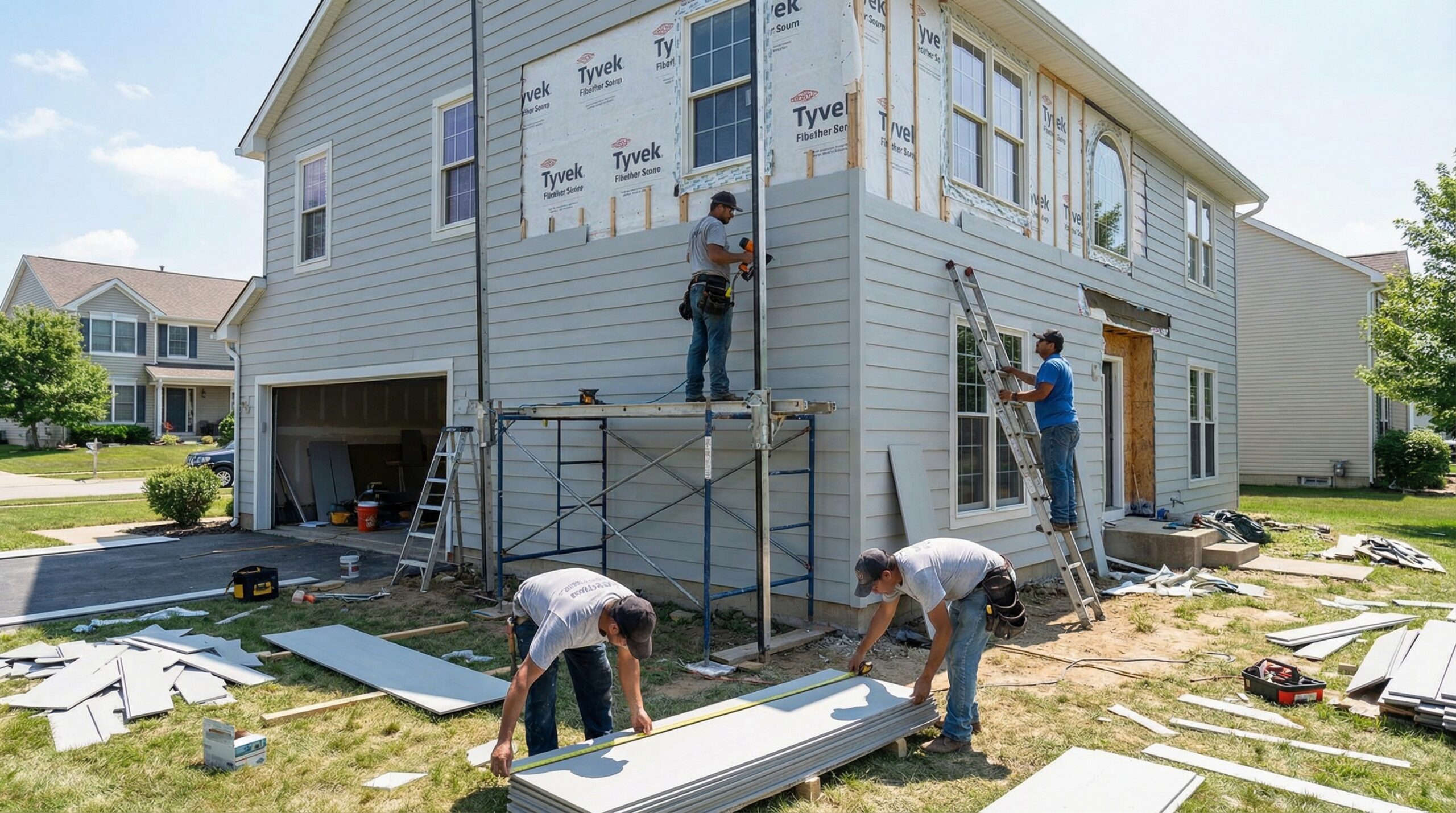
Installation Tip: Proper installation is crucial for Mastic siding performance. Working with certified installers ensures you get the full benefits of the product’s engineering and maintains warranty coverage.
Climate considerations also matter. While Mastic performs well in most environments, homeowners in extremely cold climates should discuss specific product recommendations with their installer, as some vinyl products can become brittle in very low temperatures. Before starting your project, be sure to avoid common siding installation mistakes that could compromise performance.
Choosing the right siding involves balancing performance, aesthetics, and budget considerations. Mastic siding offers an excellent middle ground for homeowners who want quality materials without premium pricing. Its combination of weather resistance, energy efficiency options, and attractive styling makes it a solid investment for most residential applications. When properly installed by certified contractors, Mastic siding can provide decades of reliable performance while enhancing your home’s curb appeal and value.