

When your roof starts showing signs of wear, the idea of simply adding new shingles over the old ones can seem like an attractive shortcut. After all, you might save $1,000 to $1,500 upfront and complete the project faster. But here’s what most homeowners don’t realize until it’s too late: this seemingly cost-effective solution often becomes one of the most expensive roofing mistakes you can make.
Quick fact: While building codes may allow two layers of shingles in some areas, most roofing manufacturers void warranties when a second layer is installed, leaving you without protection when problems arise.
The practice of layering new shingles over existing ones, called a “reroof” or “layover,” might solve your immediate roofing concerns, but it creates a host of hidden problems that can cost thousands more down the road. Let’s explore why this roofing shortcut rarely pays off and what you should consider instead.
The structural nightmare hiding beneath your roof
Adding a second layer of shingles doesn’t just double your roofing material—it can nearly double the weight your home’s structure must support. Each square foot of asphalt shingles weighs between 2 to 4 pounds, which means a typical 2,000 square foot roof gains an additional 4,000 to 8,000 pounds when you add that second layer.
Your home’s rafters, trusses, and foundation weren’t designed to handle this extra load indefinitely. According to rooflife-oregon.com, this additional weight can stress structural components and lead to early damage, particularly in older homes. The result? Sagging rooflines, compromised structural integrity, and in extreme cases, partial roof collapse during heavy snow loads.
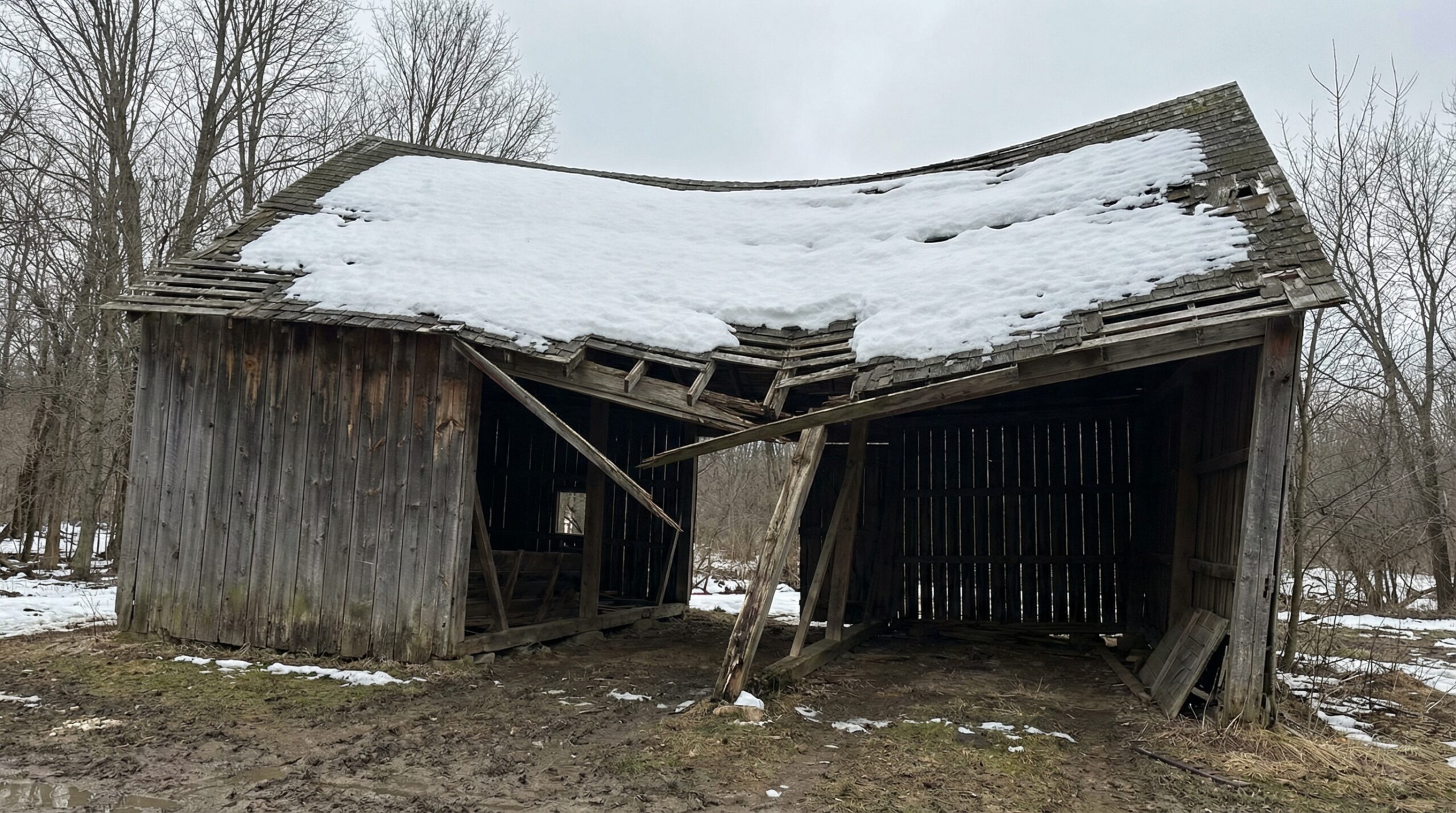
Even if your roof doesn’t collapse, the constant stress from the extra weight accelerates wear on your existing roofing materials. The original shingles beneath begin deteriorating faster under the increased pressure, creating a domino effect of premature failure throughout your roofing system.
Hidden damage that keeps getting worse
Perhaps the most dangerous aspect of adding a second shingle layer is how it conceals existing problems while creating new ones. When you install new shingles over old ones, you’re essentially putting a bandage over a wound without treating the underlying issue.
africkerroofing.com reports that roofers regularly find concealed roof deck damage, compromised flashing, and trapped moisture when removing double-layer systems. The original roof deck—your roof’s foundation—cannot be properly inspected or repaired when it’s hidden beneath layers of shingles. This is why scheduling a professional roof inspection is crucial before making any roofing decisions.
Moisture becomes trapped between the layers, creating an ideal environment for mold, mildew, and wood rot. This trapped moisture accelerates deterioration of both shingle layers and can spread to your home’s insulation and structural components. What started as a minor leak or small area of damage can become extensive rot affecting large portions of your roof deck.
Warning: Pest infestations are common in double-layer roofs, as the gaps and spaces between layers create entry points for insects and rodents that can damage your home’s interior.
Your warranty just disappeared
Most homeowners don’t discover this until they need to file a claim: adding a second layer of shingles typically voids your manufacturer’s warranty.
This warranty void isn’t just about the new shingles you’re installing—it often affects your entire roofing system. When problems arise, you’ll be responsible for all repair costs out of pocket, even if the issues stem from manufacturing defects that would normally be covered. Understanding why your 50-year warranty might be worthless can help you make more informed decisions about your roofing investment.
The financial implications extend beyond just warranty coverage. When you eventually sell your home, inspectors typically flag double-layer roofs as potential problems. Buyers often negotiate lower prices or request full roof replacement before closing, knowing they’ll face higher repair costs due to the need for complete tear-off and replacement.
The real cost of cutting corners
While a second layer might save you money initially, the long-term financial impact tells a different story. rainstoppersroofing.com points out that double-layered roofs typically have shorter lifespans than properly replaced roofs, meaning you’ll need replacement sooner than expected.
When that replacement time comes, you’ll face significantly higher costs. Removing two layers of shingles requires more labor, generates more waste disposal fees, and often reveals extensive damage that could have been addressed earlier. The “savings” from your original layover decision often pale in comparison to these future expenses. Knowing how long a roof should last can help you plan for proper replacement rather than temporary fixes.
| Cost Comparison | Second Layer | Complete Replacement |
|---|---|---|
| Initial cost | $8,000-$12,000 | $12,000-$18,000 |
| Future tear-off | $15,000-$25,000 | $12,000-$18,000 |
| Total long-term cost | $23,000-$37,000 | $12,000-$18,000 |
The aesthetic impact shouldn’t be overlooked either. Second layers create a bulky, uneven appearance that detracts from your home’s curb appeal. Shingles are designed to lie flat, and installing them over damaged or curled existing shingles creates visible bumps and irregularities that make your roof look unprofessional.
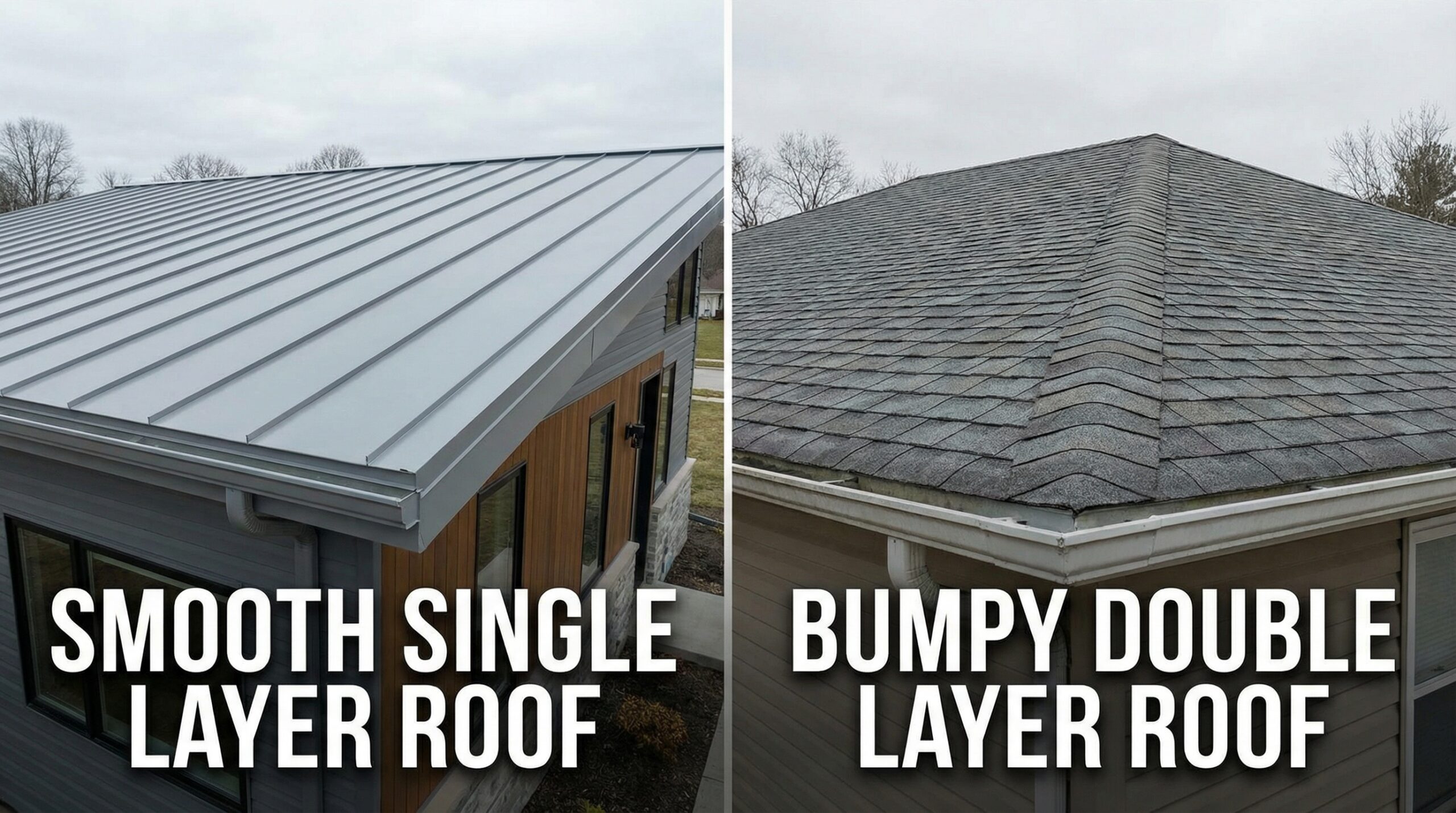
At Peak and Valley Roofing, we’ve seen too many homeowners regret the decision to add a second layer. While the upfront savings might seem appealing, the hidden costs, structural risks, and voided warranties make this one of the most expensive shortcuts in roofing. Investing in proper roof replacement from the start protects your home’s value, ensures warranty coverage, and provides the long-term durability your family deserves. Before making any roofing decision, make sure you ask the right questions to your roofing contractor and understand when to replace your roof.
Bottom line: The money you save today by adding a second layer often costs you thousands more tomorrow. Complete roof replacement might cost more upfront, but it’s the only way to ensure your roof’s integrity and your family’s protection.
When it comes to your roof, there are no real shortcuts—only expensive detours that lead back to the same destination: complete replacement. Choose the path that protects your investment and gives you peace of mind for decades to come.