
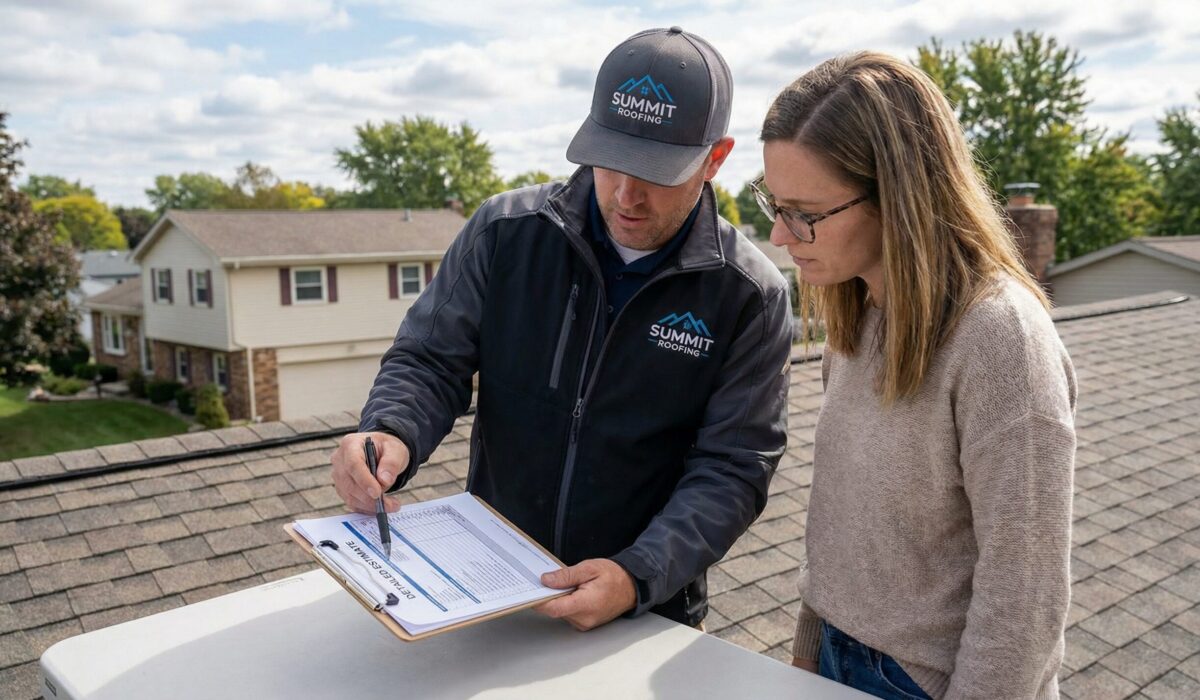
Getting a roofing estimate can feel overwhelming when you’re staring at numbers, technical terms, and line items you don’t understand. A detailed roofing estimate should include specific measurements, material breakdowns, labor costs, permits, and timeline expectations. Understanding these components helps you compare quotes accurately and avoid surprise costs during your project.
Quick Answer: A comprehensive roofing estimate must include roof measurements in squares, itemized material costs, labor breakdown, permit fees, waste removal, timeline, and warranty details to ensure transparency and accurate project pricing.
Let’s break down exactly what you should see in a professional roofing estimate and why each component matters for your project’s success.
Understanding roof measurements and pricing basics
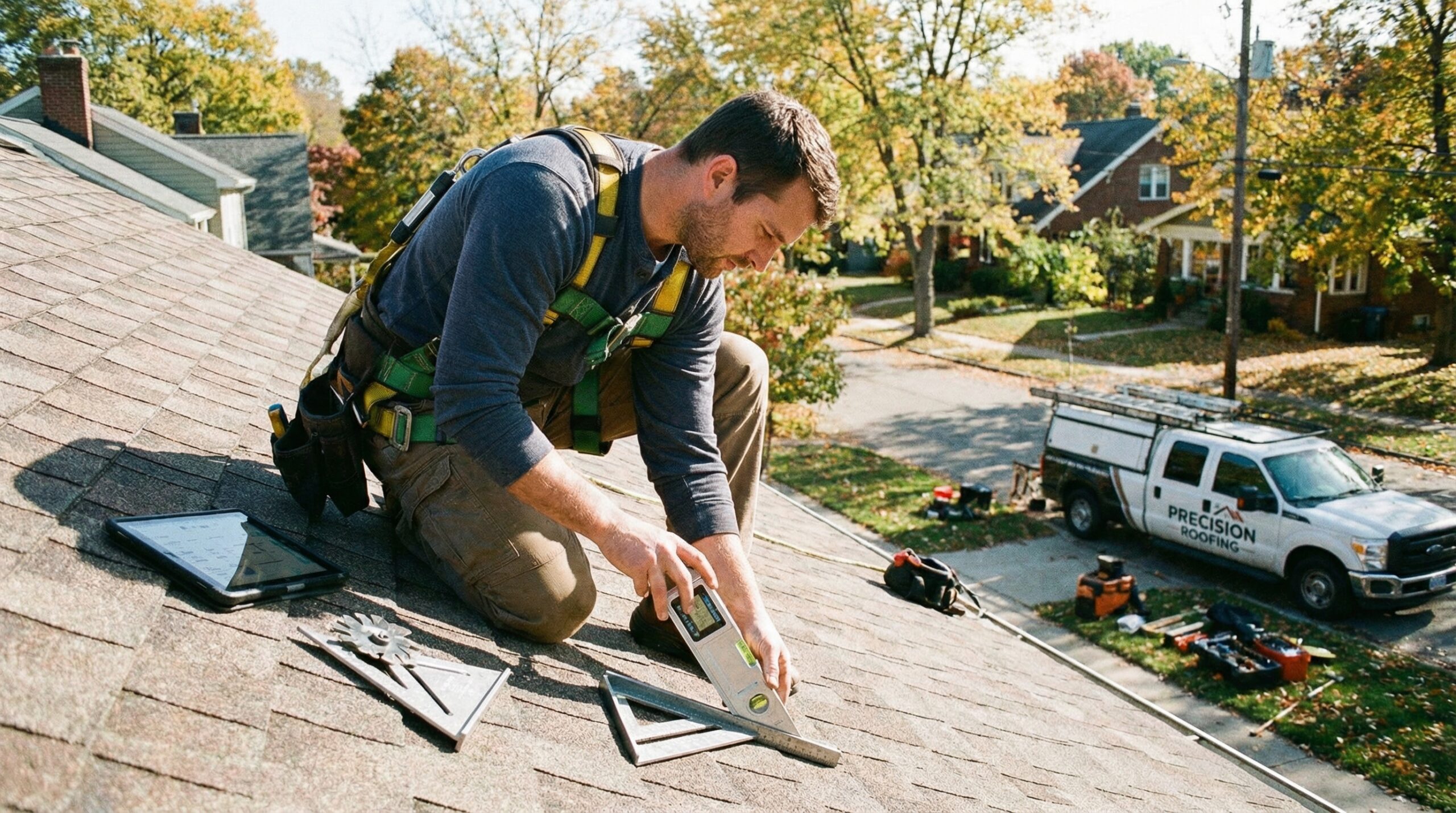
The foundation of any accurate roofing estimate starts with proper measurements. According to rooferbase.com, contractors measure your roof in “squares” where one roofing square equals 100 square feet of coverage.
Your roof’s actual size differs significantly from your home’s square footage. utzroof.com explains that roof pitch dramatically affects total surface area. A steep pitch can increase your roof’s square footage by 30% or more compared to the home’s footprint.
Professional contractors use three main measurement methods. They might climb onto your roof with measuring tools, calculate from ground measurements using pitch multipliers, or employ aerial measurement services for precision. roof-rite.com notes that experienced estimators can achieve accuracy from ground-level measurements when roof access isn’t immediately safe.
The pitch measurement appears as a ratio like 6/12, meaning the roof rises 6 inches for every 12 horizontal inches. This factor directly impacts both material quantities and labor complexity, affecting your final estimate. Understanding how roof pitch influences material choices can help you better interpret your estimate.
Material costs and quality considerations
Material selection represents the largest variable in your roofing estimate after labor.
Your estimate should itemize each material component separately. This includes shingles or roofing material, underlayment, flashing, ridge caps, and ventilation components. Quality variations within material types can significantly impact pricing and longevity. Learning about the different types of roof flashing and roof underlayment options can help you understand why these components appear as separate line items.
Consider the relationship between material weight and structural requirements. If you’re switching from lightweight asphalt to heavier materials like tile or slate, your estimate might include structural reinforcement costs. This could add $7,000 to $12,000 to your project according to industry standards.
Material Tip: Higher-quality synthetic materials often cost more upfront but provide better fire resistance, weather protection, and lower maintenance requirements over time.
Market fluctuations affect material pricing throughout the year. Lumber and shingle prices can vary significantly between seasons, so timing your project might impact your total investment. When comparing options, consider exploring the best roofing materials for durable roofs to understand the long-term value of different choices.
Labor breakdown and additional project costs
Labor typically represents 60% of your total roofing investment, making this section crucial for understanding your estimate. Your quote should specify labor costs separately from materials, often calculated per square or as a total project fee.
Geographic location heavily influences labor pricing.
| Roof Size (sq ft) | Roof Squares | Estimated Cost Range |
|---|---|---|
| 1,200 | 12.65 | $4,500 – $6,500 |
| 1,800 | 18.97 | $6,700 – $9,500 |
| 2,500 | 26.35 | $9,000 – $13,000 |
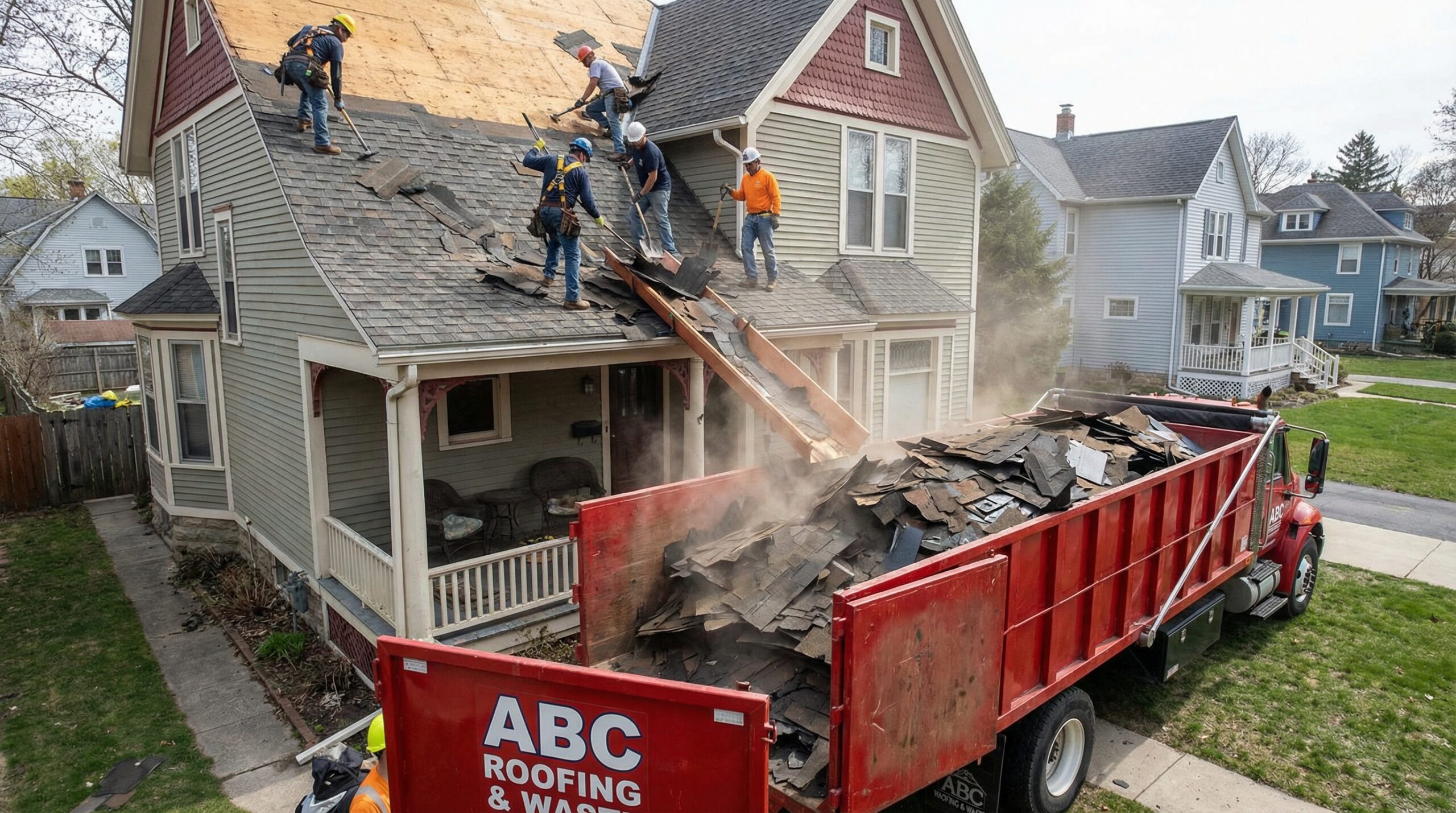
Your estimate should include tear-off costs for removing existing roofing, typically $100 to $150 per square. Waste removal represents another significant expense, averaging $250 per truckload but potentially reaching $800 depending on your location and disposal requirements.
Building permits add another cost layer that varies by jurisdiction. Some areas charge flat rates while others calculate fees based on project scope or roof area. For specific regional pricing, check out roof replacement costs in Washington Township, NJ to see how local factors affect estimates.
Timeline expectations and warranty coverage
A professional estimate includes realistic project timelines and warranty information. Most roofing projects require 2-3 weeks from start to finish, with the actual installation typically completed in 2-5 days depending on size and complexity.
Your timeline should account for weather delays and material delivery schedules. Contractors often provide buffer time for unexpected complications like discovering structural damage during tear-off phases. Issues with roof decking discovered during installation can extend timelines and affect final costs.
Warranty coverage comes in two forms that should be clearly outlined in your estimate. Manufacturer warranties typically cover materials for 25-50 years, with some premium products offering lifetime coverage. Contractor workmanship warranties usually cover installation quality for 1-10 years. Understanding roof lifespan by material helps you evaluate whether warranty periods align with expected material performance.
Warranty Insight: Some contractors partner with manufacturers to offer enhanced warranty packages that combine material and labor coverage for comprehensive protection.
The estimate should specify what warranty coverage includes and excludes. Understanding these details helps you compare contractors beyond just pricing and ensures you know what protection you’ll have after project completion.
Your estimate represents more than just numbers on paper. It’s a roadmap for your entire roofing project that protects both you and your contractor. By understanding each component, you can make informed decisions, compare quotes accurately, and feel confident about your investment. Take time to review every line item and ask questions about anything unclear before signing your contract.