

State Farm denies roof claims due to a combination of legitimate policy reasons and increasingly restrictive practices driven by rising claim costs. According to recent industry reports, roof-related claims reached $31 billion in 2026, representing nearly a 30% increase since 2026.
You’ve paid premiums faithfully for years, expecting coverage when storm damage strikes your roof. However, many Northeast Ohio homeowners find themselves facing unexpected denials or drastically reduced payouts from State Farm. Understanding why these denials happen helps you navigate the claims process more effectively and know when to push back.
Key Insight: State Farm frequently attributes storm damage to “pre-existing wear and tear,” converting covered wind events into excluded maintenance issues, according to property insurance attorneys specializing in Northeast Ohio claims.
The real reason behind increased roof claim denials
State Farm has systematically tightened its approach to roof claims as losses mount across the industry. The company faces record-breaking claim volumes from severe weather events, leading to what many Cleveland area contractors describe as a “deny first, ask questions later” mentality.
This shift isn’t accidental. Insurance adjusters are trained to attribute damage to non-covered causes, particularly in regions like Northeast Ohio where severe storms and hail events are becoming more frequent. The strategy appears designed to reduce payouts even when policies clearly cover the damage.
Even when State Farm approves claims, getting full replacement cost value has become increasingly difficult. Local roofing contractors in the Cleveland area report more pushback on supplements, code upgrades, and other policy-covered items that were routinely approved in previous years, even when insurance estimates come in lower than contractor assessments.
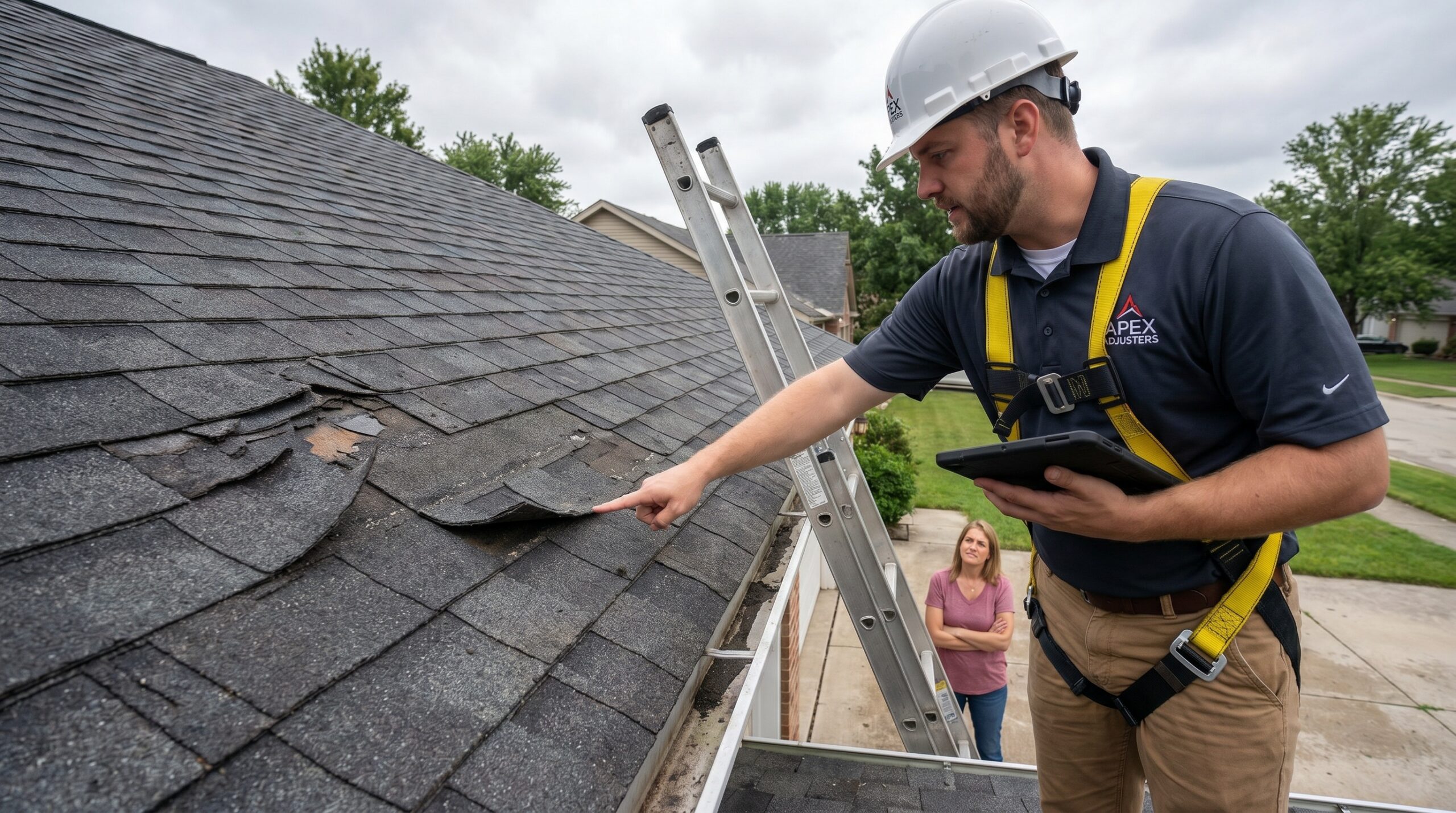
Common tactics State Farm uses to deny roof claims
State Farm employs several specific strategies to minimize or deny roof replacement claims. The most prevalent involves cosmetic damage exclusions, where adjusters argue that dented or damaged shingles remain “functional” despite building codes requiring replacement.
Another frequent tactic involves ACV roof endorsements that many homeowners don’t realize they have. These endorsements dramatically reduce payouts on older roofs by applying heavy depreciation, sometimes leaving homeowners with only a fraction of replacement costs.
State Farm also disputes causation regularly, claiming damage resulted from excluded causes like wear and tear rather than covered perils like wind or hail. This approach ignores the fundamental principle that replacement cost coverage should account for normal aging when storms cause actual damage.
Important Note: Northeast Ohio homeowners should be particularly aware that State Farm can approve a claim then refuse payment, citing statute of limitations after lengthy approval processes.
Legitimate reasons State Farm may deny your claim
Not every denial represents unfair practices. State Farm has valid grounds to refuse payment in several situations that Cleveland area homeowners should understand before filing claims.
Insufficient storm damage tops the list of legitimate denials. If an adjuster finds no evidence of covered peril damage, the claim lacks foundation regardless of your roof’s condition. However, remember that adjusters aren’t roofing experts, making contractor presence during inspections valuable – especially from local Northeast Ohio roofing specialists who understand regional weather patterns and building requirements.
Policy exclusions also create valid denial grounds. Wear and tear, deterioration, and gradual leaks are typically excluded from standard homeowners coverage. If damage stems from maintenance neglect rather than sudden storm events, State Farm can rightfully deny the claim.
Timing issues frequently cause legitimate denials too. Most policies require claims within one year of storm damage, and State Farm tracks weather events through specialized software that can pinpoint when storms occurred in your area.
| Policy Type | Coverage Level | Typical Payout |
|---|---|---|
| RCV (Replacement Cost) | Full replacement value | 100% minus deductible |
| ACV (Actual Cash Value) | Depreciated value | 40-70% of replacement cost |
| Limited Coverage | Specific perils only | Varies by endorsement |
What to do when State Farm denies your roof claim
Your first step after denial should involve carefully reviewing the denial letter and your policy language. State Farm must specify exactly why they’re refusing coverage, and this explanation should align with actual policy exclusions rather than vague references to wear and tear.
Consider hiring a public adjuster if the denial seems questionable, especially when understanding the average cost to replace a roof helps evaluate whether the payout is fair. These professionals understand insurance language and can identify when denials don’t match policy terms. Local Northeast Ohio roofing contractors who specialize in insurance restoration work can also provide valuable expertise in challenging questionable denials and ensuring full roof replacement approvals.
Documentation becomes crucial for any appeal process. Gather photos showing damage, weather reports from the storm date, and independent contractor estimates from reputable Cleveland area roofing companies. Property insurance attorneys recommend this evidence to establish the extent, cause, and timing of damage.
Most policies include appraisal processes using neutral umpires when you and State Farm disagree on loss amounts. This option provides a middle ground between accepting denial and pursuing litigation, though you’ll need to understand your specific policy’s appraisal clause requirements.

The key to dealing with State Farm roof claim denials lies in understanding whether the refusal stems from legitimate policy reasons or questionable practices designed to minimize payouts. While some denials reflect actual coverage limitations, the increasing frequency suggests many Northeast Ohio homeowners face unfair treatment that warrants challenge through proper channels. Working with local roofing experts who understand both insurance restoration and regional building requirements can significantly improve your chances of a successful claim resolution.