

Most homeowners think roof maintenance is a spring and summer activity. But here’s what the experts know: winter is actually one of the best times to schedule a comprehensive roof inspection. While you’re planning your New Year resolutions, don’t forget to include your roof’s health on that list.
Winter roof inspections can catch small problems before they become expensive emergencies, potentially saving homeowners $3,000 to $10,000 in major repair costs.
According to the National Roofing Contractors Association, homeowners should schedule at least two roof inspections annually, with winter being an ideal time to identify issues before spring storms arrive. In regions like North Atlanta, where freeze-thaw cycles and heavy rains are common, winter inspections become even more critical for protecting your investment.
Catch problems before they escalate into expensive repairs
The biggest advantage of winter roof inspections is identifying minor issues before they turn into major headaches. Even small problems like a cracked shingle or loose flashing can quickly escalate under winter weather stress.
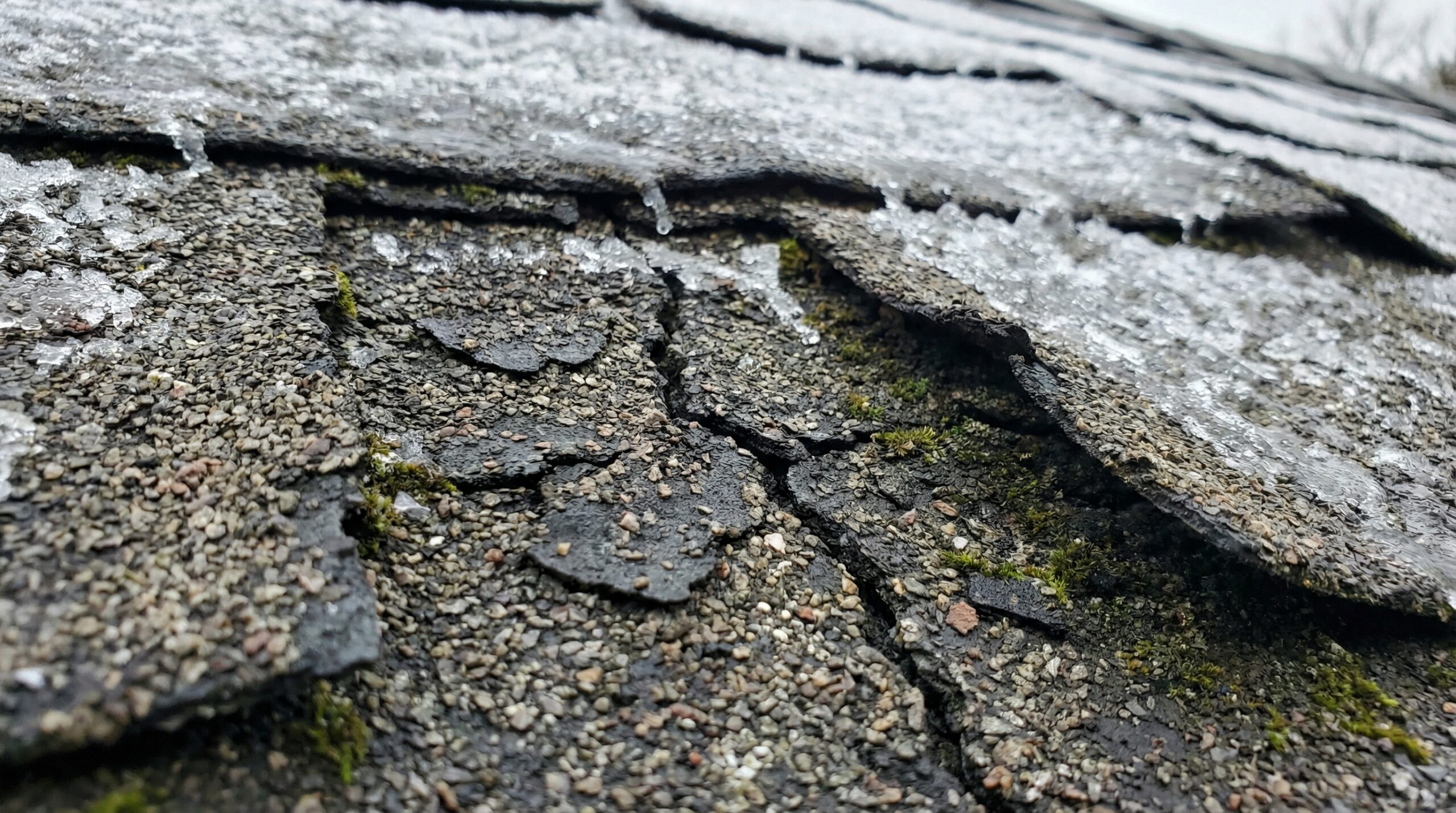
North Atlanta’s unique winter climate creates specific challenges for roofs. The frequent freeze-thaw cycle that occurs when temperatures hover around freezing at night but warm up during the day can wreak havoc on your roofing system. Water seeps into small cracks, freezes overnight, expands, and makes those cracks larger. Over time, this process compromises your roof’s integrity.
Professional inspectors use advanced tools like drones to access hard-to-see areas and identify hidden damage that might otherwise go unnoticed. This includes small punctures, early signs of mold, or deteriorating sealant around flashing. By addressing these issues early, you avoid costly water damage to your roof deck, attic, and interior spaces. If you’re wondering what to expect during a comprehensive roof inspection, professional contractors follow a detailed checklist to ensure nothing is overlooked.
Prepare your home for spring storm season
Spring in North Atlanta brings heavy rains, thunderstorms, and gusty winds. Your roof serves as your first line of defense against these elements, and any weaknesses leave your home vulnerable to water intrusion and structural damage.
During winter inspections, contractors check shingle integrity, looking for missing or broken pieces, curling edges, and areas where protective granules have worn away. They also examine flashing around chimneys, vents, and skylights since these are common failure points during storms. Loose or corroded flashing allows water to seep into your home, causing expensive damage.
Gutter maintenance is another critical component. Spring storms often bring torrential downpours that can overwhelm clogged gutters, leading to water pooling on your roof or ice dam formation during freezes. A winter inspection ensures your drainage system is ready for whatever spring weather brings.
Replacing a few damaged shingles in winter costs around $300-500, while repairing water damage from a major leak can cost $5,000-15,000 or more.
Take advantage of contractor availability and scheduling flexibility
Winter is traditionally the slower season for roofing contractors, which works to your advantage in several ways. During peak seasons like spring and summer, roofing companies are often booked weeks in advance. In winter, however, schedules tend to be more flexible, allowing you to secure an appointment at your convenience.
Not only is scheduling easier, but necessary repairs can often be completed more quickly during winter months. Contractors have more time to dedicate to your project, ensuring thorough and efficient work. This means you can address roofing needs without competing with other homeowners for contractor availability during busy seasons. However, it’s important to understand what temperature is too cold to install a roof to ensure quality installation.
When selecting a contractor for your winter inspection, make sure to ask the right questions to vet your roofing professional and verify their credentials. Additionally, reading reviews can help you choose the best roofing contractor in your area.
By handling your roofing maintenance during winter, you’ll enjoy peace of mind knowing your home is protected as spring approaches. You’ll also avoid the stress and potential premium pricing that comes with emergency repairs during peak storm season.
Maximize energy efficiency and extend roof lifespan
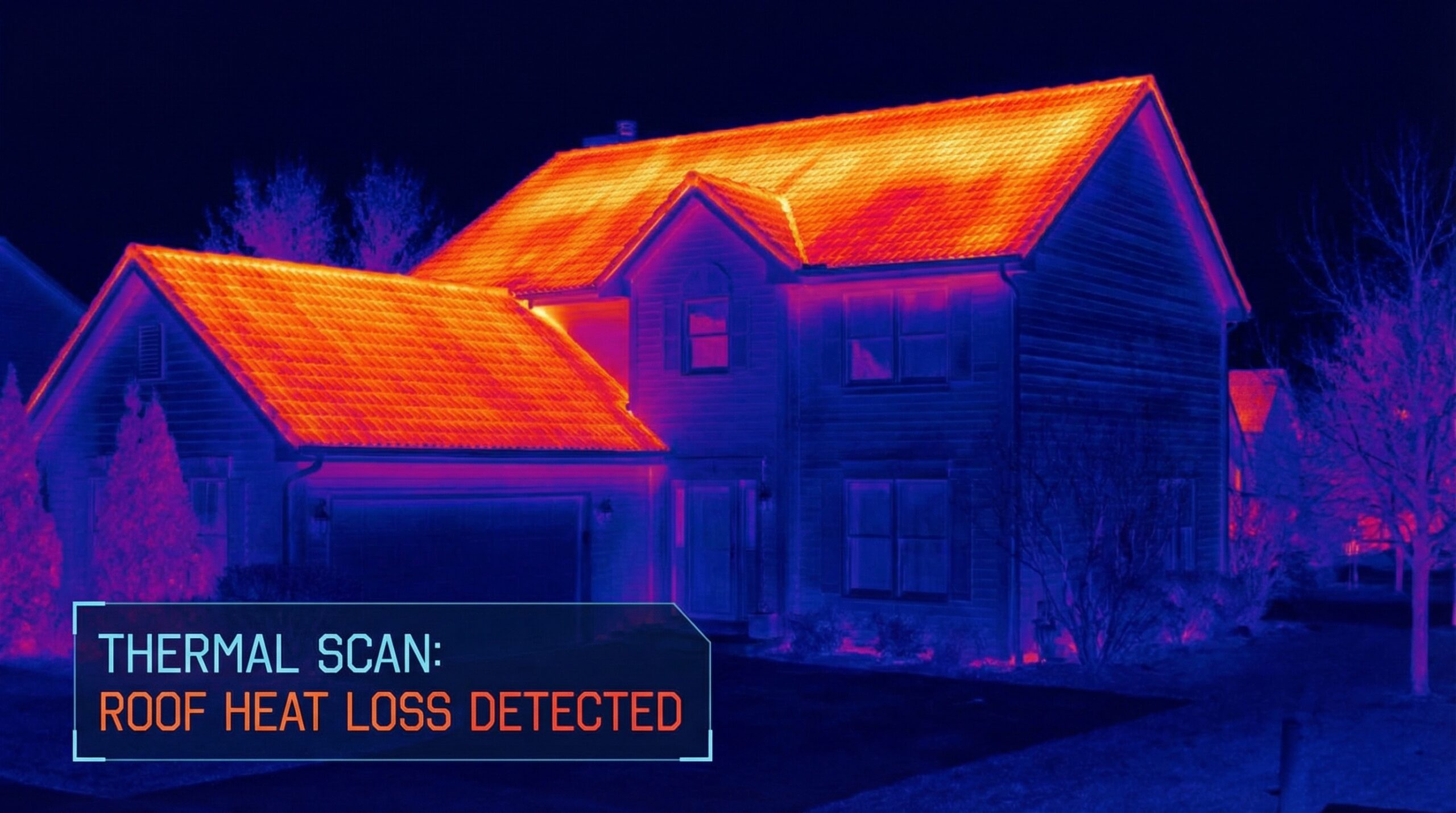
A well-maintained roof significantly impacts your home’s energy efficiency during colder months. Winter inspections reveal insulation gaps and ventilation issues that allow warm air to escape, leading to higher heating costs and reduced comfort.
Professional inspectors check for proper attic ventilation, which prevents moisture buildup that can lead to mold and rot. They also examine insulation coverage and identify areas where improvements could lower your energy bills while keeping your home more comfortable.
Regular maintenance through winter inspections can add years to your roof’s life. Whether you have asphalt shingles, metal roofing, or other materials, proactive care ensures your roof remains in excellent condition for as long as possible. According to roofing industry data, well-maintained roofs can last 20-30 years for asphalt shingles and 50+ years for metal roofing. Understanding the lifetime of your roof and when to replace it helps you plan for long-term maintenance and budgeting.
Winter inspections also help prevent pest problems by sealing cracks or holes that could become entry points for rodents or insects seeking shelter from the cold. This proactive approach protects both your roof structure and your home’s interior.
Scheduling a winter roof inspection isn’t just preventive maintenance; it’s a smart investment in your home’s longevity, efficiency, and safety. The combination of catching problems early, preparing for spring weather, taking advantage of contractor availability, and maximizing your roof’s performance makes winter the ideal time for this essential home maintenance task.