Rocky River homeowners planning roof replacements in 2026 can reduce energy costs by 15-25% while increasing home value through smart material choices. The roofing industry has evolved significantly, with new materials offering better durability, energy efficiency, and weather resistance specifically suited to Northeast Ohio’s climate.
This guide breaks down the top roofing materials for 2026, their costs, and which options work best for our region’s hot summers and cold, wet winters. You’ll discover how to choose materials that protect your investment while lowering monthly utility bills.
Key Insight: Metal roofing with reflective coatings can cut cooling costs by up to 25% during Northeast Ohio’s humid summers, making it increasingly popular among Rocky River homeowners.
Best roofing materials for Rocky River in 2026
Metal roofing systems
Metal roofing continues leading the market for good reason. Standing seam metal roofs handle Northeast Ohio’s weather extremes exceptionally well, from heavy lake-effect snow loads to summer storms. The material reflects solar heat effectively, keeping your home cooler during those humid July and August days.
Recent advances include thermal-reflective coatings that boost energy savings and solar-ready panels that integrate seamlessly with home energy systems. Heritage-style profiles now blend beautifully with Rocky River’s historic neighborhoods while meeting modern performance standards.
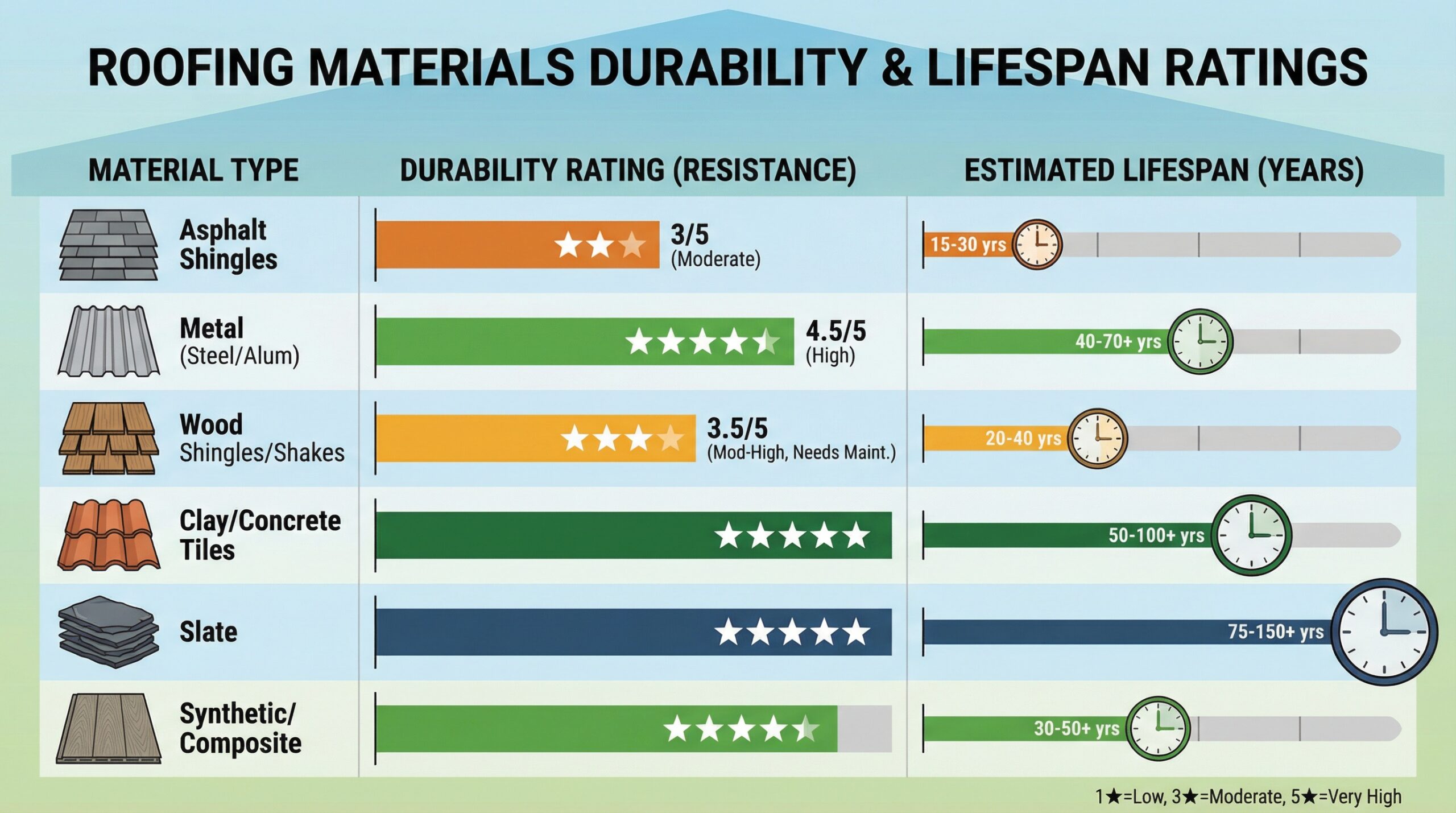
Installation costs range from $12.50 to $21.50 per square foot, but the 50+ year lifespan makes metal roofing cost-effective long-term. Many homeowners see the investment pay for itself through reduced energy bills and minimal maintenance needs. For a detailed breakdown of pricing factors, check out our comprehensive metal roofing cost guide.
Advanced asphalt shingles
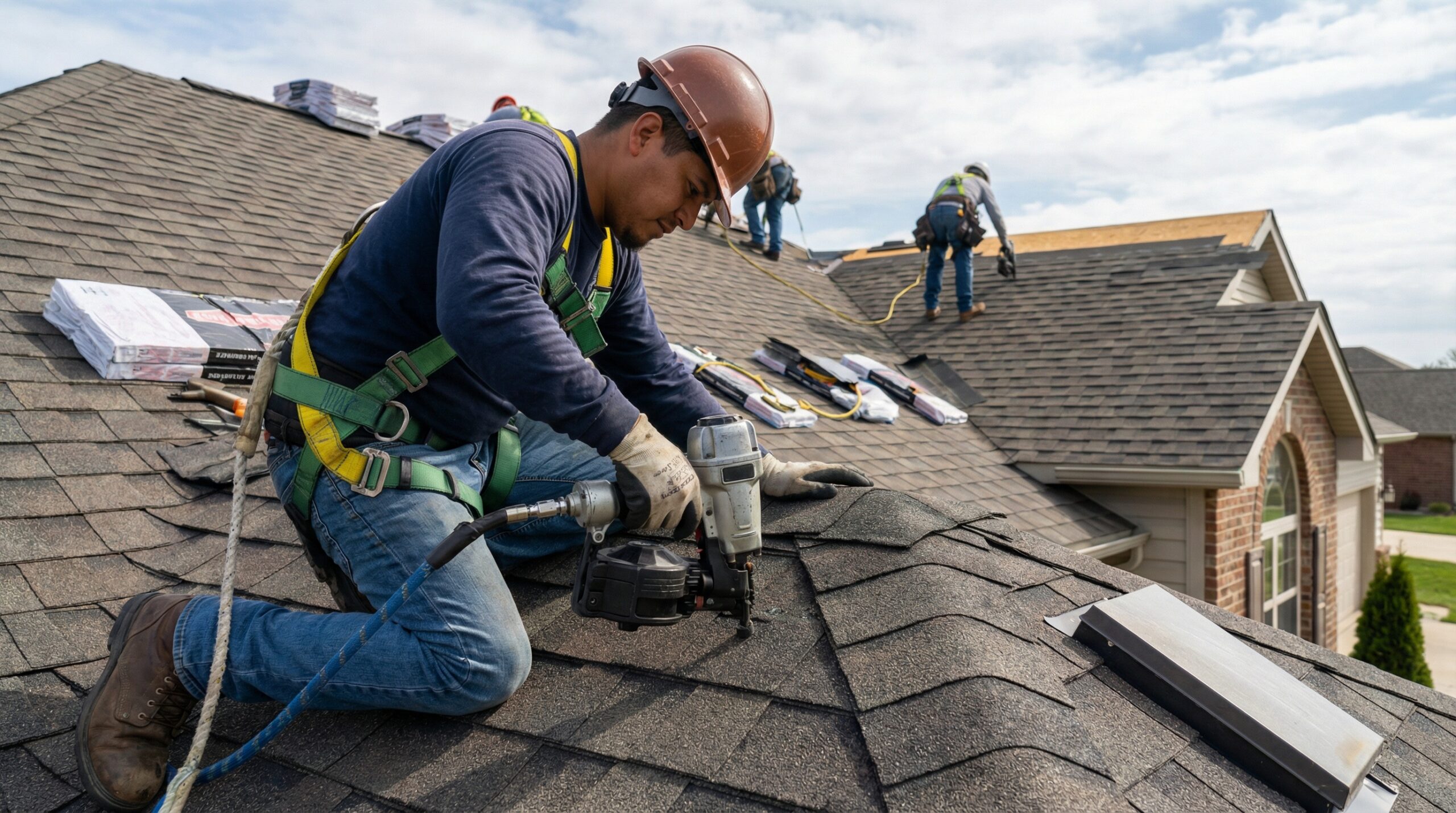
Today’s asphalt shingles bear little resemblance to basic options from even five years ago. Impact-resistant Class 4 shingles now withstand hail damage that would destroy older materials, while cool-surface technology reflects heat to reduce cooling costs.
Wind resistance has improved dramatically, with premium shingles rated for 130+ mph winds. This matters in Northeast Ohio, where severe thunderstorms can produce damaging straight-line winds. Manufacturers now offer 50-year warranties on top-tier products, backed by environmentally responsible production methods.
Architectural shingles with dimensional profiles create visual depth that enhances curb appeal. Colors and textures convincingly mimic natural materials like slate or wood, giving you premium aesthetics at moderate cost. To understand the differences between various shingle types, explore our composite vs asphalt shingles comparison guide.
Composite and sustainable options
Eco-conscious homeowners increasingly choose recycled-content shingles that match traditional materials in durability while reducing environmental impact. These products often qualify for green building certifications that some buyers value.
Solar tile integration represents the cutting edge of sustainable roofing. While expensive upfront, these systems generate electricity while protecting your home, potentially eliminating electric bills entirely. Federal tax credits help offset initial costs, making solar roofing more accessible than ever.
Composite materials engineered from recycled plastics and wood fibers offer excellent durability with minimal maintenance. They resist fading, cracking, and insect damage while providing authentic wood or slate appearance.
Energy efficiency and cost savings
Ohio’s rising energy costs make efficiency upgrades increasingly valuable. According to recent data, homeowners in our region face electricity rate increases of 15% or more, making energy-efficient roofing a smart financial move.
Reflective roofing materials work by bouncing solar radiation away from your home instead of absorbing it. This reduces attic temperatures by 20-30 degrees, dramatically cutting air conditioning loads. The Department of Energy estimates that up to 40% of home energy loss occurs through the roof assembly.
Money-Saving Tip: Combining reflective roofing with proper attic insulation and ventilation can reduce cooling costs by 30-40% in Northeast Ohio’s climate, saving hundreds annually on utility bills.
Proper ventilation systems prevent ice dam formation during winter months, protecting both your roof and interior from water damage. Balanced intake and exhaust ventilation also extends shingle life by preventing moisture buildup and extreme temperature fluctuations. Understanding how attic insulation impacts roof lifespan is crucial for maximizing your investment.
Weather resistance and durability standards
Northeast Ohio faces increasingly severe weather patterns, making impact resistance and wind tolerance critical factors. Ice storms, hail, and high winds test roofing materials beyond traditional limits.
Impact-resistant materials earn Class 4 ratings by withstanding 2-inch diameter hail strikes without damage. Many insurance companies offer discounts for these installations, helping offset premium material costs. Wind ratings now commonly exceed 130 mph, providing confidence during severe thunderstorms. Learn more about impact-resistant roofing materials and their protective benefits.
Ice barrier installation extends well beyond minimum code requirements in quality installations. This prevents ice dam damage that can cost thousands in repairs. Proper fastening patterns and reinforced attachment points ensure your roof stays intact during extreme weather events. To understand critical protective components, read about what ice and water shield is and how it protects your home.
Winter freeze-thaw cycles particularly challenge roofing materials in Northeast Ohio. Quality materials resist cracking and splitting that occurs when water freezes in small gaps or imperfections. This durability translates to longer service life and fewer repair calls.
Choosing the right material for your home
| Material Type | Lifespan | Initial Cost | Energy Efficiency | Best For |
|---|---|---|---|---|
| Metal Standing Seam | 50+ years | $15-22/sq ft | Excellent | Long-term value |
| Architectural Shingle | 25-30 years | $8-15/sq ft | Good | Balanced choice |
| Impact-Resistant Asphalt | 20-25 years | $10-18/sq ft | Good | Storm-prone areas |
| Composite/Solar | 30-50 years | $20-35/sq ft | Excellent | Eco-conscious buyers |
Your choice depends on budget, aesthetic preferences, and long-term plans. Homeowners planning to stay 20+ years often choose metal for its longevity and energy savings. Those prioritizing upfront affordability while maintaining quality typically select architectural shingles.
Consider your home’s architectural style when selecting materials. Historic Rocky River neighborhoods may have guidelines favoring certain colors or profiles. Modern farmhouse designs pair beautifully with metal roofing, while traditional colonials often look best with dimensional shingles.
Climate considerations matter significantly in Northeast Ohio. Materials must handle temperature swings from below zero to 90+ degrees, plus heavy snow loads and ice formation. Choose products specifically tested for northern climates rather than generic options. For a comprehensive overview of expected longevity, consult our roof lifespan by material guide for Northeast Ohio homes.
Working with certified contractors ensures proper installation that maximizes material performance and maintains warranty coverage. Peak and Valley Roofing’s certified installers understand local climate challenges and building codes, helping you make informed decisions that protect your investment for decades to come. Before starting your project, review what should be included on a detailed roofing estimate to ensure transparency.
The roofing materials available in 2026 offer unprecedented combinations of durability, efficiency, and aesthetic appeal. By understanding your options and working with experienced professionals, you can choose materials that enhance your home’s value while reducing long-term costs.