

Choosing between composite and asphalt shingles for your roof replacement can feel overwhelming. You want the best value for your investment while ensuring your home stays protected for decades to come.
Here’s what you need to know upfront: composite shingles typically cost 2-3 times more than asphalt but last 30-50 years compared to asphalt’s 15-30 years. Composite shingles also withstand wind speeds up to 190 mph while asphalt shingles often fail around 90 mph. However, asphalt shingles remain the most affordable option and work well for moderate climates.
Quick fact: According to roofsbyaspen.com, composite shingles are made from synthetic polymers and recycled materials, while asphalt shingles consist of a fiberglass mat base saturated with asphalt and mineral granules.
This guide breaks down everything you need to compare these two popular roofing materials so you can make a confident decision for your home.
What are composite shingles
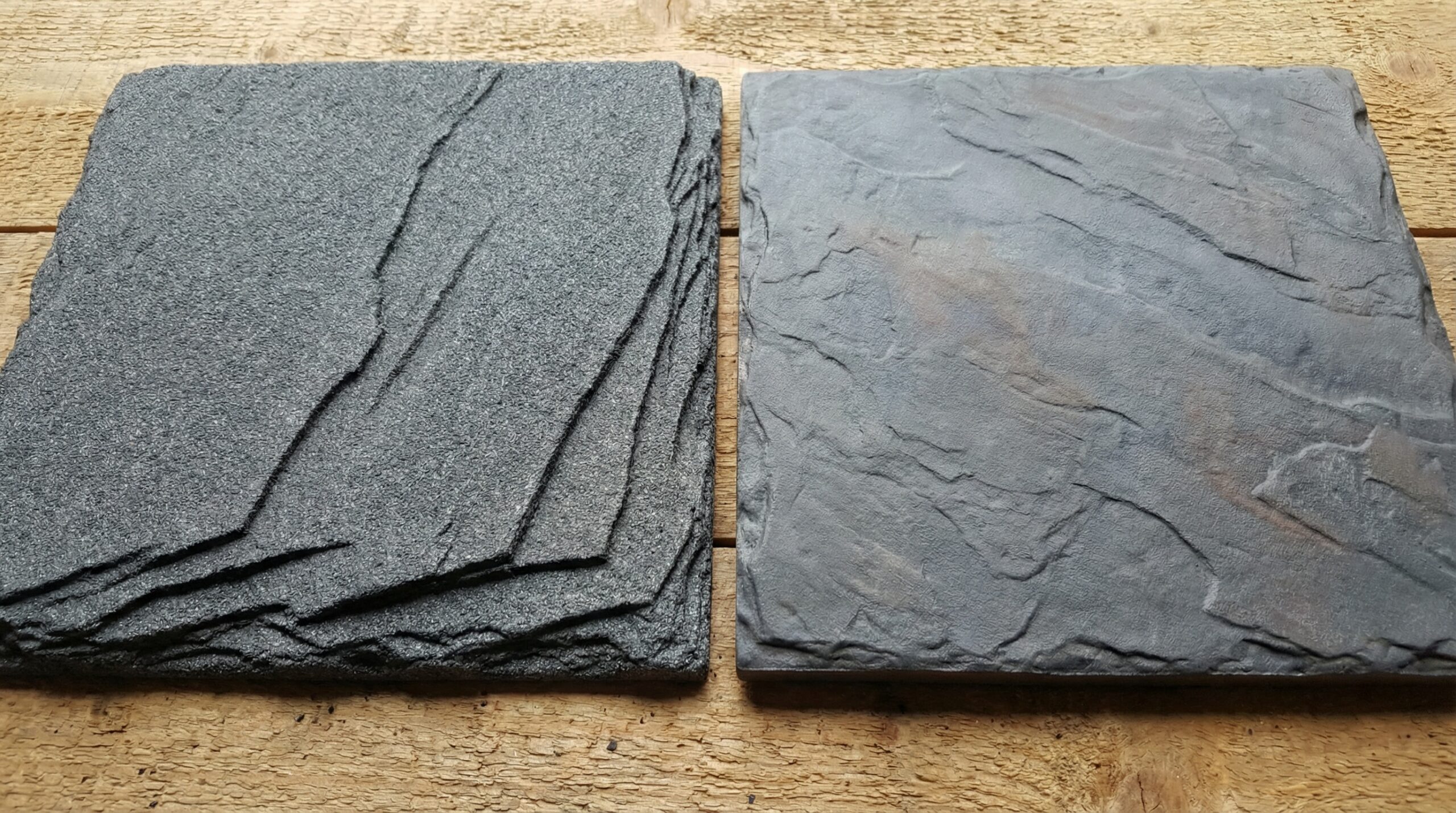
Composite shingles represent the next generation of roofing technology. These engineered materials combine synthetic polymers, recycled plastics, rubber, and sometimes fiberglass to create shingles that mimic premium materials like slate, cedar shake, or tile.
According to homegeniusexteriors.com, manufacturers use molds of real slate tiles to create authentic-looking composite shingles. The layered design and material composition make them more resistant to weather damage and UV rays.
Popular composite shingle brands include DaVinci Roofscapes (polymer-based from recycled plastics), Euroshield (rubber-based from recycled tires), and Brava (fiber cement mix). Many composite products include UV-resistant coatings or mineral granules to enhance both durability and realistic appearance.
What are asphalt shingles
Asphalt shingles have dominated American roofing for decades due to their affordability and reliability. These shingles feature a fiberglass or organic mat base that’s saturated with asphalt and finished with protective mineral granules.
You’ll find three main types of asphalt shingles available. 3-tab shingles offer the most basic flat design and represent the entry-level option. Architectural shingles provide more thickness and dimensional appearance with a layered shadow effect. Premium or luxury asphalt shingles cost more but simulate cedar shake and natural slate while offering enhanced durability.
The mineral granules on asphalt shingles serve multiple purposes beyond aesthetics. They protect the underlying asphalt from UV damage, add color and texture, and some manufacturers include algae-resistant copper-infused granules for humid climates. Understanding what are starter shingles is also crucial when installing asphalt roofing systems, as they provide essential edge protection.
Key insight: extinstalled.com notes that asphalt shingles range from 200-350 lbs per square (100 sq ft), making them lightweight and ideal for most roof structures without reinforcement.
Cost and value comparison
The upfront cost difference between these materials is significant. Asphalt shingles typically cost between $1-4 per square foot for materials, while composite shingles range from $4-12 per square foot according to industry data from homegeniusexteriors.com.
However, the long-term value equation changes when you factor in lifespan. Asphalt shingles last 15-30 years (architectural versions typically 25-30 years), while composite shingles perform well for 30-50+ years. When you calculate cost per year of service, the gap narrows considerably. For a comprehensive breakdown of pricing factors, check out our detailed roofing estimate guide.
Installation costs also differ. Composite shingles weigh 300-600 lbs per square and may require roof reinforcement plus specialized cutting tools. This complexity often means 2-5 days for installation versus 1-3 days for asphalt shingles. Professional installation is typically required for composite materials. The underlying roof decking must be properly assessed to ensure it can support the additional weight of composite materials.
| Feature | Asphalt Shingles | Composite Shingles |
|---|---|---|
| Material Cost | $1-4/sq ft | $4-12/sq ft |
| Lifespan | 15-30 years | 30-50+ years |
| Installation Time | 1-3 days | 2-5 days |
| Weight | 200-350 lbs/square | 300-600 lbs/square |
Durability and weather performance
Weather resistance separates these two materials significantly. Composite shingles excel in extreme conditions, withstanding wind speeds of 110-190 mph according to homegeniusexteriors.com. They’re highly resistant to hail damage, fire, and UV degradation thanks to their engineered construction. For homes seeking maximum protection, impact-resistant roofing materials offer additional safeguards against severe weather.
Asphalt shingles offer good durability for moderate climates but show limitations in severe weather. They typically handle wind speeds up to 90 mph before experiencing damage. In humid regions, asphalt shingles can develop algae growth, and ice dams during winter can cause significant damage. Proper installation of ice and water shield in vulnerable areas helps prevent moisture infiltration.
Both materials resist algae growth to some degree, but composite shingles often include enhanced protective coatings. The synthetic materials in composite shingles don’t absorb moisture like organic components might, reducing the risk of mold, mildew, and decay.
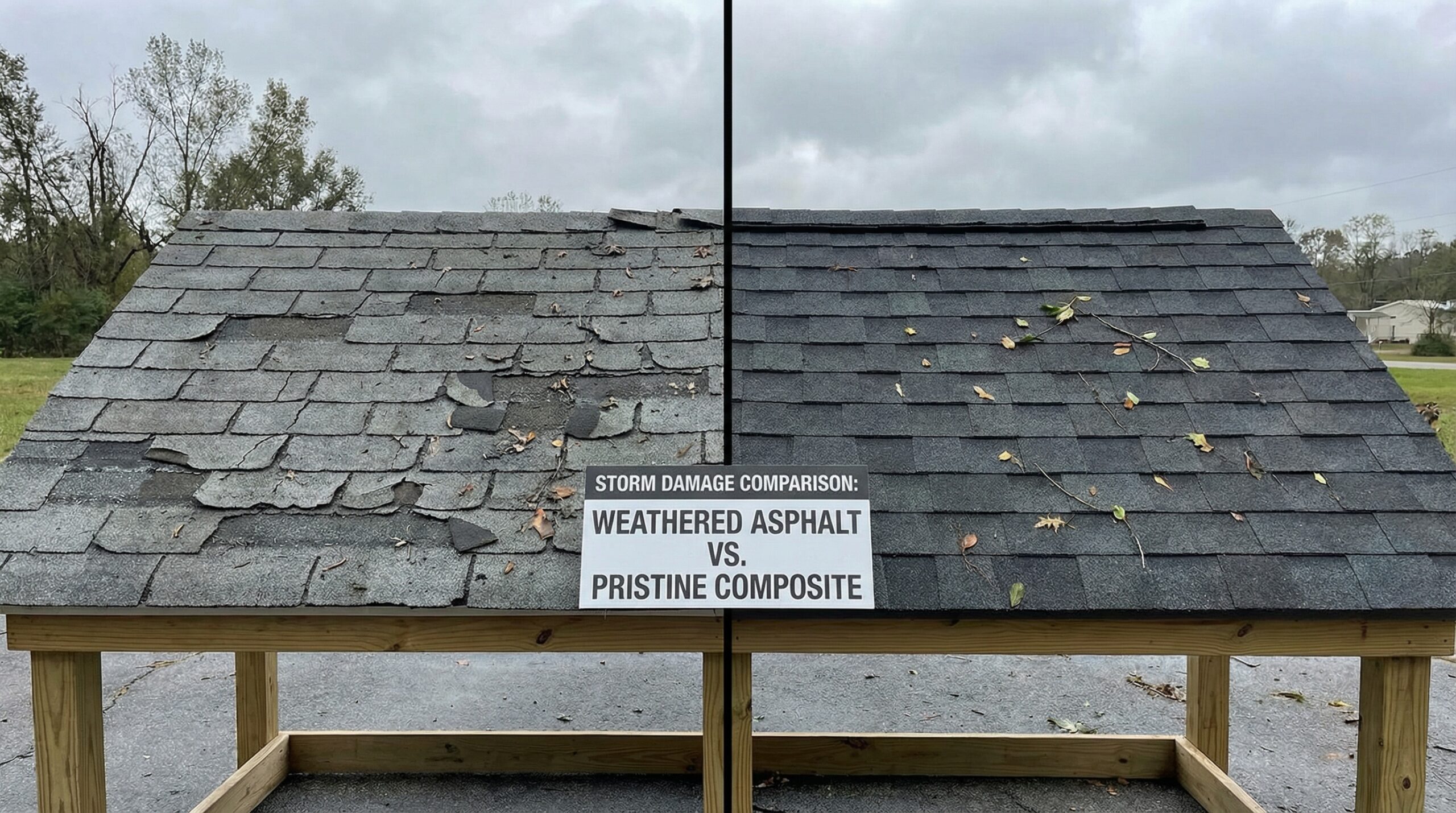
Maintenance requirements also differ. Composite shingles need minimal upkeep over their lifespan, while asphalt shingles may require periodic repairs for granule loss, cracking, or curling. The granule loss issue with asphalt shingles can accelerate deterioration and isn’t always covered under warranty. Proper roof flashing installation around chimneys, vents, and valleys is critical for both materials to prevent leaks.
Important consideration: a-preferredroofingct.com points out that composite shingles often come with 30-50 year warranties, while asphalt shingles typically offer 5-20 year coverage, reflecting the confidence manufacturers have in their respective products.
The choice between composite and asphalt shingles ultimately depends on your budget, climate, and long-term plans for your home. If you’re planning to stay in your home for decades and face harsh weather conditions, composite shingles offer superior protection and value over time. For moderate climates and shorter-term ownership, quality asphalt shingles provide excellent protection at a fraction of the cost. To explore all your options, review our comprehensive guide to the best roofing materials for durable roofs.
Consider consulting with Peak and Valley Roofing to assess your specific situation, roof structure, and local climate conditions. Professional evaluation ensures you choose the material that best serves your home’s protection needs and your financial goals.