

Your home’s siding does more than enhance curb appeal—it’s your first line of defense against Northeast Ohio’s harsh winters, humid summers, and everything in between. When siding fails, it can lead to water damage, energy loss, and costly structural repairs that average homeowners spend thousands fixing annually.
Did you know? According to industry data, damaged siding accounts for over 40% of moisture-related home damage in the Midwest, making early detection crucial for Northeast Ohio homeowners.
Recognizing the warning signs early can save you from expensive emergency repairs and protect your home’s value. Whether you live in lakefront areas like Rocky River or inland towns like Westlake, understanding when your siding has reached the end of its useful life helps you make informed decisions about your home’s protection.
At Peak and Valley Roofing, we help Northeast Ohio homeowners identify these critical warning signs before small issues become major problems. Here are the eight key indicators that it’s time to consider siding replacement.
How long should your siding last in Northeast Ohio’s climate
Northeast Ohio’s weather puts unique stress on home exteriors. The region’s four distinct seasons create expansion and contraction cycles that gradually weaken siding materials over time.
Most siding materials have predictable lifespans under normal conditions. Vinyl siding typically lasts 20-40 years, while fiber cement can endure 25-50 years. Wood siding, though beautiful, usually needs replacement every 15-25 years due to moisture and pest concerns. However, Northeast Ohio’s heavy lake-effect snow, severe freeze-thaw cycles, and intense storms can reduce these timelines significantly.

The key factor isn’t just age—it’s how well your siding has weathered Northeast Ohio’s specific challenges. Homes near Lake Erie face driving winds and ice, while inland properties deal with more extreme temperature swings. Understanding your siding’s expected performance helps you plan for replacement before emergency situations arise.
The 8 key warning signs your siding needs replacement
Visible cracks, warping, or buckling
Physical damage to siding panels is often the most obvious sign of failure. Cracks allow moisture to penetrate behind the siding, while warping indicates the material has lost structural integrity.
Temperature fluctuations cause siding to expand and contract repeatedly. Over time, this stress creates weak points that develop into visible damage. UV exposure from Ohio’s sunny summers also breaks down protective finishes, making materials more vulnerable to cracking.
Look for hairline cracks that run vertically or horizontally across panels. Warped sections often appear wavy or pulled away from the house. These issues typically start small but spread quickly once moisture gets behind the siding.
Fading, peeling, or chipping paint
Paint serves as more than decoration—it’s a protective barrier against moisture and UV damage. When paint fails consistently across your home’s exterior, it signals that the underlying siding material is deteriorating.
Warning sign: If you’re repainting your siding more frequently than every 8-10 years, the material itself may be failing rather than just the paint finish.
Quality siding should maintain its finish for nearly a decade under normal conditions. Frequent paint failure, especially with blistering or bubbling, indicates moisture problems that paint alone cannot solve. This is particularly common on south-facing walls that receive the most sun exposure.
Increased energy bills and drafts
Failing siding compromises your home’s insulation envelope, forcing heating and cooling systems to work harder. You might notice cold drafts near exterior walls or rooms that never seem to reach comfortable temperatures.
Northeast Ohio homeowners often see energy bills spike during winter months when damaged siding allows heated air to escape. Similarly, summer cooling costs increase when hot air infiltrates through gaps or damaged sections. These efficiency losses compound over time, making replacement a smart financial decision.
Mold, mildew, or rot development
Moisture infiltration behind siding creates perfect conditions for mold and rot. Northeast Ohio’s humid summers and wet springs make this particularly problematic for homes with compromised siding systems.
Look for black, green, or brown streaks on siding surfaces, especially near rooflines or around windows. Soft or spongy areas on wood siding indicate rot that can spread to structural components. Musty odors inside your home may also signal moisture problems originating from failed siding.
Pest infestations and entry points
Damaged siding creates entry points for insects, rodents, and birds. Once pests establish themselves behind siding, they can damage insulation, wiring, and structural elements.
Common signs include visible insects around siding joints, droppings near the foundation, or evidence of nesting in eaves and overhangs. Woodpeckers often target homes with existing insect problems, creating larger holes that accelerate moisture infiltration.
Water damage around windows and doors
Windows and doors are natural weak points where siding interfaces with other materials. Failed caulking, damaged flashing, or warped siding around these openings allows water to penetrate the building envelope.
Check for peeling trim paint, water stains beneath windows, or rot in window sills. These issues often require replacing both siding and underlying moisture barriers to prevent recurring problems.
Outdated materials affecting home value
Even structurally sound siding may need replacement if it significantly detracts from your home’s appearance and market value. Older aluminum siding that dents easily or faded vinyl that looks brittle can make an otherwise well-maintained home appear neglected.
Northeast Ohio’s competitive real estate market rewards homes with modern, well-maintained exteriors. Updating siding materials can provide substantial return on investment while improving your daily living experience.
Frequent repairs becoming cost-prohibitive
When you’re patching siding multiple times per year, replacement often becomes more economical than continued repairs. Frequent fixes indicate systemic failure rather than isolated damage.
Calculate your annual repair costs over the past few years. If you’re spending more than 20% of replacement cost on yearly maintenance, investing in new siding provides better long-term value and peace of mind.
Siding material options for Northeast Ohio homes
Choosing replacement siding requires balancing performance, aesthetics, and budget considerations specific to Northeast Ohio’s climate demands.
| Material | Lifespan | Maintenance | Cost Range | Best For |
|---|---|---|---|---|
| Vinyl | 20-40 years | Low | $3-8/sq ft | Budget-conscious, low maintenance |
| Fiber Cement | 25-50 years | Medium | $5-12/sq ft | Durability, fire resistance |
| Wood | 15-25 years | High | $6-15/sq ft | Traditional aesthetics |
| Insulated Vinyl | 25-40 years | Low | $4-10/sq ft | Energy efficiency |
Fiber cement performs exceptionally well in Northeast Ohio’s climate, resisting moisture, pests, and fire while maintaining appearance over decades. Insulated vinyl offers excellent energy efficiency benefits that help offset heating costs during harsh winters.
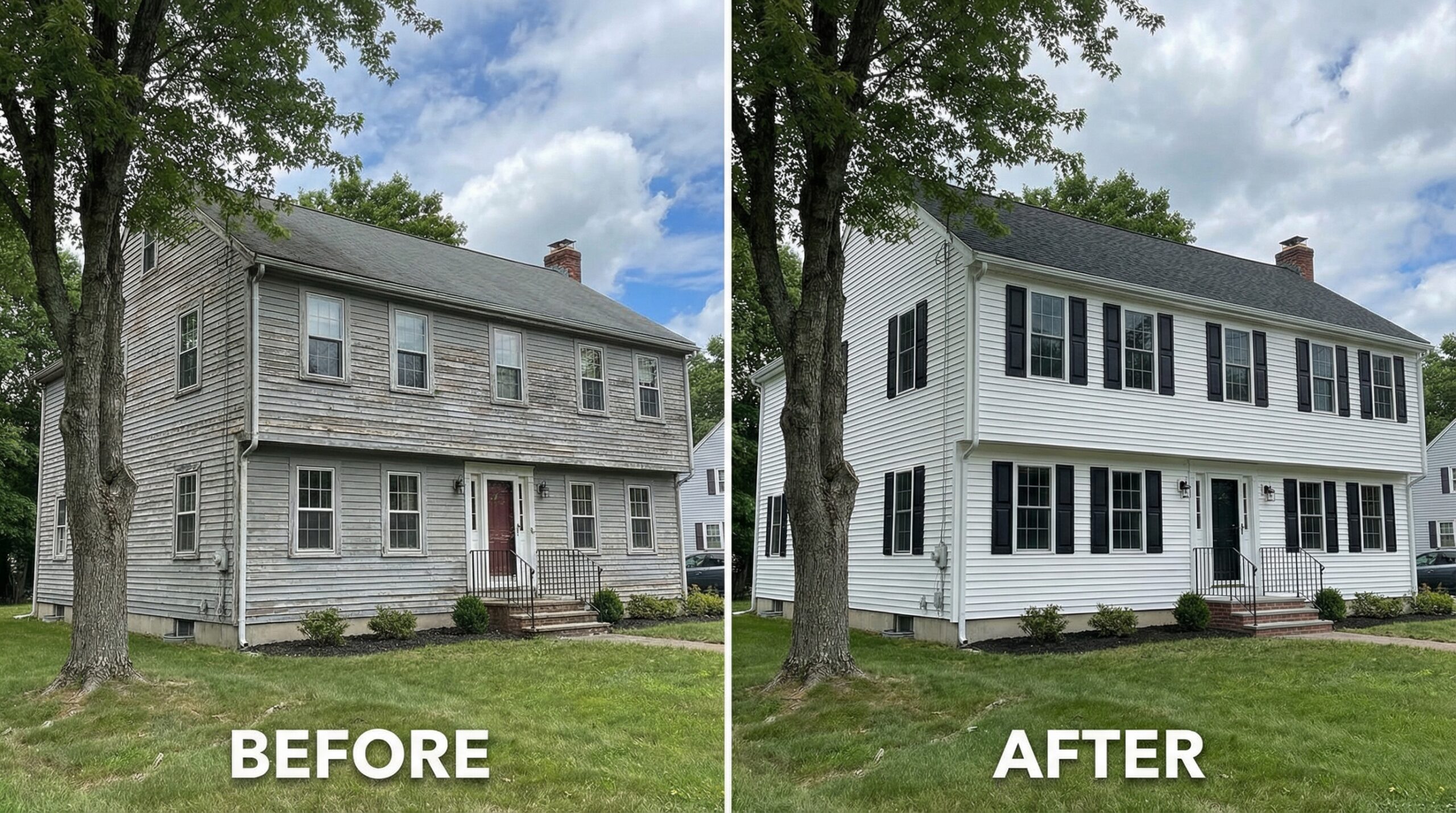
Consider your home’s architectural style, local building codes, and long-term maintenance preferences when selecting materials. Professional installation ensures optimal performance regardless of material choice.
Professional assessment and next steps
Even obvious warning signs warrant professional evaluation to assess underlying damage and determine the most cost-effective solution. Experienced contractors can identify hidden moisture damage, structural issues, and code compliance requirements that affect replacement planning.
A thorough inspection examines not just visible siding but also underlying sheathing, moisture barriers, and insulation systems. This comprehensive approach ensures your investment addresses all related issues rather than just surface problems.
Peak and Valley Roofing provides detailed assessments that help Northeast Ohio homeowners make informed decisions about siding replacement timing, materials, and budgeting. Our local expertise ensures solutions that perform well in our specific climate conditions.
Don’t wait until small siding problems become expensive emergencies. Early replacement protects your home’s structure, improves energy efficiency, and maintains property value while giving you peace of mind through Northeast Ohio’s challenging weather seasons. Contact us today to schedule your comprehensive siding evaluation and protect your most important investment.