

If you’re wondering how long vinyl siding will protect your home, you’re asking the right question. Vinyl siding typically lasts between 20 to 40 years, with high-quality materials and proper installation often reaching the upper end of that range. This impressive lifespan, combined with its affordability and low maintenance requirements, makes vinyl one of the most popular siding choices for homeowners.
Understanding what affects your siding’s longevity can help you make informed decisions about installation, maintenance, and eventual replacement. Let’s explore what determines how long your vinyl siding will last and how you can maximize your investment.
Quick Fact: According to industry data from scottishhomeimprovements.com, vinyl siding can last 20-40 years under normal conditions, while premium insulated vinyl may reach 30-50 years with proper care.
What determines vinyl siding lifespan
Several key factors influence how long your vinyl siding will perform at its best. The quality of materials plays a crucial role, with thicker, premium-grade vinyl panels offering superior resistance to cracking, fading, and warping compared to budget alternatives.
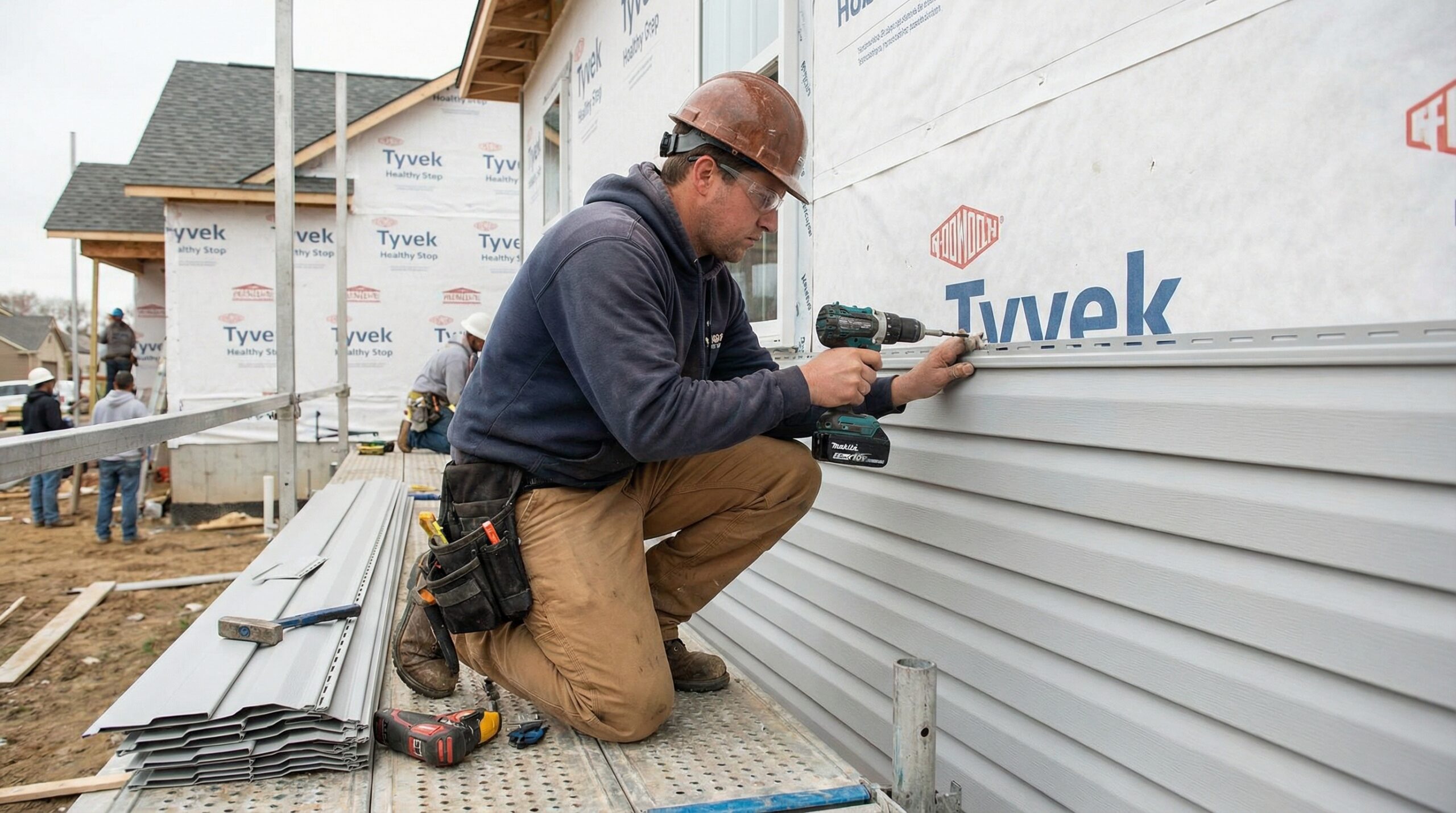
Installation quality matters just as much as material grade. According to eeckc.com, panels need proper room to expand and contract with temperature changes. Poor fastening or overly tight installation can cause buckling, gaps, and moisture issues that significantly shorten lifespan. Avoiding common siding installation mistakes is critical to ensuring your investment lasts decades.
Your local climate also affects durability. Homes exposed to intense UV radiation, extreme temperature swings, or frequent severe weather will experience faster aging than those in milder environments. The good news is that modern vinyl is engineered to handle these challenges better than ever before.
Environmental factors that affect durability
Weather exposure creates the biggest challenges for vinyl siding longevity. UV radiation gradually breaks down the material through photochemical reactions, causing fading and brittleness over time. South and west-facing walls typically experience the most UV damage due to prolonged sun exposure.
Temperature fluctuations cause vinyl to expand and contract repeatedly. While the material is designed to handle this movement, extreme temperature swings can stress the panels and fastening system. vanguardroofingcompany.com notes that harsh winters and humid summers can impact performance, particularly if installation wasn’t done properly.
Moisture management becomes critical in preventing premature failure. Quality trim pieces and proper sealing around windows, doors, and corners help prevent water infiltration behind the panels. When moisture gets trapped, it can lead to wood rot behind siding and mold growth that forces early replacement.
Important Note: Hail damage and severe storms can crack or dislodge panels, but isolated damage often requires only spot repairs rather than full replacement. Learn more about identifying storm siding damage and insurance tips.
Maintenance practices that extend siding life
Regular cleaning represents the most effective way to extend your vinyl siding’s lifespan. Annual washing with a soft brush or low-pressure water removes dirt, mildew, and debris that can cause staining and degradation. A simple mixture of water and mild detergent works well for most cleaning needs. For comprehensive guidance, check out our article on how to maintain your siding in Ohio.
Post-storm inspections help catch problems early. After severe weather, check for cracks, dents, loose panels, or damaged trim. Early detection allows for quick repairs that prevent small issues from becoming major problems requiring extensive replacement.
Landscape management often gets overlooked but plays an important role. Keep trees, shrubs, and bushes trimmed back so they don’t rub against or trap moisture near the siding. Overgrown vegetation reduces airflow and can promote mold growth that damages both the siding and underlying structure.
Heat source placement requires attention too. Grills, fire pits, and other high-temperature equipment placed too close to vinyl can cause warping or melting. Always maintain safe distances from heat sources to prevent thermal damage.
When to repair versus replace
Knowing when to repair versus replace your vinyl siding saves money and protects your home effectively. Isolated damage like single cracked panels or small sections of loose trim typically warrant spot repairs rather than full replacement. Understanding the difference between siding repair and replacement helps you make the most cost-effective decision.
Consider replacement when you notice widespread issues. According to windowsidingoutlet.com, signs include extensive fading, frequent repair needs, increased energy bills, or moisture problems inside walls. Multiple damaged areas often indicate the siding has reached the end of its useful life.
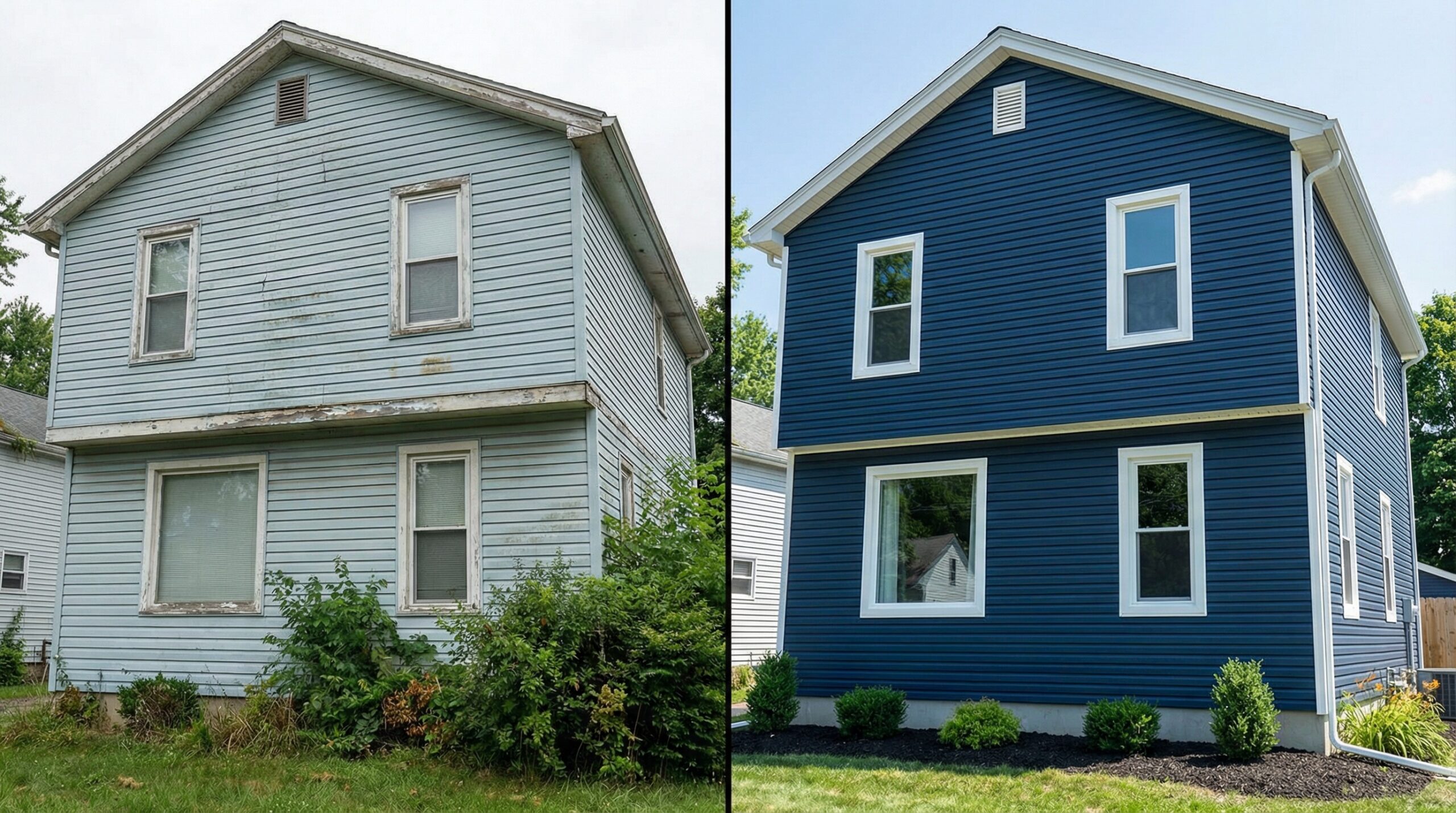
Energy efficiency changes can signal replacement time. If your heating and cooling costs have increased noticeably, aging siding may no longer provide adequate insulation. Modern insulated vinyl options offer improved energy performance that can offset replacement costs through lower utility bills.
| Siding Material | Typical Lifespan | Key Advantages |
|---|---|---|
| Vinyl | 20-40 years | Low cost, minimal maintenance |
| Fiber Cement | 40-50+ years | Fire resistant, premium appearance |
| Wood | 25-40 years | Natural beauty, customizable |
| Aluminum | 40-60 years | Durable, lightweight |
Pro Tip: If your vinyl siding is approaching 30 years old and showing multiple signs of wear, replacement often proves more cost-effective than ongoing repairs. Learn about expected vinyl siding costs in 2026 to budget accordingly.
Proper installation and regular maintenance can help your vinyl siding reach its maximum lifespan potential. By understanding the factors that affect durability and following proven care practices, you can protect your investment and keep your home looking great for decades. When replacement time does arrive, modern vinyl options offer improved performance and energy efficiency that make the investment worthwhile.
At Peak and Valley Roofing, we help homeowners make informed decisions about siding replacement and repairs. Whether you need maintenance guidance or are considering an upgrade, our team provides expert assessments and quality installations designed to maximize your siding’s lifespan and performance.