

Poor attic ventilation creates a cascade of problems for your home. Trapped heat damages shingles from underneath, moisture buildup leads to mold and wood rot, and your energy bills skyrocket as your HVAC system works overtime. One effective solution that many homeowners overlook is the box vent system.
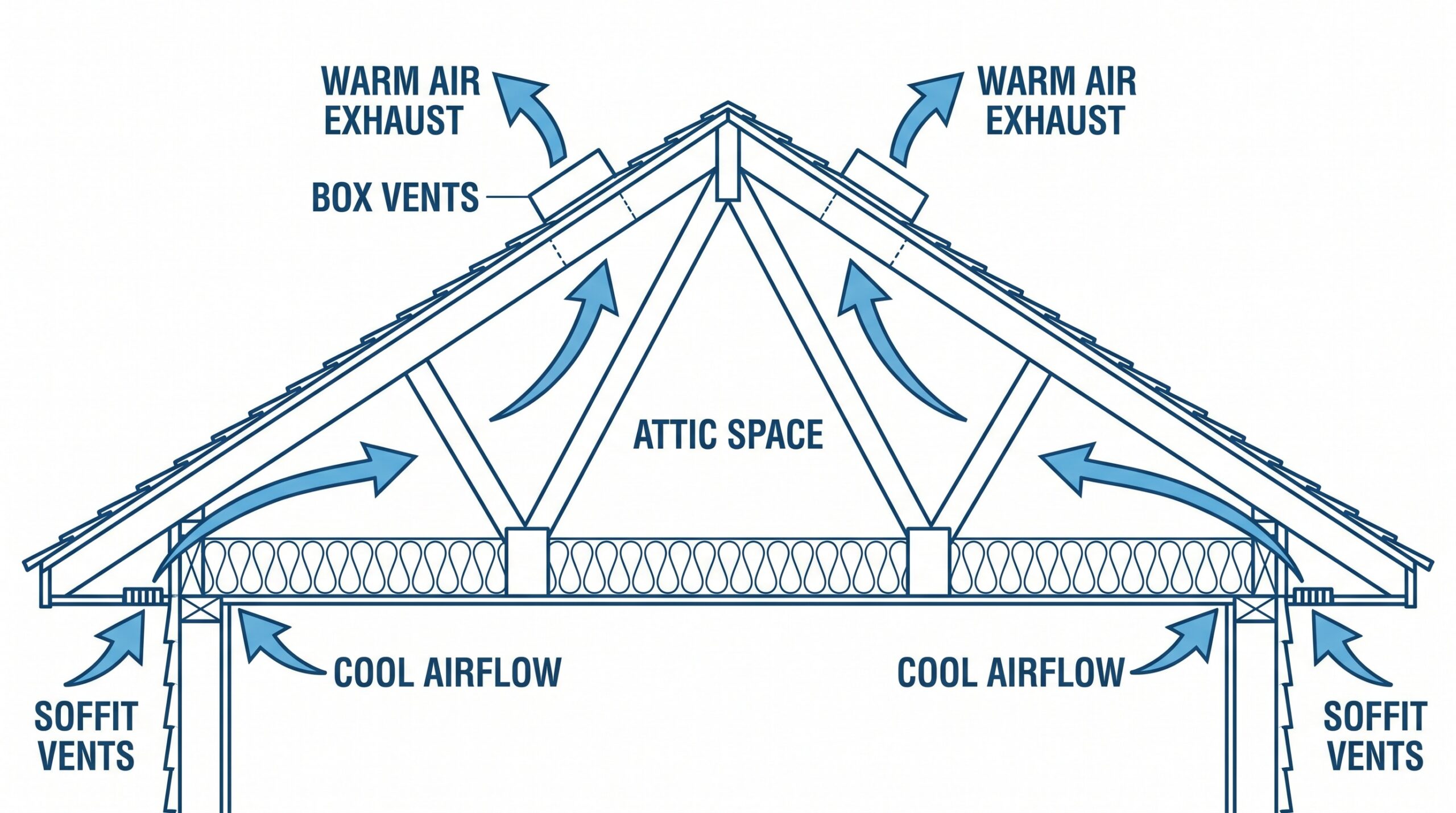
Box vents, also called static vents or louvered vents, are passive exhaust vents installed near your roof’s ridge line. They work with soffit vents to create natural airflow that removes hot, humid air from your attic space. Unlike ridge vents that run continuously along the peak, box vents are individual square or rectangular units strategically placed to provide targeted ventilation.
Quick Answer: Box vents are cost-effective, low-maintenance roof vents that work well for most home designs. They typically cost less than ridge vents and excel on complex rooflines where continuous ridge ventilation isn’t practical.
This guide covers everything you need to know about box vents, from how they compare to other ventilation options to calculating how many your Northeast Ohio home needs. You’ll also learn when box vents are the right choice and when other systems might work better for Cleveland’s climate conditions.
What are box vents and how do they work
Box vents are passive exhaust vents that rely on natural airflow rather than electricity or moving parts. They’re typically made from aluminum, galvanized steel, or durable plastic and feature a hood design that prevents rain and debris from entering your attic while allowing air to escape freely.
These vents work through the stack effect. As your attic heats up during the day, warm air becomes lighter and rises toward the highest points of your roof where the box vents are installed. This creates a pressure difference that draws the hot air out through the vents while pulling cooler air in through soffit vents at the eaves.
The key to effective box vent performance is balanced ventilation. Your intake area (usually soffit vents) should provide equal or slightly more airflow capacity than your exhaust vents. This ensures steady air circulation without creating pressure imbalances that can reduce efficiency or cause backdrafts.
Benefits of choosing box vents for your roof
Box vents offer several advantages that make them popular among homeowners and contractors in Northeast Ohio. They’re significantly more affordable than ridge vent systems, both in material costs and installation labor. Since each vent is a separate unit, you can install them gradually or replace individual vents without affecting the entire system.
These vents excel on complex rooflines with multiple peaks, valleys, or dormers where continuous ridge venting becomes impractical or expensive. They’re also ideal for hip roofs with limited ridge length, providing effective exhaust ventilation where ridge vents might not offer sufficient capacity.
Maintenance requirements are minimal since box vents have no moving parts to wear out or motors to fail. Quality units can last 20-30 years with occasional inspection and cleaning. They’re also less visible than some alternatives, especially when color-matched to your roofing material.
Pro Tip: Box vents work best when installed 2-3 feet below the actual ridge line to avoid interference with ridge caps and ensure proper weatherproofing.
The energy efficiency benefits are substantial in Northeast Ohio’s climate. Proper attic ventilation can reduce cooling costs by 10-15% during summer months by preventing heat buildup that forces your air conditioning to work harder. In winter, they help prevent ice dams by maintaining consistent roof temperatures—a critical concern for Cleveland-area homes.
Box vents vs ridge vents comparison
| Feature | Box Vents | Ridge Vents |
|---|---|---|
| Airflow capacity | Good (multiple units needed) | Excellent (continuous) |
| Roof penetrations | Multiple small holes | One continuous opening |
| Visual impact | Moderate (visible units) | Minimal (blends with roofline) |
| Installation cost | Lower | Higher |
| Best for | Complex roofs, hip roofs | Simple gable roofs, long ridges |
Ridge vents provide superior airflow because they create a continuous exhaust along the entire ridge length. However, they require more complex installation and don’t work well on roofs with short ridge lines or multiple roof planes.
Box vents are more versatile for challenging roof designs common in Northeast Ohio’s diverse housing stock. They can be placed strategically on different roof sections to provide balanced ventilation even on complex layouts. They’re also easier to retrofit on existing roofs without major modifications.
The choice often comes down to your specific roof design and budget. Simple gable roofs with long, straight ridges benefit most from ridge vents. Complex roofs with multiple levels, dormers, or limited ridge space often perform better with strategically placed box vents.
How many box vents does your roof need
Proper sizing follows the 1:150 rule established by building codes. For every 150 square feet of attic floor space, you need 1 square foot of total ventilation area split between intake and exhaust vents. Some situations allow the 1:300 rule when you have a vapor barrier and balanced intake/exhaust.
Each box vent has a Net Free Area (NFA) rating that indicates its effective ventilation capacity. Common residential box vents provide 50-75 square inches of NFA. For a 1,500 square foot attic using the 1:150 rule, you’d need 10 square feet (1,440 square inches) of total ventilation, with about 720 square inches for exhaust.
Using box vents with 60 square inches NFA each, you’d need approximately 12 vents (720 ÷ 60 = 12). However, this is just the starting calculation. Factors like roof pitch, Northeast Ohio’s humid summers and snowy winters, and attic insulation levels can affect the actual requirements.
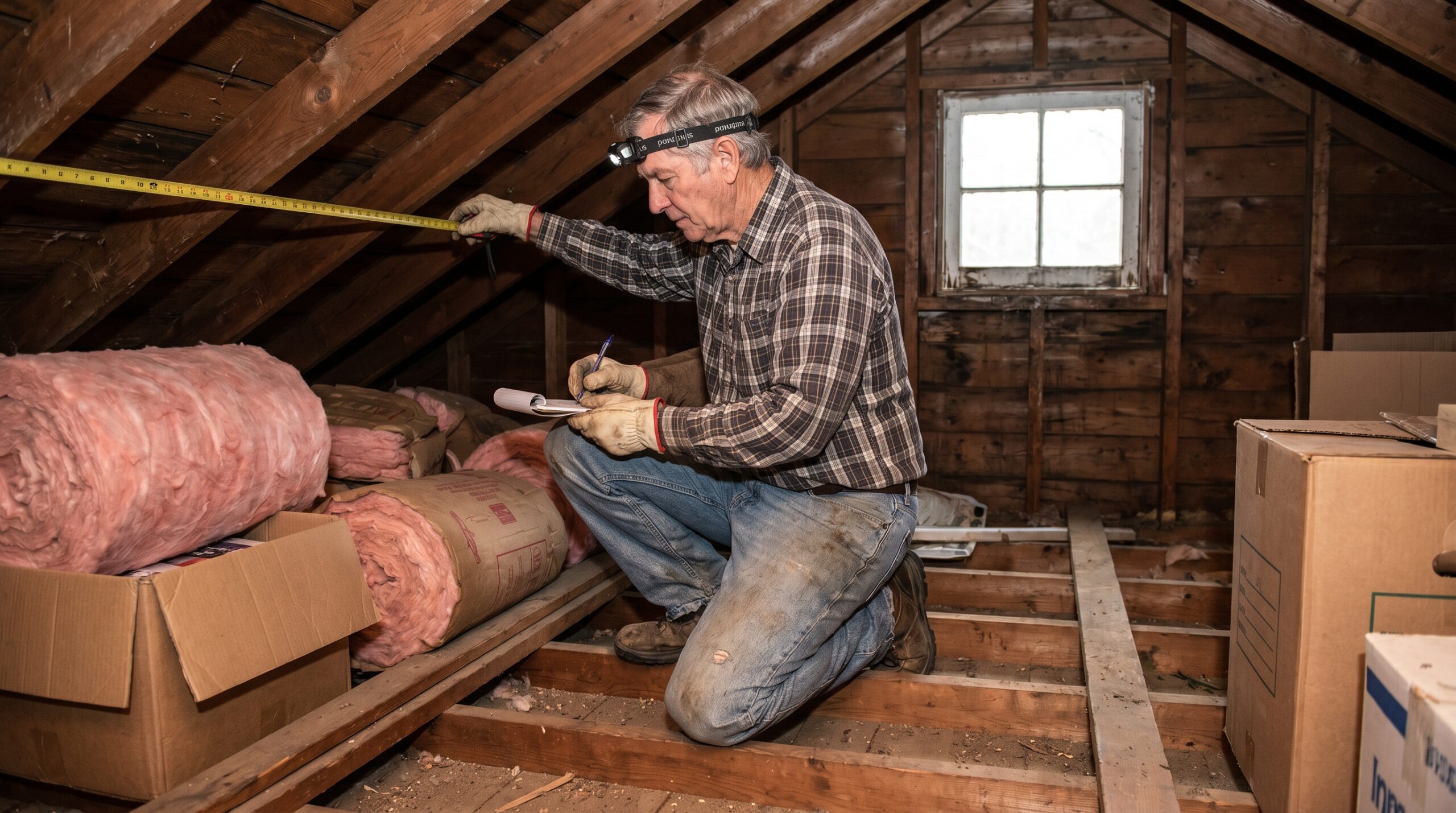
Your intake ventilation must match or exceed your exhaust capacity. If you install 12 box vents providing 720 square inches of exhaust, you need at least 720 square inches of soffit vent area. Many ventilation problems stem from inadequate intake rather than insufficient exhaust.
Professional assessment is recommended for complex roofs or when local codes have specific requirements. Factors like cathedral ceilings, multiple attic spaces, or unusual roof configurations may require custom solutions beyond standard calculations.
At Peak and Valley Roofing, we provide comprehensive ventilation assessments for homeowners throughout Northeast Ohio. Our experienced team evaluates your specific roof design, attic configuration, and local climate factors to recommend the optimal box vent setup for your home. We serve Rocky River, Cleveland, and surrounding communities with professional installation and honest guidance on whether box vents or alternative systems best meet your needs.
Proper attic ventilation protects your investment and keeps your home comfortable year-round. Whether you choose box vents, ridge vents, or a combination system, the key is balanced airflow designed for your specific situation. Don’t let poor ventilation damage your roof or drain your wallet through higher energy bills.