
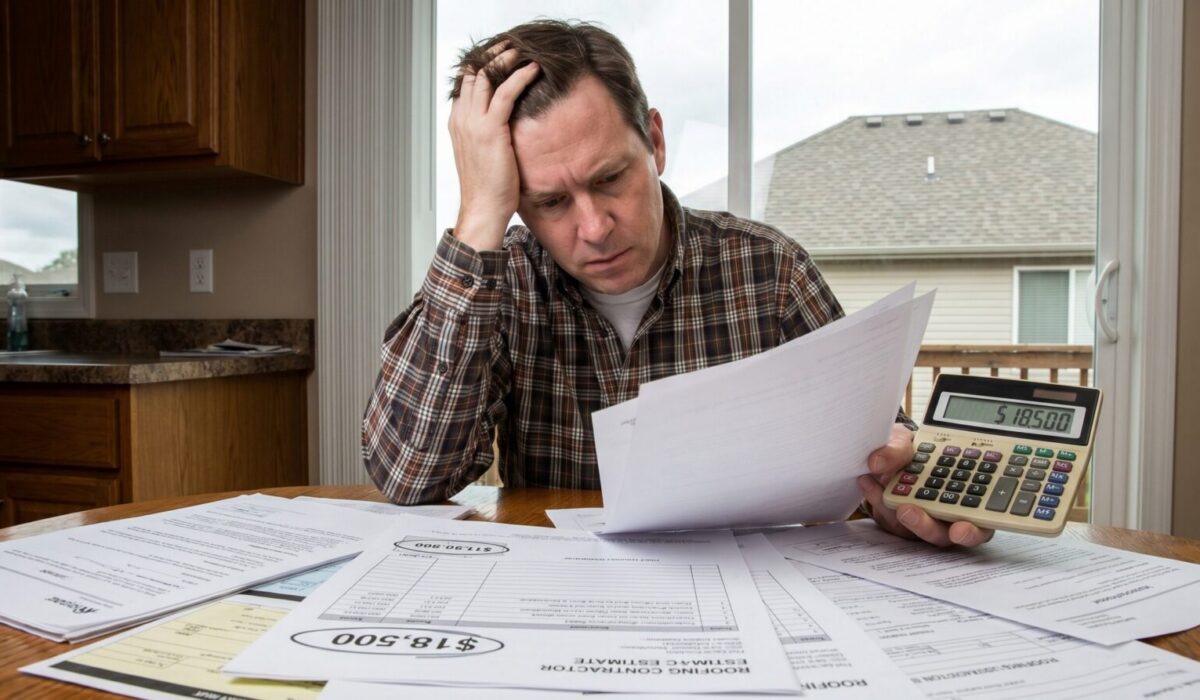
Getting a roof estimate can feel like a punch to the gut. You’re looking at numbers that rival the cost of a new car, and you’re wondering how replacing shingles became so expensive. The reality is that roofing costs have jumped significantly in recent years, with no signs of slowing down.
The main culprits behind today’s high roofing costs are rising material prices, skilled labor shortages, increased roof complexity, and contractor overhead expenses. Most homeowners in Cleveland and Northeast Ohio now spend between $12,500 and $28,000 for a complete roof replacement, with the average sitting around $20,000 to $25,000 for a standard home.
Quick fact: Roofing costs are 15-25% higher in 2026 than they were just two years ago, according to roofingcenter.com.
As a family-owned roofing company serving Rocky River, Cleveland, and Northeast Ohio, Peak and Valley Roofing has helped countless homeowners navigate these challenging pricing realities. In this guide, we’ll break down exactly why roofs cost so much right now, what you can expect to pay in our local market, and practical steps you can take to manage these expenses without compromising on quality.
How much does a new roof actually cost in Cleveland in 2026?
Let’s start with the numbers you really want to know. According to recent industry data, most homeowners in the Cleveland area are paying between $10,000 and $28,000 for a complete roof replacement, with the sweet spot landing around $12,500 to $18,000 for standard residential roofs.
Your actual cost depends heavily on the materials you choose, each with distinct pros and cons. Here’s what different roofing options typically cost per square foot installed in Northeast Ohio:
| Material Type | Cost Per Sq Ft | 2,000 Sq Ft Home | Typical Lifespan |
|---|---|---|---|
| Asphalt shingles | $4.50 – $8.50 | $9,000 – $17,000 | 15-25 years |
| Metal roofing | $9 – $18 | $18,000 – $36,000 | 40-70 years |
| Tile roofing | $15 – $25 | $30,000 – $50,000 | 50+ years |
| Slate roofing | $20 – $30+ | $40,000 – $60,000+ | 75+ years |
Remember, these are local market averages for the Cleveland area. Your specific roof complexity, material choices, and storm damage considerations will all influence your final quote. Most estimates are only valid for 30 to 90 days because material prices shift frequently.

What’s really driving these high roofing costs?
Several major factors have converged to push roofing prices higher than ever before. Understanding these drivers helps explain why your quote might feel so steep.
Rising material costs and supply chain issues
Raw material prices have skyrocketed across the construction industry. Asphalt shingles depend on petroleum products, which have seen volatile pricing, and understanding what composite roof shingles are made of can help explain these cost fluctuations. Metal roofing faces additional pressure from tariffs on steel and aluminum, adding roughly 25% to material costs according to whatdoesaroofcost.com, and homeowners should understand the cost differences between metal roofs and asphalt shingles when budgeting.
Manufacturers have implemented multiple price increases over the past few years, often ranging from 3% to 10% at a time. These aren’t temporary adjustments but structural changes that reflect higher production and transportation costs.
Skilled labor shortages pushing wages up
The roofing industry faces a serious shortage of experienced workers, particularly in Northeast Ohio where demand for quality roofing contractors remains high. This means contractors are paying 8% to 12% more for skilled labor compared to recent years, and labor typically represents 40% to 60% of your total roofing cost.
Finding qualified roofers who can properly install complex systems takes time and costs money. Premium materials like metal or tile require specialized installation skills, which command even higher wages, and choosing between options like standing seam vs. screw down metal roofs affects both material and labor costs. When there aren’t enough skilled workers to meet demand, prices naturally increase.
Important insight: Labor shortages aren’t just about finding workers – it’s about finding workers with the right skills to ensure your roof won’t leak or fail prematurely.
Increased roof complexity and building codes
Today’s homes in Cleveland and Northeast Ohio often feature more complex roof designs with multiple angles, dormers, skylights, roof penetrations, and architectural details. Each of these elements requires additional time, materials, and expertise to install properly.
Building codes have also become stricter in many areas, requiring upgraded materials for wind resistance, fire safety, or energy efficiency, such as Class 4 impact-resistant shingles. These code requirements add to both material and labor costs but provide important protection for your home against Ohio’s harsh weather conditions.
Insurance claims creating material demand spikes
Severe weather events have led to a surge in insurance claims over recent years, particularly in Northeast Ohio where storms can cause significant hail and wind damage. This creates regional material shortages and drives up demand, particularly in storm-affected areas. When entire neighborhoods need new roofs simultaneously, it strains both material supply and contractor availability.
As specialists in insurance restoration, we’ve seen firsthand how storm seasons can impact material availability and pricing throughout the Cleveland area.
Will roofing prices go down anytime soon?
Unfortunately, the outlook suggests roofing prices will likely continue rising gradually through 2026 and beyond. Several structural factors make price decreases unlikely in the near term.
Manufacturers continue adjusting prices quarterly based on raw material costs, and suppliers typically pass these increases along within months. The labor shortage shows no signs of immediate resolution, and building material costs remain elevated compared to pre-2026 levels.
According to industry analysis from billraganroofing.com, roofing material prices have increased consistently with no indication of reversal. Transportation costs, fuel prices, and global supply dynamics all continue pushing costs upward.
The reality is that waiting for prices to drop could mean waiting indefinitely while risking water damage, interior repairs, and structural issues from a failing roof – especially important in Cleveland’s climate with its freeze-thaw cycles and severe weather patterns.

Smart strategies to control your roofing costs
While you can’t eliminate the high cost of roofing, you can make strategic decisions to get the best value for your investment.
Get multiple quotes from reputable contractors
Don’t just shop for the lowest price. Compare detailed proposals from licensed, insured contractors who provide clear breakdowns of materials, labor, and timeline. A significantly low bid often means corners will be cut somewhere. As a local, family-owned company, we believe in providing honest, no-pressure consultations that help you understand exactly what you’re paying for.
Consider material trade-offs carefully
Architectural asphalt shingles offer a good balance of cost, appearance, and performance for most budgets in Northeast Ohio. If premium materials stretch your budget too thin, focus on quality installation with good materials rather than cheap installation with expensive materials.
Time your project strategically
If your roof isn’t in emergency condition, scheduling during less busy seasons might improve contractor availability and potentially pricing. However, don’t delay if you’re seeing active leaks or significant damage – Cleveland’s weather can quickly turn minor issues into major problems.
Understand what you’re really paying for
Quality roofing contractors carry proper insurance, provide warranties, and invest in ongoing training. Their overhead costs support the safety equipment, proper installation techniques, and long-term service that protect your investment. When you work with experienced insurance restoration specialists, you also get expertise in navigating claims and ensuring proper documentation.
Money-saving tip: Ask contractors about the validity period of their quotes, as material price changes can affect proposals within 30-90 days.
Making the right decision for your situation
The decision to replace your roof now versus waiting depends on your specific circumstances. If you’re dealing with active leaks, widespread shingle damage, or a roof nearing the end of its expected lifespan, delaying replacement risks much more expensive interior damage – especially with Cleveland’s harsh winters and storm seasons.
However, if your roof has several good years left and you’re simply planning ahead, you have more flexibility in timing and material selection, including exploring the most durable roofing materials for long-term value. Use this time to research contractors, save money, and make informed decisions about materials and features.
Remember that a roof replacement is a long-term investment in your home’s protection and value, and understanding the layers of a roof system helps you appreciate what you’re paying for. While the upfront cost feels substantial, quality installation with appropriate materials provides decades of reliable performance and peace of mind.
The key is working with experienced contractors who can help you balance your budget constraints with the quality and durability your home needs. At Peak and Valley Roofing, we’ve helped homeowners throughout Rocky River, Cleveland, and Northeast Ohio navigate these decisions with our commitment to excellence, integrity, and honest guidance. We understand that every situation is unique, and we’re here to provide the expertise you need to make the right choice for your home and budget.