
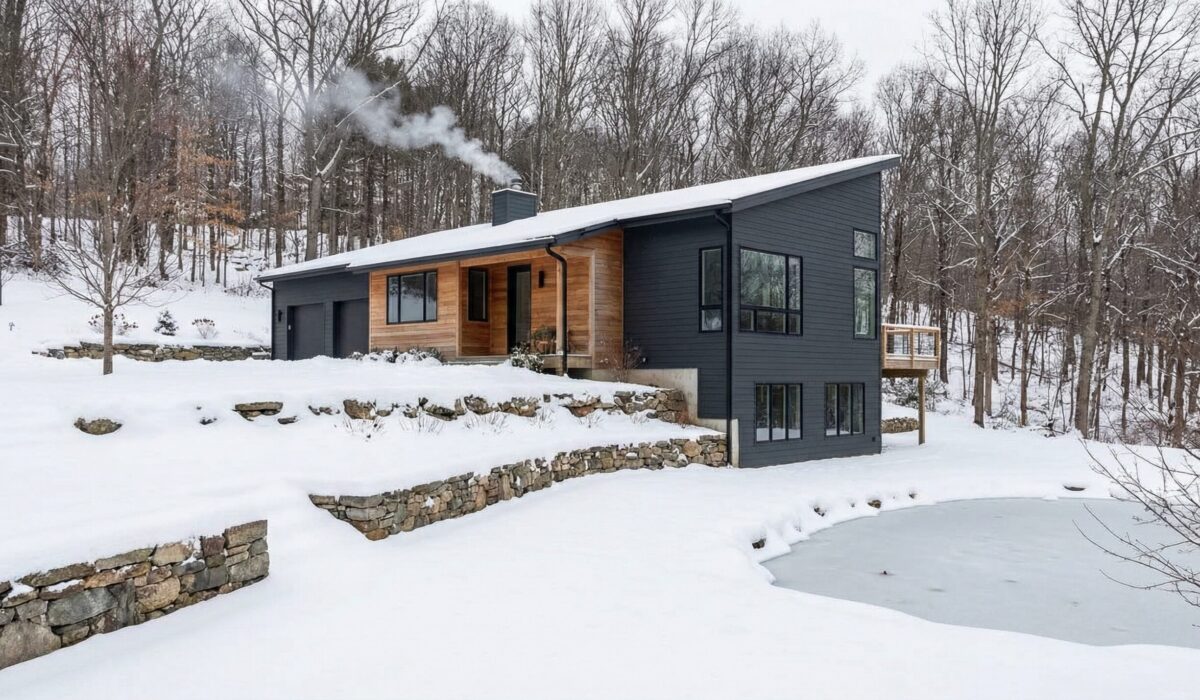
Northeast Ohio homeowners face some of the most challenging weather conditions in the country. From heavy lake-effect snowfall and ice storms to high winds off Lake Erie and severe summer thunderstorms, your home’s siding must withstand extreme temperature swings and moisture exposure year-round.
Vinyl siding remains the most popular choice for Ohio homes due to its affordability and weather resistance, while fiber cement and engineered wood offer superior durability for harsh local conditions. The key is choosing materials that can handle severe freeze-thaw cycles, wind-driven rain, and the intense winter weather that affects much of Cuyahoga County.
Quick Fact: Northeast Ohio experiences over 40 freeze-thaw cycles annually, making material flexibility and moisture resistance critical for long-term siding performance.
At Peak and Valley Roofing, we help homeowners select siding systems that protect against Ohio’s unpredictable weather while maintaining curb appeal and home value.
Why Northeast Ohio weather demands specialized siding solutions
Northeast Ohio’s climate creates unique challenges that standard siding materials often struggle to handle. The region experiences brutal lake-effect storms that bring heavy snow and ice, followed by rapid temperature changes that cause materials to expand and contract repeatedly.
Communities near Lake Erie face additional stress from high winds and driving rain. High humidity levels during summer months can lead to moisture buildup behind siding, while winter ice dams create severe water infiltration risks.
The freeze-thaw cycle is particularly destructive. When water enters small cracks and freezes, it expands with tremendous force, widening gaps and allowing more moisture penetration. This process accelerates siding deterioration and can lead to structural damage if left unchecked.
Modern siding materials address these challenges through improved formulations and installation techniques that account for Northeast Ohio’s harsh conditions.
Top siding materials that withstand Ohio winters
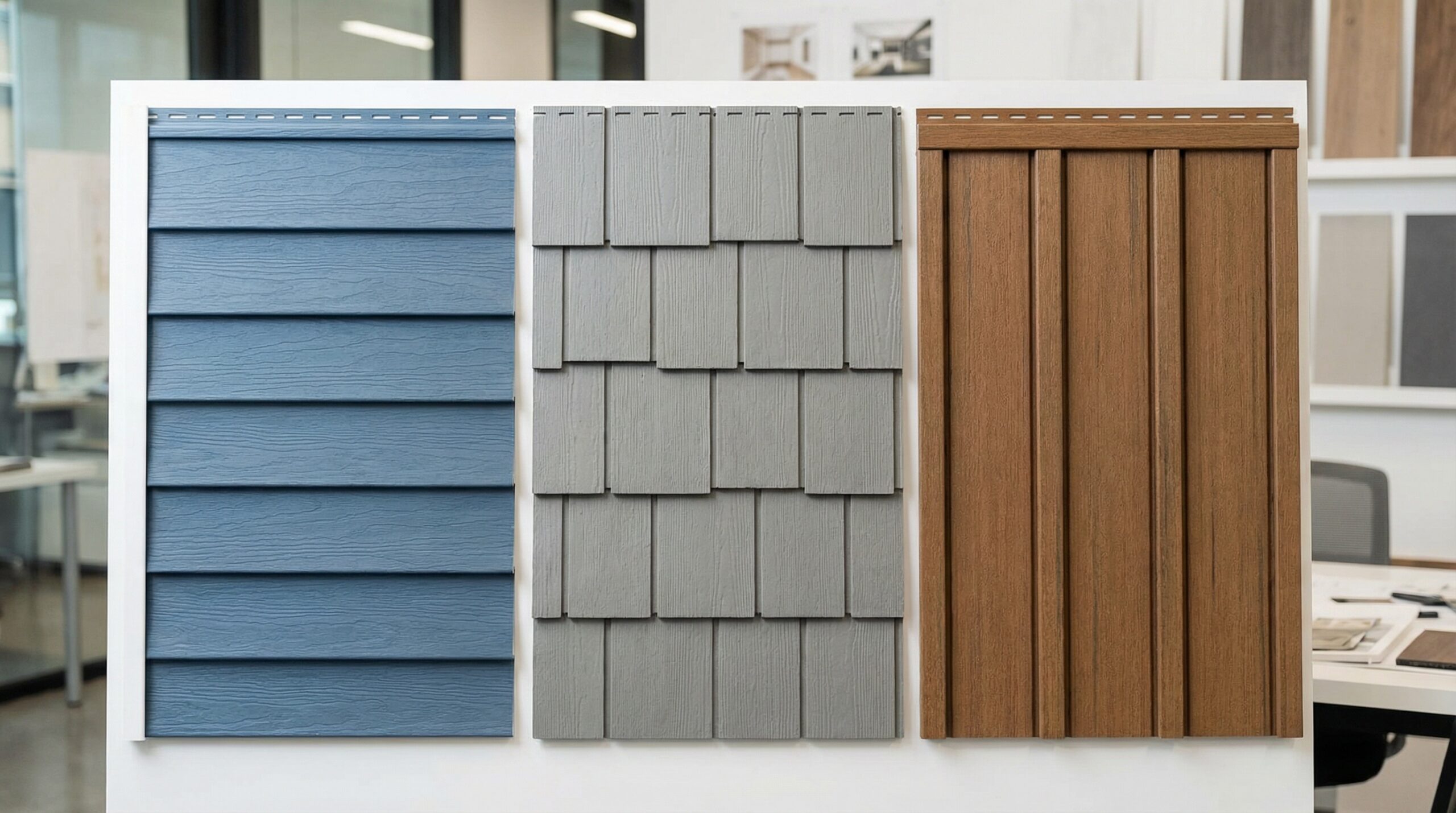
Different siding materials offer varying levels of protection against Ohio weather. Understanding their strengths helps you make an informed choice for your home.
Fiber cement siding leads in durability and weather resistance. Brands like James Hardie create products specifically engineered to handle extreme temperature fluctuations without cracking or warping. The material resists moisture, fire, and pest damage while maintaining its appearance for decades. When selecting your James Hardie siding colors, consider how different shades perform in Northeast Ohio’s varying light conditions throughout the seasons.
Vinyl siding remains popular due to its affordability and low maintenance requirements. Quality vinyl products flex with temperature changes and resist moisture penetration when properly installed. However, extreme cold can make basic vinyl brittle, and strong winds may cause panel damage. Understanding how long vinyl siding lasts can help you plan for long-term maintenance and budget accordingly.
Engineered wood siding offers natural beauty with enhanced weather resistance. Products like LP SmartSide undergo treatment processes that improve moisture resistance and dimensional stability compared to traditional wood.
| Material | Weather Resistance | Lifespan | Maintenance Level |
|---|---|---|---|
| Fiber Cement | Excellent | 30-50 years | Low |
| Quality Vinyl | Good | 20-30 years | Very Low |
| Engineered Wood | Good | 25-30 years | Medium |
The choice depends on your budget, aesthetic preferences, and long-term maintenance goals.
How proper installation protects against moisture damage
Even the best siding materials fail without proper installation techniques. Northeast Ohio’s weather demands attention to moisture management and thermal movement accommodation.
House wrap installation creates a critical moisture barrier behind siding. This breathable membrane allows water vapor to escape while preventing liquid water from reaching the wall structure. Proper overlap and sealing around windows and doors prevents wind-driven rain infiltration.
Flashing details around windows, doors, and roof connections require special attention. These transition areas are common failure points where water can enter wall assemblies. Quality flashing materials and proper installation techniques prevent costly moisture damage. Avoiding common siding installation mistakes is crucial for ensuring your home’s protection against Ohio’s harsh weather.
Fastening methods must account for thermal expansion and contraction. Siding panels need room to move with temperature changes without creating gaps or buckling. Professional installers understand these requirements and adjust techniques for Northeast Ohio’s climate.
Installation Tip: Proper ventilation behind siding allows moisture to escape and prevents ice dam formation that can force water behind panels during winter months.
Protecting your investment with weather-resistant features
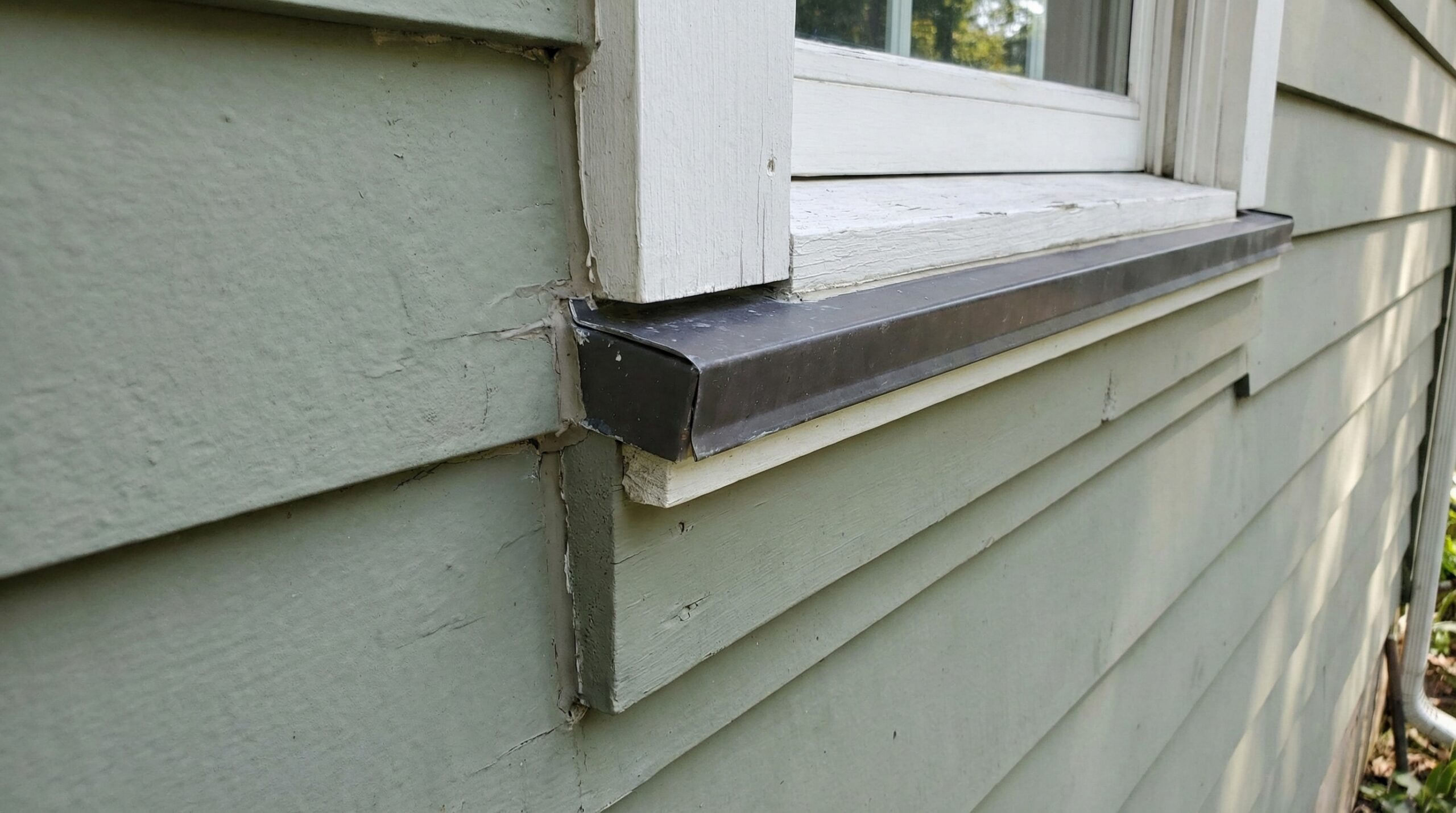
Modern siding systems include features specifically designed to handle Northeast Ohio weather challenges. These details make the difference between siding that lasts decades and materials that fail prematurely.
Interlocking panel systems create tighter seals against wind-driven rain. Advanced profiles channel water away from joints and prevent infiltration during storms. These designs perform better than older siding styles in extreme weather.
Impact-resistant materials protect against hail damage and flying debris during storms. Some siding products meet strict impact standards that reduce insurance claims and maintenance costs over time. After severe weather events, knowing the signs of storm siding damage can help you file timely insurance claims.
Fade-resistant finishes maintain appearance despite intense UV exposure and temperature extremes. Quality coatings prevent chalking and color degradation that affects curb appeal and resale value.
Regular maintenance extends siding life regardless of material choice. Annual inspections identify small problems before they become major repairs, while proper cleaning removes dirt deposits and organic growth that can damage surfaces. Learning how to maintain your siding in Northeast Ohio provides valuable insights for local homeowners facing climate challenges.
Northeast Ohio homeowners who invest in quality siding materials and professional installation protect their homes against weather damage while maintaining property values. The upfront investment pays dividends through reduced maintenance costs and improved energy efficiency over the siding’s lifetime. Understanding when to consider siding repair vs replacement helps you make cost-effective decisions for your home’s exterior.
Peak and Valley Roofing specializes in siding solutions designed for Northeast Ohio’s challenging climate. Our experience with local weather patterns helps homeowners choose materials and installation methods that provide lasting protection and peace of mind.