
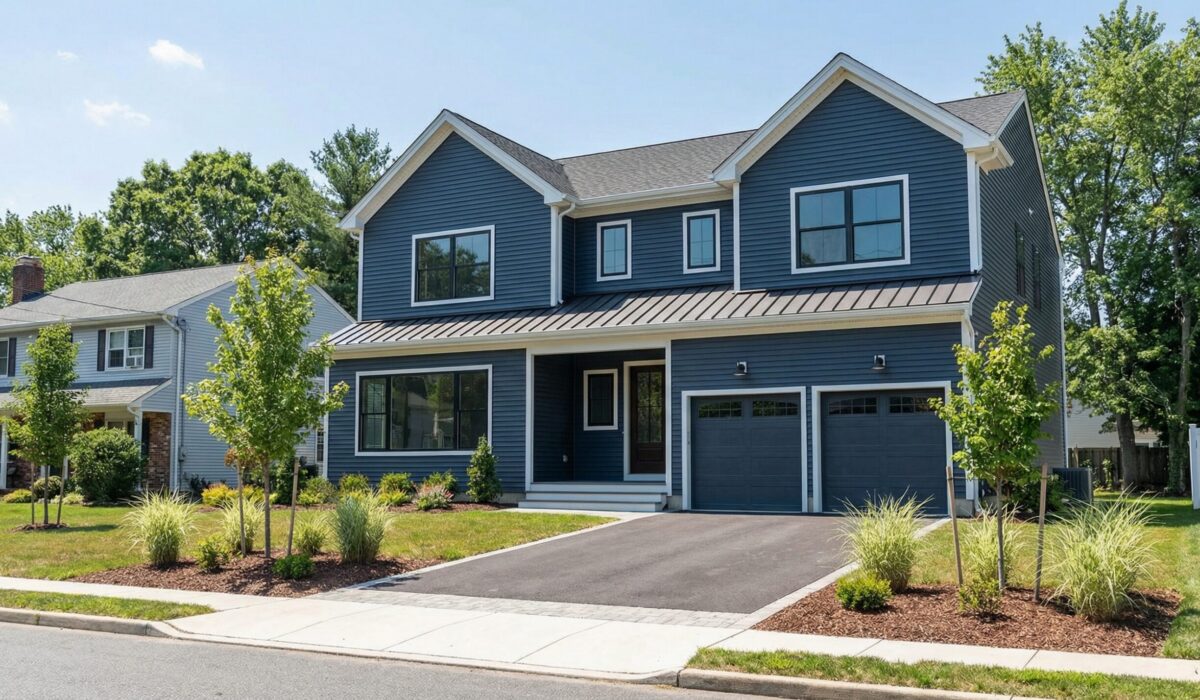
When you’re considering exterior upgrades for your Rocky River home, the conversation often starts with curb appeal. But the real value lies in what happens behind the scenes—proper moisture control, insulation, and materials that can handle our region’s demanding weather patterns. A well-executed siding and window replacement project delivers both immediate visual impact and long-term performance benefits that protect your investment for decades.
Key Insight: Professional siding replacement with proper insulation can reduce heating and cooling costs by up to 20% while significantly improving indoor comfort throughout the year.
This guide walks you through the complete process, from recognizing when it’s time for replacement to understanding the materials and techniques that deliver lasting results in Northeast Ohio’s climate.
Understanding when your home needs exterior upgrades
Your home’s exterior constantly battles Northeast Ohio’s weather extremes—from humid summers that test moisture barriers to freezing lake-effect winters that cause materials to expand and contract. Recognizing the warning signs early can save you from costly structural damage down the road.
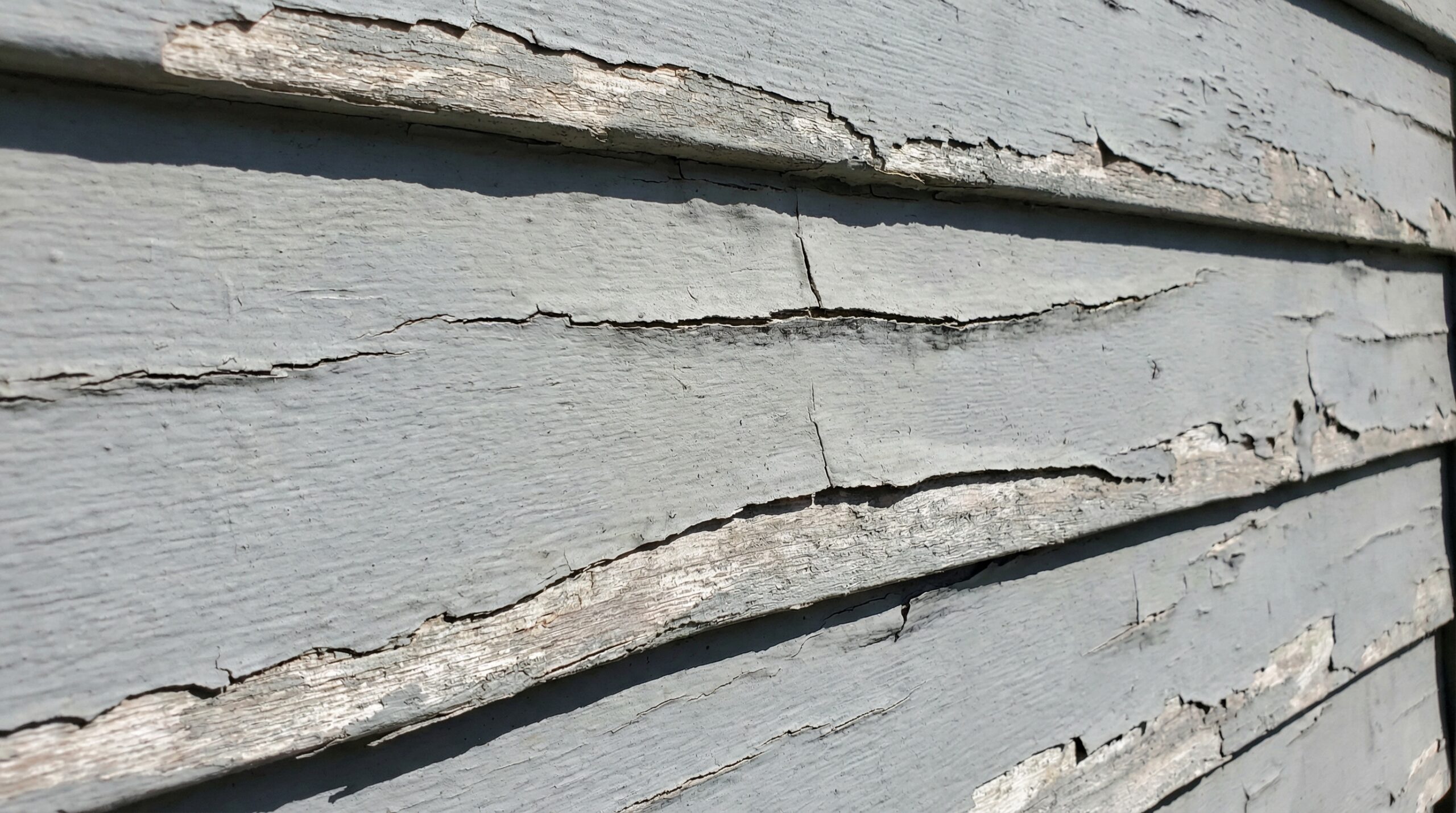
Look for obvious indicators like cracking, warping, or buckling siding panels. These issues create gaps where water can penetrate your wall cavity. But some signs are less obvious—like peeling paint or wallpaper inside your home, which often indicates moisture problems starting from the outside.
Rising energy bills provide another clue. When siding deteriorates, your home’s thermal envelope becomes compromised. Your HVAC system works harder to maintain comfortable temperatures, and you’ll notice the difference in your monthly utility costs.
When repair costs reach approximately 30% of full replacement costs, investing in new materials becomes more financially prudent than continuing with incremental fixes. Understanding when to repair versus replace your siding is crucial for making the most cost-effective decision for your home.
Choosing the right materials for Northeast Ohio’s climate
Material selection makes the difference between a renovation that lasts five years and one that protects your home for decades. Each option offers distinct advantages depending on your priorities, budget, and home’s architectural style.
Vinyl siding remains popular among Rocky River homeowners for good reason. Modern vinyl products like CertainTeed MainStreet offer excellent resistance to warping and cracking while maintaining color retention through years of sun exposure. The material requires minimal maintenance and handles temperature swings well. If you’re curious about how long vinyl siding actually lasts, proper installation and maintenance can extend its lifespan significantly.
Pro Tip: Insulated vinyl siding adds a rigid foam backing that reduces thermal bridging and can improve your home’s energy efficiency by creating a more stable thermal barrier.
Fiber cement siding provides superior durability and can mimic the appearance of wood, stone, or other materials. It resists moisture, insects, and fire damage, making it an excellent long-term investment despite higher upfront costs. When comparing options, many homeowners find it helpful to review a detailed Hardie Board versus vinyl analysis to understand the long-term value proposition.
For window replacements, vinyl frames offer excellent thermal performance and low maintenance requirements. Quality replacement windows with proper installation can eliminate drafts and reduce energy loss through improved sealing and modern glass technology. Before purchasing, make sure you know how to properly measure windows for replacement to ensure a perfect fit.
The professional installation process that ensures lasting results
Proper installation separates projects that perform well from those that fail prematurely. The process begins with complete removal of existing materials—a step that’s often rushed but absolutely critical for long-term success.
Removing old siding allows contractors to inspect the underlying structure and address any moisture damage, insulation gaps, or structural issues before new materials are installed. This step ensures your new siding isn’t covering up problems that could shorten its lifespan. One common issue discovered during removal is wood rot behind existing siding, which must be addressed before new materials are installed.
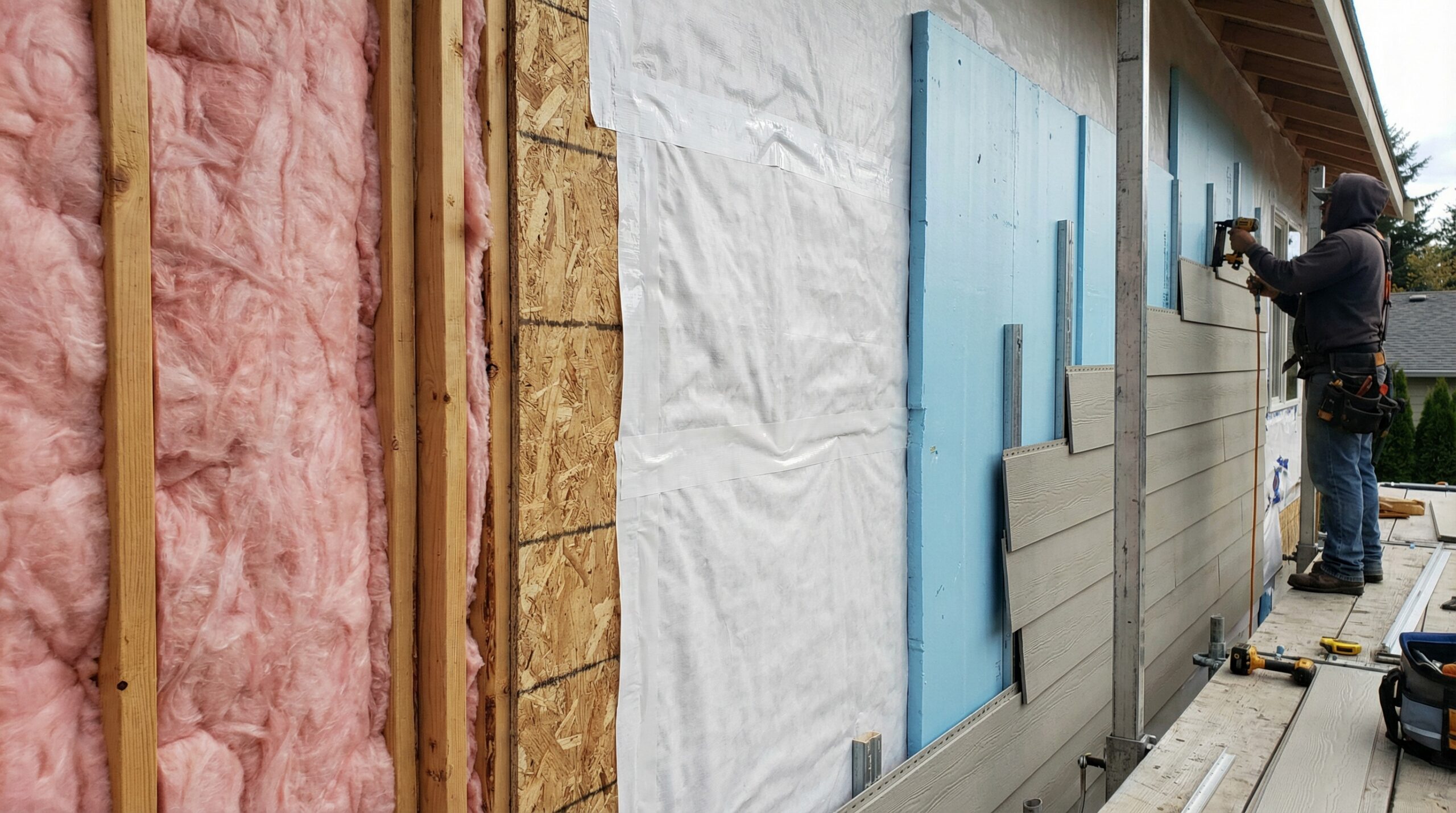
The foundation of any quality siding project is the moisture and air barrier system. Professional installations include housewrap with properly sealed seams to prevent water intrusion while allowing moisture vapor to escape. Adding fanfold insulation creates an additional thermal barrier that improves energy efficiency.
Attention to detail during installation makes the difference. Every window, door, and transition point requires careful flashing and sealing. Professional-grade sealants handle temperature swings and prevent water intrusion at vulnerable joints and penetrations. Avoiding common siding installation mistakes ensures your investment delivers maximum performance and longevity.
Maximizing energy efficiency and long-term value
Modern siding and window systems work together to create a high-performance building envelope that keeps your home comfortable year-round while reducing energy costs. The key lies in understanding how these components function as an integrated system.
Insulated siding helps reduce thermal bridging—the direct transfer of heat through wall studs. This means your home holds heat longer in winter and stays cooler in summer without constantly running heating or cooling systems. Many homeowners experience noticeable reductions in monthly energy bills after upgrading to insulated siding systems.
Window replacement contributes significantly to overall efficiency. Modern replacement windows eliminate drafts through improved sealing and feature advanced glass coatings that reflect heat in summer while allowing solar gain in winter. Proper installation ensures these benefits are fully realized.
The combination of new siding and windows also improves indoor comfort by eliminating cold spots and temperature inconsistencies. You’ll notice fewer drafts along exterior walls and more stable temperatures throughout your home. Understanding how exterior home protection systems work together helps you maximize the benefits of your investment.
As noted by home exterior experts, insulated vinyl siding can be especially noticeable in bedrooms or rooms above garages that are prone to temperature swings, creating a more consistently comfortable living environment.
Your exterior renovation represents more than a cosmetic upgrade—it’s an investment in your home’s long-term performance, comfort, and value. When done correctly with quality materials and professional installation, siding and window replacement delivers benefits you’ll appreciate every day while protecting your investment for decades to come. The key is working with experienced contractors who understand Northeast Ohio’s climate challenges and use proven techniques that ensure lasting results.