
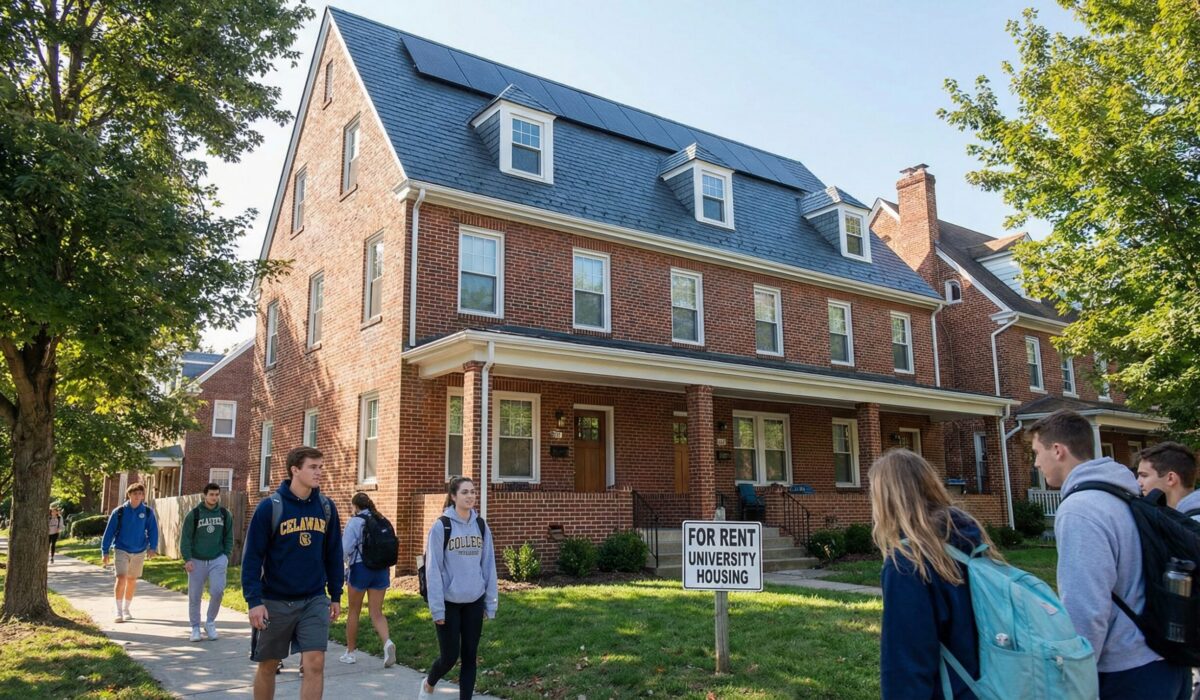
Managing rental properties near Cleveland State university requires specialized roofing expertise that goes beyond typical residential solutions. Northeast Ohio student housing faces unique challenges including high tenant turnover, increased wear from multiple occupants, and the need for strategic maintenance timing around the CWRU and CSU academic schedules. At Peak and Valley Roofing, we understand these distinct requirements and have developed targeted approaches that protect your Cleveland investment while maintaining tenant satisfaction.
Key Insight: Cleveland-area student rental properties experience 40% more roof-related maintenance requests compared to traditional family homes in Rocky River due to higher occupancy density and frequent tenant changes.
Northeast Ohio property investors need roofing solutions that balance durability with cost-effectiveness. Our experience with campus-adjacent housing in neighborhoods like Little Italy and Coventry has shown that the right material choices and maintenance strategies can extend roof life by 5-7 years while reducing emergency repair costs by up to 30%. Whether you’re dealing with aging apartments in University Circle or planning upgrades in Cleveland Heights, understanding these specialized requirements is crucial for long-term success.
Understanding the unique challenges of Cleveland student housing roofs
Student rental properties in the Cleveland metro area face accelerated wear patterns that differ significantly from owner-occupied homes. The constant foot traffic, multiple HVAC systems running continuously during humid Ohio summers, and occasional student gatherings create stress points that traditional roofing approaches don’t address adequately.
High occupancy density means more people using utilities, opening windows, and potentially accessing roof areas inappropriately. We’ve observed that properties housing 4-6 students in the Heights show roof deterioration rates 25% faster than comparable single-family homes in Westlake. The frequent turnover also means less consistent reporting of minor issues like missing shingles after a Lake Erie windstorm, allowing small problems to become major repairs.
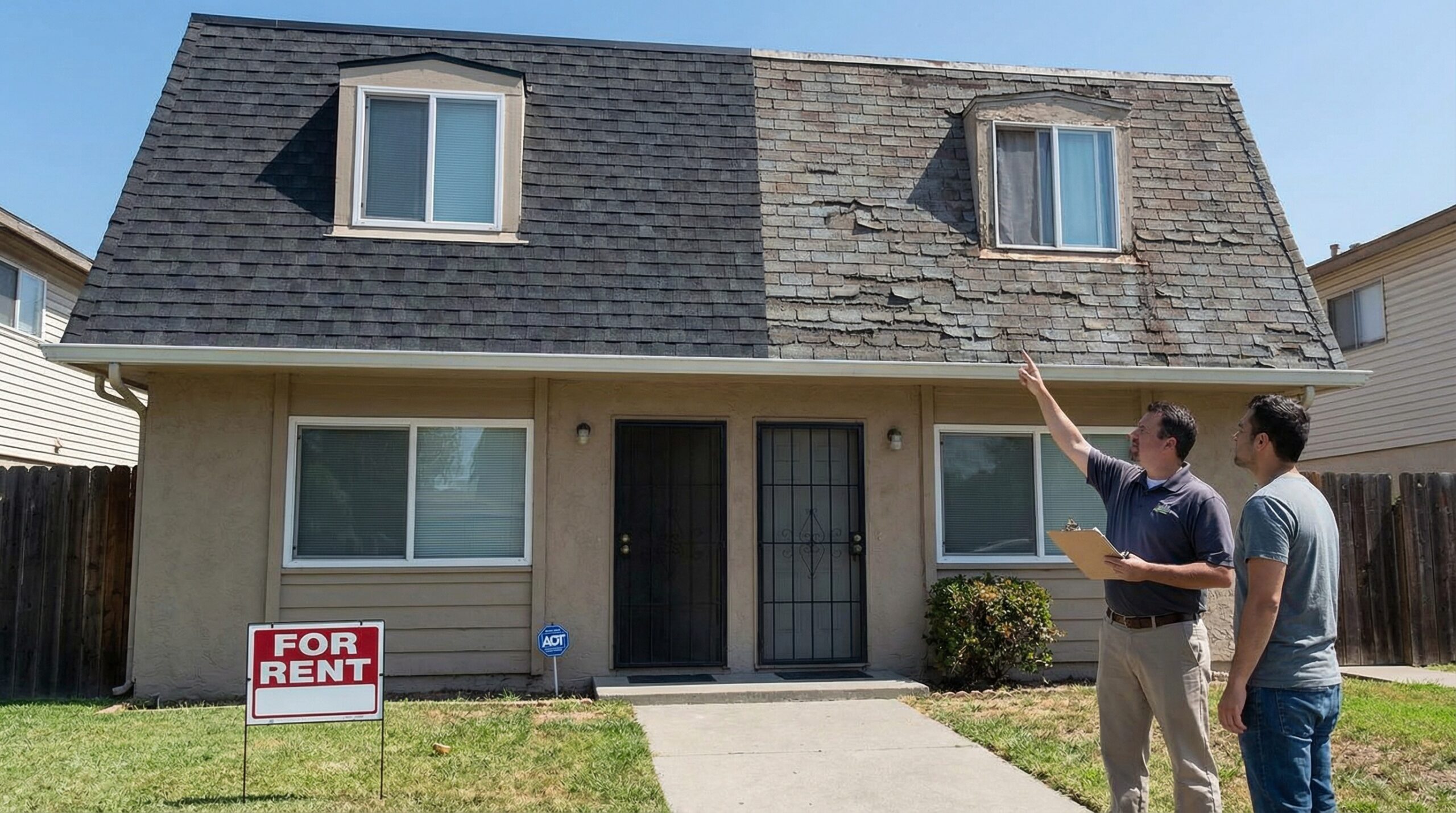
Lake-effect snow exposure combined with deferred maintenance during busy academic periods creates perfect conditions for rapid deterioration. Many Cleveland landlords postpone non-emergency repairs during the fall semester to avoid disrupting tenants, but this approach often leads to expensive ice damming issues during the winter months.
Cost Reality: Emergency roof repairs during peak occupancy periods in Cleveland cost 60% more than planned maintenance due to urgency requirements and tenant accommodation needs.
Selecting cost-effective materials for Ohio rental property investments
Material selection for Cleveland-area rentals requires balancing upfront costs with long-term performance under the harsh freeze-thaw cycles of Northeast Ohio. Traditional asphalt shingles work well for most University Circle rental properties, but upgraded options often provide better value over time.
| Material Type | Initial Cost | Expected Lifespan | Maintenance Level | Best Application |
|---|---|---|---|---|
| Architectural Asphalt | Moderate | 20-25 years | Low-Medium | Standard Cleveland rentals |
| Impact-Resistant Shingles | Higher | 25-30 years | Low | High-traffic properties |
| Metal Roofing | Highest | 40+ years | Minimal | Long-term investments |
Impact-resistant shingles have proven particularly valuable for student housing in storm-prone areas like Rocky River and Lakewood. While they cost 15-20% more initially, they reduce damage from hail, debris, and accidental impacts. The enhanced warranties also provide additional protection for your investment.
For flat-roof apartment buildings common in the Cleveland Heights and downtown markets, TPO and EPDM systems offer excellent durability. These materials handle the thermal cycling from constant HVAC use better than traditional built-up roofing systems. Understanding how many shingles are in a bundle can help you accurately estimate material costs for your rental property projects in 2026.
Strategic maintenance timing around Cleveland academic schedules
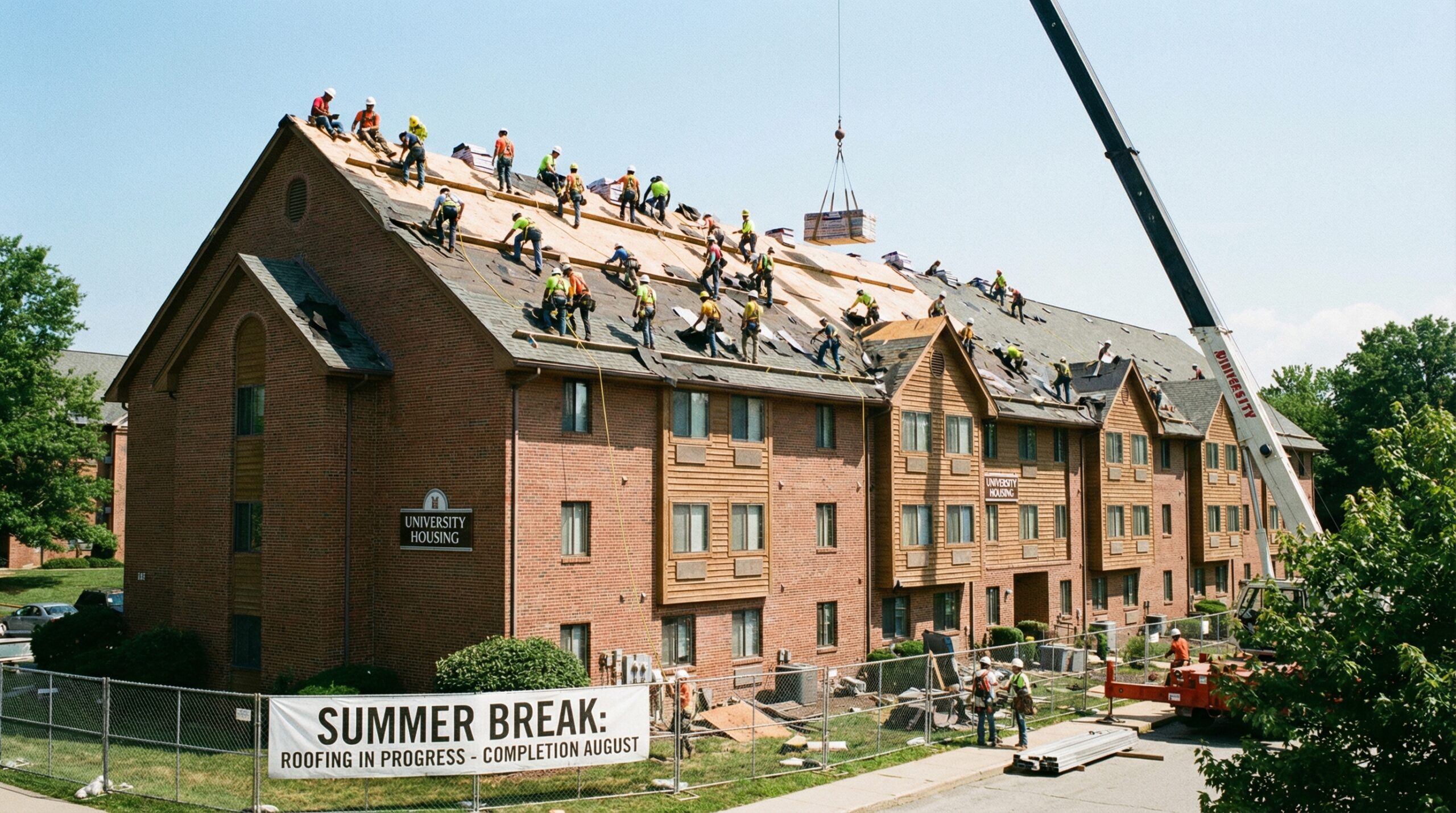
The academic calendars for CWRU, CSU, and John Carroll University create natural windows for major roofing work. Summer break provides the ideal opportunity for comprehensive projects, while winter break allows for smaller repairs and inspections during the “thaw” periods.
Planning maintenance during low-occupancy periods reduces disruption and often results in better pricing from local contractors. We recommend scheduling annual inspections in late April or early May, allowing time to plan summer projects before the student move-in rush in August. This approach prevents emergency situations during peak rental season when vacancy costs are highest.
Emergency protocols become crucial during the spring semester when full occupancy and heavy Ohio snow make major work challenging. Having established relationships with reliable contractors who understand Cleveland student housing requirements ensures rapid response when urgent leaks arise.
Communication with student tenants requires special consideration. Clear notification procedures, realistic timelines, and coordination with property management help maintain positive relationships while ensuring necessary work gets completed. Additionally, understanding what temperature is too cold to install a roof helps you plan winter break projects without compromising the asphalt seal.
Scheduling Tip: Cleveland properties that schedule preventive maintenance during summer break experience 45% fewer emergency calls during the following academic year compared to those using reactive approaches.
Protecting your investment through proper insurance and documentation
Northeast Ohio rental properties require specific insurance considerations that standard homeowner policies don’t address. The higher liability exposure in high-density student areas like Little Italy affects both coverage requirements and premium calculations.
Maintaining detailed maintenance records is essential for insurance claims and tenant disputes. Documentation should include regular inspection reports, repair histories, and records of any storm damage assessments. This paperwork protects you legally and helps Ohio insurance adjusters process claims more efficiently.
Working with contractors who understand rental property insurance requirements ensures compliance with policy terms. Proper licensing with local municipalities like Cleveland Heights and documentation procedures protect you from liability. Many insurance companies offer discounts for properties with documented preventive maintenance programs. When choosing the best roofing contractor, verify their local Ohio credentials and read reviews to ensure they meet professional standards.
Understanding tenant responsibilities versus landlord obligations helps prevent disputes. Clear lease language about damage reporting protects both parties and supports insurance requirements. Be aware of common roofing scams in Ohio to protect your investment and ensure you’re working with reputable professionals.
The Cleveland rental market demands roofing solutions that protect your investment while keeping tenants satisfied. By understanding these requirements and working with experienced contractors, you can maximize your property’s profitability.
Peak and Valley Roofing specializes in the distinct needs of Northeast Ohio rental properties. Our experience with Case Western and CSU area housing ensures your investment receives appropriate protection. Contact us today to discuss how our specialized approach can benefit your Cleveland rental property portfolio.