January 28, 2026 | By Peak and Valley Roofing
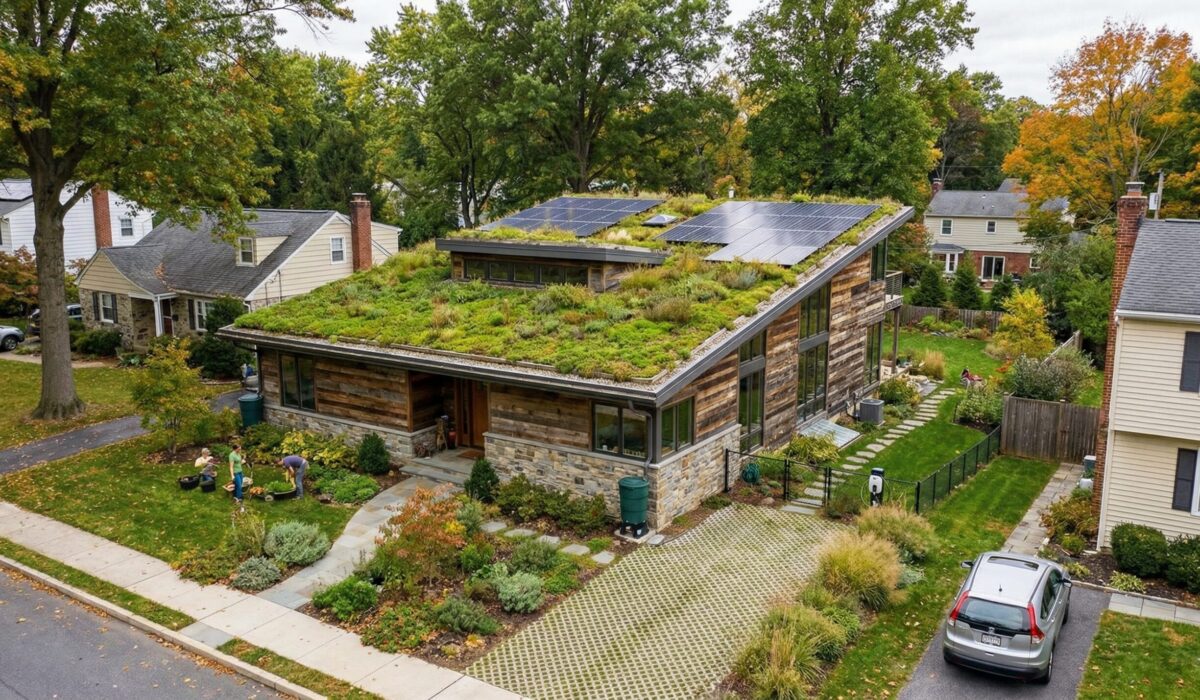
Choosing sustainable roofing materials for your Rocky River home can slash your energy bills by 15-25% while protecting the environment. Today’s eco-friendly options deliver exceptional durability, often lasting 40-70 years compared to traditional materials that need replacement every 20-25 years. From recycled metal roofing to solar-integrated shingles, Northeast Ohio homeowners now have access to materials that combine environmental responsibility with smart financial planning.
Quick fact: Energy-efficient roofing can reduce cooling costs by up to 30% during Northeast Ohio’s hot summers while qualifying for federal tax credits of up to 30% through 2032.
Peak and Valley Roofing helps Rocky River residents navigate these sustainable options, ensuring you get maximum performance from materials designed specifically for our regional climate challenges.
Why sustainable roofing makes financial sense
Sustainable roofing materials offer compelling advantages beyond environmental protection. These materials typically reduce monthly utility expenses through superior energy efficiency and thermal performance. Many eco-friendly options also qualify for federal tax credits, state incentives, and utility rebates that can offset 20-40% of installation costs.
The durability factor cannot be overlooked. While traditional asphalt shingles last 20-25 years, sustainable alternatives like metal roofing serve 40-70 years, and slate can exceed 100 years. This longevity means fewer replacements, less waste, and better long-term value for your investment.
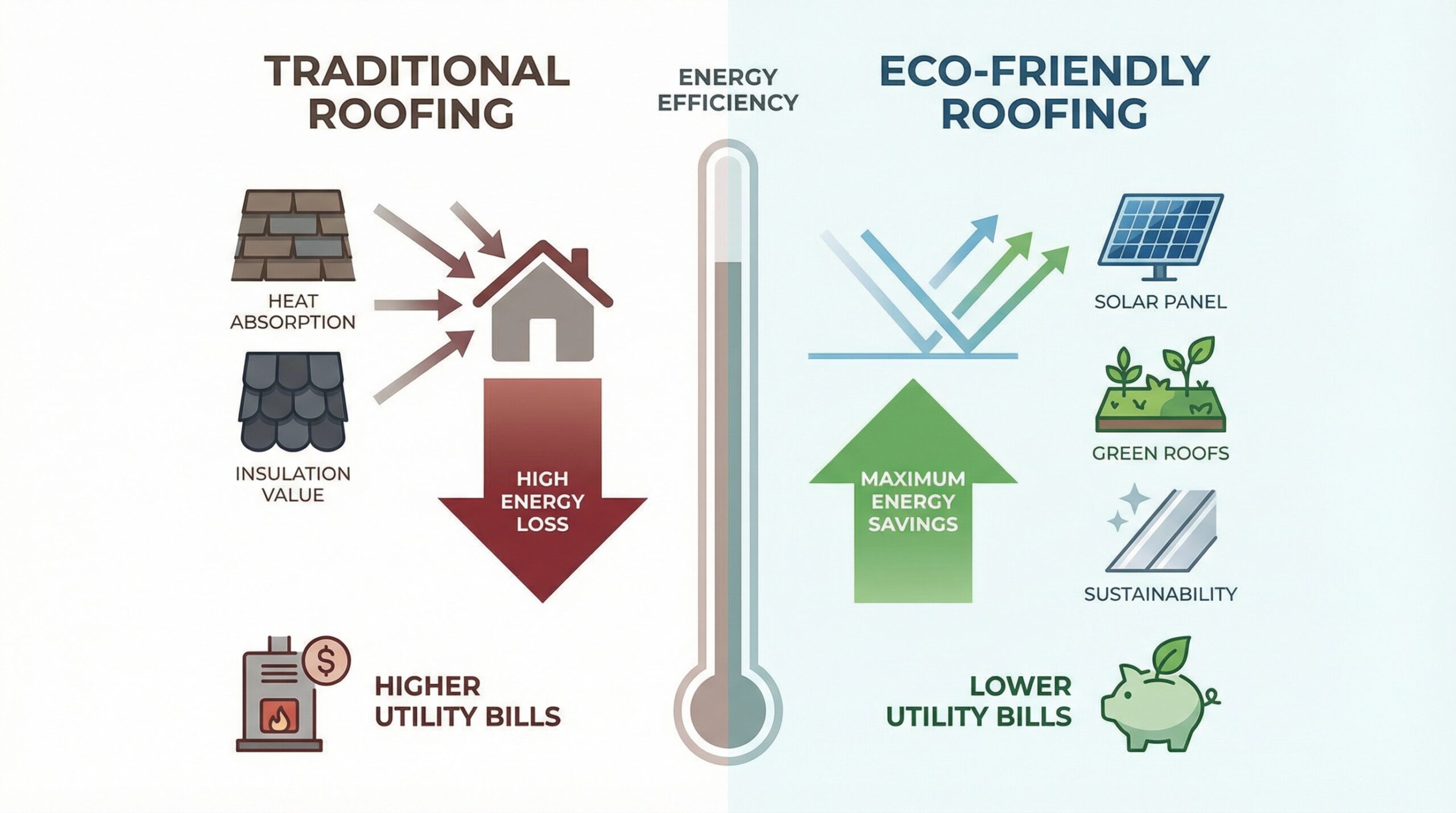
Energy savings tip: Cool roof technology can reduce your home’s cooling load by reflecting 65-90% of solar energy, compared to traditional dark roofs that absorb 80-95% of heat.
Modern sustainable materials also boost property values. Homes with energy-efficient features sell faster and command higher prices, with green roofing often providing a return on investment of 60-70% at resale.
Top recycled and renewable roofing options
Recycled metal roofing
Recycled steel and aluminum roofing contains 25-95% post-consumer content and remains 100% recyclable at the end of its service life. These systems cost $12-21 per square foot installed but deliver 40-70 years of performance with minimal maintenance. The reflective properties of metal roofing can reduce cooling costs by up to 25% in Northeast Ohio’s climate.
Recycled rubber shingles
Manufactured from discarded tires and industrial rubber waste, these shingles replicate the appearance of slate or wood shake while offering superior impact resistance. Priced at $7-12 per square foot, they provide 30-50 years of service and earn Class A fire ratings. Installation follows conventional shingle methods, making them accessible for most roofing contractors.
Natural slate and clay tiles
Slate roofing represents the gold standard for longevity, serving 75-150 years with minimal processing requirements. Though premium-priced at $15-30+ per square foot, slate requires virtually no maintenance and remains completely recyclable. For homeowners considering this premium option, understanding the differences between real slate vs synthetic slate roofs can help inform your decision. Clay tiles offer similar durability at $10-25 per square foot, with natural thermal properties that help regulate indoor temperatures.
Cool roof technology and solar integration
Cool roofing systems use specialized reflective materials to bounce solar radiation away from your home rather than absorbing it. Energy Star certified cool roofs can reduce surface temperatures by 50-60°F compared to traditional materials, significantly lowering cooling demands during summer months.
Modern cool roof options extend beyond white surfaces. Advanced pigment technology now allows darker colors while maintaining reflective properties. These systems typically add only 10-15% to material costs but can reduce cooling expenses by 10-30% annually.
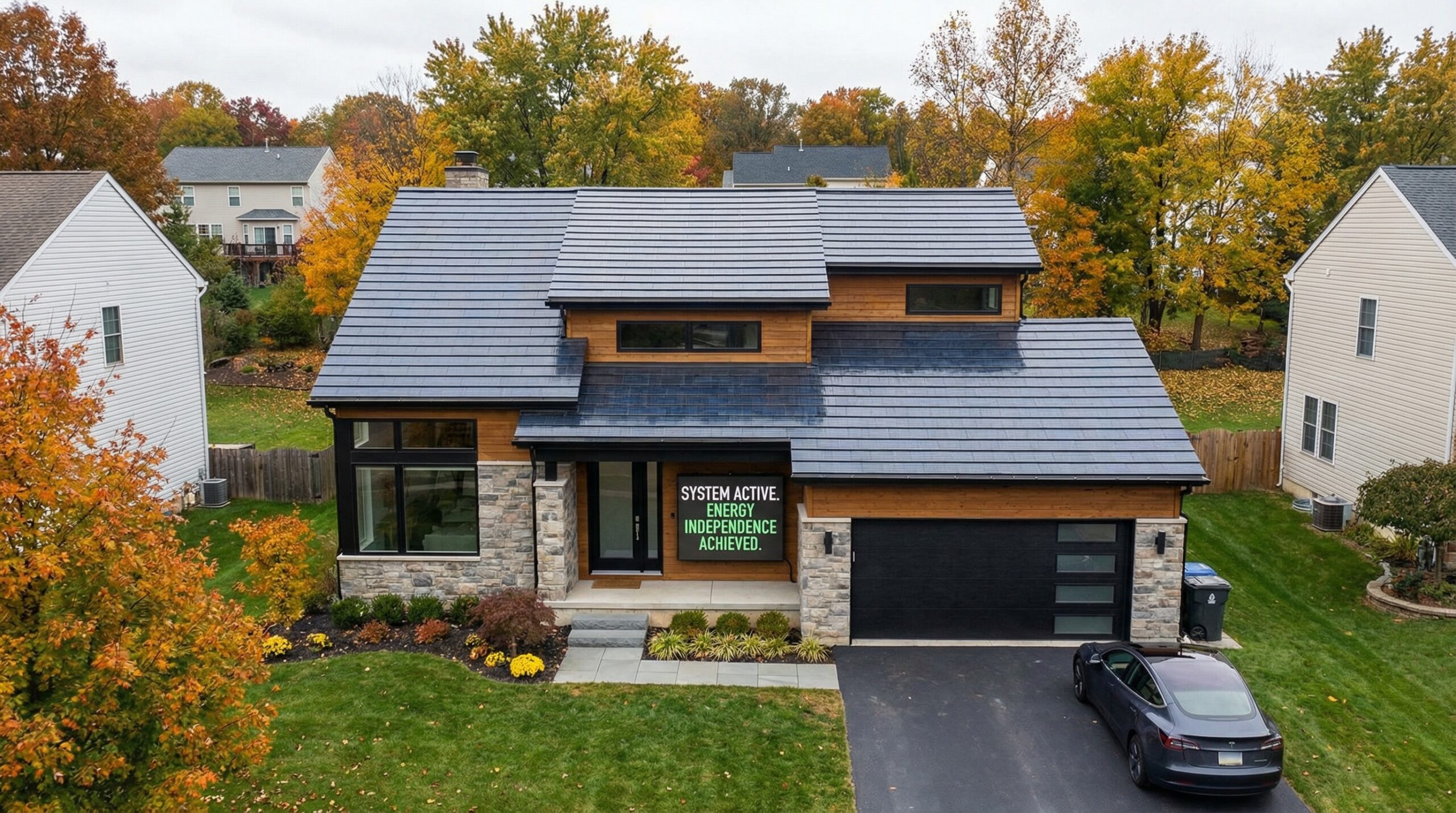
Solar-ready roofing prepares your home for future photovoltaic installation through proper structural support and electrical planning. Solar shingles integrate directly into your roof surface, generating electricity while maintaining curb appeal. Though premium-priced at $20-30+ per square foot, federal tax credits and net metering programs make these systems increasingly attractive for long-term energy independence. Homeowners can explore solar roofing financial options to determine the best approach for their budget.
Solar savings: A typical solar roof system in Northeast Ohio can generate 70-85% of a home’s annual electricity needs, with payback periods of 10-15 years including available incentives.
Cost considerations and available incentives
Sustainable roofing materials typically cost 10-30% more upfront than conventional options, but energy savings and longevity often justify the investment within 5-10 years. Federal tax credits currently provide 30% back on qualifying energy-efficient improvements through 2032, with many materials also eligible for state and utility rebates.
| Material Type | Cost Range (per sq ft) | Lifespan | Energy Savings |
|---|---|---|---|
| Recycled Metal | $12-21 | 40-70 years | 20-25% cooling |
| Solar Shingles | $20-30+ | 25-30 years | 70-85% electricity |
| Cool Asphalt | $4-8 | 20-30 years | 10-15% cooling |
| Natural Slate | $15-30+ | 75-150 years | 15-20% total energy |
PACE financing programs allow you to spread costs over 15-20 years through property tax assessments, making premium materials more accessible. Energy-efficient mortgages also provide favorable terms for homes with verified green features.
Budget-conscious homeowners can start with cool roof coatings or reflective shingles, which provide immediate energy benefits at modest cost increases. Mid-range budgets accommodate excellent options like recycled metal or composite materials that balance performance with reasonable pricing. When evaluating your investment, it’s important to understand what should be on a detailed roofing estimate to ensure you’re comparing quotes accurately.
Choosing the right option for your Rocky River home
Cuyahoga County’s climate requires materials that perform well in both humid summers and cold winters. Your roof experiences approximately 5,500 heating degree days and 1,200 cooling degree days annually, creating unique performance demands that sustainable materials handle exceptionally well.
Consider your long-term plans when selecting materials. If you anticipate staying in your home for 15+ years, premium options like metal or slate provide excellent value through energy savings and minimal maintenance. Shorter-term residents might prefer mid-range sustainable options that still offer good performance and resale benefits. Understanding roof lifespan by material can help you make an informed decision based on your timeline.
Professional installation remains crucial for maximizing the benefits of sustainable roofing materials. Peak and Valley Roofing’s expertise with eco-friendly systems ensures proper installation techniques that achieve full performance potential and warranty compliance. Quality installation also requires proper supporting components like roof underlayment and roof flashing to protect your investment.
The future of sustainable roofing continues evolving with improved recycled content requirements, advanced solar integration, and smart system technologies. Building codes increasingly favor environmentally responsible choices, driven by consumer demand and Northeast Ohio’s green building initiatives.
Investing in sustainable roofing materials for your Rocky River home reduces environmental impact while delivering tangible financial benefits through energy savings, increased property value, and reduced maintenance costs. With proper material selection and professional installation, your eco-friendly roof becomes a long-term asset that serves both your family and the broader community’s environmental goals.