

Planning a siding upgrade in your Glen Mills community means navigating homeowners association requirements while achieving the look you want. Most HOA applications take 2-4 weeks for approval, and choosing pre-approved materials can significantly speed up this process. At Peak and Valley Roofing, we’ve helped dozens of Glen Mills homeowners successfully navigate these requirements while creating beautiful exterior transformations.
Quick Tip: Before starting any siding project, request your HOA’s current architectural guidelines and approved materials list. This simple step can save weeks of delays and potential rejections.
Understanding your community’s specific requirements is the first step toward a successful siding upgrade. Each Glen Mills development has unique standards for materials, colors, and installation processes. The key is working with experienced contractors who know these local requirements and can guide you through the approval process smoothly.
Understanding Glen Mills HOA approval requirements
Most Glen Mills communities require formal applications for exterior modifications, including detailed material specifications and color samples. The architectural review board typically meets monthly, so timing your submission correctly can make the difference between a quick approval and waiting an extra month.
Your application package should include manufacturer specifications, color charts, and installation timelines. Many associations also require proof of contractor licensing and insurance. Having complete documentation from the start significantly improves your chances of first-time approval.
The review process usually involves checking compliance with community design standards, ensuring materials meet quality requirements, and verifying that your chosen colors fall within approved palettes. Some associations may require neighbor notifications or additional documentation for premium materials like fiber cement. Understanding siding permits and requirements can help you prepare a comprehensive application package.
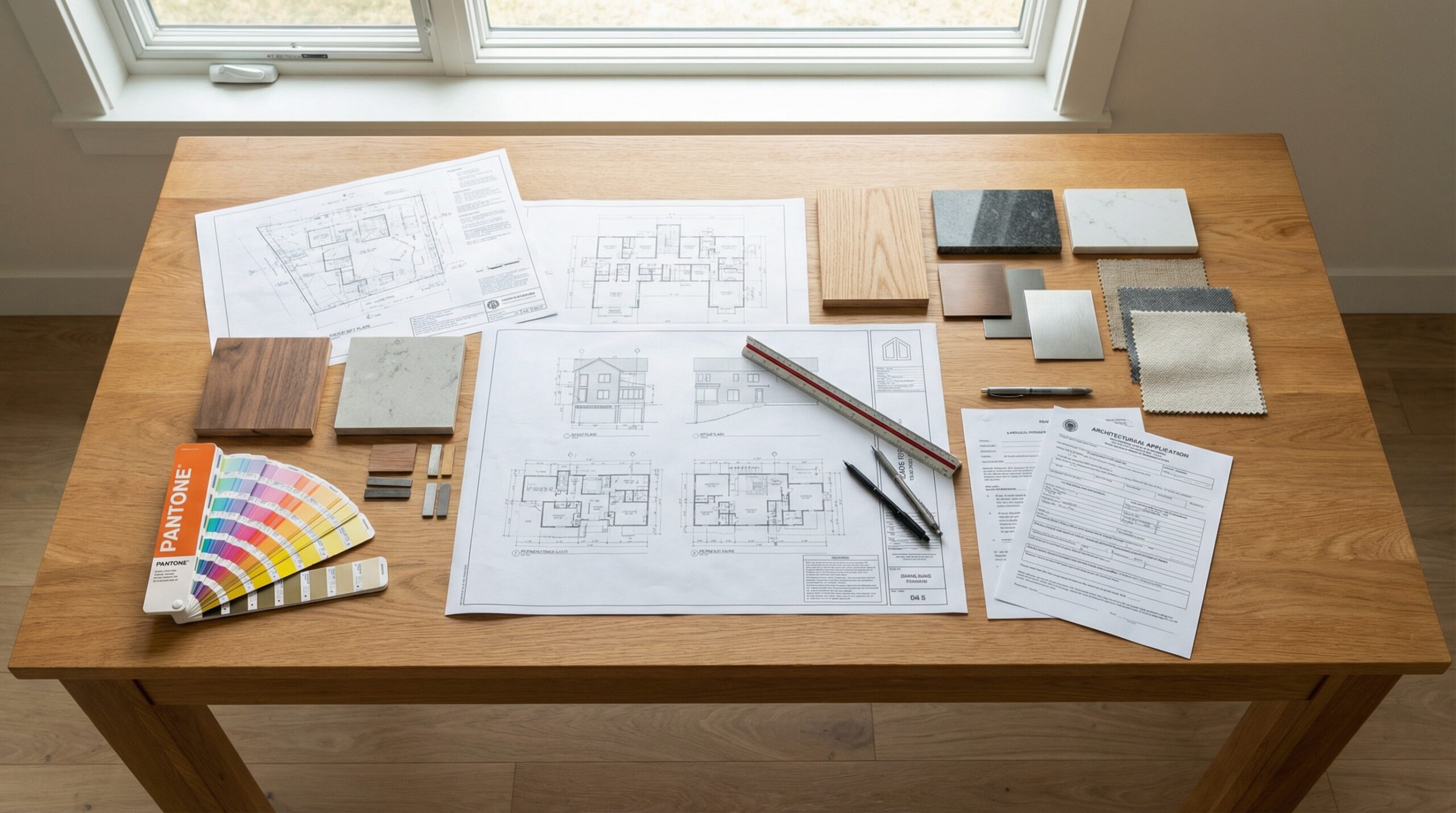
Choosing pre-approved siding materials
Vinyl siding remains the most commonly approved material in Glen Mills communities due to its durability and consistent appearance. Premium vinyl options now offer thickness ratings of 0.044-0.046 inches and wind resistance up to 180 mph, meeting even strict HOA standards. Before making your final decision, consider reviewing vinyl siding costs and expectations for 2025 to ensure your budget aligns with quality materials.
Fiber cement siding, particularly James Hardie products, receives favorable consideration from most architectural review boards.
| Material Type | Typical Approval Rate | Key Benefits | Average Cost Range |
|---|---|---|---|
| Premium Vinyl | 85-95% | Low maintenance, color variety | $8,000-$15,000 |
| Fiber Cement | 90-98% | Durability, authentic appearance | $12,000-$25,000 |
| Engineered Wood | 70-85% | Natural look, moderate cost | $10,000-$20,000 |
Important Note: Color selection often determines approval success more than material choice. Stick to earth tones, grays, and muted colors that complement your neighborhood’s existing palette.
When selecting materials, consider both initial approval likelihood and long-term performance. Premium materials may cost more upfront but often provide better value through extended warranties and reduced maintenance requirements. For a comprehensive analysis of different options, explore our guide on Hardie Board versus vinyl siding long-term value.
Working with HOA-experienced contractors
Choosing a contractor familiar with Glen Mills HOA requirements can streamline your entire project. Experienced contractors maintain relationships with local architectural review boards and understand specific submission requirements for each community.
Your contractor should handle all technical documentation, including material specifications, installation details, and warranty information. They should also coordinate with your HOA throughout the approval process and ensure all work meets approved specifications exactly. When evaluating potential contractors, learn about common siding installation mistakes to avoid to ensure you’re working with qualified professionals.
Look for contractors who can provide references from recent HOA projects in your specific community. This experience proves they understand local requirements and can navigate potential challenges before they become problems.
Pro Tip: Ask potential contractors about their HOA approval success rate and average timeline. Experienced professionals should achieve 90%+ first-time approvals and complete the process within 3-4 weeks.
Planning your installation timeline
Once you receive HOA approval, coordinate your installation schedule with community guidelines. Most Glen Mills developments restrict construction hours and may have seasonal limitations for exterior projects.
Professional installation typically takes 3-7 days depending on your home’s size and material choice, proper planning includes neighbor notifications, material staging areas, and waste management procedures that respect community standards.
Consider seasonal factors when scheduling your project. Spring and fall represent peak demand periods, potentially extending material delivery times by 2-3 weeks. Winter installations are possible but may require additional weather protection measures.
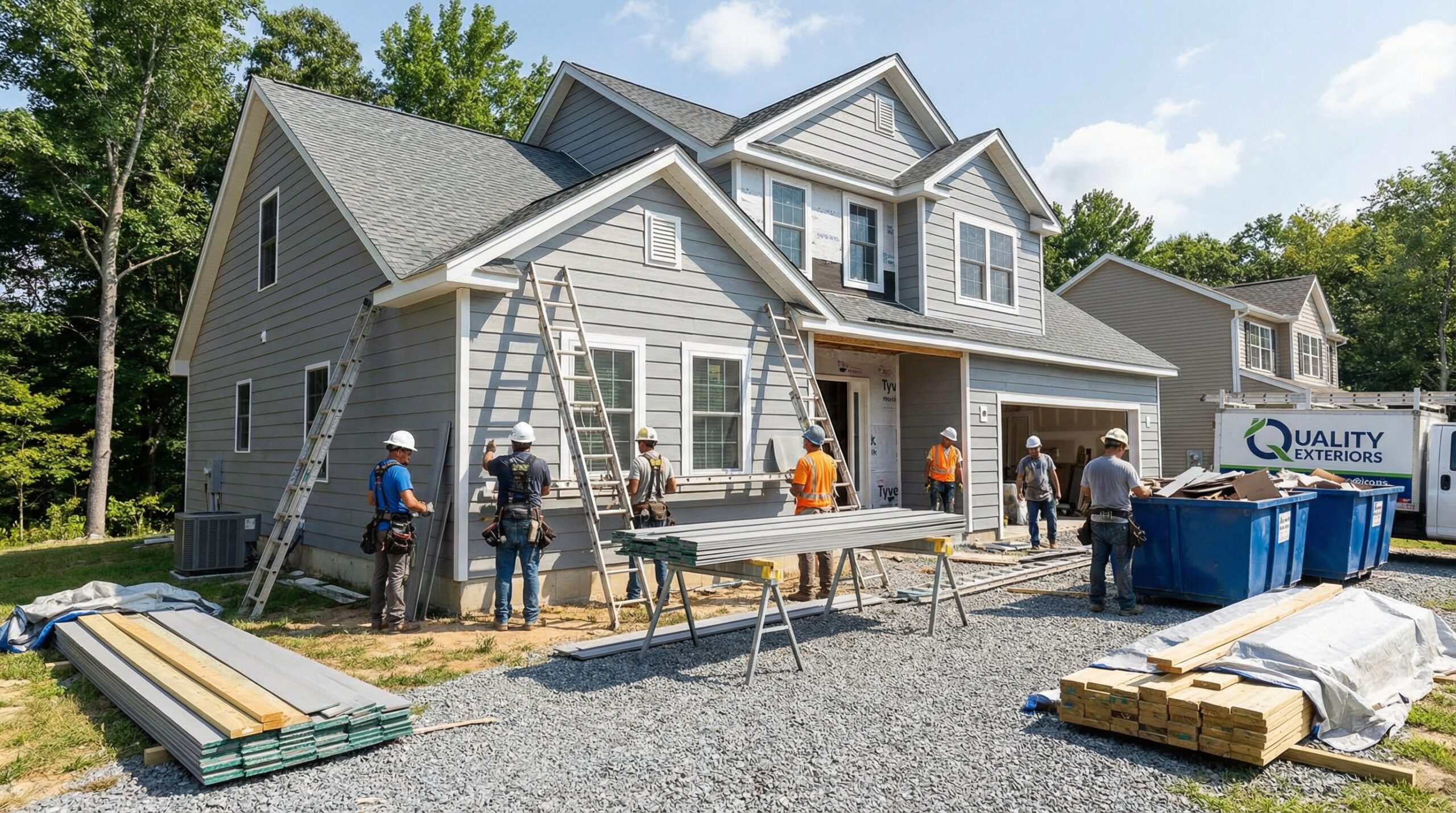
Your contractor should maintain clean job sites throughout the project and coordinate all deliveries to minimize neighborhood disruption. This attention to community courtesy helps maintain positive relationships and ensures smooth project completion. Additionally, proper coordination between roof and siding color choices can create a harmonious exterior design that enhances your home’s curb appeal.
Successfully navigating HOA requirements for your Glen Mills siding project requires understanding community standards, choosing appropriate materials, and working with experienced professionals. With proper planning and the right contractor, you can achieve the exterior upgrade you want while maintaining full compliance with your community’s guidelines. The investment in quality materials and professional installation will enhance your property value while preserving the neighborhood character that makes Glen Mills communities so desirable. For ongoing protection of your investment, don’t forget to review how to maintain your siding in Ohio to ensure long-lasting performance.