
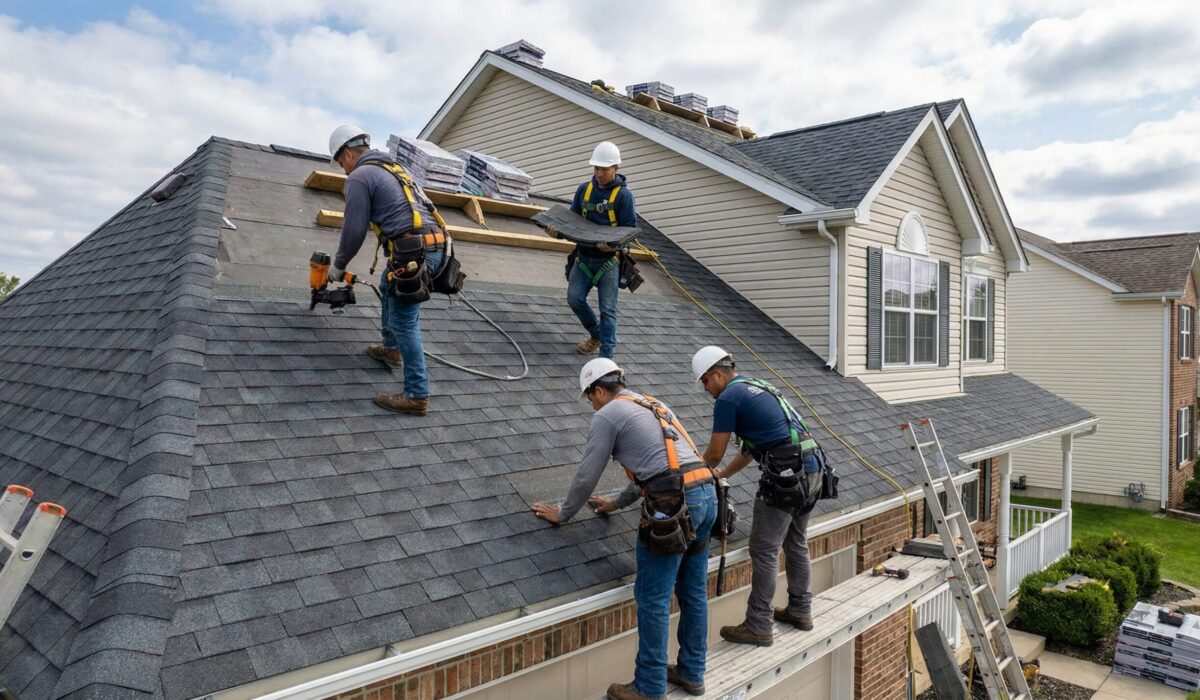
If you’re planning a roof replacement, you’re probably wondering how long the project will disrupt your daily routine. The good news is that most residential roof replacements take just 1-3 days to complete. However, the actual timeline depends on several factors including your roof size, material choice, and weather conditions.
Understanding the roof replacement timeline helps you prepare your family, pets, and schedule accordingly. Whether you’re dealing with an aging roof or storm damage, knowing what to expect can reduce stress and help you make informed decisions about your roofing project.
Quick Answer: Standard asphalt shingle roofs on average-sized homes typically take 1-2 days, while larger or more complex roofs may require 3-5 days depending on materials and conditions.
Factors that determine your roof replacement timeline
Several key elements influence how long your roof replacement will take. The size of your roof plays the biggest role, with roofing professionals measuring in “squares” where one square equals 100 square feet of roof surface.
Your roof’s complexity significantly impacts the timeline. Simple gable roofs with straightforward designs allow crews to work efficiently, while roofs featuring multiple valleys, dormers, skylights, or steep pitches require more careful attention and specialized techniques.
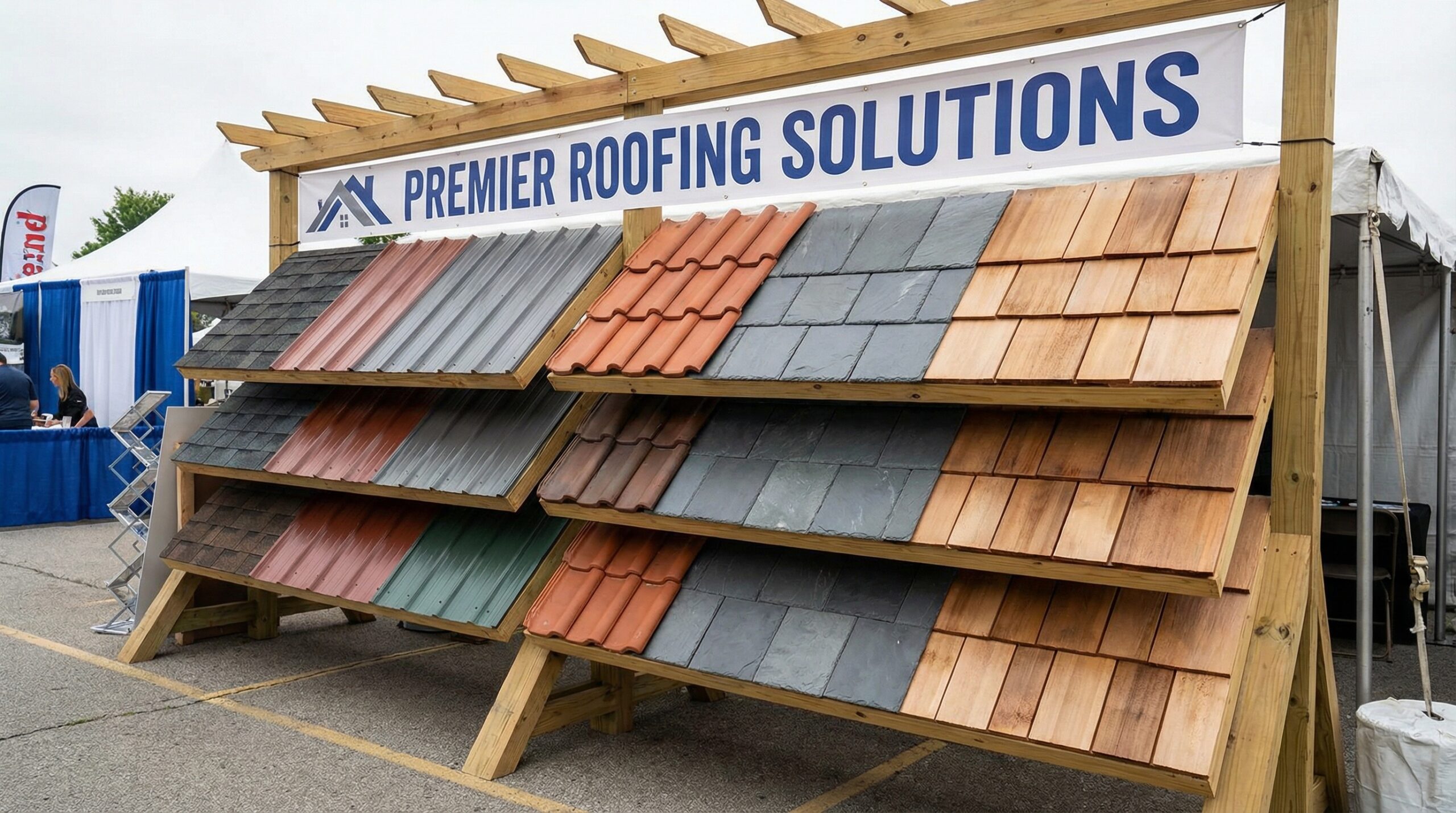
The type of roofing material you choose also affects installation time. Asphalt shingles are the fastest to install, typically requiring 1-2 days for most homes. Metal roofing takes slightly longer at 2-3 days, while specialty materials like slate or tile can extend the project to 6-10 days due to their weight and individual placement requirements.
Weather conditions in your area can cause delays, especially during rainy seasons or high winds. Professional roofing crews prioritize safety and quality, so they’ll pause work during unsafe conditions to protect both workers and your home’s interior. Understanding the best time to replace your roof can help you avoid weather-related delays.
Roof replacement timeline by home size
The size of your home directly correlates with replacement duration. Smaller homes under 1,500 square feet with simple rooflines often complete replacement in just one day, assuming good weather and no unexpected repairs.
Medium-sized homes between 1,500-2,500 square feet typically require 1-2 days for standard asphalt shingle installation. These projects move efficiently when crews can work on large, uninterrupted sections without complex architectural features.
Larger homes exceeding 2,500 square feet or those with complex designs generally need 2-4 days or more. Multi-story homes, steep pitches, and intricate rooflines require additional safety measures and careful material handling, which naturally extends the timeline.
| Home Size | Typical Timeline |
|---|---|
| Small (under 1,500 sq ft) | 1 day |
| Medium (1,500-2,500 sq ft) | 1-2 days |
| Large (2,500+ sq ft) | 2-4+ days |
Planning Tip: Add an extra day to your estimated timeline as a buffer for weather delays or unexpected repairs discovered during tear-off.
The step-by-step roof replacement process
Understanding the replacement process helps you know what to expect each day. The project begins with tear-off, where crews remove old shingles, inspect the roof deck, and dispose of materials. This phase typically takes half to one full day depending on how many shingle layers need removal.
Next comes the “dry-in” phase, where crews install new underlayment, ice and water shields, and any necessary flashing around chimneys, vents, or skylights. This critical step protects your home from weather and usually completes within one day. Proper installation techniques during this phase are essential for long-term performance.
The final phase involves installing your new roofing material. For asphalt shingles, experienced crews can cover significant square footage quickly, often completing installation in one to two days. The process concludes with ridge cap installation, final inspections, and thorough cleanup of your property.
Throughout the process, professional crews work systematically to minimize disruption to your daily routine while ensuring quality installation that will protect your home for decades.
What to expect during your roof replacement
You can typically remain in your home during roof replacement, though you should prepare for noise and activity. The tear-off phase generates the most sound as crews remove old materials and dispose of debris. Most homeowners find the noise manageable during normal daytime hours.
Dust and vibrations are common, especially during tear-off and when crews walk on the roof structure. Consider temporarily relocating pets or small children if they’re sensitive to noise, and cover valuable items in your attic if accessible from above.
Your roofing contractor should protect your landscaping, driveway, and exterior features with tarps and magnetic tools to collect metal debris. Professional crews also conduct daily cleanup to maintain safety and curb appeal throughout the project.
Homeowner Tip: Plan to park vehicles away from the house during installation to avoid potential damage from falling debris and allow easy access for material delivery.
Power outages are rare but possible if electrical work around vents or fixtures is required. Your contractor will inform you in advance if any utilities need temporary disconnection, allowing you to make necessary arrangements.
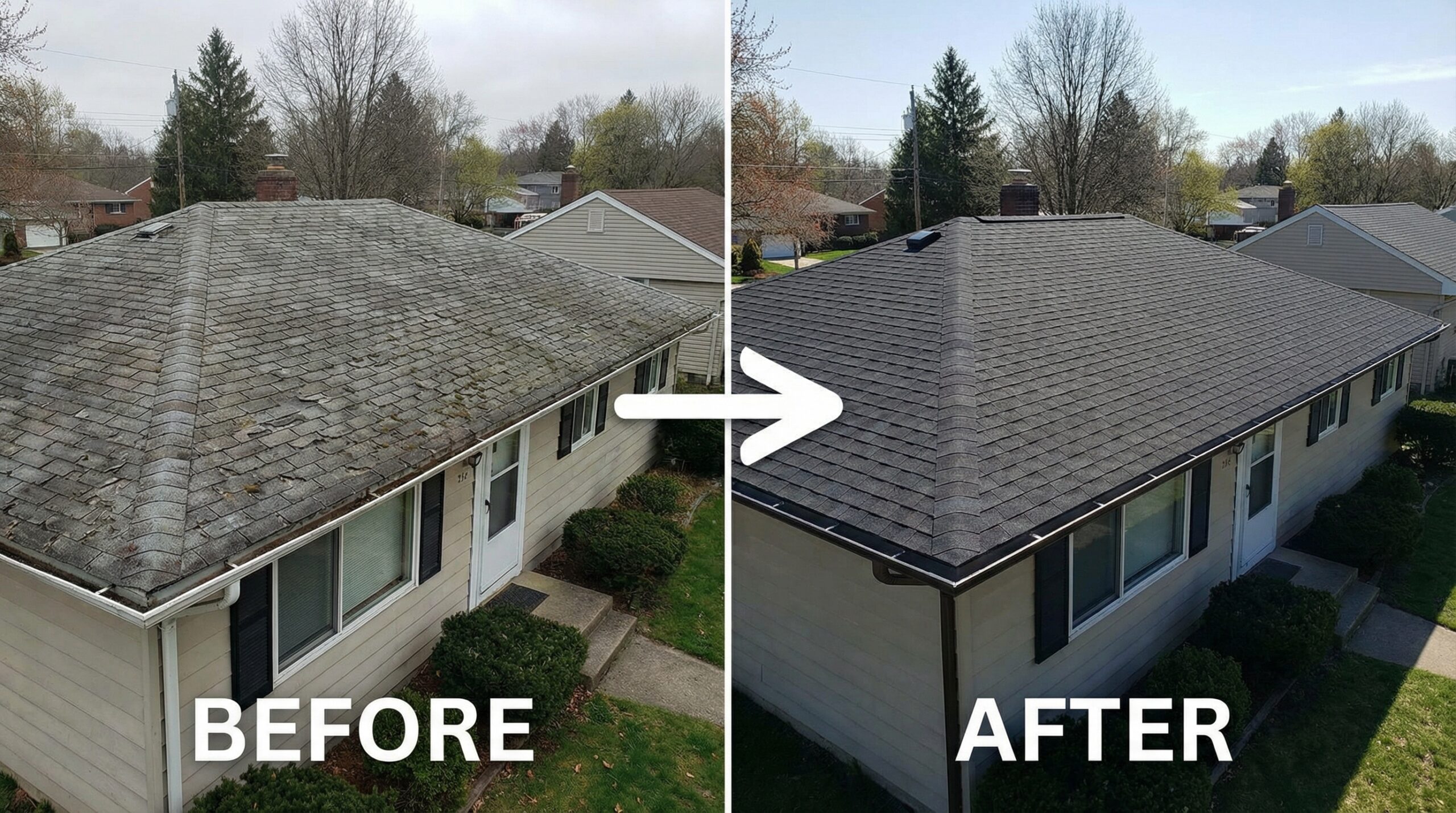
Most roof replacements proceed smoothly when you choose experienced contractors who communicate clearly about timelines, weather contingencies, and any unexpected discoveries during the project. Quality installation protects your investment and can significantly increase your home’s value, providing peace of mind for years to come.
The timeline for your specific roof replacement depends on your unique situation, but understanding these factors helps you plan effectively and set realistic expectations for your roofing project. If you’re considering alternatives to full replacement, you might also explore roof overlay options to see if they’re suitable for your home.