

Your home’s foundation faces a constant threat that many homeowners overlook until it’s too late. Water damage from poor drainage can cause foundation cracks, settling, and thousands of dollars in repairs. The good news is that a well-designed gutter system acts as your first line of defense against these costly problems.
Quick Answer: Gutters protect foundations by collecting rainwater from your roof and directing it away from your home’s base, preventing soil erosion, hydrostatic pressure, and structural damage that can cost $10,000 or more to repair.
When gutters work properly, they channel water at least 6 feet away from your foundation. This simple action prevents the soil around your home from becoming oversaturated, which is the primary cause of foundation movement and cracking. Understanding how this protection works can save you from expensive repairs down the road.
Why water poses such a serious threat to foundations
Water becomes your foundation’s worst enemy when it accumulates around your home’s perimeter. As soil absorbs excess moisture, it expands and creates hydrostatic pressure against foundation walls. This pressure can cause cracks, bowing, and even complete structural failure over time.
The problem becomes worse in areas with clay soil, which expands significantly when wet and contracts when dry. This constant movement creates a cycle of stress on your foundation that eventually leads to damage. Without proper drainage, even small amounts of water can accumulate and cause problems.
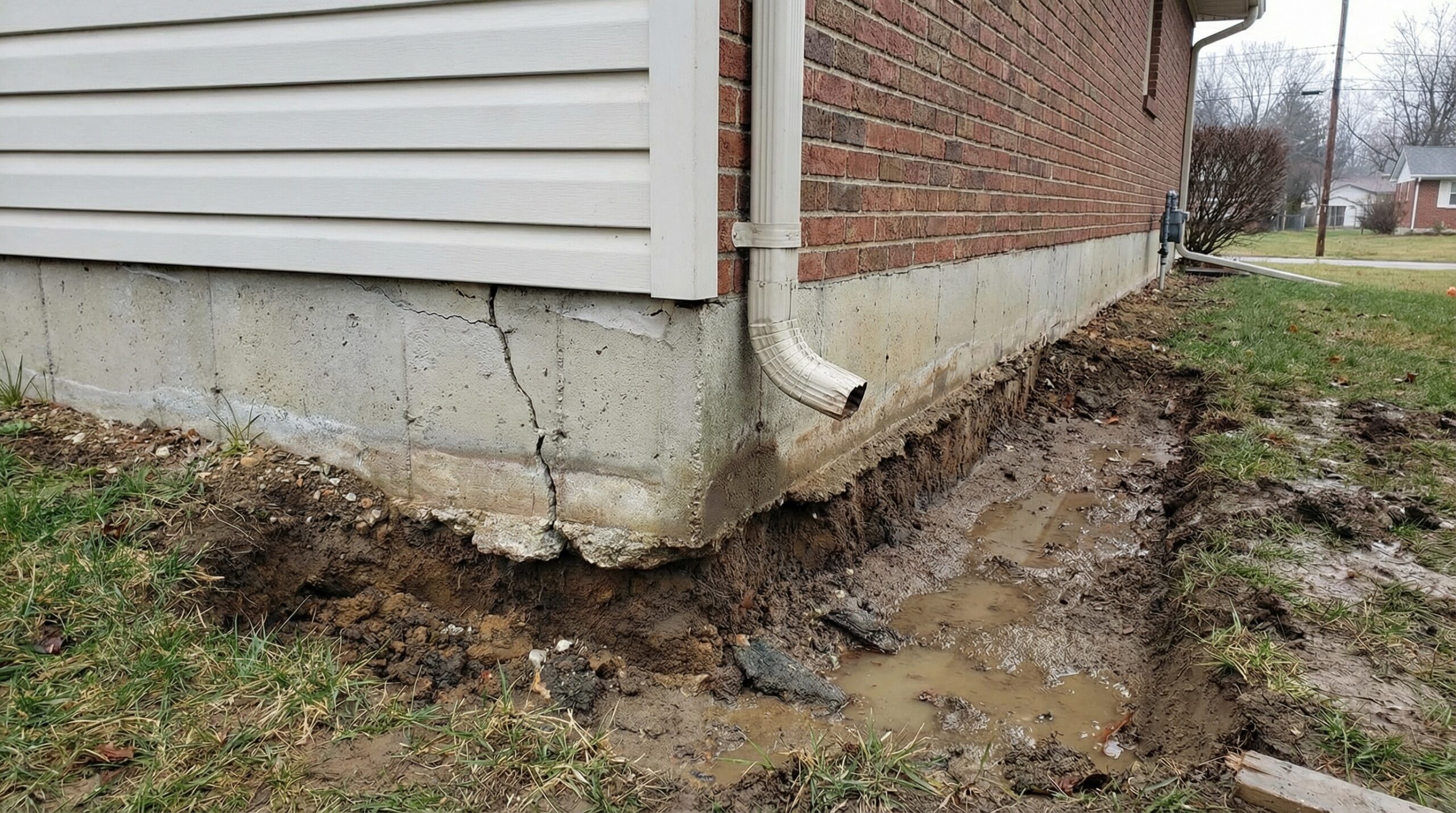
During heavy rains, a single inch of rainfall on a 1,000 square foot roof produces about 600 gallons of water. Without gutters, this water cascades directly off your roof and pools around your foundation, creating the perfect conditions for damage.
How gutters create an effective drainage system
A properly installed gutter system captures rainwater at the roof edge and channels it through downspouts to designated drainage areas. This controlled water management prevents the random pooling that causes foundation problems.
The key components work together seamlessly. Gutters collect water along the roofline, while downspouts carry it vertically down the side of your home. Proper downspout placement ensures water is directed away from your foundation to safe discharge points.
Pro Tip: Your gutters should slope toward downspouts at a rate of 1/4 inch per 10 feet of gutter length to ensure proper water flow and prevent standing water.
For maximum protection, downspouts should extend at least 6 feet from your foundation, though 10 feet is even better. This distance ensures that water doesn’t seep back toward your home through underground soil movement. Understanding the role of gutters and downspouts in protecting your home is essential for maintaining your property’s structural integrity.
Signs your current gutter system needs attention
Even the best gutter systems require regular maintenance to function properly. Clogged gutters can overflow and dump water directly beside your foundation, defeating their protective purpose entirely.
Look for water stains on your foundation walls, which indicate that water is splashing back from overflowing gutters. Pooling water near your home’s base is another clear sign that your drainage system isn’t working effectively.
| Warning Sign | What It Means | Action Needed |
|---|---|---|
| Foundation cracks | Water pressure damage | Immediate repair and drainage improvement |
| Basement moisture | Poor exterior drainage | Gutter cleaning and extension |
| Soil erosion around home | Uncontrolled water flow | Downspout repositioning |
| Sagging gutters | Structural failure | Professional replacement |
Gutters that pull away from your home or show visible sagging indicate structural problems that compromise their effectiveness. These issues often result from inadequate support or damage from debris buildup. Recognizing the top signs your gutters need professional repair can help you address problems before they escalate.
Maintaining your gutter system for long-term protection
Regular maintenance keeps your gutter system functioning at peak efficiency. Clean gutters twice yearly, typically in spring and fall, to remove leaves, debris, and any blockages that could cause overflow. For homeowners weighing their options, understanding DIY vs. professional gutter cleaning can help you make the best decision for your situation.
Check that downspouts flow freely by running water through them during cleaning. Any backup or slow drainage indicates a clog that needs immediate attention. Don’t forget to inspect gutter hangers and brackets for looseness or damage.
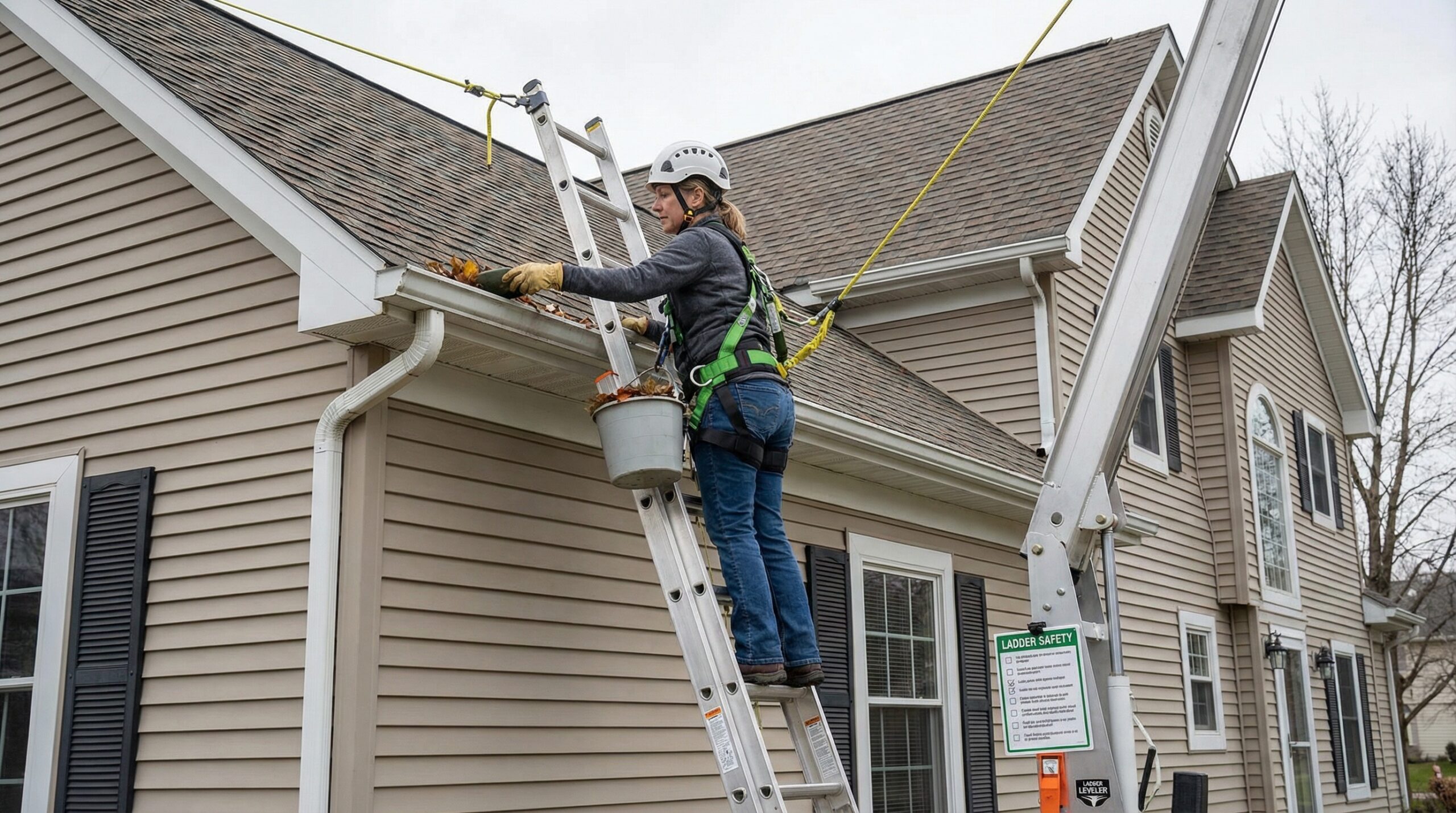
Consider installing gutter guards to reduce debris accumulation, especially if you have large trees near your home. While these systems don’t eliminate the need for cleaning, they significantly reduce maintenance frequency and improve water flow consistency. Learn more about whether gutter guards are worth the investment for your specific situation.
Professional inspections every few years can catch small problems before they become expensive repairs. A roofing contractor can assess your entire drainage system and recommend improvements that enhance your foundation protection. If you’re experiencing issues, knowing when to replace vs repair your gutters will help you make an informed decision.
Your foundation represents one of your home’s most valuable components, and protecting it from water damage should be a top priority. A well-maintained gutter system provides this protection efficiently and cost-effectively, preventing the expensive foundation repairs that can devastate your home’s value and your budget. By understanding how gutters work and maintaining them properly, you’re investing in your home’s long-term stability and your peace of mind.