

Summer heat silently damages your roof every year, with surface temperatures reaching over 150°F even when air temperatures hit 90°F. The good news? You can prevent most heat-related damage with the right strategies and timing. Professional maintenance extends your roof’s life by 7-10 years and saves homeowners between $8,000-$12,000 compared to premature replacement.
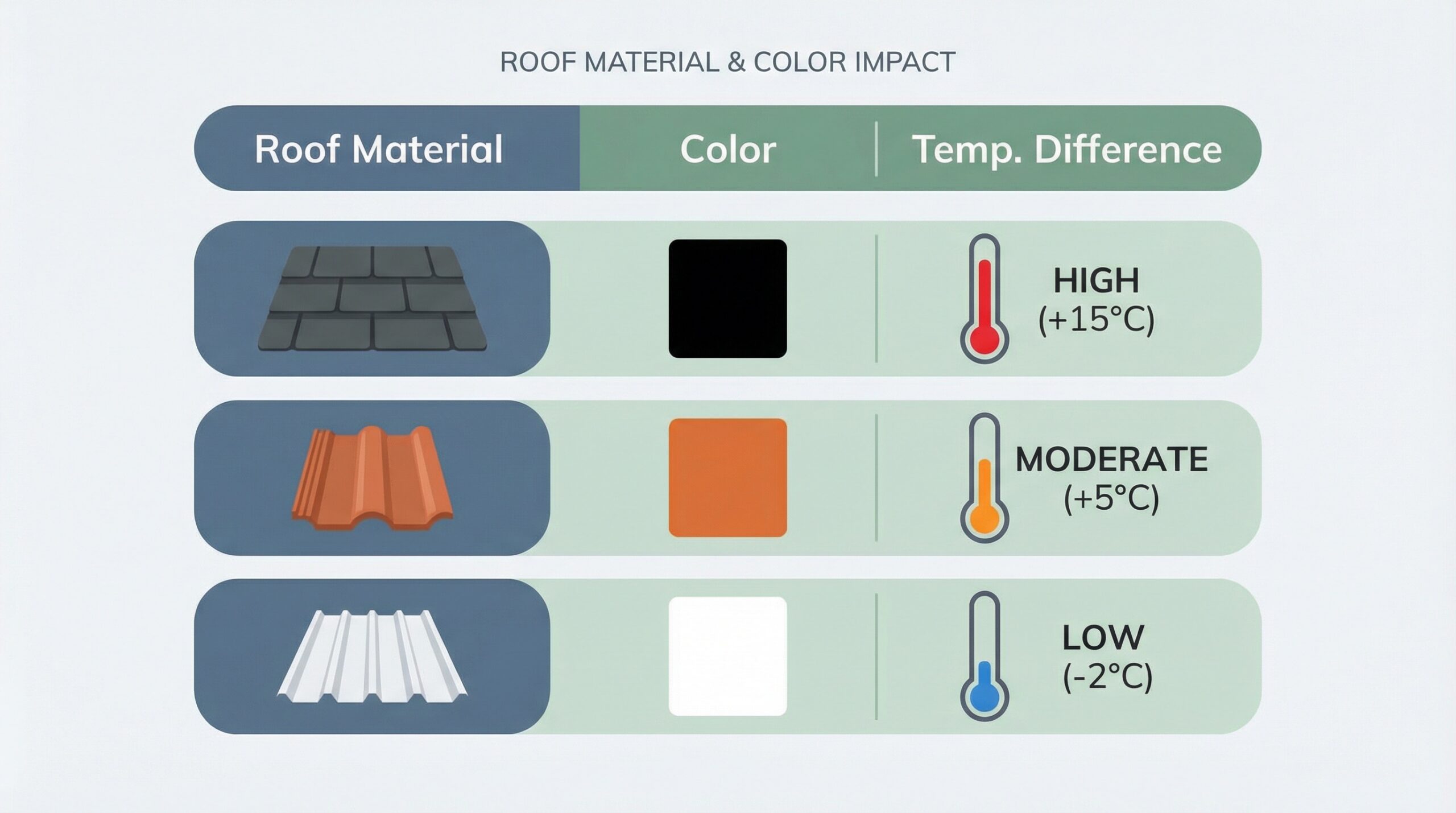
Quick Fact: Dark-colored roofs can reach temperatures 50°F higher than lighter alternatives, reducing their expected lifespan by 15-25%.
This guide shows you exactly how to protect your roof from summer’s harsh conditions, when to schedule inspections, and which cooling strategies work best for different home types. You’ll learn to spot early warning signs before they become expensive problems and discover cost-effective solutions that fit any budget.
Understanding how summer heat damages your roof
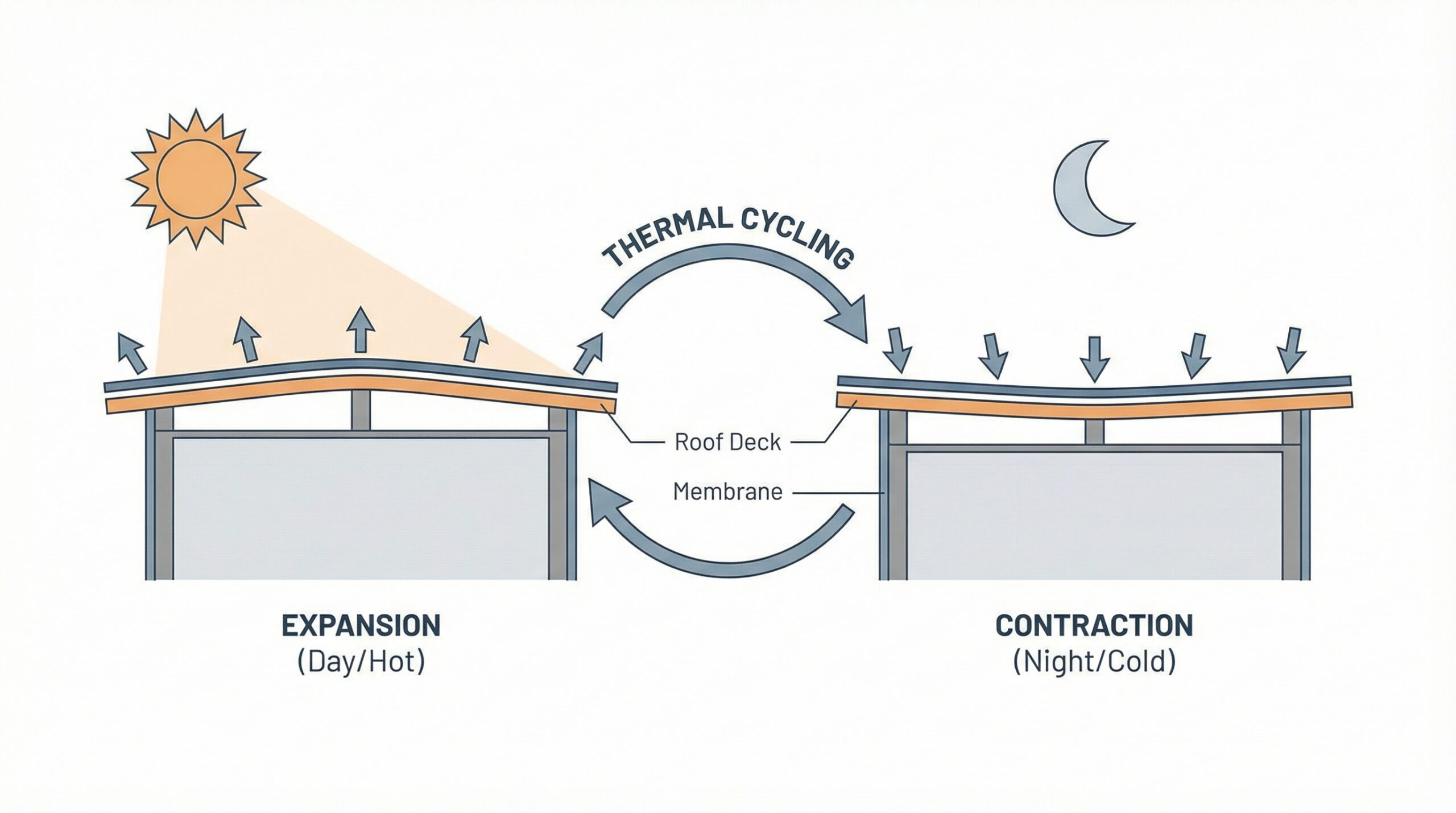
Summer heat attacks your roof through multiple mechanisms that work together to accelerate deterioration. When temperatures soar above 90°F, your roof surface can exceed 150°F, creating a cycle of expansion and contraction called thermal cycling.
This daily temperature swing of 30-40°F causes materials to expand during the day and contract at night. Over time, this creates micro-fractures in shingles and loosens fasteners. Meanwhile, intense heat evaporates essential oils from asphalt shingles, making them brittle and prone to cracking.
UV radiation compounds the problem by breaking down molecular bonds in roofing materials. South-facing roof sections deteriorate approximately 20% faster due to increased solar exposure throughout the day.
Poor ventilation makes everything worse. Inadequately ventilated attics commonly reach 150-160°F, causing wooden decking to warp and compromising the entire roof structure. This trapped heat also deteriorates underlayment and waterproofing membranes right before summer storms arrive.
Spotting heat damage before it becomes expensive
You can catch heat damage early by knowing what to look for during regular inspections. The key is understanding that small problems quickly become major issues when exposed to repeated thermal stress.
Start with a visual inspection from the ground using binoculars. Look for shingles with curled edges, corners that lift up, or visible cracks running across the surface. Granule loss appears as bald spots on shingles, and you’ll often find loose granules collecting in gutters. Understanding common types of roof damage helps you identify problems before they escalate.
Check your attic for signs of heat stress. Water stains on the ceiling indicate compromised seals, while warped or sagging wooden beams suggest structural damage from excessive heat. Look for daylight coming through the roof structure, which signals serious problems requiring immediate attention.
Warning Sign: If you notice multiple shingles lifting simultaneously or extensive granule loss appearing suddenly after a heat wave, contact a professional immediately.
Pay special attention to roof penetrations like vents, chimneys, and skylights. Heat breaks down sealants around these areas first, creating entry points for water during summer storms. Proper chimney roof integration maintenance prevents these vulnerable areas from becoming major leak sources. Flashing that appears loose or has visible gaps needs prompt repair.
Document everything with dated photographs. This creates a record for insurance purposes and helps you track how quickly damage progresses.
Proven strategies to keep your roof cool
Several effective approaches can significantly reduce your roof’s temperature and extend its lifespan. The best strategy combines multiple techniques tailored to your specific home and budget.
Reflective coatings offer one of the most cost-effective solutions. Modern cool roof technology reflects 65% more solar radiation than standard materials, reducing surface temperatures by 50-60°F. These coatings can be applied to existing roofs without full replacement. If you have a metal roof, learning how to clean a metal roof properly ensures coatings adhere correctly and perform optimally.
Strategic ventilation improvements provide excellent returns on investment. Properly designed soffit-to-ridge ventilation systems can reduce attic temperatures by 20-30°F. Adding ridge vents, improving soffit airflow, or installing gable fans helps hot air escape naturally.
Material choices make a dramatic difference for replacement projects. Light-colored shingles, metal roofing, and specialized heat-resistant materials all perform better than traditional dark asphalt. While premium materials cost 15-25% more initially, they extend roof life by 7-15 years.
Landscaping provides natural cooling through strategic tree placement. Decisuous trees on southern and western exposures can lower roof temperatures by 20-25% during peak summer months while still allowing winter sunlight through bare branches. However, understanding the impact of tree coverage on your roof helps you balance cooling benefits with potential maintenance challenges.
Smart timing for inspections and maintenance
Timing your roof maintenance correctly maximizes protection and minimizes costs. The ideal approach involves strategic scheduling that addresses problems before they worsen in summer heat.
Schedule your primary inspection in early spring, between March and April. This timing allows you to address winter damage before summer heat intensifies existing vulnerabilities. Spring inspections also give you better contractor availability and more competitive pricing compared to emergency summer repairs. For comprehensive seasonal care, consider post-winter roof and gutter maintenance to ensure your roof is ready for summer.
Perform a mid-summer check in July to catch any issues that developed during the first heat wave. This doesn’t need to be as comprehensive as your spring inspection, but watch for new damage signs and ensure ventilation systems are working properly.
Plan preventive treatments for late spring or early summer. Applying protective coatings, sealing minor cracks, and improving ventilation works best when completed before peak heat arrives. Most treatments need mild weather for proper curing.
| Maintenance Task | Best Timing | Why This Timing Works |
|---|---|---|
| Full Inspection | March-April | Addresses winter damage before heat stress |
| Protective Coatings | May-June | Allows proper curing before peak summer |
| Ventilation Upgrades | April-May | Completed before hot weather arrives |
| Emergency Repairs | Immediately | Prevents small problems from becoming major |
Keep detailed records of all maintenance activities. Document inspection dates, repairs completed, and materials used. This information proves valuable for warranty claims and insurance purposes.
Pro Tip: Many roofing professionals offer maintenance programs that include priority scheduling for urgent repairs and discounted rates for regular customers.
Working with experienced local professionals who understand your area’s specific challenges provides the best protection. They know which materials perform well in your climate and can spot problems that inexperienced eyes might miss. If you’re wondering whether it’s worth repairing an old roof, a professional assessment can help you make the most cost-effective decision.
Your roof protects your most valuable investment, and summer heat doesn’t have to shorten its lifespan. By understanding how heat causes damage, spotting problems early, implementing cooling strategies, and timing maintenance properly, you can extend your roof’s life significantly while avoiding expensive emergency repairs.
The strategies outlined here typically cost about one-fifth the price of major repairs and one-tenth the cost of premature replacement. More importantly, they give you peace of mind knowing your home stays protected through increasingly intense summer heat waves.
Start with a professional spring inspection to assess your roof’s current condition and develop a customized protection plan. Taking action now prevents small issues from becoming major problems and ensures your roof provides reliable protection for years to come.