

When you’re investing in major home improvements like roofing or siding in Northeast Ohio, you’ll often encounter the term “lifetime warranty.” A lifetime warranty typically covers a product for the expected lifespan of that product or the original purchaser’s ownership period, but it rarely means unlimited coverage forever. Understanding these warranty terms helps you make informed decisions about your home improvement investments.
Key Insight: Most lifetime warranties in roofing last 25-50 years and may include specific conditions about transferability and coverage limitations.
At Peak and Valley Roofing, we’ve seen how warranty confusion can impact homeowner decisions in the Cleveland area. As a family-owned roofing company specializing in insurance restoration, we help Rocky River and Northeast Ohio homeowners understand warranty coverage alongside our comprehensive roofing, siding, and gutter solutions.
Understanding lifetime warranty basics
A lifetime warranty doesn’t necessarily mean your entire lifetime. In the roofing industry, “lifetime” typically refers to the expected useful life of the product itself. For asphalt shingles, this usually means 25-30 years, while premium materials might extend to 50 years.
The warranty covers manufacturing defects and premature failure under normal conditions. However, it won’t cover damage from severe weather, improper installation, or normal wear beyond the product’s expected lifespan. Think of it like a car warranty that protects against manufacturing issues but not accidents or regular maintenance needs.
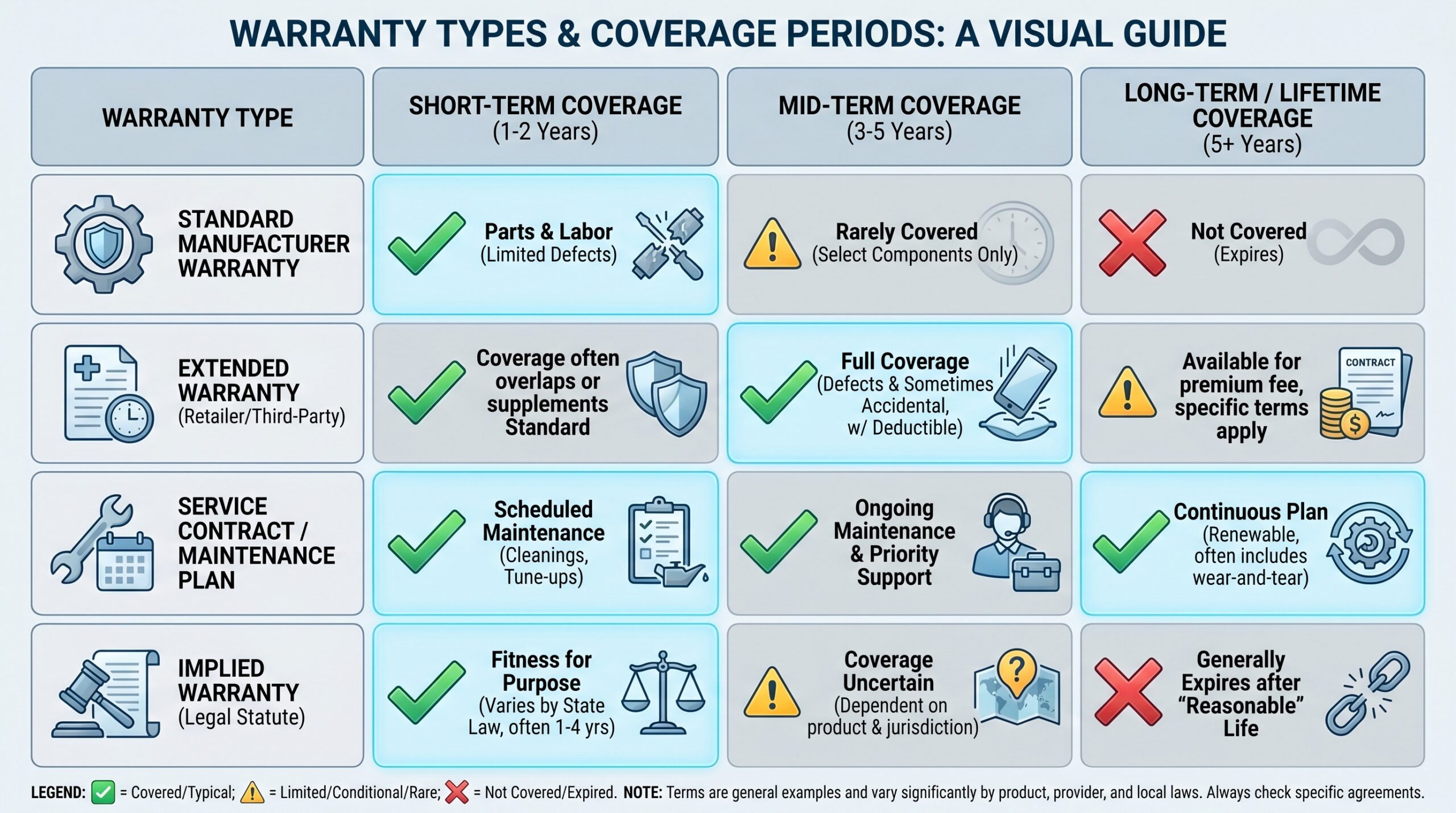
Most lifetime warranties also include prorated coverage, meaning the replacement value decreases over time. In the first few years, you might receive full replacement value, but after 15-20 years, you may only receive partial coverage based on the remaining expected life of the product.
Limited lifetime warranty vs full lifetime warranty
Limited lifetime warranties are the most common type in home improvement. These warranties cover specific defects and conditions but exclude certain types of damage or wear. For example, a limited lifetime warranty on roofing shingles might cover manufacturing defects but exclude damage from hail, wind above certain speeds, or improper ventilation.
Full lifetime warranties offer broader coverage but are less common and typically more expensive. These might cover a wider range of issues and provide longer coverage periods. However, even “full” lifetime warranties have exclusions and conditions you need to understand.
Important Note: Always read the fine print to understand what “lifetime” means for your specific product and what conditions might void the warranty.
The key difference often lies in what’s excluded rather than what’s included. Limited warranties might exclude labor costs for repairs, while full warranties could include both materials and installation costs. Understanding these distinctions helps you budget for potential future expenses.
What warranty transferability means for homeowners
Warranty transferability becomes crucial if you plan to sell your home. Some lifetime warranties transfer to new owners, while others are tied specifically to the original purchaser. Transferable warranties can add value to your home and provide selling points to potential buyers in the Cleveland real estate market.
However, transferred warranties often come with reduced coverage or shorter terms. A 50-year warranty for the original owner might become a 20-year warranty for subsequent owners. Some warranties require registration or notification of the transfer within specific timeframes to remain valid.

At Peak and Valley Roofing, we help Cleveland area homeowners understand their warranty transfer options and ensure proper documentation for future sales. This attention to detail protects your investment whether you stay in your home long-term or decide to sell.
Reading warranty language and avoiding common pitfalls
Warranty documents often contain complex legal language that can be confusing. Key terms to watch for include “prorated coverage,” which means decreasing value over time, and “exclusions,” which list what’s not covered. Pay special attention to maintenance requirements, as failing to follow these can void your warranty.
Pro Tip: Keep detailed records of installation dates, maintenance performed, and any warranty claims to ensure you can take full advantage of your coverage.
Common pitfalls include assuming lifetime means forever, not registering products when required, and failing to use approved contractors for repairs. Some warranties become void if unauthorized repairs are attempted or if the product is modified after installation.
Weather-related exclusions are particularly important in Northeast Ohio, where we experience harsh winters and severe storms. Understanding what weather conditions are covered versus excluded helps you plan for additional insurance or maintenance needs. This is especially relevant for Cleveland homeowners dealing with lake-effect snow and seasonal temperature fluctuations that can impact roofing materials.
Understanding warranty terms empowers you to make better decisions about your home improvement investments. Whether you’re considering new roofing upgrades, siding, or other major improvements, knowing what your warranty actually covers helps you budget appropriately and maintain your coverage over time. Remember that the best warranty is only as good as the company standing behind it, so choose licensed, bonded, and insured contractors and manufacturers with strong reputations and clear warranty terms.