
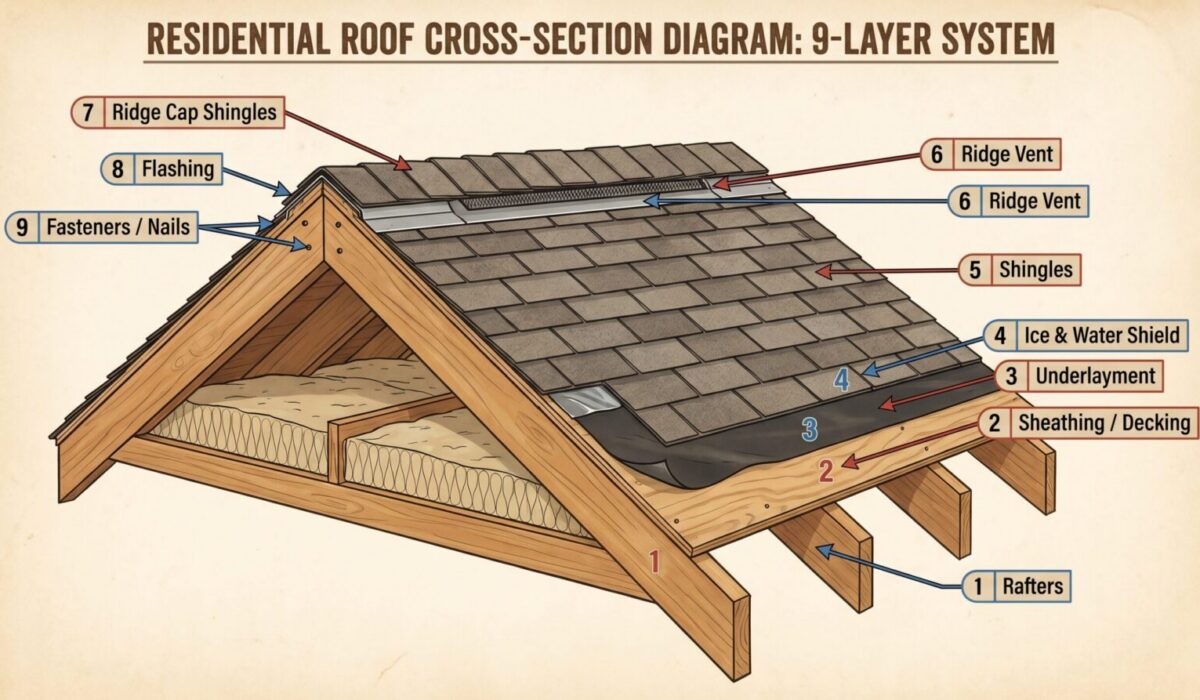
Most modern residential roofs have about 8-9 distinct layers, from the structural decking up to ridge caps and vents. The exact number varies by roof type, climate, and local building codes, but understanding these core components helps you make better decisions about repairs, replacements, and contractor estimates.
When you look at your neighbor’s roof in Rocky River or Cleveland, you only see the top layer of shingles or metal panels. But underneath lies a complex system of materials working together to protect your home from water, wind, and Northeast Ohio’s challenging weather conditions. Each layer serves a specific purpose, and missing even one component can lead to leaks, energy loss, or structural damage.
Key Insight: A complete roofing system requires all layers to work properly. Skipping components like drip edge or using inferior materials may lower upfront costs but often leads to expensive repairs later.
At Peak and Valley Roofing, we’ve helped Cleveland area homeowners understand what goes into a quality roof replacement since 2026. As a family-owned company specializing in both residential and commercial roofing solutions, we believe in honest, no-pressure education about roofing systems. Let’s break down each layer so you know exactly what you’re paying for and why each component matters for Northeast Ohio homes.
What makes up a roofing system
A roofing system isn’t just the shingles you see from the street. It’s a carefully engineered assembly of materials that provide structural support, waterproofing, ventilation, and weather protection. Think of it like clothing layers for your house – each one serves a different function, but they all work together to keep you comfortable and dry during Cleveland’s harsh winters and stormy summers.
The typical residential roof system includes structural components (framing and decking), waterproofing layers (underlayment and ice barriers), the visible covering (shingles or panels), protective elements (flashing and drip edge), and ventilation components. Some simpler explanations group these into about 5 major categories, but most roofing professionals recognize 8-9 distinct layers for installation and pricing purposes.
Different roof types have slightly different assemblies. Flat roofs use membrane systems instead of shingles, while metal roofs may skip certain components like starter strips. However, the core principles of layered protection remain the same across all roof types – especially important in Northeast Ohio where we experience everything from heavy snow loads to severe thunderstorms.
The 9 essential roof layers from bottom to top
1. Roof decking (sheathing)
Roof decking forms the foundation of your entire roof system. Made from plywood or oriented strand board (OSB), these wooden panels attach directly to your roof rafters and support everything else that gets installed above.
You’ll encounter two main types: plank decking (individual 1×6 or 1×8 boards) and sheet decking (4×8 plywood or OSB panels). Sheet decking dominates modern construction because it covers more area quickly and provides better structural integrity. The thickness typically ranges from 7/16 inch to 3/4 inch, depending on rafter spacing and local codes.
Any damaged or rotted decking must be replaced before installing new roofing materials. In Northeast Ohio’s humid climate, water damage, mold, or sagging boards compromise the entire system’s stability and void most manufacturer warranties.
2. Drip edge
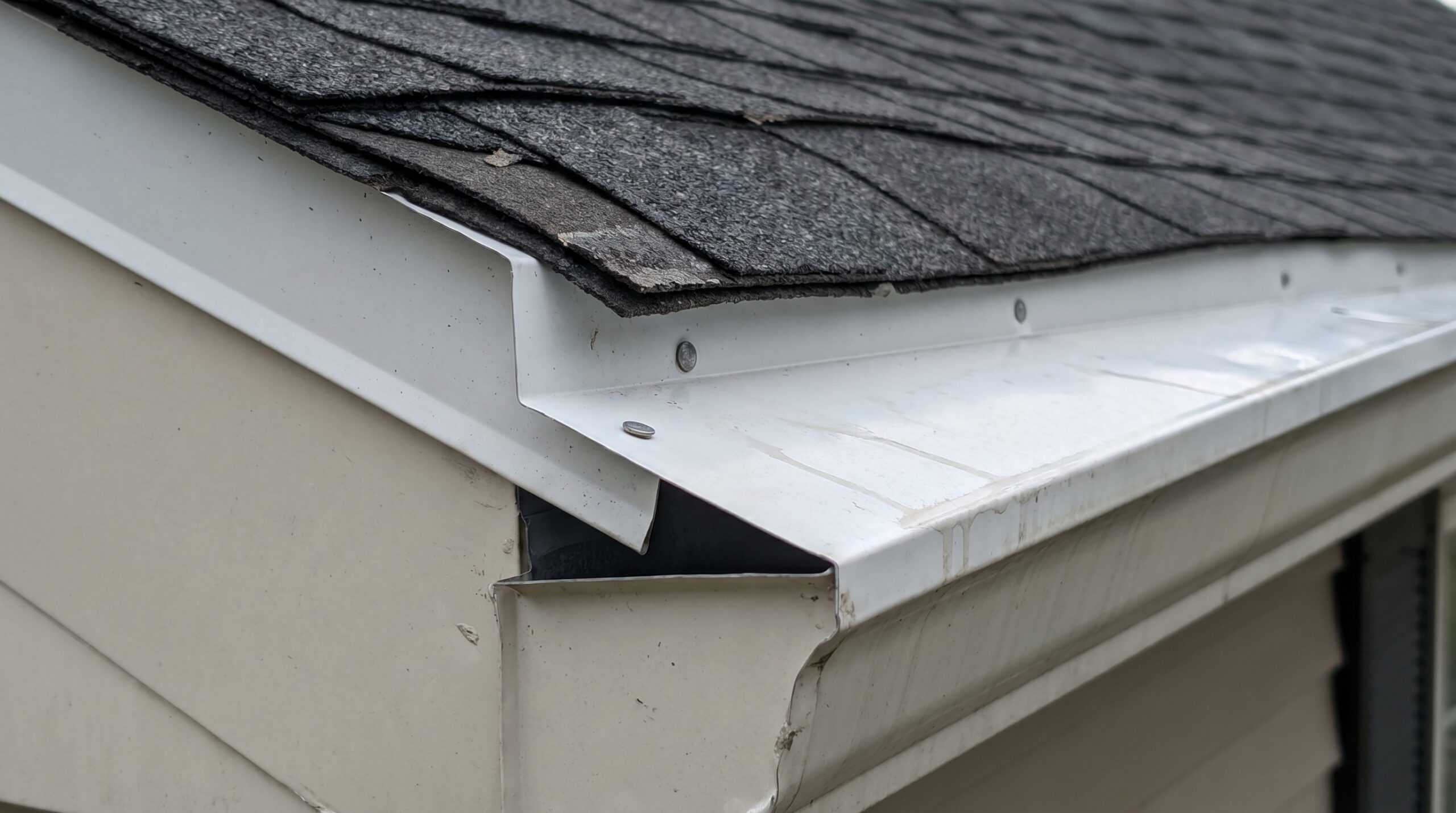
Drip edge is L-shaped metal flashing installed along your roof’s edges (eaves and rakes) to direct water away from the fascia board and prevent it from getting behind gutters. Without this simple component, water can seep under your roofing materials and cause wood rot – a particular concern in Cleveland’s wet spring seasons.
Most building codes now require drip edge installation, and inspectors may fail your roof replacement if it’s missing or improperly installed. The metal comes in aluminum, galvanized steel, or copper, with aluminum being most common for residential applications in Northeast Ohio.
Unfortunately, some contractors skip drip edge to lower their bid prices. Always verify that your estimate includes drip edge installation along all roof edges – it’s a small cost that prevents major headaches later.
3. Ice and water shield
Ice and water shield is a self-adhesive waterproof membrane that provides extra protection in leak-prone areas. Unlike underlayment that covers the entire roof, ice and water shield gets installed strategically around valleys, penetrations, walls, and low-slope areas where water tends to collect.
In Northeast Ohio, building codes require ice and water shield along the first two rows of the roof edge to prevent ice dam leaks – a critical protection given our harsh winter conditions. This coverage isn’t optional in our climate; it’s essential for preventing costly water damage when ice dams form along gutters and eaves.
The membrane consists of a rubberized asphalt backing with a peel-and-stick application. It seals around nails and creates a watertight barrier even if shingles get damaged or blown off during Cleveland’s severe thunderstorms.
4. Underlayment
Roof underlayment acts as a secondary water barrier installed directly over the entire roof deck. If water somehow gets past your shingles during Northeast Ohio’s heavy rains or snow melts, the underlayment protects your decking from moisture damage while you arrange repairs.
Traditional felt underlayment (15-pound or 30-pound) has been used for decades but absorbs water when exposed. Synthetic underlayment made from woven polyethylene or polypropylene costs more but offers superior durability, nail-holding power, and water resistance. It also lies flatter and is easier for roofers to work with during Cleveland’s unpredictable weather conditions.
Pro Tip: Synthetic underlayment typically comes with better manufacturer warranties and performs significantly better in wet conditions. The extra cost often pays for itself through improved longevity and fewer callbacks – especially important in Northeast Ohio’s challenging climate.
Most roofing professionals now recommend synthetic over felt, especially in areas with frequent rain or high humidity like ours. Ask your contractor which type they’re including in your estimate and consider upgrading if they default to basic felt.
5. Starter shingles
Starter shingles create a proper seal along your roof’s edges before the first row of regular shingles gets installed. These pre-cut strips ensure there’s material underneath the joints where shingles meet, preventing wind-driven rain from infiltrating your roof system – crucial protection against Northeast Ohio’s severe weather patterns.
The starter course also includes an adhesive strip that helps seal the first row of shingles against wind uplift. This seal directly affects your roof’s wind resistance rating and determines the wind warranty coverage from your shingle manufacturer – particularly important given the strong storms that regularly impact the Cleveland area.
While specific to asphalt shingle installations, every roofing material requires some form of edge starter system. Metal roofs use trim pieces, while tile roofs need special edge tiles to create proper water shedding and wind resistance.
Advanced components that complete your roof system
6. Main roofing material
Your roofing material forms the visible top layer that provides the primary weather barrier. Architectural asphalt shingles dominate the residential market in Northeast Ohio, but you’ll also find metal panels, cedar shakes, synthetic materials, slate, and tile depending on your budget and aesthetic preferences.
The material you choose affects your roof’s lifespan, maintenance requirements, energy efficiency, and warranty options. Basic 3-tab shingles might last 15-20 years, while premium architectural shingles often carry 25-30 year warranties. Metal roofing can last 40-50 years with proper installation and maintenance.
Consider Northeast Ohio’s climate when selecting materials. Our area benefits from impact-resistant shingles due to frequent hail storms, while materials that can handle heavy snow loads and ice formation are essential for long-term performance.
7. Roof flashing
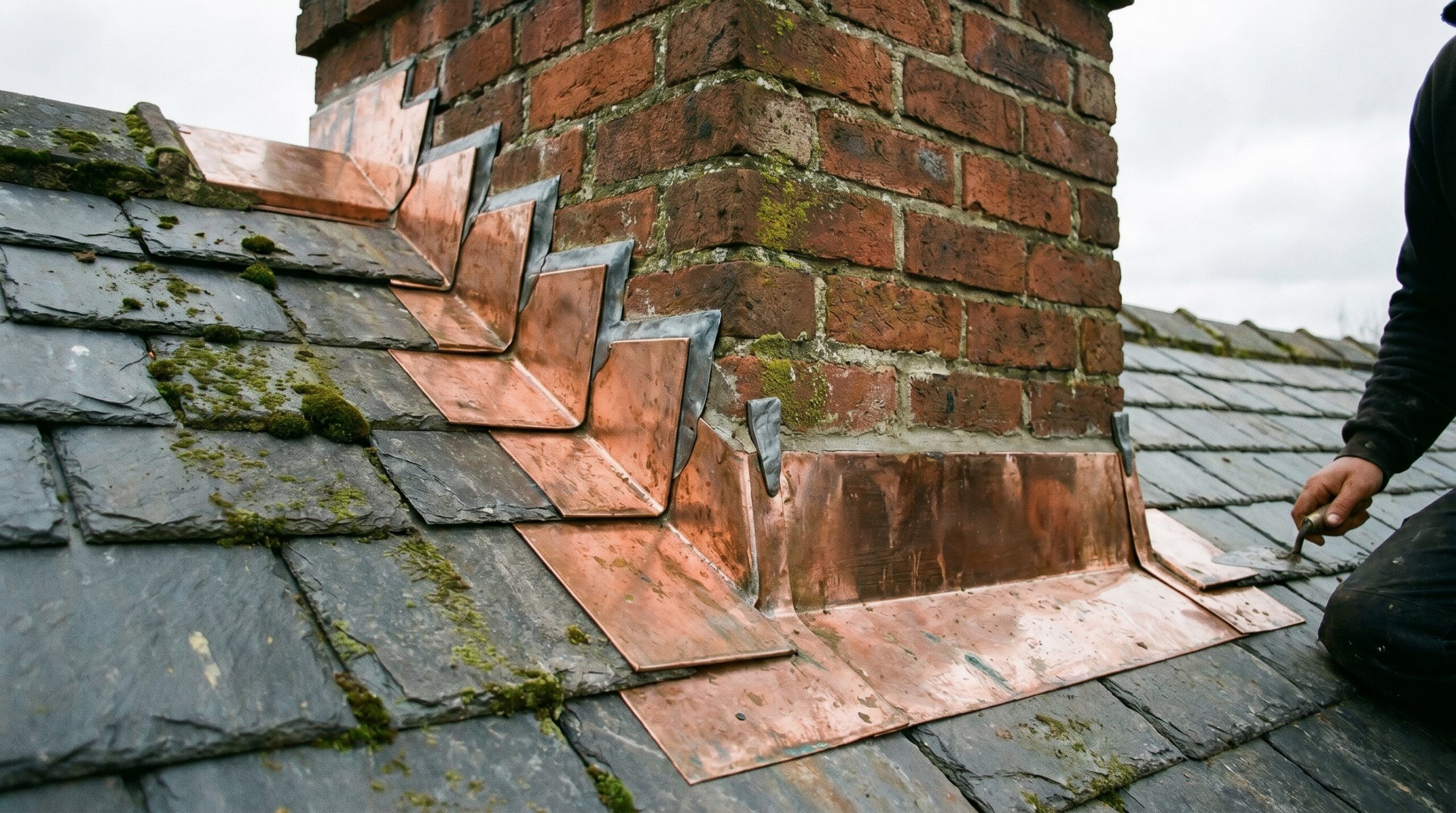
Flashing consists of metal pieces that direct water away from vulnerable areas where your roofing material meets walls, chimneys, valleys, or penetrations. It’s arguably the most critical component for preventing leaks, as these transition areas see the most water flow and stress during Cleveland’s heavy rains and snow melts.
Common flashing locations include chimney bases, wall intersections, plumbing vents, skylights, and roof valleys. The metal can be aluminum, galvanized steel, or copper, with prefinished aluminum being most popular for residential applications due to its affordability and corrosion resistance in Northeast Ohio’s humid climate.
Properly installed flashing can outlast your roofing material, so quality contractors may reuse existing flashing if it’s in good condition. However, damaged or poorly installed flashing must be replaced to prevent future leaks – something we see frequently when helping homeowners with insurance restoration after storm damage.
8. Ridge capping
Ridge capping seals the peak where two roof slopes meet, preventing water and wind from entering your roof system at the highest point. The capping material matches your main roofing material but comes pre-bent or flexible enough to conform to your roof’s ridge angle.
For asphalt shingle roofs, proper ridge caps are specifically designed for this application. Some contractors cut regular 3-tab shingles to save money, but this creates problems because standard shingles aren’t meant to bend and may crack or leak over time – especially problematic during Northeast Ohio’s freeze-thaw cycles.
Metal roofs use specially formed ridge caps, while tile roofs require ridge tiles that overlap and interlock. Regardless of material, ridge capping must be properly ventilated in our climate to allow attic airflow while keeping weather out.
9. Roof vents and ventilation
Roof vents complete your system by managing attic airflow and moisture. Intake vents (usually soffit vents) pull fresh air into your attic, while exhaust vents (ridge vents, box vents, or turbines) remove hot, humid air that could otherwise cause ice dams, mold, or energy loss.
Active ventilation systems use powered fans or turbines to move air, while passive systems rely on natural convection. Ridge vents with baffles provide excellent passive exhaust when paired with adequate soffit intake vents – particularly effective in Northeast Ohio where proper ventilation prevents ice dam formation.
Proper ventilation extends your roof’s lifespan by preventing moisture buildup and temperature extremes in your attic. It also helps maintain manufacturer warranties, as many require adequate ventilation for coverage to remain valid.
Understanding the difference between system layers and shingle layers
When people ask “how many layers does a roof have,” they might mean two different things. The 8-9 components we’ve discussed are system layers – different materials that work together to create a complete roof assembly.
But you might also wonder about multiple layers of shingles stacked on top of each other. Most building codes limit residential roofs to two layers of asphalt shingles maximum. Adding a second layer (called a “recover” or “overlay”) costs less than tearing off the old roof, but it adds weight and can hide underlying problems.
| Roof Type | Typical System Layers | Max Shingle Layers Allowed |
|---|---|---|
| Asphalt Shingle | 8-9 components | 2 layers (most codes) |
| Metal Panel | 7-8 components | N/A (panels don’t layer) |
| Flat/Low-Slope | 6-8 components | Varies by membrane type |
At Peak and Valley Roofing, we typically recommend full tear-offs because they allow inspection of the decking and ensure proper installation of all system components. This approach is especially important for insurance restoration work, where we need to assess and document all storm damage for proper claims processing. Your local building inspector and structural engineer can help determine whether your roof can safely support a second shingle layer.
Understanding both types of “layers” helps you communicate clearly with contractors and make informed decisions about repair versus replacement options. When getting estimates, specify whether you want pricing for overlay or complete tear-off installation.
Now you understand why roofs are complex systems rather than simple coverings. Each layer serves a specific purpose, and cutting corners on any component can compromise your entire investment. When reviewing contractor estimates, make sure every layer is accounted for and ask questions about material grades and installation methods. A quality roof installation protects your Cleveland area home for decades, making it worth investing in proper materials and skilled workmanship from the start.