

If you’ve noticed shingles curling or rising at the edges of your roof, you’re dealing with one of the most common roofing problems homeowners face in Northeast Ohio. Lifted shingles create gaps that allow wind, rain, and debris to penetrate your roof system, potentially leading to water damage, mold growth, and costly repairs. The good news is that understanding why this happens and taking prompt action can prevent minor issues from becoming major headaches.
Quick Answer: Shingles typically lift at roof edges due to wind uplift, poor installation, aging materials, or inadequate ventilation. While minor lifting can sometimes be repaired, extensive damage often requires professional intervention to prevent water infiltration and structural problems.
This guide will walk you through identifying lifted shingles, understanding what causes them, and determining when you can handle repairs yourself versus when to call professionals like Peak and Valley Roofing.
What are lifted roof shingles and why do edges lift most often
Lifted shingles are roofing materials that no longer lie flat against your roof surface. Instead of staying sealed down, the shingle edges, corners, or tabs rise up, creating visible gaps underneath.
You can often spot lifted shingles from the ground by looking for curled corners, raised edges that cast shadows, or wavy areas along your roofline. The roof edge is particularly vulnerable because it experiences the strongest wind forces and has less structural support than shingles in the middle of your roof.
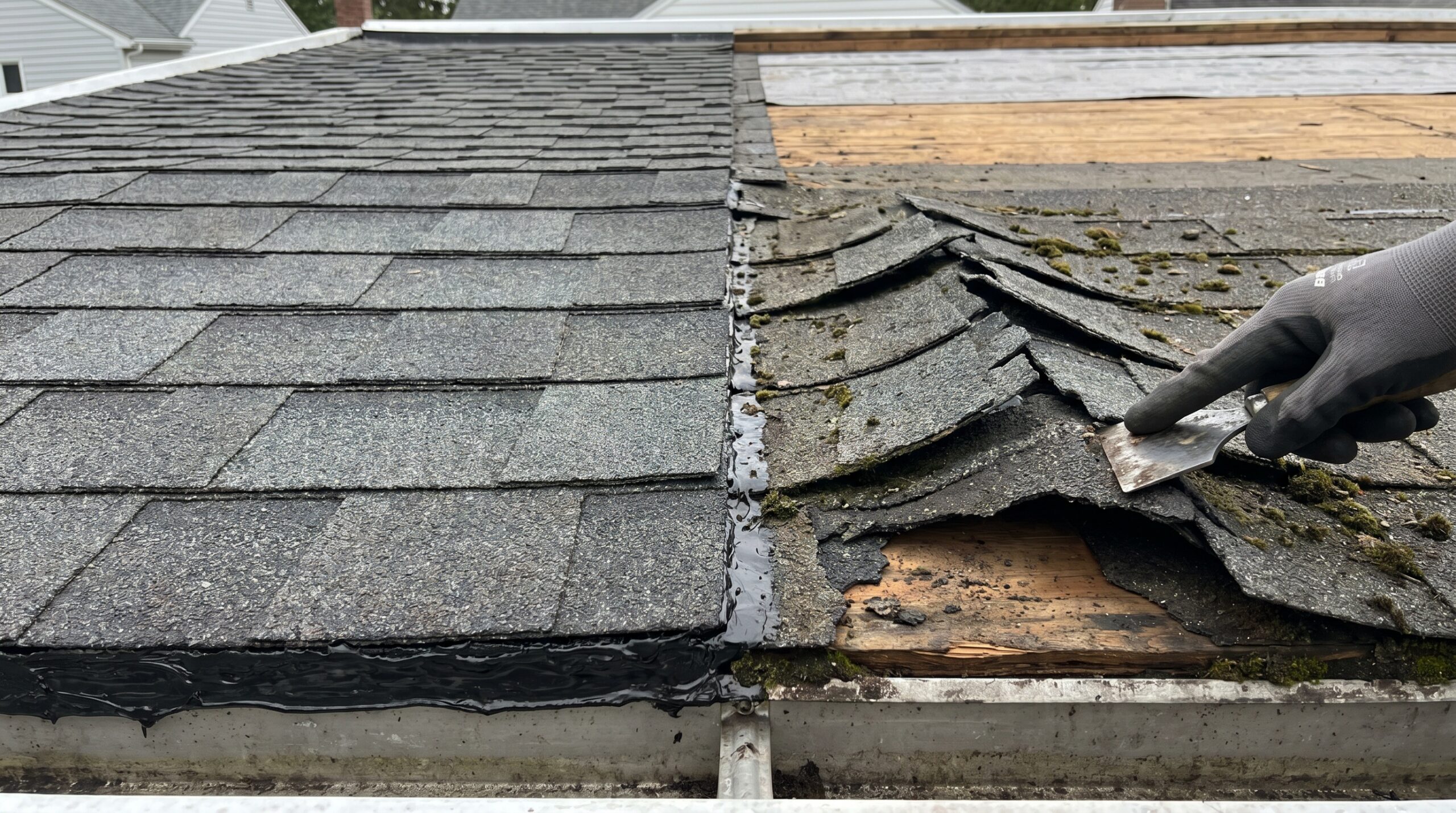
According to kingroofing.com, wind can create pressure changes that pull up on shingle edges, and once wind gets under one shingle, it can lift more shingles around it. The edge also represents the intersection of fascia and flashing, making it a natural weak point in your roofing system.
Common causes of shingles lifting at the roof edge
Several factors contribute to shingle lifting, often working together to compromise your roof’s integrity.
Wind and weather damage tops the list of culprits. Strong winds catch shingle edges and lift them, especially when the adhesive strip has worn out or wasn’t properly activated during installation. skroofingandconstruction.com notes that thunderstorms, blizzards, and even tornadoes common in Northeast Ohio during spring can weaken adhesive bonds and cause immediate lifting. The Cleveland area’s variable weather patterns, from lake-effect snow to summer storms, create particularly challenging conditions for roof edges.
Poor installation practices create long-term problems. When nails are driven too high on shingles, placed incorrectly, or when starter strips are missing at the edge, shingles become prone to lifting. Incomplete sealing and wrong overhang measurements also contribute to edge vulnerability.
Aging and material wear naturally reduce shingle flexibility and sealing power. Most asphalt shingles have a 20-30 year lifespan, and as they age, they become brittle and lose their ability to maintain proper adhesion. You might notice granule loss, discoloration, and increasingly frequent lifting as your roof approaches the end of its service life.
Ventilation and moisture issues create problems from below. Poor attic ventilation causes heat and moisture buildup underneath shingles, weakening adhesive bonds. Ice dams, common in Northeast Ohio winters, can form at roof edges and force water back under shingles, dislodging them from their seals.
Risks of ignoring lifted shingles
Warning: Even minor shingle lifting creates openings your roof system isn’t designed to have, and ignoring these gaps can lead to expensive damage throughout your home.
Water infiltration represents the most immediate threat. wellerroofing.com explains that when shingles lift, gaps form allowing water to seep under roofing material and damage the roof deck and interior ceilings.
The domino effect accelerates quickly. Moisture entering through gaps leads to mold growth in your attic, creating health risks while weakening your roof’s structural integrity. Energy efficiency suffers as gaps compromise insulation, and pest invasion becomes possible through these new openings.
Insurance complications add financial stress. Many insurance companies may deny claims if they determine that homeowner negligence contributed to damage, particularly if lifted shingles were visible but left unaddressed for extended periods. This is especially important for Northeast Ohio homeowners dealing with storm damage, where insurance restoration expertise becomes crucial.
| Problem Level | Symptoms | Typical Action |
|---|---|---|
| Minor lifting | Few shingles, no creases | Monitor and repair |
| Major damage | Multiple areas, granule loss | Professional repair |
| End-of-life | Widespread lifting, brittleness | Full replacement |
How to inspect and fix lifted shingles safely
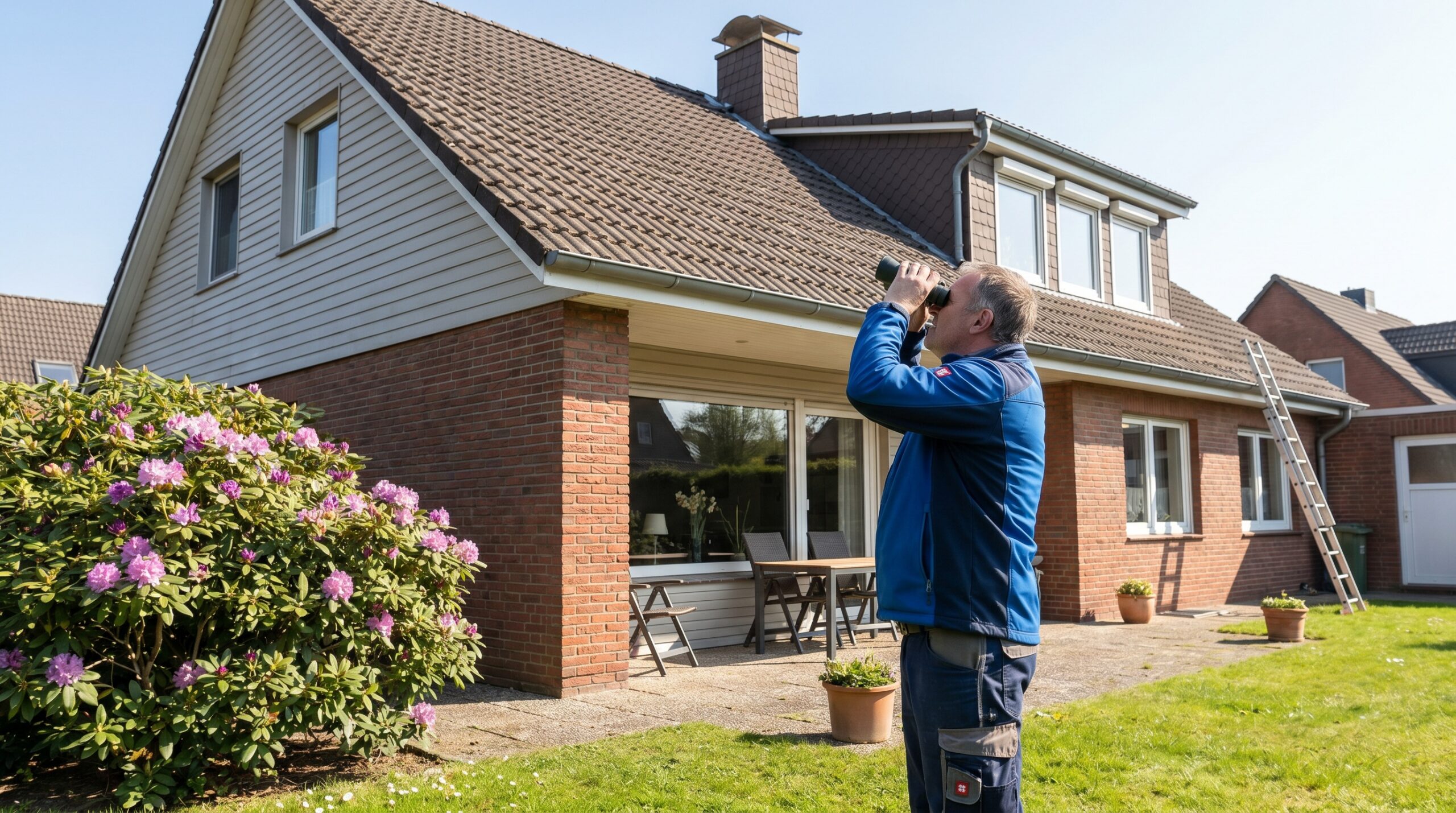
Start your inspection from the ground using binoculars or a camera with zoom capabilities. Look for uneven or wavy areas on roof lines, corners that appear lifted or cast shadow lines, and granules collecting in gutters.
Check inside your home for water stains on ceilings, damp attic insulation, or musty smells that might indicate moisture infiltration. Take photos of any issues you observe for later discussion with roofing professionals.
For minor DIY repairs on easily accessible, low-slope roofs, you’ll need basic tools including a hammer, roofing nails, roofing cement or adhesive, a pry bar, and a utility knife. skroofingandconstruction.com provides a step-by-step approach: gently lift the affected shingle, remove any debris, secure with properly placed nails, apply roofing cement under the shingle edge, and press down to create a seal.
However, safety must come first. Never attempt repairs on steep roofs, during wet or icy conditions, or if you’re uncomfortable with heights. Professional repairs become necessary for widespread lifting, structural damage, or when proper tools and experience are required for tasks like installing drip edges or repairing flashing.
Professional solutions typically involve removing and replacing damaged shingles, correcting nail placement, installing proper starter strips, adding drip edges to deflect water, and repairing or replacing damaged flashing and fascia boards. For Rocky River and Cleveland area homeowners, working with local roofing experts who understand Northeast Ohio’s specific weather challenges ensures repairs that can withstand the region’s demanding climate conditions.
Preventing future shingle lifting
Prevention focuses on addressing the root causes before they create problems. Install proper starter strips and drip edges at eaves and rakes during any roofing work. Choose wind-resistant shingles rated for your local wind speeds when replacing your roof.
Maintain your roof’s support systems by keeping gutters clear to prevent ice dams, ensuring adequate attic ventilation, and checking for blocked soffit vents. Trim overhanging branches that could damage shingles during storms, and remove moss or algae growth that can compromise shingle integrity.
Schedule routine professional roof inspections annually or after major storms. Early detection of lifting allows for simple repairs before problems escalate into expensive damage requiring full roof replacement. This is particularly important in Northeast Ohio, where seasonal weather changes can quickly turn minor issues into major problems.
Conclusion
Shingles lifting on the edge of your roof signal potential problems that require prompt attention. While understanding the causes and risks helps you make informed decisions, the complexity of proper repairs often makes professional intervention the safest and most cost-effective choice. If you notice lifted shingles on your Northeast Ohio home, contact Peak and Valley Roofing for a thorough inspection and expert repair solutions that protect your investment for years to come. Our family-owned company specializes in insurance restoration and provides honest, no-pressure guidance to Rocky River, Cleveland, and Northeast Ohio homeowners facing roofing challenges.