

TPO (Thermoplastic Polyolefin) roofing has captured over 40% of the commercial flat roofing market, making it the most popular single-ply membrane system in North America. This remarkable growth reflects TPO’s exceptional balance of durability, energy efficiency, and cost-effectiveness for both commercial buildings and residential flat roof applications.
If you’re considering TPO for your flat or low-slope roof, this guide covers everything you need to know about installation methods, real-world performance, costs, and maintenance requirements. Based on industry data and field experience, we’ll help you understand whether TPO is the right choice for your specific roofing needs.
Quick Answer: TPO roofing is a single-ply membrane made from polypropylene and ethylene-propylene rubber polymers, offering 15-30 year lifespans with heat-welded seams that create watertight, energy-efficient roof systems for slopes below 2:12.
Understanding TPO roofing systems
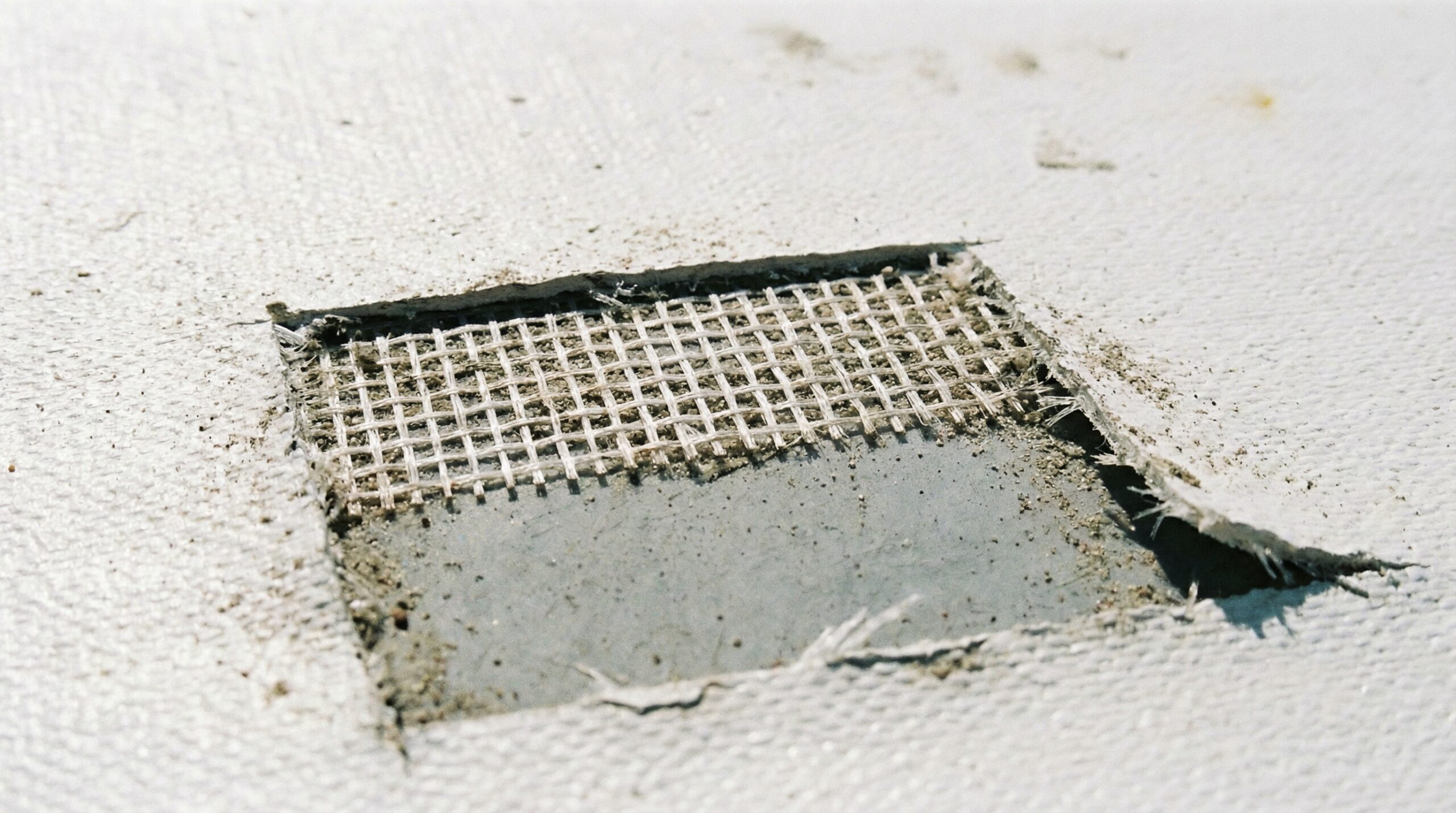
TPO stands for Thermoplastic Polyolefin, a single-ply roofing membrane manufactured from a blend of polypropylene and ethylene-propylene rubber polymers. The material features a polyester or fiberglass reinforcement scrim sandwiched between layers of the thermoplastic compound, creating a flexible yet durable sheet.
According to flatroofinginsights.com, TPO’s popularity stems from its heat-welded seam technology rather than the membrane thickness alone. Unlike EPDM rubber roofing that relies on adhesives, TPO seams are fused together using hot-air welding equipment operating at 900-1200°F, creating molecular bonds stronger than the membrane itself.
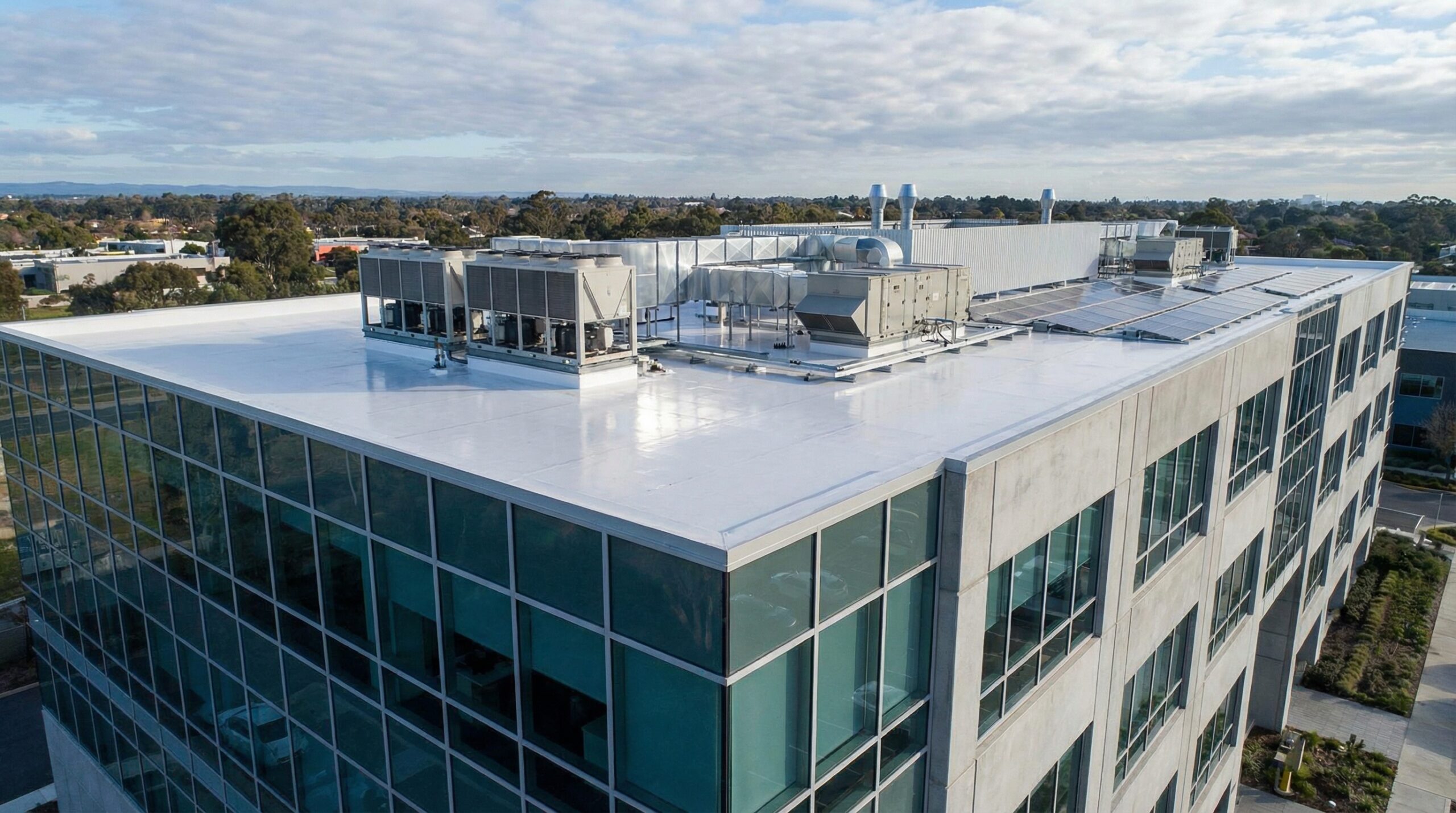
The white or light gray surface contains reflective pigments and UV stabilizers that enable the membrane to reflect up to 90% of solar radiation. This reflectivity makes TPO particularly valuable in hot climates where cooling costs dominate energy bills, similar to how modern metal roofing materials offer energy-efficient alternatives for different roof types.
Installation methods and system components
TPO roofing offers three primary installation methods, each suited to different building requirements and wind load specifications. lintaroofing.com outlines these approaches:
Mechanically attached systems use fasteners and plates through the membrane, suitable for most applications with wind ratings up to 200 mph. Fully adhered systems employ bonding adhesive for contoured roofs with wind ratings up to 150 mph. Induction welded systems use electromagnetic fastening for quick installation.
The installation process begins with proper substrate preparation and moisture testing. Like traditional roofing systems that require proper roof decking as a foundation, TPO installations need a solid base. Insulation options include polyisocyanurate (highest R-value), expanded polystyrene (best R-value per dollar), and extruded polystyrene (moisture-resistant). roofingcube.com emphasizes that TPO membranes are available in 45 mil, 60 mil, and 80 mil thicknesses, with thicker options providing greater durability.
The heat-welding process creates seamless, monolithic surfaces. Professional installation requires specialized equipment and certified crews to ensure proper seam quality, which field inspections show as the most critical factor in long-term performance. Understanding critical roofing components helps property owners appreciate the complexity of proper TPO installation.
Installation Tip: TPO membrane widths range from 10-20 feet, reducing seam quantities compared to narrower materials and improving overall system integrity.
Cost analysis and performance expectations
TPO roofing costs typically range from $3.50 to $14 per square foot of material, with installation labor adding $75-90 per hour according to industry standards. The total project cost depends on roof condition, size, membrane thickness, insulation requirements, and warranty terms. When comparing roofing material costs and lifespans, TPO offers competitive value for flat roof applications.
Performance data from flatroofinginsights.com shows TPO lifespans of 15-30 years, with actual performance depending heavily on installation quality rather than membrane specifications alone. The energy savings from TPO’s reflective properties can be substantial in hot climates, with some installations showing 20-30% reductions in cooling costs.
| TPO Thickness | Cost Range | Typical Lifespan | Best Application |
|---|---|---|---|
| 45 mil | $3.50-$6.00/sq ft | 15-20 years | Budget projects |
| 60 mil | $5.00-$9.00/sq ft | 20-25 years | Standard commercial |
| 80 mil | $8.00-$14.00/sq ft | 25-30 years | High-traffic roofs |
The Class A fire rating and 100% recyclability add value beyond initial cost considerations. TPO’s resistance to UV degradation, punctures, and chemical exposure makes it particularly suitable for commercial applications with rooftop equipment. For property owners exploring eco-friendly roofing solutions, TPO’s recyclability and energy efficiency make it an environmentally conscious choice.
Maintenance requirements and repair strategies
Effective TPO maintenance focuses on seam integrity, drainage performance, and prompt repair of any membrane damage. expertexteriorswi.com recommends biannual inspections with particular attention to flashings, penetrations, and high-traffic areas.
Common repair methods include heat-welded patches for small tears, elastic cement for seam failures, and secondary coatings for widespread surface wear. The key advantage of TPO is that repairs can often be made without removing large sections of membrane, reducing both cost and building disruption. Proper roof flashing installation around penetrations is essential for preventing water infiltration in TPO systems.
Preventive maintenance should address ponding water, debris accumulation, and mechanical damage from foot traffic or equipment. Regular cleaning helps maintain reflective properties, while prompt attention to minor issues prevents water infiltration that could compromise the roof deck or insulation.
Maintenance Reality: Most TPO failures stem from installation defects or deferred maintenance rather than membrane degradation, making quality installation and proactive care essential for achieving expected lifespans.
Professional maintenance programs typically include seasonal inspections, drainage verification, and documentation for warranty compliance. This approach helps building owners avoid emergency repairs while maximizing their roofing investment. Understanding what should be included in a detailed roofing estimate ensures that maintenance provisions are properly accounted for in your project planning.
TPO roofing represents a mature, reliable technology when properly installed and maintained. Its combination of energy efficiency, durability, and cost-effectiveness explains why it continues gaining market share across both commercial and residential flat roof applications. For building owners seeking a balance of performance and value, TPO offers a proven solution backed by decades of field experience and continuous material improvements.